

&imwidth=800&imheight=600&format=webp&quality=medium "North Korea plans massive military parade as Kim Jong Un celebrates Workers’ Party 80th anniversary")
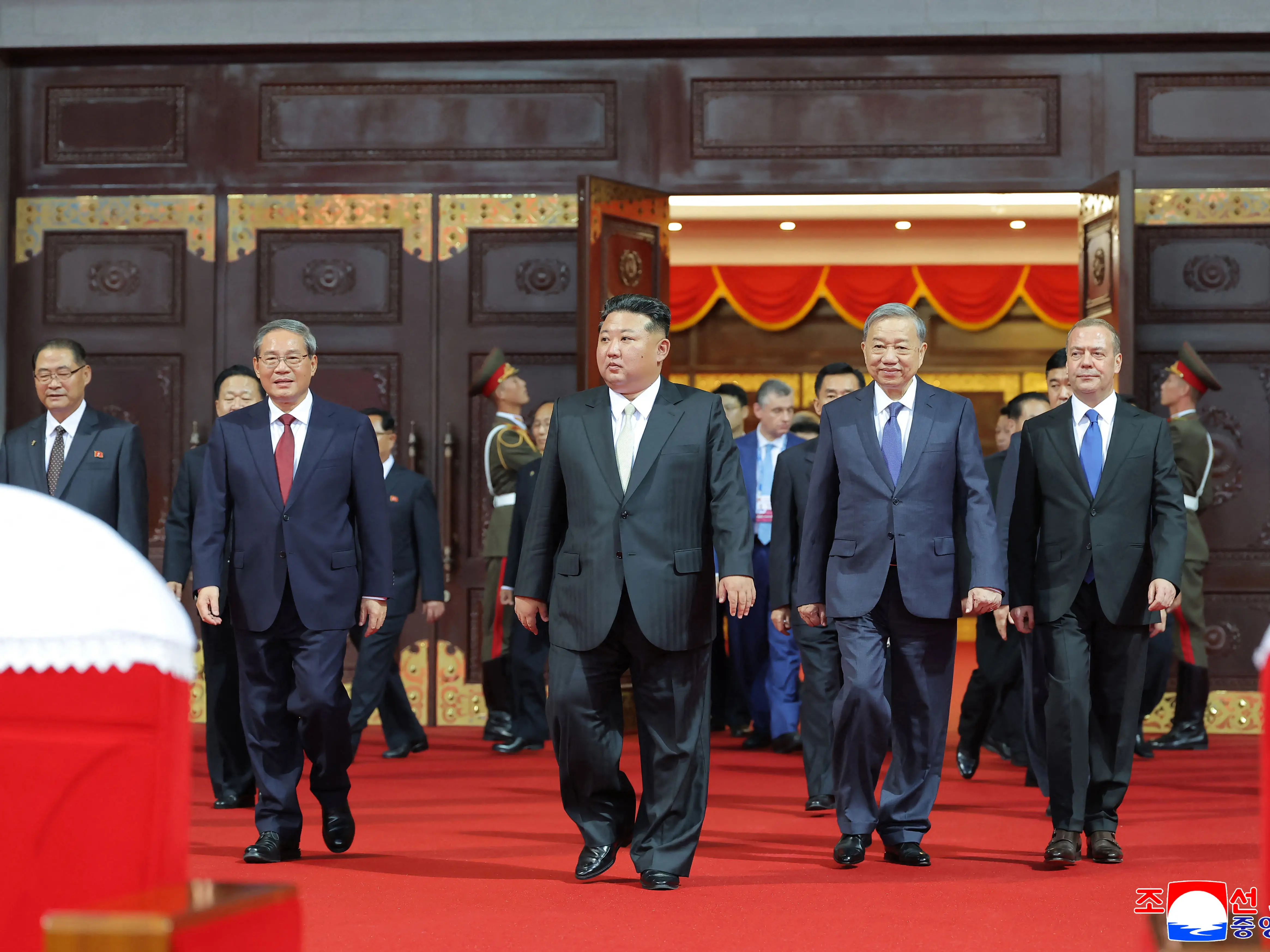
This week, Kim Jong Un has extended a warm welcome to foreign dignitaries, preparing to showcase North Korea's latest military advancements during the 80th anniversary of the Workers' Party of Korea. Despite the secretive nature of the regime, reports suggest that the celebrations will feature a grand parade, potentially held at night, in Pyongyang. This display will likely involve tens of thousands of people, with highly coordinated performances—a hallmark of North Korean spectacles.
The Workers’ Party, the country's sole ruling party, blends the ideology of communism with the cult of personality surrounding the Kim dynasty, which has maintained its tight grip on power for three generations. Military analysts are particularly focused on what new weaponry might be unveiled at the event. Speculation points toward the unveiling of advanced weapons systems, including the Hwasong-20 intercontinental ballistic missile (ICBM) and the Hwasong-11 Ma hypersonic glide vehicle. These technologies would represent significant advancements in North Korea’s military capabilities.
Kim's anniversary celebrations follow a significant diplomatic move last month, when he visited China for a large military parade. There, he strengthened ties with Chinese leader Xi Jinping and Russian President Vladimir Putin, solidifying alliances with Beijing and Moscow. These countries have become key partners in North Korea’s growing missile and nuclear ambitions, with Russia also receiving military aid from Pyongyang.
Chinese and Russian officials have already arrived in Pyongyang for the event, underscoring the importance of the growing political and military relationships between these countries. Recent images show Kim meeting with Chinese Premier Li Qiang, former Russian President Dmitry Medvedev, and Vietnam's Communist Party chief, To Lam, at a cultural event. In terms of the military display, observers expect the introduction of new advanced weaponry, including short-range ballistic missiles and potentially unmanned systems or AI-powered technologies. North Korea's past parades have been opportunities to showcase innovations designed to threaten the US and its allies, and this one could be no different.
Kim’s focus on solid-fuel missiles, such as the Hwasong-20, reflects North Korea's push to develop more reliable and mobile missile systems. This would allow for quicker deployment and launch, a strategic advantage over previous liquid-fueled missiles. While the Hwasong-20 has not been fully tested, there is anticipation that the North may attempt a live launch during or around the anniversary celebrations.
Trending Stories
&imwidth=180&imheight=135&format=webp&quality=medium)
US considering use of ‘mother of all bombs’ in its war with Iran: Report
&imwidth=180&imheight=135&format=webp&quality=medium)
Russian woman and Bihar boy's love story goes viral after she reaches India to marry him
&imwidth=180&imheight=135&format=webp&quality=medium)
Arijit Singh 9-city India stadium tour to start from January: Check venue and ticket prices
&imwidth=180&imheight=135&format=webp&quality=medium)
'Don't ever mess with nature!': Trump’s tiger attack post triggers social media backlash as victim's family issues heartbreaking tribute
&imwidth=180&imheight=135&format=webp&quality=medium)
88 days apart, twice: Mystery signal detected coming from empty region of space
&imwidth=180&imheight=135&format=webp&quality=medium)
Mumbai gears up for Marco Rubio’s visit as US Secretary of State prepares for India trip
&imwidth=180&imheight=135&format=webp&quality=medium)
Saudi Arabia executes two Bangladeshi nationals over ‘immoral acts’ inside Mecca mosque
&imwidth=180&imheight=135&format=webp&quality=medium)
Turkey Floods: Heavy rains flood homes and submerge vehicles in Istanbul
&imwidth=180&imheight=135&format=webp&quality=medium)
Leap second could go by 2027. What it means, as timekeepers gather in Versailles
&imwidth=180&imheight=135&format=webp&quality=medium)
Women who eat meat have a higher chance of living to 100: Study
&imwidth=180&imheight=135&format=webp&quality=medium)
Katie Zacharia, White House Press Secretary admits she never passed bar exam amid credentials controversy
&imwidth=180&imheight=135&format=webp&quality=medium)
Ukraine blinded: Musk deflects blame on Trump, Putin sharpens attack | Gravitas
&imwidth=180&imheight=135&format=webp&quality=medium)
Oregon school shooting: At least four killed, including three children; suspected shooter dead
&imwidth=180&imheight=135&format=webp&quality=medium)
‘False accusations’: Maduro, wife plead not guilty to new US torture charges
&imwidth=180&imheight=135&format=webp&quality=medium)
Who is Abu Dhabi royal Mahrah Al Nahyan, found unconscious on London street with toddler after cocaine use
&imwidth=180&imheight=135&format=webp&quality=medium)
Ukraine running out of patriot missiles as Russian ballistic attacks intensify: Report
&imwidth=180&imheight=135&format=webp&quality=medium)
Iranian woman, 23, handed death sentence for ‘blasphemy’ in social media post; appeals for help
&imwidth=180&imheight=135&format=webp&quality=medium)
Australian woman charged for adding snail poison to lover's curry at work
&imwidth=180&imheight=135&format=webp&quality=medium)
Central Park in Delhi shut on October 16, 17 amid CJP's protest call
&im=FitAndFill=(700,400)&imwidth=180&imheight=135&format=webp&quality=medium)
Inside the Peshawar school tragedy: 34 dead, building's condition under scrutiny and owner arrested. Here's what all happened
&imwidth=180&imheight=135&format=webp&quality=medium)
‘My president, I mean my husband’: Trump's new press secretary Katie Zacharia's first briefing goes off the rails in 14 minutes
&imwidth=180&imheight=135&format=webp&quality=medium)
IND-W vs ZIM-W, 1st T20I: When and where to watch live streaming in India?
&imwidth=180&imheight=135&format=webp&quality=medium)
NASA captures strange structure with tentacle-like formation from space
&im=FitAndFill=(700,400)&imwidth=180&imheight=135&format=webp&quality=medium)
World's 7 most innovative countries in 2026 REVEALED: Did India make the list? | In Pics
&imwidth=180&imheight=135&format=webp&quality=medium)
Trump's tariff strategy faces new test: India wants preferential access and tariff stability
&imwidth=180&imheight=135&format=webp&quality=medium)
Girl 'dead' for 8 hours wakes up at her own funeral, dad insists she wasn't breathing
&imwidth=180&imheight=135&format=webp&quality=medium)
The war premium, in rupees: How the Iran conflict could hit India’s import bill as US midterms near
&imwidth=180&imheight=135&format=webp&quality=medium)
US business activity grows in June, but tariffs and inflation cloud outlook
&imwidth=180&imheight=135&format=webp&quality=medium)
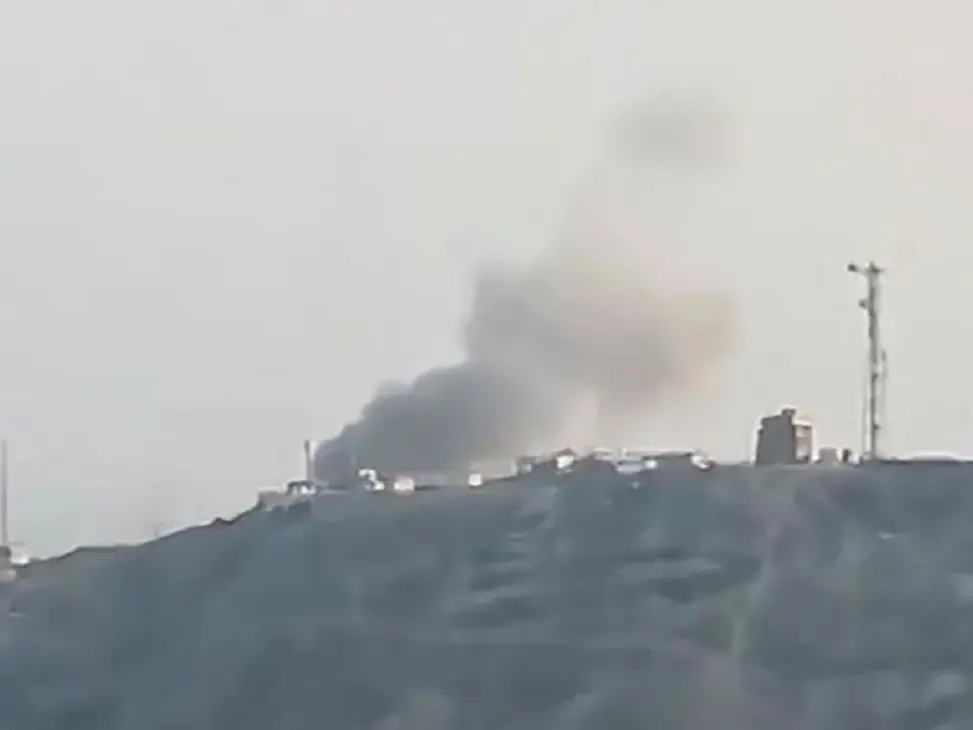
Yemen’s govt says PM, cabinet survived Houthi missile attack on presidential palace in Aden
&imwidth=180&imheight=135&format=webp&quality=medium)
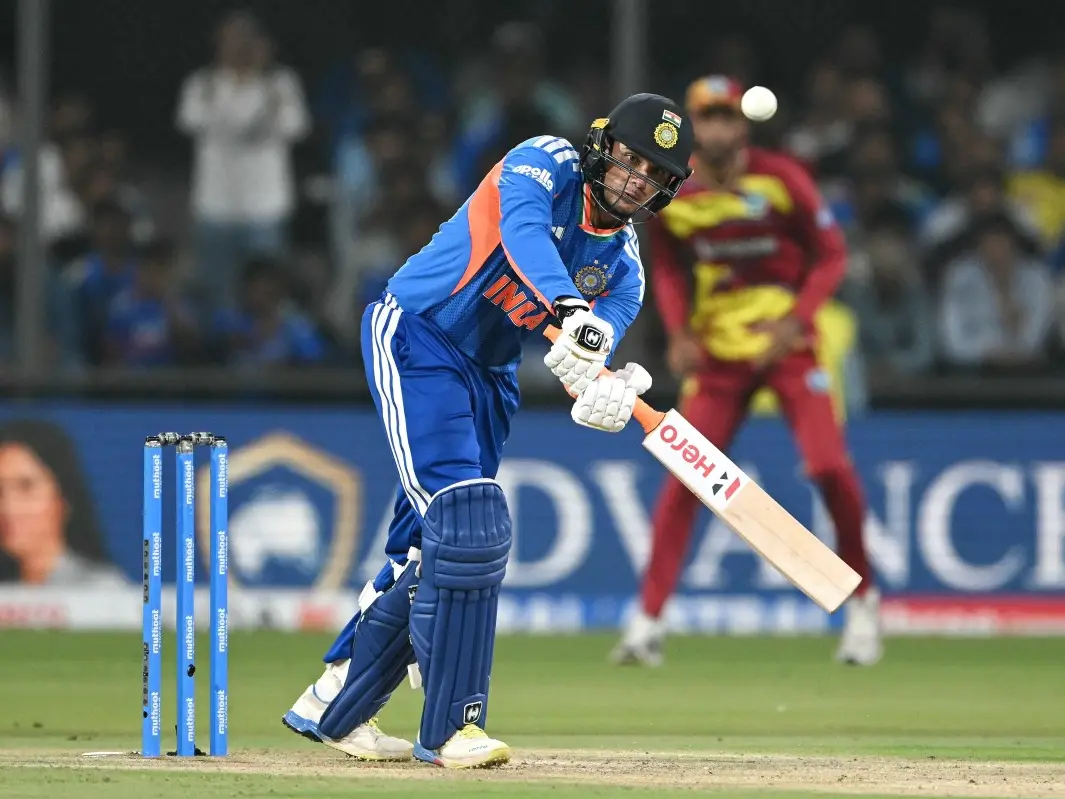
Abhishek Sharma sets all-time record for most T20I sixes in a year
&imwidth=180&imheight=135&format=webp&quality=medium)
India’s naval priorities: Ex-Navy Chief calls for third aircraft carrier, more warships and submarines
&imwidth=180&imheight=135&format=webp&quality=medium)
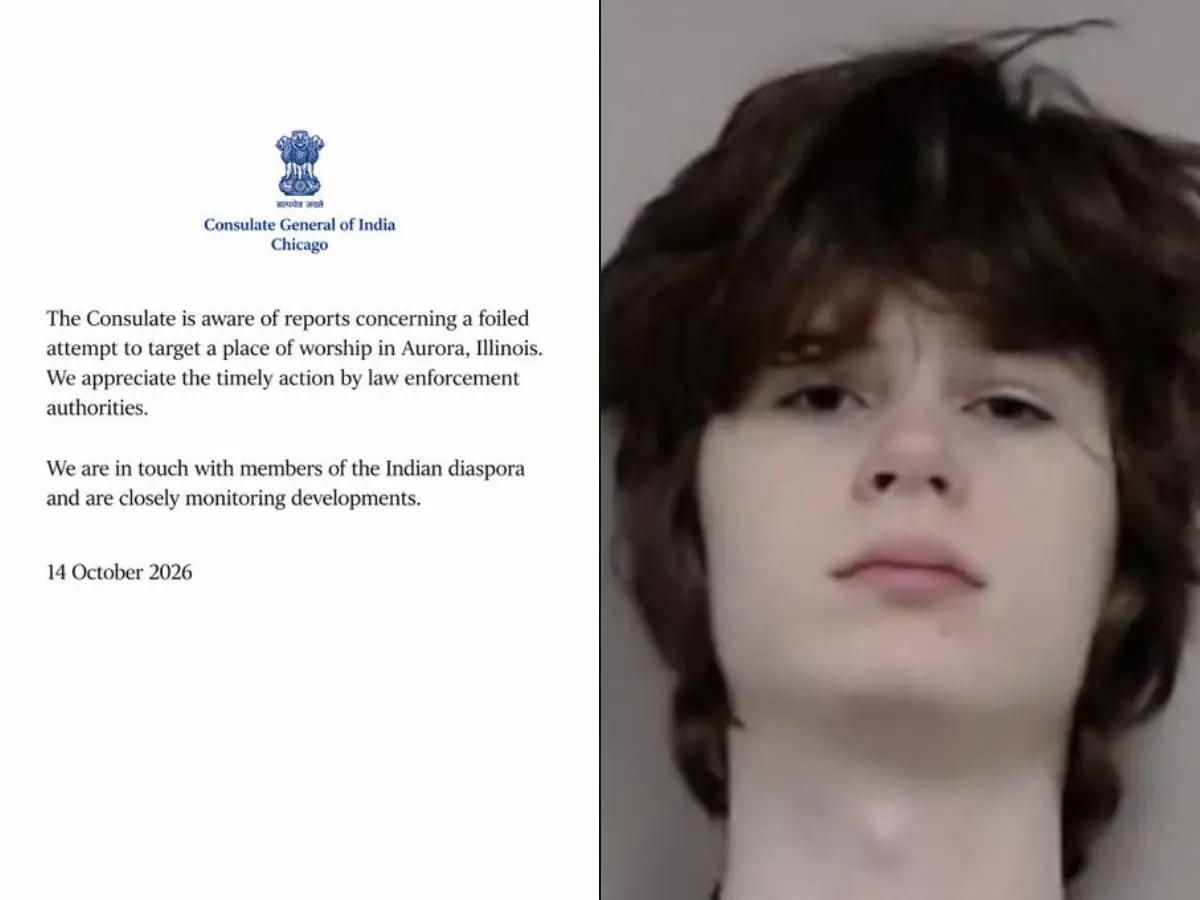
'Troubling pattern of threats': Hindu groups issue advisory after man arrested for alleged plot to target Illinois temple
&imwidth=180&imheight=135&format=webp&quality=medium)
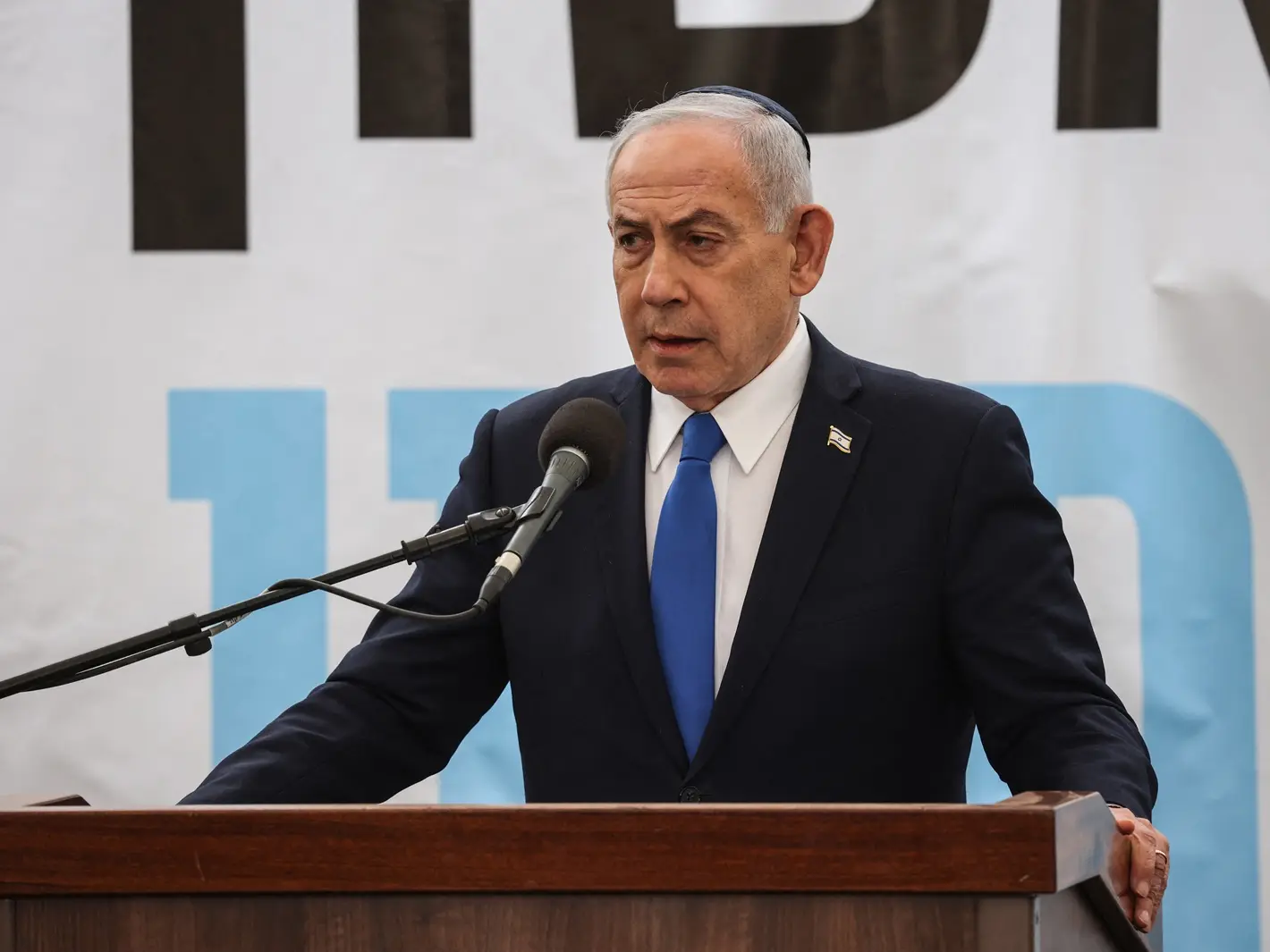
Netanyahu defies Trump, blocks Gaza military base for Board of Peace | Gravitas
&imwidth=180&imheight=135&format=webp&quality=medium)
India to overtake Japan, become 4th-largest economy by 2027? What IMF’s latest projection reveals
&imwidth=180&imheight=135&format=webp&quality=medium)
'White supremacist' terror plot against Illinois Hindu temple foiled by jammed gun: Who is Alexandros Paporakis?
Kim’s nuclear program, though condemned worldwide, has propelled North Korea to the top of the global sanctions list. However, Pyongyang continues to press forward with expanding its missile capabilities and constructing a secret missile base near China’s border, raising concerns about the potential threats it poses to East Asia and the US. As usual, North Korea maintains a shroud of secrecy around its military developments, especially when such high-profile events take place, ensuring that much of what is unveiled remains a closely guarded surprise.

