
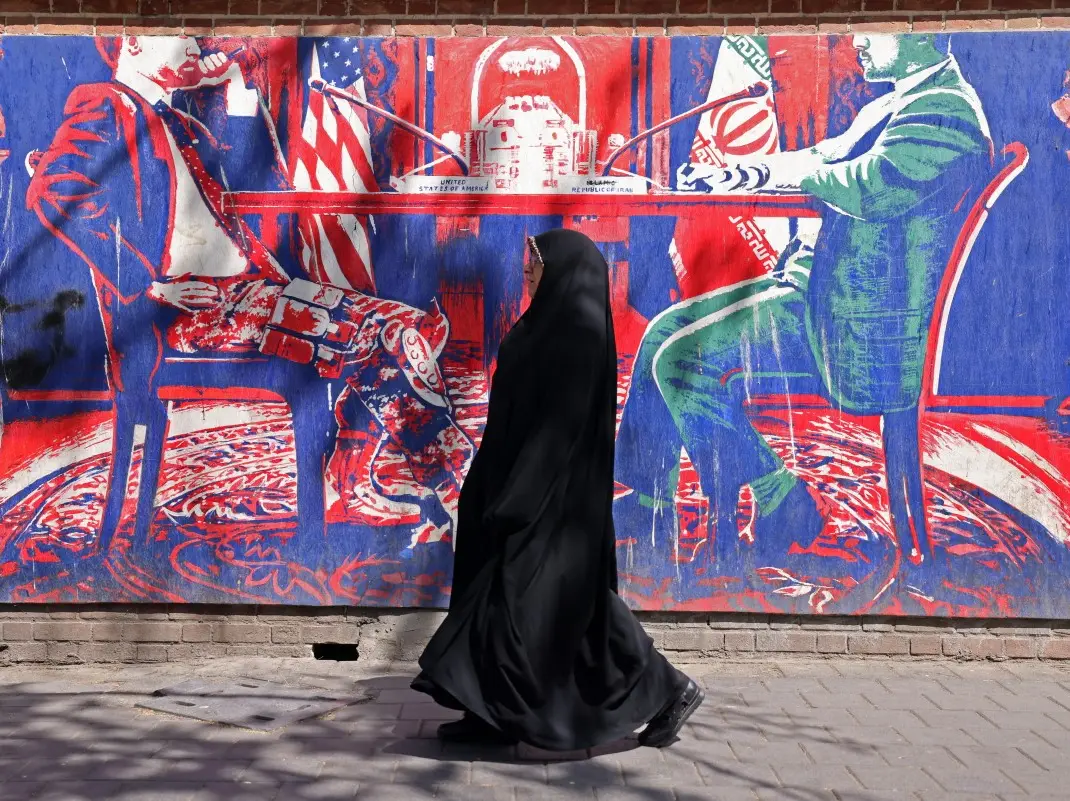
&imwidth=800&imheight=600&format=webp&quality=medium "No deal in Islamabad: How 21 hours of diplomacy could not outlast decades of distrust")
Somewhere in Islamabad on Saturday, two teams of diplomats sat across a table for twenty-one hours. They drank tea, exchanged papers, made phone calls, and argued through the night. And at the end of it all, they walked away with nothing. No deal. No breakthrough. Just a fragile ceasefire that now hangs by a thread — and millions of ordinary families left wondering if the bombs will come back.
That is the brutal arithmetic of the US-Iran talks that collapsed this weekend. And before we get into the political chess, we must sit with that human reality for a moment. This war is now in its seventh week. At least 3,000 people have been killed in Iran. Over 2,000 in Lebanon. Twenty-three in Israel. Homes reduced to rubble. Roads broken. Children are not going to school — not because of holidays, but because of fear. Mothers grieving. Fathers without work. Every day the ceasefire holds is a day those numbers don't climb. Every day it doesn't — they do.
So what went wrong in Islamabad?

Vice President JD Vance led the American side. He kept President Trump on speed dial — calling him six to twelve times during negotiations — while also coordinating with Marco Rubio, Scott Bessent, and Admiral Brad Cooper. By all accounts, the Americans came prepared. Vance said the US team worked honestly, put their best and final offer on the table, and left it there. Now Iran must decide, he said. The language of a man who believes he did his part.
But here is where it gets complicated. Because Iran did not walk away out of stubbornness or theatre. Iran walked away because of memory.
The wound that poisons every US-Iran conversation is 2015. That year, under President Obama, a nuclear deal was carefully negotiated, signed, and celebrated. Three years later, America walked away from it under President Trump. Just like that. Sanctions snapped back. Iran was left holding a deal with no partner. When you have been burned that badly — when you watched a signed agreement dissolve because a new president decided differently — why would you trust the next set of promises? Iran's Foreign Minister Abbas Araghchi said his country came to Islamabad with "deep distrust." That is not a negotiating tactic. That is a scar.
Trending Stories
)
The Early Spring is proof not everyone can talk about their real feelings, and it is perfectly OK
)
UN votes to ‘correct the map’ as India backs fairer world view
)
Nigerian Navy discovers 99,000 litres of suspected stolen, illegally refined products as it intensifies anti-crude oil theft operations
)
Who is Aditi Paudel? 17-year-old becomes Japan's first literacy ambassador
)
Bengaluru: Officials find 40 kg expired chilli at chairman's club
)
Jaishankar rejects trade link to ending Ukraine war
)
Israeli strikes on Lebanon kill three, injure 23 despite truce
)
Alpine glacier was covered with sheep wool sheets to prevent melting. It worked
)
South Korea mulls deploying military assets to Strait of Hormuz
)
World's fifth-largest economy, British army can't afford to train
)
Breaking | Vance takes the podium: First White House briefing since Leavitt's exit
)
Taiwan raises 'concerns' over China's missile test
)
BRICS 2026: $1 trillion sovereign capital set to converge in Delhi for first iBRICS Summit
)
What is Iran's Pickaxe Mountain that Trump has again threatened to bomb?
)
UN votes to correct world map that visually shrank Africa for 450 years
)
Former NewJeans member Danielle launches YouTube channel, hints at new solo journey
)
Bangladesh batter Towhid Hridoy creates history with 350 not out in South Africa
)
Brendan Fraser’s transformation fuels The Mummy 4 excitement as fans welcome back Rick O’Connell
&im=FitAndFill=(700,400))
Krishna Janmashtami 2026: From Dhaniya Panjiri to Makhana Kheer- 5 best sweet dishes perfect for celebrating Lord Krishna’s birth
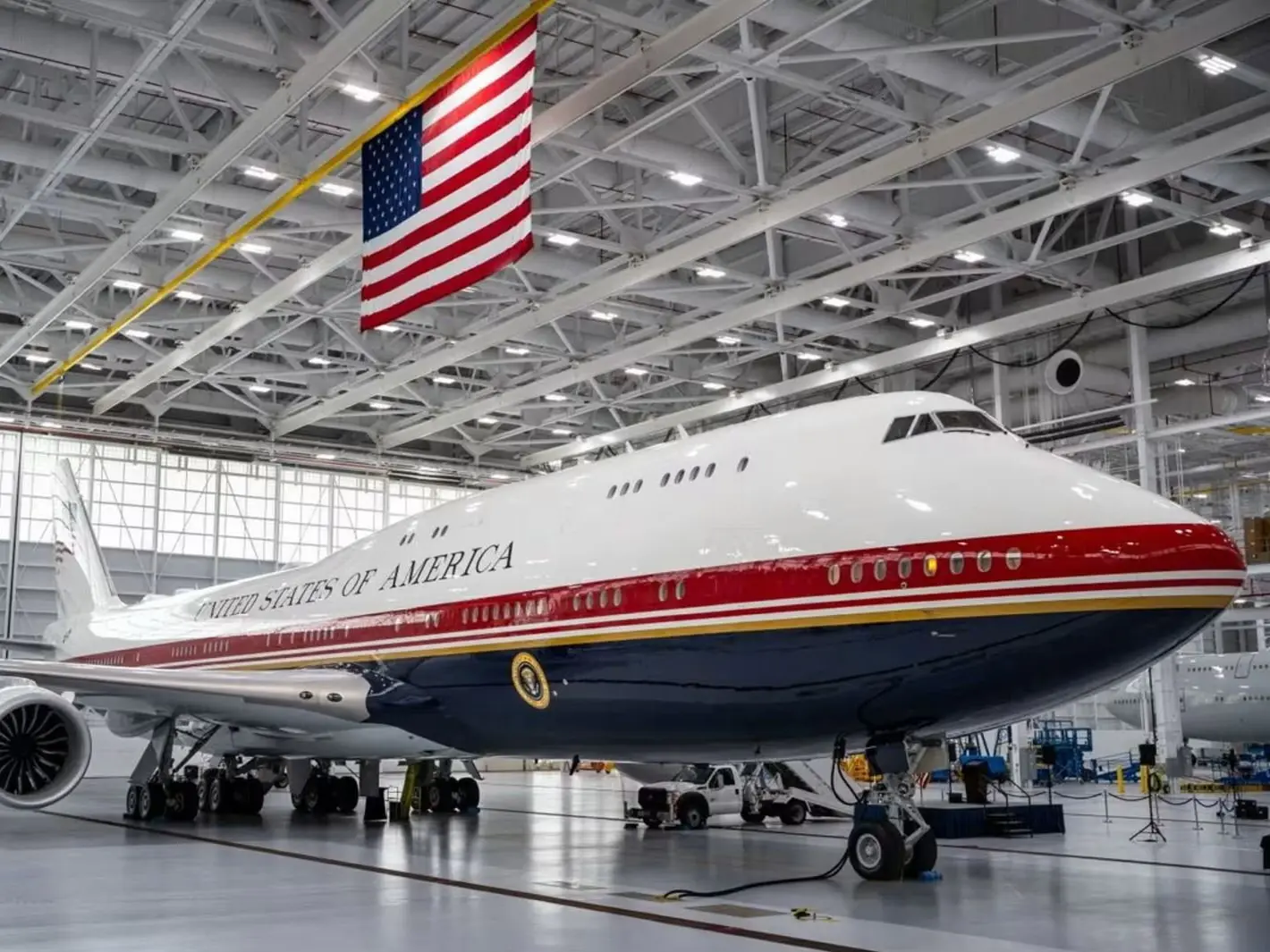)
Donald Trump plans to travel to Ireland on Qatari-donated jet amid security concerns
)
Nazi-looted art to return to Jewish heirs
)
Eight killed in Kerala’s Thrissur after car rams into lorry parked on highway
&im=FitAndFill=(700,400))
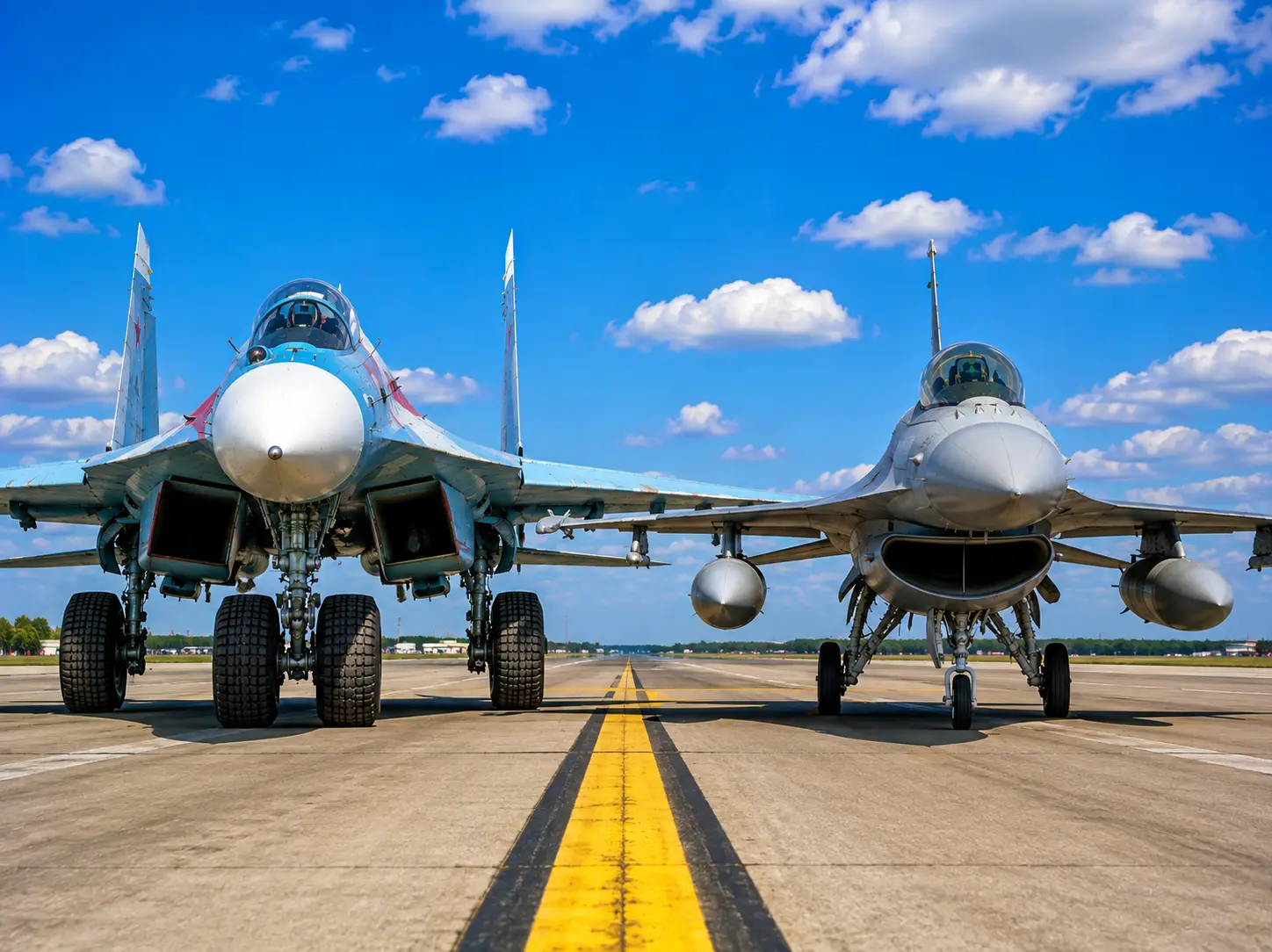
Why Russian fighter jets use bulky, low-pressure tyres compared to US jets
)
FBI-wanted fraud accused arrested in Jalandhar over $600,000 scam
&im=FitAndFill=(700,400))
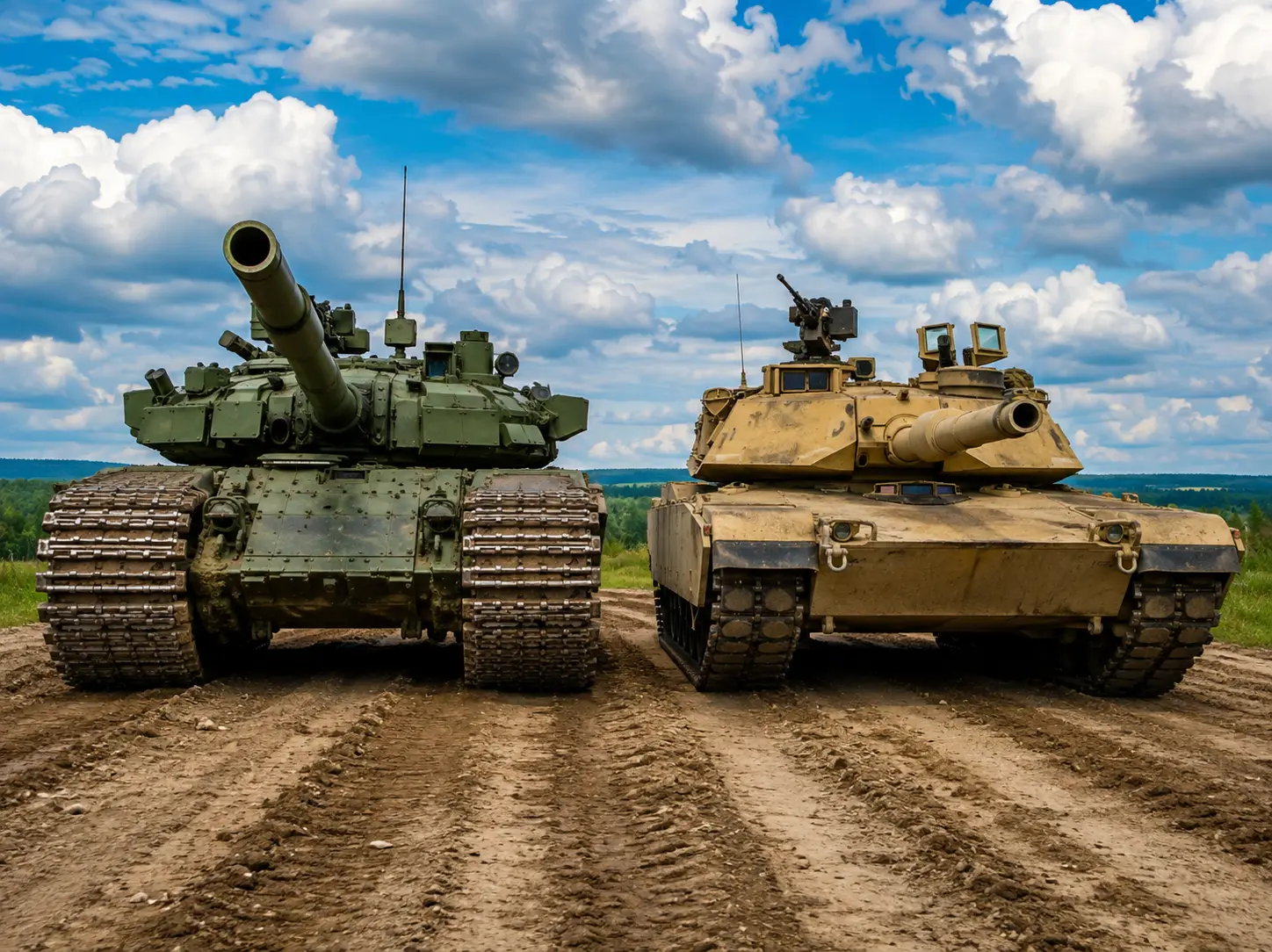
Why US tanks weigh over 20 tons more than Russian tanks
&im=FitAndFill=(700,400))
New Friday OTT releases (September 4, 2026): GDN, Dhamaal 4, Jagamae Sangeetham- Watch 6 new movies and TV shows on Netflix, Prime Video and more
)
Killing the Himalayas slowly: Human urine is melting a glacier on Mount Everest
America, for its part, has a legitimate concern. It wants Iran to stop developing nuclear weapons and close off any fast pathways to building them. That is not an unreasonable demand for a region already at war. But demanding trust from someone you previously betrayed — and offering nothing concrete to address that betrayal — is not diplomacy. It is wishful thinking.
What made the weekend even more telling was what happened in the water while the talks were happening on land. The US Navy sent two destroyer ships into the Strait of Hormuz to begin mine-clearing operations. Admiral Cooper announced that underwater drones would follow. President Trump posted about it on social media, framing it as a gift to the world's oil supply. It is, in diplomatic language, a carrot-and-stick moment — we are talking to you, but we are also showing you what happens if you say no.
The Strait of Hormuz is not just a geography lesson. Normally, one-fifth of the world's oil passes through that narrow channel every single day. Since Iran tightened its grip, that flow has slowed to a trickle — roughly 12 ships a day instead of over 100. Oil prices are up. Fuel costs more. Groceries cost more. The ripple of this war reaches into supermarkets in countries that have never heard a missile.
Iran's red lines in Islamabad were predictable but firm — compensation for damage from earlier strikes, release of frozen assets, an end to attacks on its allies, including Hezbollah, and control over the strait. America's offer focused on capping nuclear development and reopening shipping. The gap between those two positions was not a crack. It was a canyon.
Meanwhile, Israel continued strikes in Lebanon — insisting no ceasefire applies there — pushing the death toll past 2,000. Direct Israel-Lebanon talks are now scheduled for Tuesday in Washington. Lebanon, exhausted and destabilised, needs calm. The wider region is holding its breath.
So where does this go?
Pakistan's Foreign Minister Ishaq Dar has offered to mediate a second round. That matters. Pakistan is one of the few countries to which Iran genuinely listens. A short pause followed by a reset — perhaps with new security guarantees that address Iran's 2015 wound directly — is the only realistic path forward.
The US would be wise to quietly extend the ceasefire while mine-clearing continues, maintaining pressure without triggering fresh conflict. Iran would be wise to hold its red lines but keep one door open — because a closed strait hurts its own people too. Twenty-one hours of talks failed. But the clock has not stopped. Peace is still on the table. Someone just needs the courage to sit back down.
