Musk calls South Africa racist over Starlink block, alleges it happened because he’s ‘not Black’

&imwidth=600&imheight=450&format=webp&quality=medium "Musk calls South Africa racist over Starlink block, alleges it happened because he’s ‘not Black’")
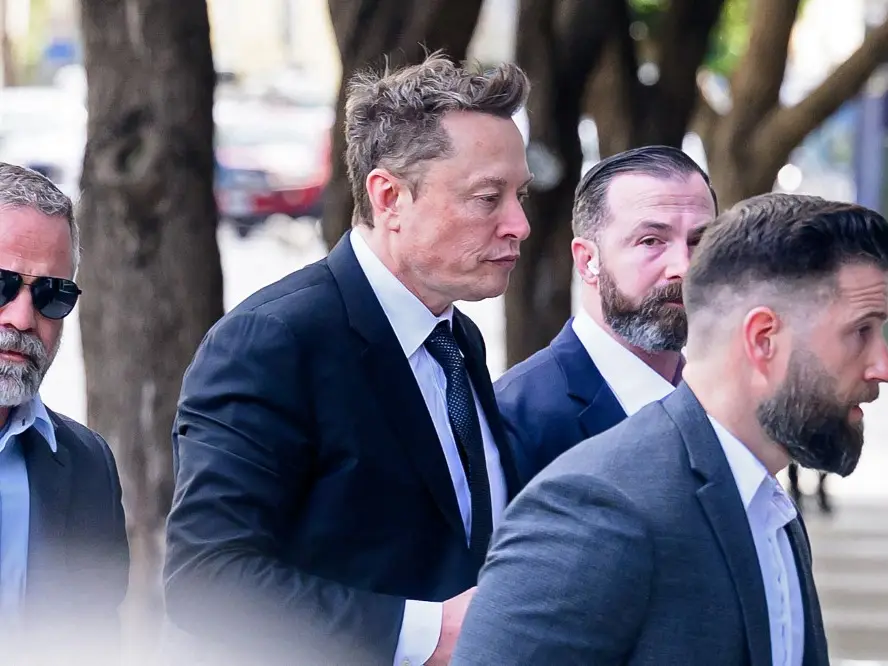
Elon Musk arrives at federal court on March 4, 2026 in San Francisco, California. Photograph: (AFP)
Elon Musk accused South Africa of racism, claiming Black ownership laws block Starlink’s license. The government maintains that compliance with post-Apartheid empowerment policies is mandatory for all foreign firms.
Tech billionaire Elon Musk has launched a sharp attack on South Africa’s race-based ownership laws, claiming they have prevented his satellite internet service Starlink from operating in the country. In a series of posts on X, Musk described the regulations as “openly racist” and alleged that officials had suggested installing a nominal Black executive to secure approval, an offer he said he refused on principle. “South Africa won’t allow Starlink to be licenced, even though I was born there, simply because I am not Black,” he wrote, adding that such policies were “evil” and should face international sanctions.
The dispute centres on South Africa’s Broad-Based Black Economic Empowerment policy, introduced after the end of Apartheid in 1994 to address historical inequalities. Under the framework, companies in sectors such as telecommunications are required to ensure significant participation by historically disadvantaged groups, primarily Black South Africans.
According to a BBC report, telecom operators must typically meet a threshold of around 30 per cent ownership by such groups to qualify for a licence from the Independent Communications Authority of South Africa. Compliance is assessed across ownership, management control and skills development, and failure to meet the criteria can block market entry.
Musk, who was born in Pretoria in 1971, has repeatedly highlighted his South African origins in criticising the policy. He also claimed Starlink had been asked to “bribe” its way into compliance, an allegation not substantiated by authorities.
The South African government has pushed back strongly. Presidential spokesperson Vincent Magwenya said the country would not alter its regulatory framework to accommodate a single company. “There are currently 193 member states in the United Nations. Surely there is good money to be made out of 192 markets. It is okay to move on,” he was quoted as saying by Business Insider Africa.
Trending Stories
&imwidth=280&imheight=210&format=webp&quality=medium)
&imwidth=280&imheight=210&format=webp&quality=medium)
&imwidth=280&imheight=210&format=webp&quality=medium)
&imwidth=280&imheight=210&format=webp&quality=medium)
&imwidth=280&imheight=210&format=webp&quality=medium)
&im=FitAndFill=(700,400)&imwidth=280&imheight=210&format=webp&quality=medium)
&imwidth=280&imheight=210&format=webp&quality=medium)
&imwidth=280&imheight=210&format=webp&quality=medium)
&imwidth=280&imheight=210&format=webp&quality=medium)
&imwidth=280&imheight=210&format=webp&quality=medium)
&imwidth=280&imheight=210&format=webp&quality=medium)
&imwidth=280&imheight=210&format=webp&quality=medium)
&im=FitAndFill=(700,400)&imwidth=280&imheight=210&format=webp&quality=medium)
&imwidth=280&imheight=210&format=webp&quality=medium)
&imwidth=280&imheight=210&format=webp&quality=medium)
&imwidth=280&imheight=210&format=webp&quality=medium)
&imwidth=280&imheight=210&format=webp&quality=medium)
&im=FitAndFill=(700,400)&imwidth=280&imheight=210&format=webp&quality=medium)
&im=FitAndFill=(700,400)&imwidth=280&imheight=210&format=webp&quality=medium)
&imwidth=280&imheight=210&format=webp&quality=medium)
&imwidth=280&imheight=210&format=webp&quality=medium)
&imwidth=280&imheight=210&format=webp&quality=medium)
&imwidth=280&imheight=210&format=webp&quality=medium)
&imwidth=280&imheight=210&format=webp&quality=medium)
&im=FitAndFill=(700,400)&imwidth=280&imheight=210&format=webp&quality=medium)
&imwidth=280&imheight=210&format=webp&quality=medium)
&imwidth=280&imheight=210&format=webp&quality=medium)
&imwidth=280&imheight=210&format=webp&quality=medium)
&imwidth=280&imheight=210&format=webp&quality=medium)
&imwidth=280&imheight=210&format=webp&quality=medium)
&imwidth=280&imheight=210&format=webp&quality=medium)
&imwidth=280&imheight=210&format=webp&quality=medium)
&imwidth=280&imheight=210&format=webp&quality=medium)
&imwidth=280&imheight=210&format=webp&quality=medium)
Clayson Monyela, head of public diplomacy at the Department of International Relations and Cooperation, also rejected Musk’s claims. Quoted by Indy100, he stated that more than 600 US firms operate in South Africa by complying with local laws and insisted that Starlink was welcome, provided it adhered to the rules.
Despite the standoff, Starlink has not yet formally applied for a licence in South Africa, according to the regulator and reports by Bloomberg and Snopes. Instead, the company has been lobbying for changes to the Black Economic Empowerment framework.
In December 2025, Communications Minister Solly Malatsi proposed allowing “equity equivalent investment programmes” as an alternative to the ownership requirement. This would permit foreign firms to invest in local infrastructure and social initiatives rather than transfer equity.
Starlink has indicated it would commit around R500 million to connect 5,000 rural schools to high-speed internet if such provisions are implemented. Similar arrangements have previously been used by multinational firms such as Toyota and BMW in South Africa.
However, the proposal has divided the coalition government. Leaders within the African National Congress have opposed any dilution of empowerment rules. Parliamentary committee chair Khusela Diko reportedly described the directive as unlawful and questioned whether Starlink would follow through on its commitments.
President Cyril Ramaphosa has also defended the policy, stating that calls to scrap Black Economic Empowerment and affirmative action were unrealistic. The row comes amid broader controversy around Musk’s statements on South Africa. He has previously amplified unsubstantiated claims about violence against white citizens, which were echoed by Donald Trump.

