More than 100 US leaders have slaveholding ancestors: Report


US Capitol
A chiseled block of sandstone in theUSCapitol’s visitor center serves as a reminder that the home of the nation’s Congress was built in part by enslaved Black people. A bronze plaque says the stone, originally part of the building’s exterior, “commemorates their important role in building the Capitol.”
Many lawmakers need look no furtherthantheir own family histories to find a muchmorepersonal connection to slavery in America, a brutal system of oppression that resulted in the deadliest conflict inUShistory.
In researching the genealogies of America’s political elite, aReutersexamination found that a fifth of the nation’s congressmen, living presidents, Supreme Court justices and governors are direct descendants ofancestorswho enslaved Black people.

Among 536 members of the last sitting Congress,Reutersdetermined at least100descend from slaveholders. Of that group,morethana quarter of the Senate – 28 members – can trace their families to at least one slaveholder.
Those lawmakers from the 117th session of Congress are Democrats and Republicans alike. They include some of the most influential politicians in America: Republican senators Mitch McConnell, Lindsey Graham, Tom Cotton and James Lankford, and Democrats Elizabeth Warren, Tammy Duckworth, Jeanne Shaheen and Maggie Hassan.
In addition, President Joe Biden and every living formerUSpresident – except Donald Trump – are direct descendants of slaveholders: Jimmy Carter, George WBush, Bill Clinton and – through his white mother’s side – Barack Obama. Trump’sancestorscame to America after slavery was abolished.
)
Nigerian Navy discovers 99,000 litres of suspected stolen, illegally refined products as it intensifies anti-crude oil theft operations
)
Who is Aditi Paudel? 17-year-old becomes Japan's first literacy ambassador
)
What are the challenges Congo is facing in containing Ebola outbreak?
&im=FitAndFill=(700,400))
Why US tanks can spin their heavy turrets much faster than Russian tanks
)
Bolivia turns to crypto amid dollar crunch
)
‘Major escalation’: Zelensky accuses Russia of targeting SBU chief’s office
)
Women's Asia Cup 2026: India's Smriti Mandhana is now best batter ever in women's cricket
)
South Korea mulls military deployment in Hormuz amid Trump’s pressure
)
Breaking | Vance takes the podium: First White House briefing since Leavitt's exit
)
Indian agencies uncover hawala, shell firms and fake trade used to hide illicit money, FATF says
)
Indian Air Force pilot Abhinandan Varthaman, who shot down Pak fighter jet retires, takes up private job
)
Bangladesh batter Towhid Hridoy creates history with 350 not out in South Africa
)
Brendan Fraser’s transformation fuels The Mummy 4 excitement as fans welcome back Rick O’Connell
)
‘Thank you for your friendship’: Meloni thanks PM Modi for wishes as she sets Italy’s postwar record
)
Missed Vikrant Massey in Mirzapur: The Movie? Here’s what the actor has to say about the film
&im=FitAndFill=(700,400))
Krishna Janmashtami 2026: From Dhaniya Panjiri to Makhana Kheer- 5 best sweet dishes perfect for celebrating Lord Krishna’s birth
)
EAM Jaishankar: Russia-Ukraine conflict is a war ‘without winners’
)
Lindsay Clancy murder trial: Tensions rise as juror disputes over 'reasonable doubt' as verdict remains elusive
)
‘I wouldn’t call it a war,’ says JD Vance on ongoing conflict with Iran
)
Iran's army conducts drone & missile attack on US bases
)
Husband uses secret camera to record wife’s affair, wins divorce case, ends up in jail for spying
)
Russia-Ukraine truce in sight? Trump sends US envoys with 'peace plan'; Zelensky offerst emporary ceasefire
&im=FitAndFill=(700,400))
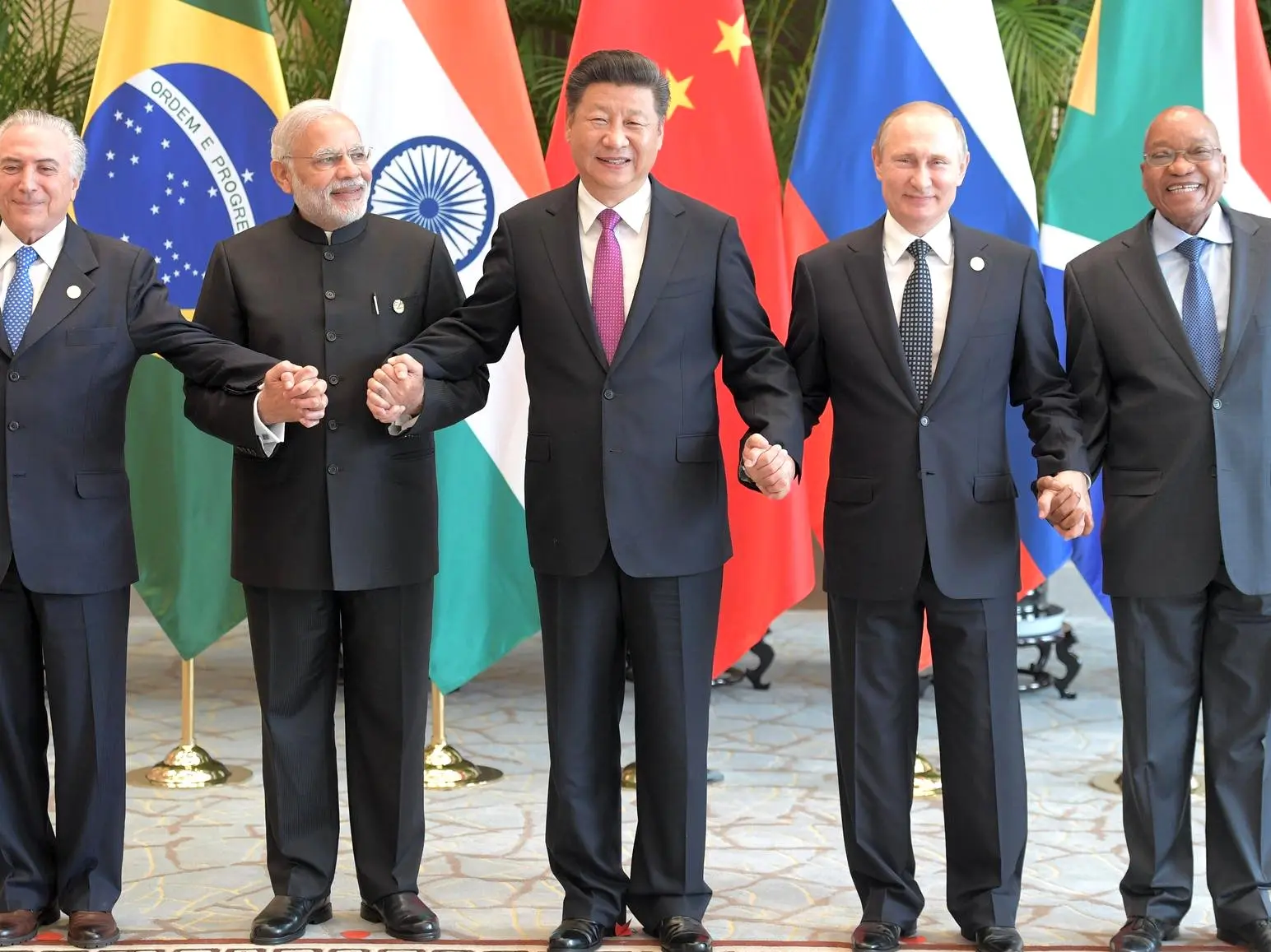
BRICS by numbers: Global GDP share, trade share, intra-BRICS settlement volumes and NDB disbursements — All you need to know
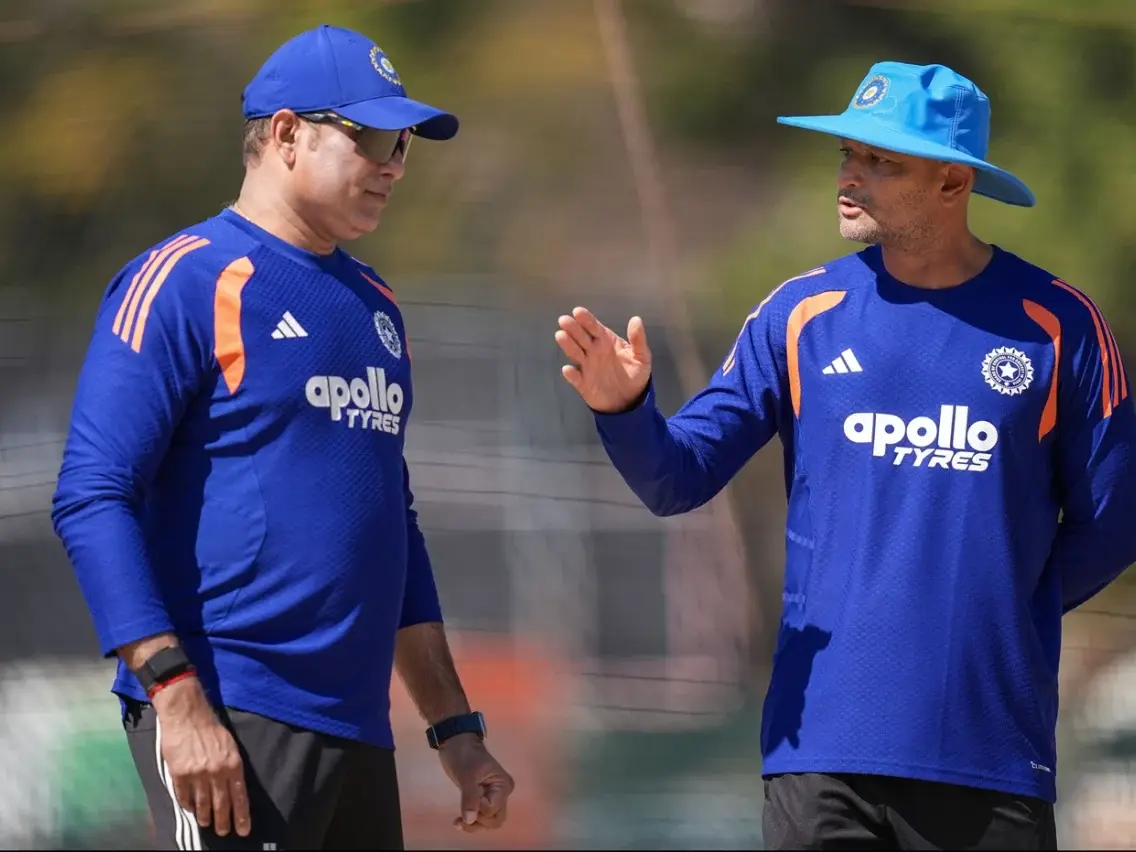)
Asian Games 2026: VVS Laxman back as India men's head coach for Shreyas Iyer-led side
&im=FitAndFill=(700,400))
Why Russian fighter jets use bulky, low-pressure tyres compared to US jets
&im=FitAndFill=(700,400))
Why US tanks weigh over 20 tons more than Russian tanks
)
Mirzapur: The Movie X review: ‘Peak Mass Entertainer', netizens praise Pankaj Tripathi and Ali Fazal's thriller
&im=FitAndFill=(700,400))
New Friday OTT releases (September 4, 2026): GDN, Dhamaal 4, Jagamae Sangeetham- Watch 6 new movies and TV shows on Netflix, Prime Video and more
)
Iran attacks US bases in Kuwait & UAE, supersecret missile project in focus | Gravitas
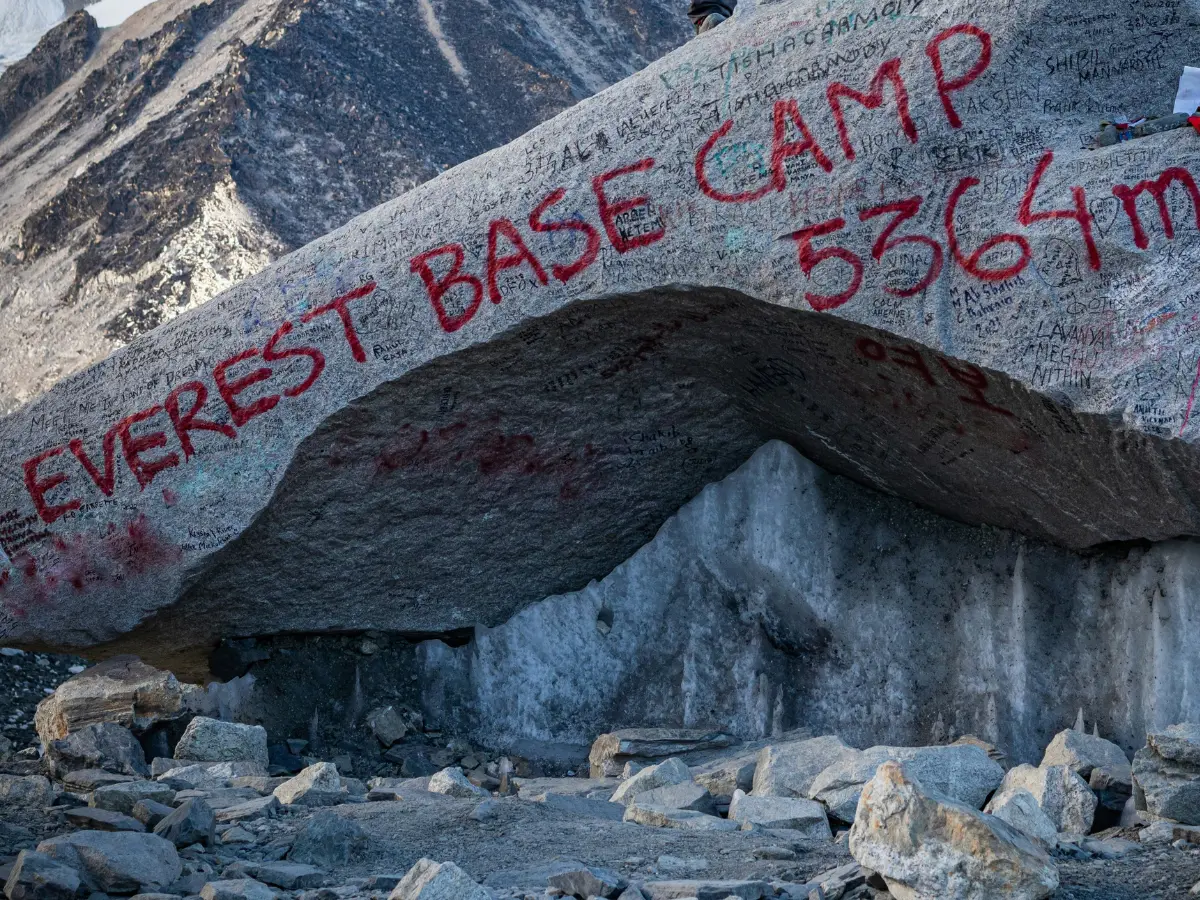)
Killing the Himalayas slowly: Human urine is melting a glacier on Mount Everest
Two of the nine sittingUSSupreme Court justices – Amy Coney Barrett and Neil Gorsuch – alsohavedirectancestorswho enslaved people.
None of the 118leadersidentified byReutersdisputed the findings that at least one of theirancestorshad enslaved people, but few were willing to discussthe subject: Only a quarter of those identified as havingslaveholdingancestorsoffered any comment toReuters.
Representative Julia Brownley, a Democrat from California, was among those who did offer comment afterReutersemailed her a document about her ancestor Jesse Brownley. According to the 1850 census, her forebear enslaved three people in Portsmouth, Virginia. One was an 8-year-old girl.
“It wasa profound thing to learn,” Brownley toldReuters. “When I was told that my great-great-grandfather had two slaves and a child slave that hit me really to the very core.”
Brownley grew up in Virginia. When desegregation came to the public schools in her town, she said, her parents enrolled her in an all-white girls boarding school three hoursfrom home. Her world widened when she studied political science and history at Mount Vernon College, a women’s school that later merged with George Washington University, allowing her to meet a broader range of people, including a Black roommate.
"I think it's important for each member of Congress, in terms of their heritage, it is important for them to know that and bend into it,” she said. “We, as policymakers, members of Congress, we want to move our country forward to sort of thatmoreperfect union, if you will. But we can't do that without knowing the scars in our history as well. And wehaveto know that and believe in the truths. And that's the way we can formulate better policy."
TheReutersexamination reveals how tied America remains to the institution of slavery, said board-certified genealogist LaBrenda Garrett-Nelson, who worked withReutersto review its reporting.
"I really believe, especially with respect to thisReutersproject, that some of the notables whose genealogies we reviewed will pause and think about what it means that they, again, were kind of indirect beneficiaries of slavery. It wasn't something that just happened 200 years ago. You are a direct descendant of someone who benefited from this institution and that it could influence their perspective, especially the people who are currently involved in policymaking,” Garrett-Nelson said
To trace the lineages of the political elite,Reutersjournalists assembled tens of thousands of pieces of information contained in thousands of pages of documents. They analyzedU.S. census records, including antebellum tallies of enslaved people known as “slave schedules,” as well as tax documents, estate records, family Bibles, newspaper accounts, and birth and death certificates. The records – in some cases, family wills that show enslaved human beings bequeathed along with feather beds and farm animals – provide a visceral link between today’s decision makers and slavery. In doing so, they expand upon the antiseptic story conveyed by the sandstone monument in the Capitol’s visitor center.
For Representative Gregory Meeks, a Black congressman who represents a district in Queens, New York, the search for hisancestorscontinues. The top Democrat on the House Foreign Affairs Committee, Meeks said in an interview that he has spent years trying to trace his family history back before 1870.
He found the birth certificate of his grandfather, a man born right after emancipation. The information it gives for that man’s father – Meeks’ great-grandfather – was enslaved, Meeks said.
Meeks said he talks about family heritage with his white congressional colleagues, both publicly and privately.
“Sometimes it does boil up on the committee, particularly, say if we're talking on financial services and we're talking about erasing the wealth disparities, access to capital, being able to move forward. Yes, I speak up and talk about it in very vivid terms to try to explain the perspective of me and America back then and how if we acknowledge that and how if we move forward to try to erase that and make sure that we're letting folks catch up, that we're having and we willhavea better America," Meeks said.
About 15 years ago, Meeks said, he took a DNA test that showed his family came from the Mende people of Sierra Leone. Last year, he led a congressional delegation to Africa. In Sierra Leone, the lawmakers stopped at Bunce Island, a former slave-trading port.
He said visiting the port was the most emotional moment for him of the trip and allowed him to reflect on hisancestors’ struggle.
“As I closed my eyes, I could just imagine what was taking place at that time, as I was standing on that island. And so it was both tears and joy. Joy that I'm here. Tears that myancestorshad to go through, what they had to go through,” he said. “Tears and joy."
You can now write for wionews.com and be a part of the community. Share your stories and opinions with us here.
WATCH WION LIVE HERE