Masoud Pezeshkian: Iran's heart-specialist president is single dad who stood for Mahsa Amini


Iranian president-elect Masoud Pezeshkian waves during a campaign event in Tehran, Iran, July 3, 2024
Masoud Pezeshkian, Iran's sole reformist candidate in the snap presidential election, has emerged from relative obscurity to become the ninth president of the Islamic republic. The elections were made necessary after President Ebrahim Raisi's death in a plane crash a month ago.
Also read |Iran elections: One reformist, three Khamenei loyalists to battle it out in June 28 polls
Pezeshkian, 69, secured approximately 53.6 per cent of the vote in a runoff election against the ultraconservative Saeed Jalili.

Also read |Iran delivers reformist verdict as cardiac surgeon Pezeshkian wins hearts in presidential elections
In the first round of Iran's snap elections on June 28, Pezeshkian led the polls against three other conservative candidates, surprising critics and admirers alike.
&imwidth=180&imheight=135&format=webp&quality=medium)
I.N.D.I.A. Bloc lists 10 requests to Supreme Court
&imwidth=180&imheight=135&format=webp&quality=medium)
Pakistan's government blames PTI for rise of terrorism in Khyber Pakhtunkhwa
&imwidth=180&imheight=135&format=webp&quality=medium)
Sidhu Moose Wala’s younger brother wins hearts by recreating late singer’s signature move at Toronto Hologram Show
&imwidth=180&imheight=135&format=webp&quality=medium)
Robotic surgery, advanced treatment: What is coming to this small Gujarat town?
&imwidth=180&imheight=135&format=webp&quality=medium)
Girl 'dead' for 8 hours wakes up at her own funeral, dad insists she wasn't breathing
&imwidth=180&imheight=135&format=webp&quality=medium)
Opposition’s 10 demands in Supreme Court petition range from stay on SIR to audit of voter rolls
&imwidth=180&imheight=135&format=webp&quality=medium)
‘This is just the start’: Maaya Rajeshwaran on historic ITF title, confidence boost and future goals
&imwidth=180&imheight=135&format=webp&quality=medium)
'I am thoroughly unamused': Judge slams Trump administration after 400 trees cut at Washington golf course
&imwidth=180&imheight=135&format=webp&quality=medium)
'Almost certainly': UK Prime Minister Andy Burnham says Iran's IRGC behind RAF Fairford threat
&imwidth=180&imheight=135&format=webp&quality=medium)
1,500 drones illuminate Mumbai sky as Cordelia Cruises unveils second ship, Cordelia Sky
&imwidth=180&imheight=135&format=webp&quality=medium)
Houthis warns US of 'painful response' if Washington joins Saudi war in Yemen as airlines suspend flights to Saudi Arabia
&imwidth=180&imheight=135&format=webp&quality=medium)
India's Ajit Doval, Iran's Mohsen Rezaei hold talks amid escalating West Asia tensions, discuss 'issues of mutual interest'
&imwidth=180&imheight=135&format=webp&quality=medium)
Rahul Gandhi's plea against Election Commission delayed as Supreme Court registry flags 14 ‘defects’
&imwidth=180&imheight=135&format=webp&quality=medium)
China’s gold rush puts billion in focus
&imwidth=180&imheight=135&format=webp&quality=medium)
Is the AI chip boom already over? Global semiconductor stocks slide as investors question unbridled spending
&imwidth=180&imheight=135&format=webp&quality=medium)
'Turn approver, resign, we'll forgive you': Rahul Gandhi claims receiving messages from CEC Gyanesh Kumar
&imwidth=180&imheight=135&format=webp&quality=medium)
UK school ditches technology, shifts from screen to pen and paper for learning
&im=FitAndFill=(700,400)&imwidth=180&imheight=135&format=webp&quality=medium)
Navratri 2026: 9 days, 9 forms of Goddess Durga and 9 colours- Check the complete list
&imwidth=180&imheight=135&format=webp&quality=medium)
Delhi protest: CJI Surya Kant declines to meet India Bloc leaders
&imwidth=180&imheight=135&format=webp&quality=medium)
Anti-SIR protest in Mumbai: Protestors wear black masks & ribbons in Mumbai
&imwidth=180&imheight=135&format=webp&quality=medium)
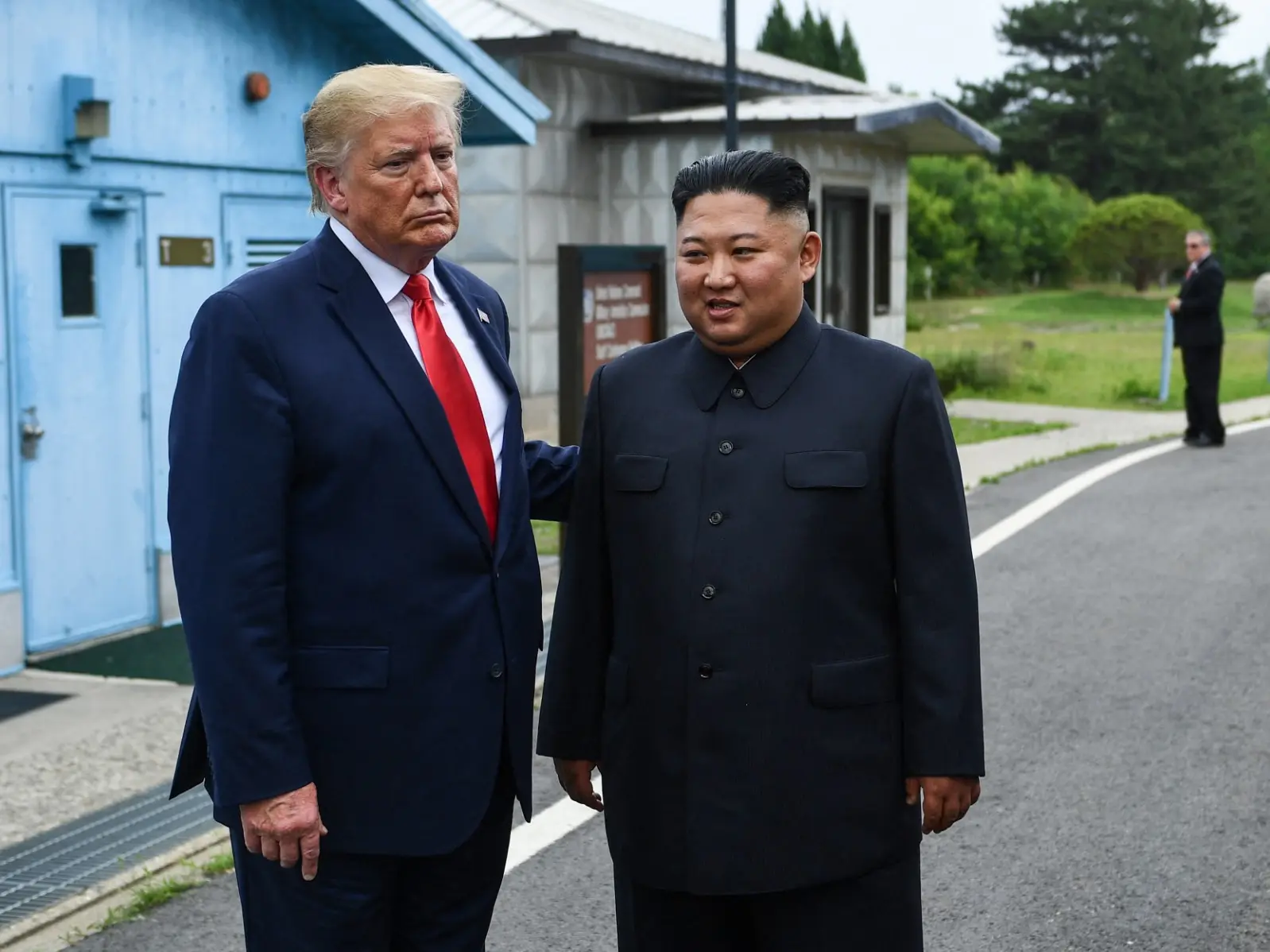
Trump says he 'may' meet North Korean leader Kim Jong Un during upcoming Asia trip
&imwidth=180&imheight=135&format=webp&quality=medium)
Congress demands action against chief election commissioner
&imwidth=180&imheight=135&format=webp&quality=medium)
UK PM Andy Birnham renews claims of Russian meddling in Brexit vote
&imwidth=180&imheight=135&format=webp&quality=medium)
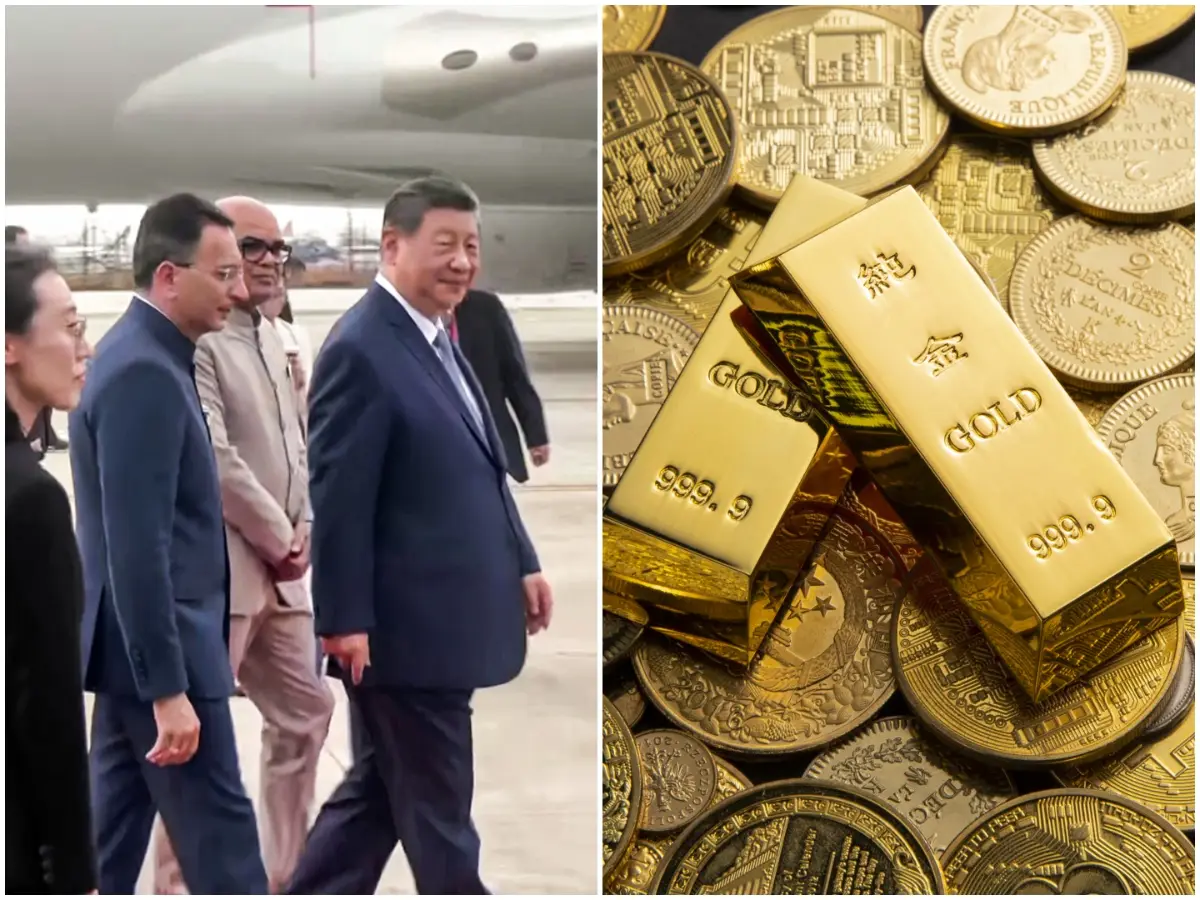
New Cold War: Why is China buying more gold? Explained
&imwidth=180&imheight=135&format=webp&quality=medium)
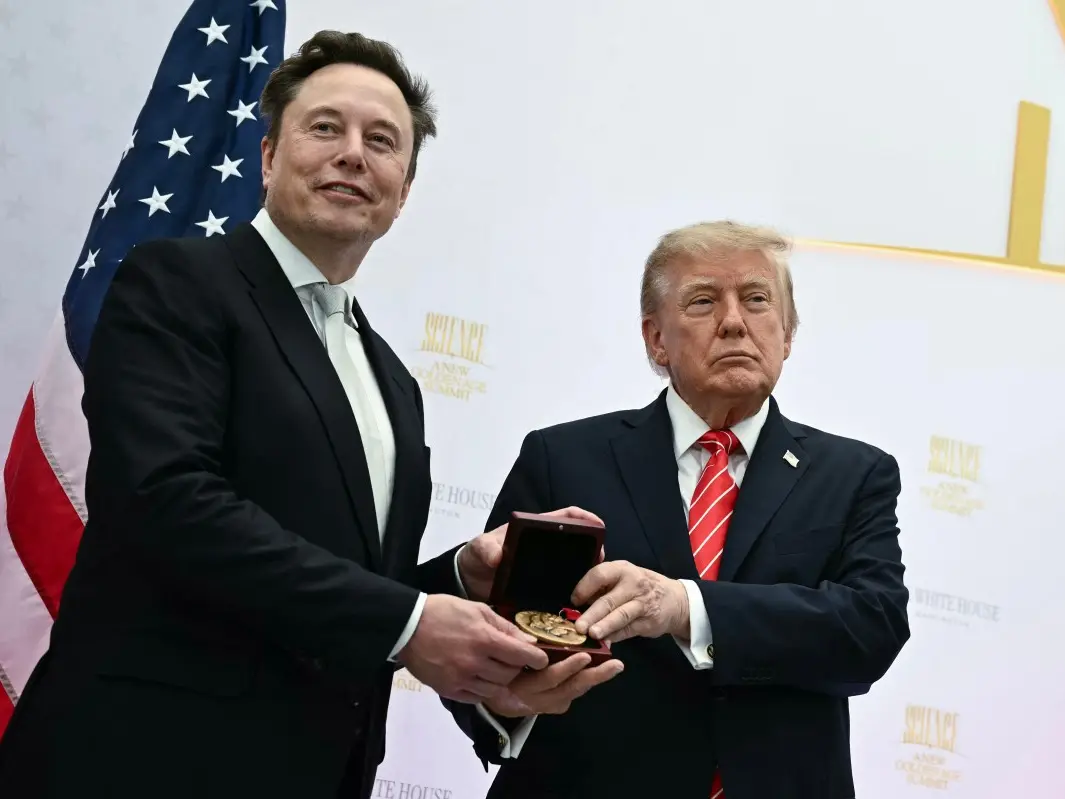
Elon Musk pumps $276 million into Republican campaigns ahead of US midterm elections
&imwidth=180&imheight=135&format=webp&quality=medium)
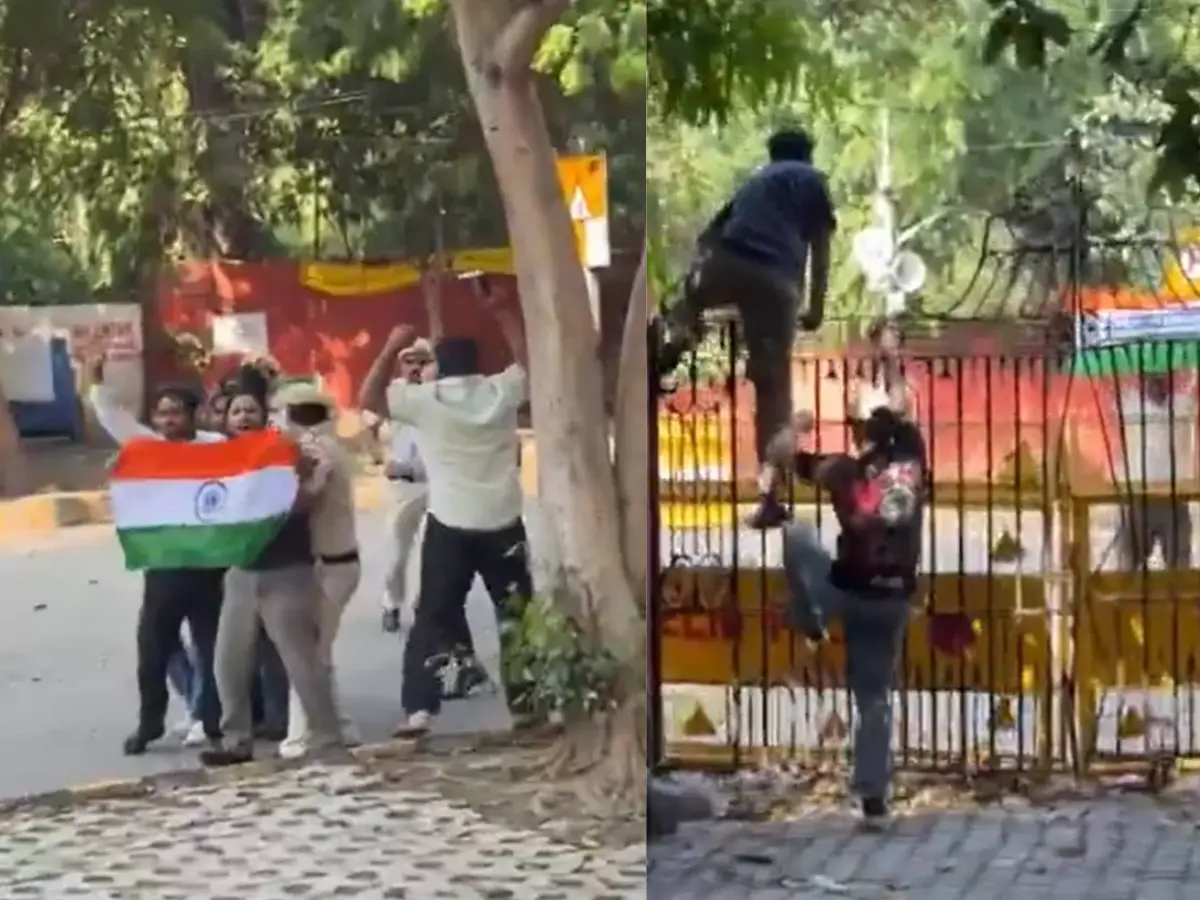
‘Fortress breached, reclaimed’: CJP leaders enter Jantar Mantar a day after loss of protest venue status | WATCH
&imwidth=180&imheight=135&format=webp&quality=medium)
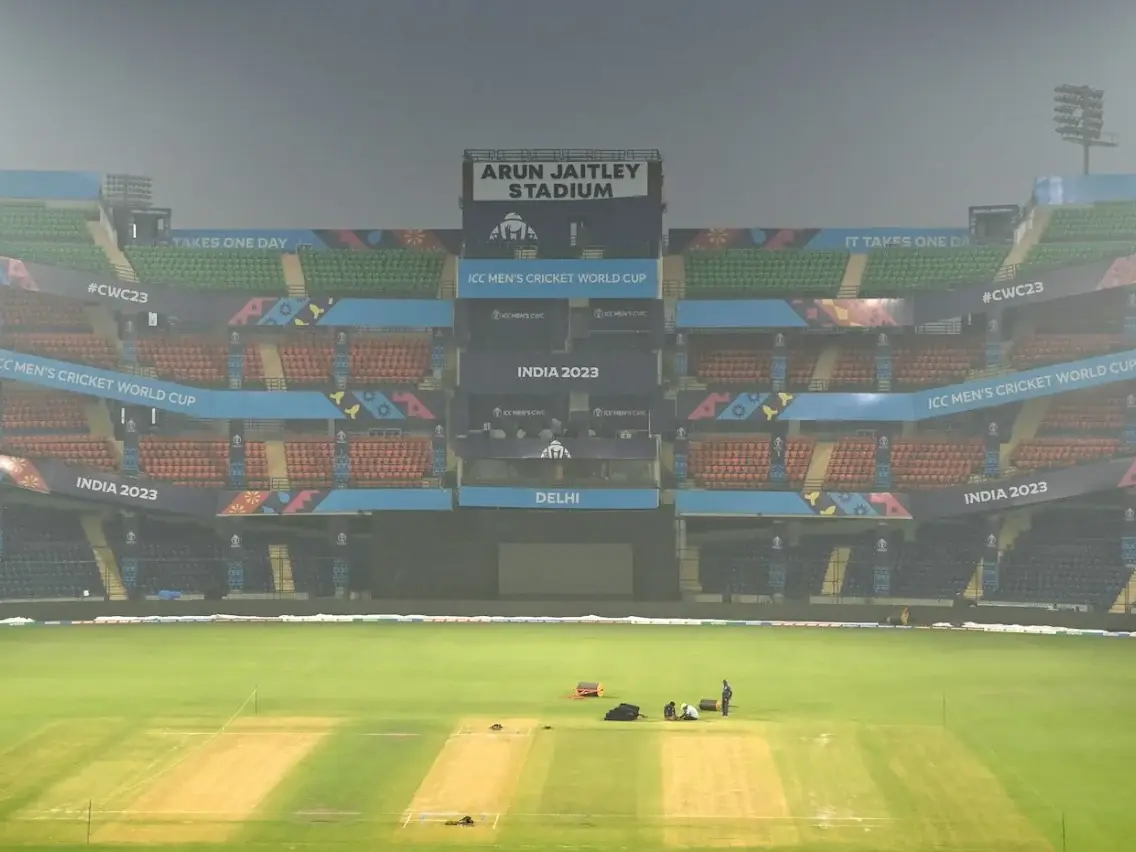
BCCI rejects venue shift reports, India vs Sri Lanka 1st ODI to remain in Delhi
&imwidth=180&imheight=135&format=webp&quality=medium)
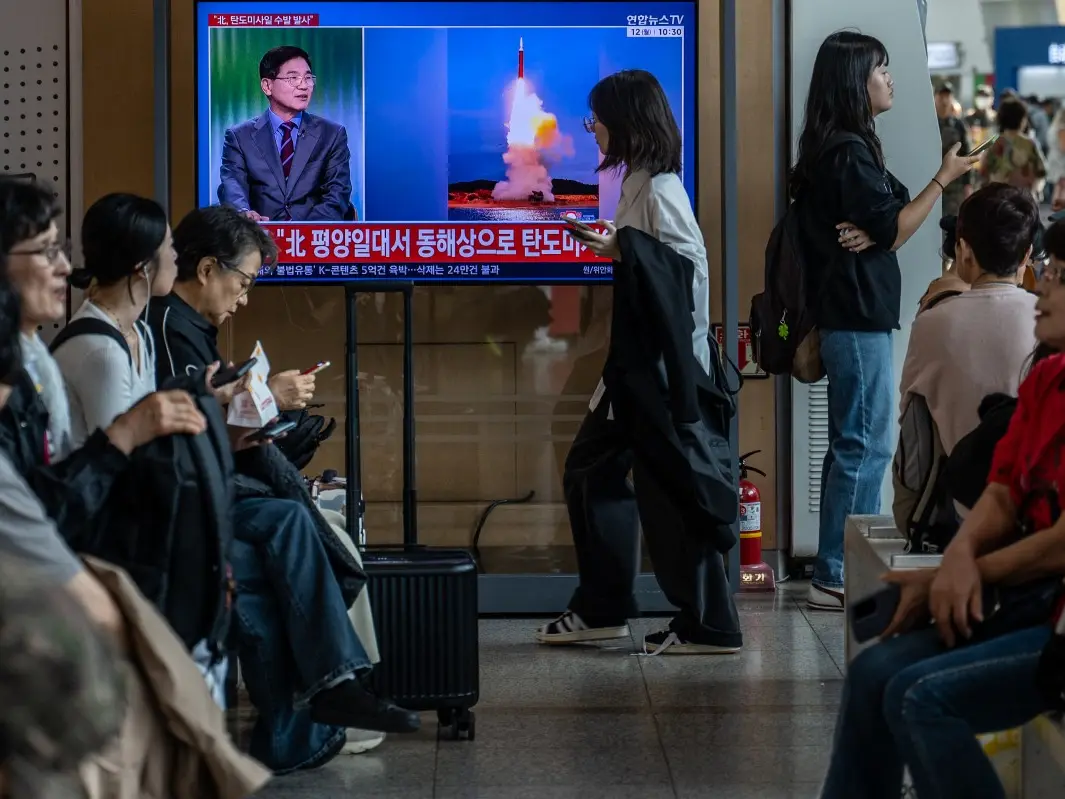
Korean peninsula tensions escalate as North Korea launches multiple ballistic missiles, PACOM says 'no threat to US personnel'
&imwidth=180&imheight=135&format=webp&quality=medium)
'Absolutely disgusting': Australia slams US plan to livestream Nidal Hasan's execution; Mike Johnson raises concerns, warns of terrorist propaganda
&imwidth=180&imheight=135&format=webp&quality=medium)
'Ouch!!! That must hurt': Kangana Ranaut hails Kamal Haasan's sharp reply to Elon Musk over Starlink row
&imwidth=180&imheight=135&format=webp&quality=medium)
Trump weighs firing Kimberly Guilfoyle as US ambassador to Greece amid misconduct allegations: Report
&im=FitAndFill=(700,400)&imwidth=180&imheight=135&format=webp&quality=medium)
New OTT releases this week (October 12-18, 2026): Sacrifice, Koffee with Karan S9, Roadies Rebirth- 6 titles coming on Netflix, JioHotstar and more
&im=FitAndFill=(700,400)&imwidth=180&imheight=135&format=webp&quality=medium)
How does a robot decide what to do next?
&imwidth=180&imheight=135&format=webp&quality=medium)
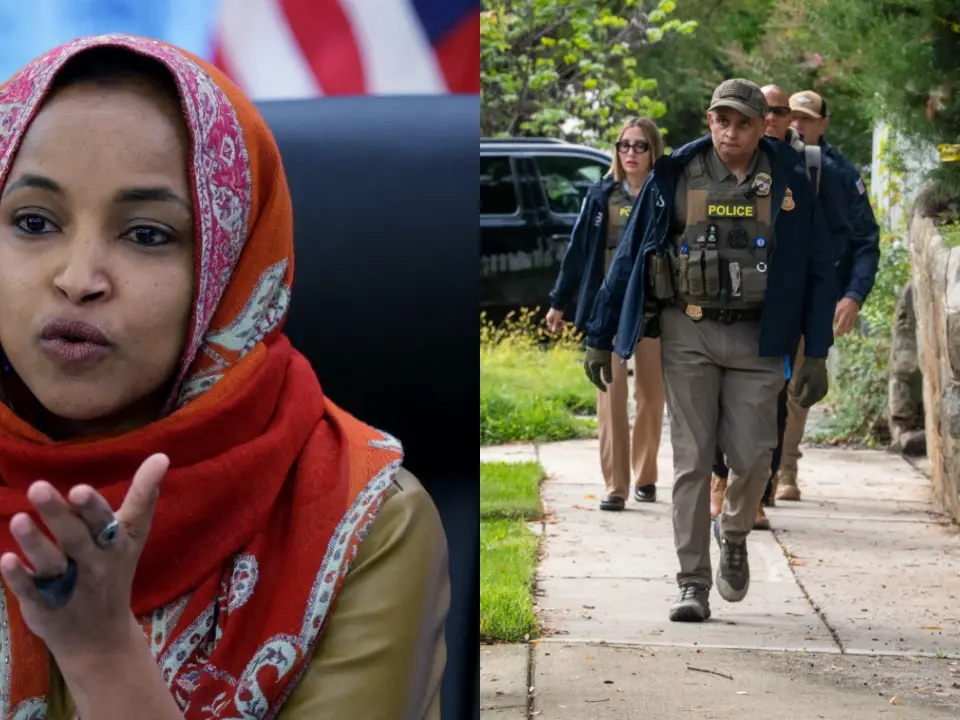
'I will not be silenced': Ilhan Omar alleges political intimidation after federal officers search her Washington home
&imwidth=180&imheight=135&format=webp&quality=medium)
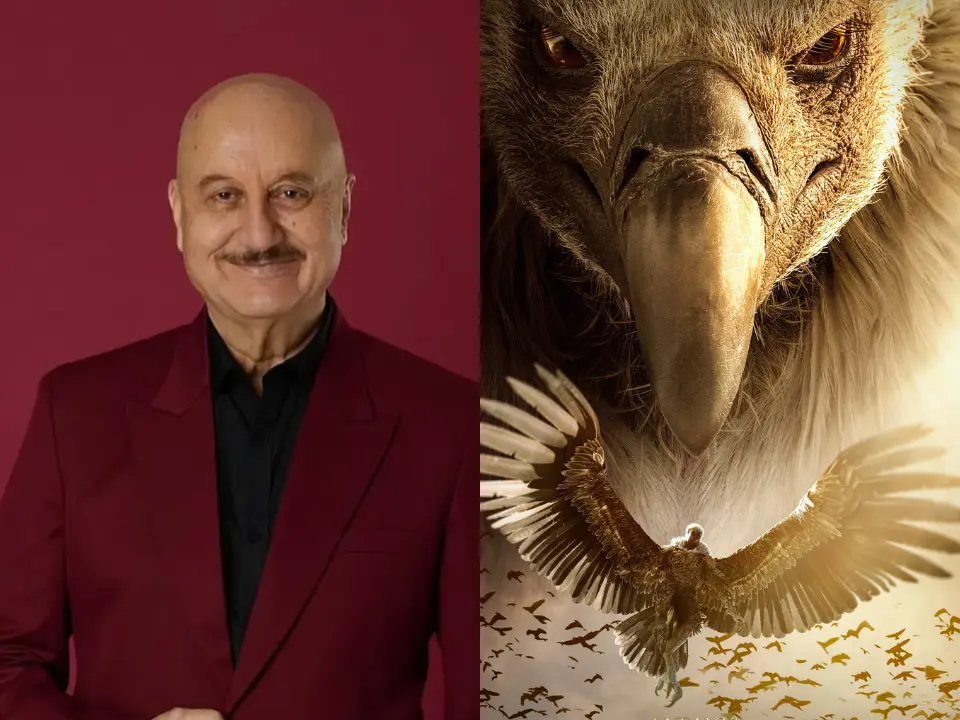
Anupam Kher joins Ranbir Kapoor's Ramayana as Jatayu, new poster unveiled
Pezeshkian's victory has reignited the hopes of Iran's reformists after years of conservative and ultraconservative dominance.
"The difficult path ahead will not be smooth without your companionship, empathy, and trust. I extend my hand to you," Pezeshkian said in a post on X, after previously stating he would "extend the hand of friendship to everyone" if he won.
The outspoken heart surgeon publicly criticised Ebrahim Raisi's government over its handling of the death of Iranian Kurd Mahsa Amini, who was arrested for allegedly violating the Islamic republic's strict dress code for women.
In a post on X, he called on authorities to "set up an investigation team" to examine the circumstances of her death.
During his recent campaign, he maintained his stance, criticising the enforcement of mandatory hijab laws which require women to cover their head and neck in public since shortly after the 1979 Islamic revolution.
Also watch |Iran election 2024: Reformist Pezeshkian wins presidential runoff election, defeating Jalili
"We oppose any violent and inhumane behavior towards anyone, notably our sisters and daughters, and we will not allow these actions to happen," he said.
He also promised to ease internet restrictions and involve ethnic minorities in his government.
Pezeshkian was born in 1954 to an Iranian father of Turkic origin and a Kurdish mother in Mahabad, a city in the northwestern province of West Azerbaijan.
He has represented Tabriz in Iran's parliament since 2008, served as health minister in Khatami's government, and oversaw medical teams during the Iran-Iraq war from 1980 to 1988.
In 1993, Pezeshkian lost his wife and one of his children in a car accident. He never remarried and raised his remaining three children—two sons and a daughter—on his own.
Campaigning for Pezeshkian was Mohammad Javad Zarif, Iran's former foreign minister who helped secure the landmark 2015 nuclear deal with world powers, which collapsed three years later during Donald Trump's presidency.
Pezeshkian has called for reviving the accord—which aimed to curb Tehran's nuclear activity in exchange for sanctions relief—to bring Iran "out of isolation."
"If we manage to lift the sanctions, people will have an easier life while the continuation of sanctions means making people's lives miserable," he said during a televised interview.
Pezeshkian will be responsible for implementing state policy outlined by Supreme Leader Ayatollah Ali Khamenei, who holds ultimate authority in the country.