&imwidth=800&imheight=600&format=webp&quality=medium "Lawrence Bishnoi extradition to US: Easier said than done? What the bilateral treaty says, and how the process works")
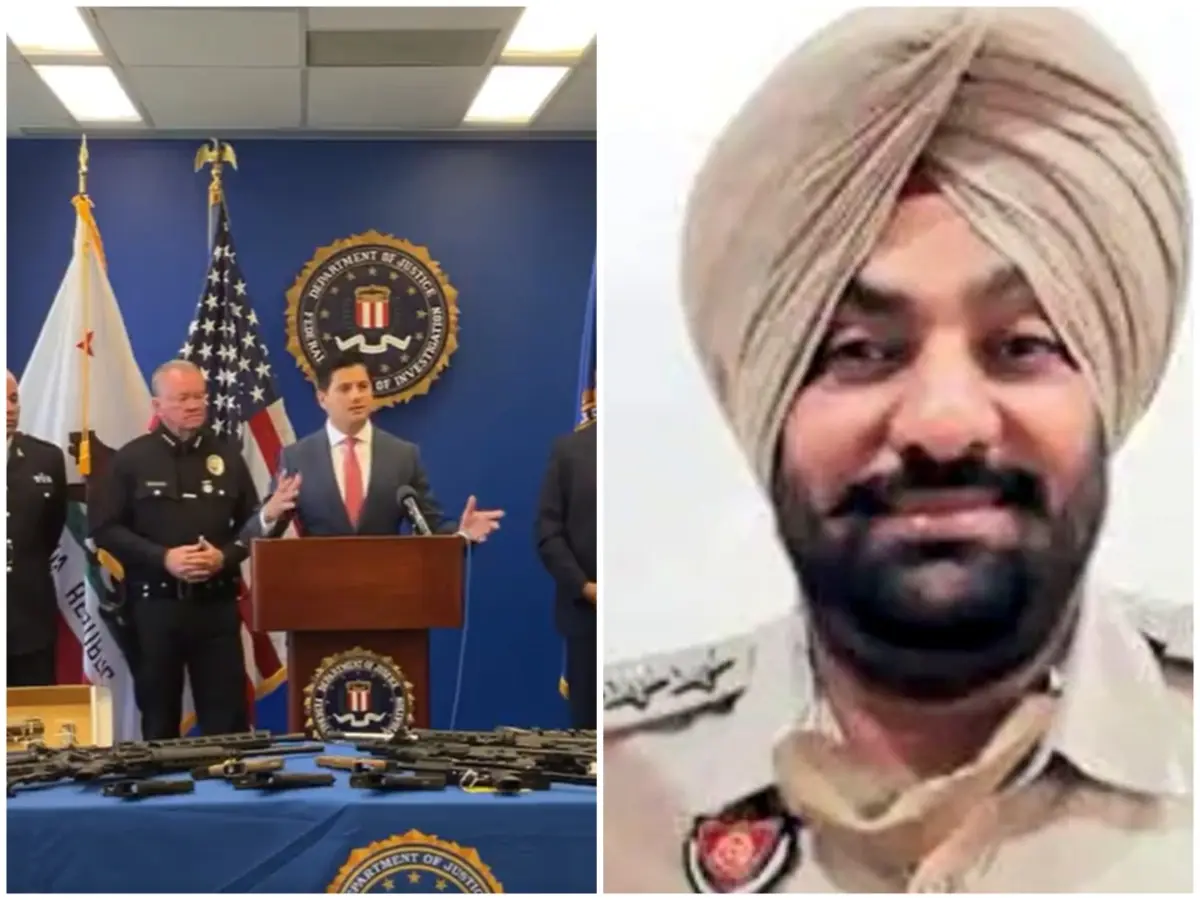
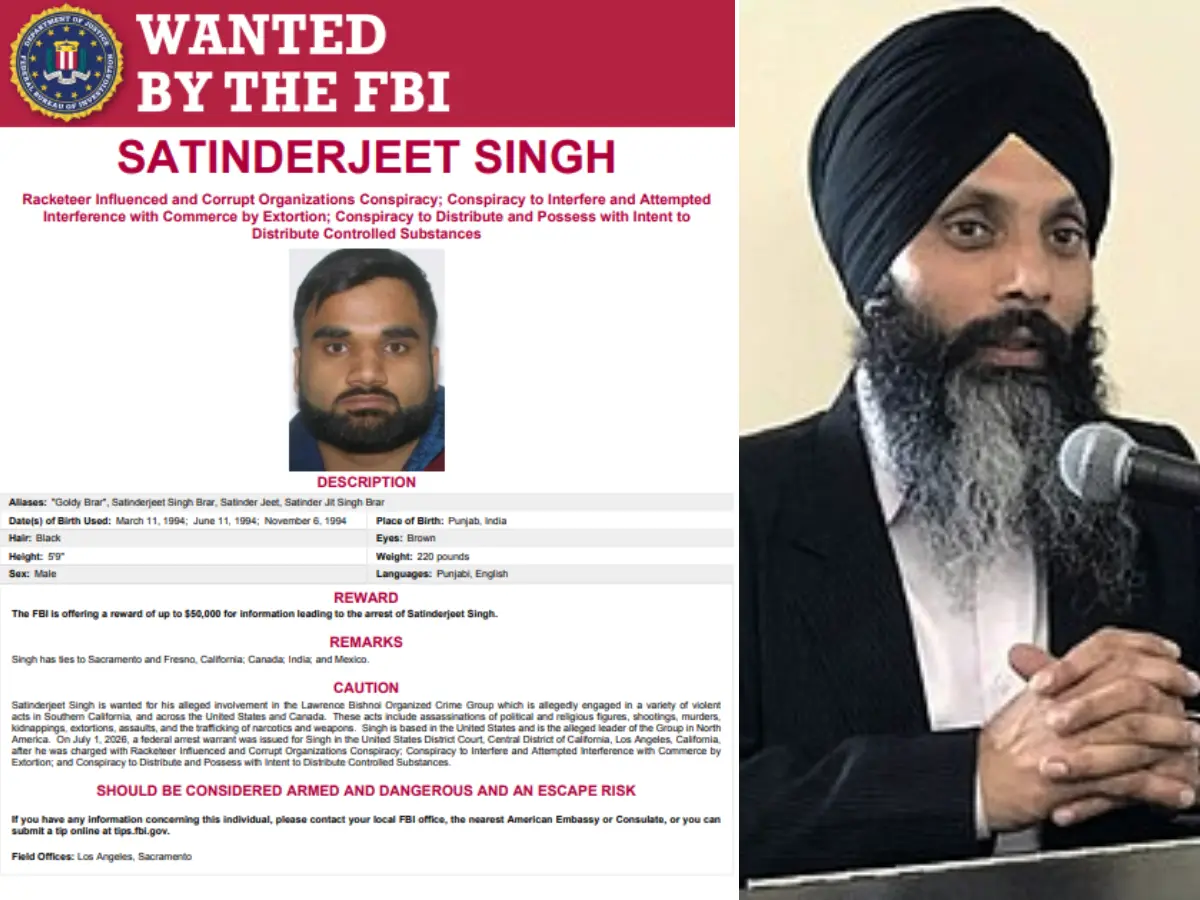
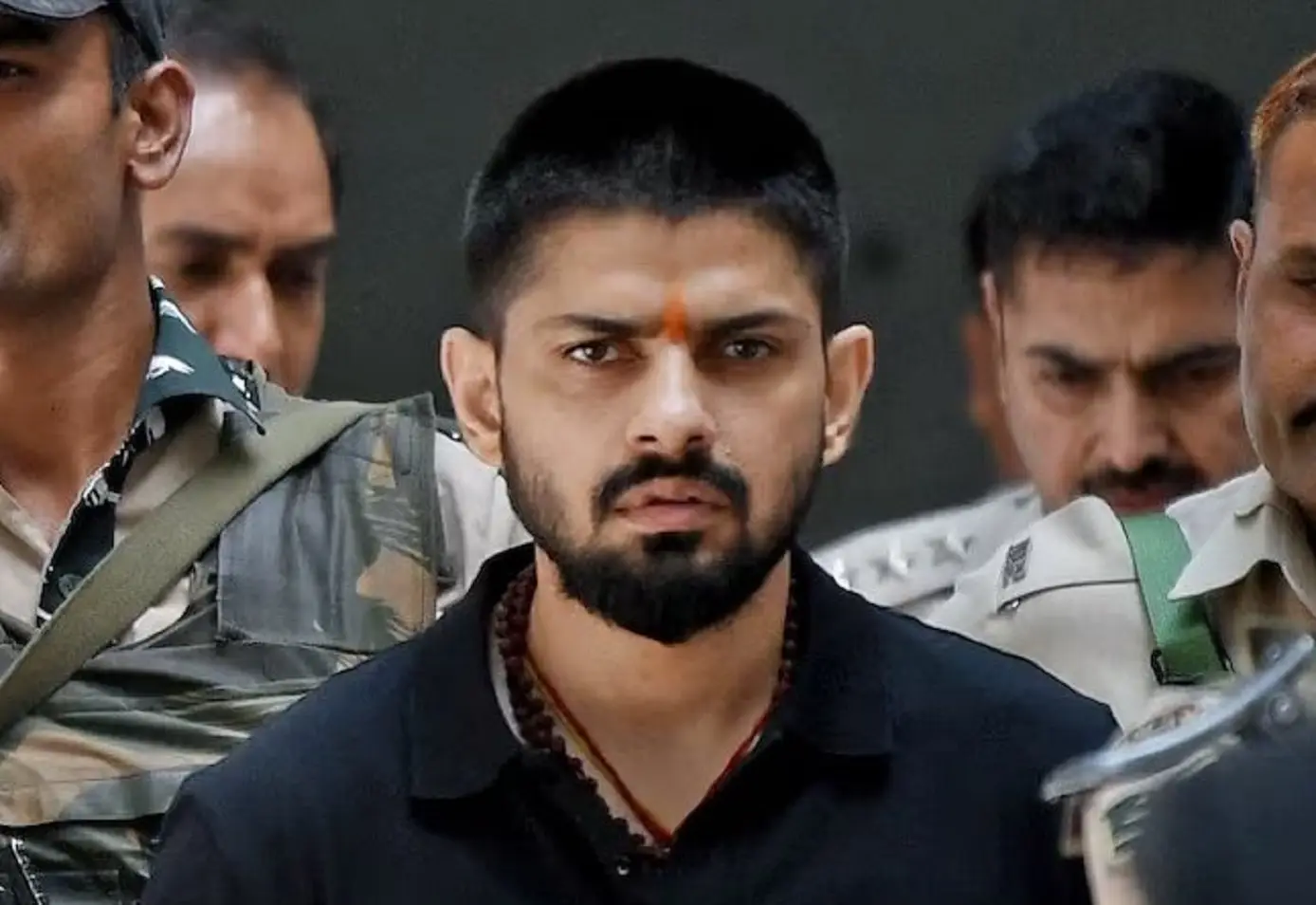
The United States has indicted Indian gangster Lawrence Bishnoi and his associates under the Racketeer Influenced and Corrupt Organizations (RICO) Act on charges including murder, extortion, drug trafficking, and alleged links to the killing of Hardeep Singh Nijjar in Canada. The RICO Act targets organised criminal enterprises engaged in offences such as murder, extortion, fraud, and drug trafficking, and carries a maximum penalty of up to 20 years' imprisonment for each count. US authorities are expected to seek Bishnoi's extradition from India, where he is currently lodged in Sabarmati Central Jail in Gujarat. The development brings the India-US extradition treaty into focus and recalls the challenges India faced in securing the extradition of Tahawwur Hussain Rana and its unsuccessful attempts to bring David Coleman Headley (Daood Gilani) to India. While the treaty provides a legal framework for extradition, the process is often lengthy and complex, with its success depending on factors such as the quality of evidence presented, approval by Indian and US courts, competing criminal proceedings, and the principle of dual criminality. Here is a lowdown:
The extradition treaty between India and the United States
Signed in 1997, the India-US Extradition Treaty entered into force in 1999, replacing the 1931 UK-US Extradition Treaty that had previously applied to British India. The treaty applies mainly to serious crimes such as terrorism, organised crime, financial fraud, and drug offences. It applies to persons who are formally accused, charged, or convicted of an extraditable offence in the requesting country. An extraditable offence is one that is punishable under the laws of both countries by imprisonment for more than one year or by a more severe penalty.

The principle of dual criminality
The treaty does not prohibit the extradition of a country's own nationals. The dual criminality principle means that the offence for which extradition is sought must be recognised as a crime in both jurisdictions, although the exact legal classification or terminology does not have to be identical. The treaty covers not only the commission of offences but also attempts, conspiracy, aiding and abetting, and participation in organised criminal activity.
Trending Stories
)
Nigerian Navy discovers 99,000 litres of suspected stolen, illegally refined products as it intensifies anti-crude oil theft operations
)
Man pushes Russian humanoid robot. Watch what happens next
)
Coast Guard jet carrying DHS Secretary Markwayne Mullin makes emergency landing after engine failure
&im=FitAndFill=(700,400))
How the Su-30MKI flies up to 8,000 kilometres using mid-air refueling
)
Trump says he’s ‘happy’ Harry and Meghan left US , calls them disrespectful
)
Chaos in Ukraine's Kyiv: Zelensky calls shootout between spy services 'absolutely shameful'
)
Harry Potter and the Philosophers' Stone: New trailer reveals fresh look at Hogwarts, sorting ceremony and iconic moments to life
)
2,000 pairs of underwear buried in Switzerland revealed something startling
)
Pakistan faces growing hunger crisis amid rising food insecurity
)
Belgium, latest EU state cautioned by India over arms for Pakistan; gets assurances from Brussels
)
Houthis target Yemen with ballistic missiles, Yemeni army downs several drones
)
No selfies with God, no reels inside: Tamil Nadu CM bans smartphones in temples | Gravitas
)
Indian Air Force pilot Abhinandan Varthaman, who shot down Pak fighter jet retires, takes up private job
)
Report: Egypt eyes new Rafale F4 deal amid air force modernisation push
)
Rubio on Modi-Pezeshkian meeting: 'No country should help Iran evade sanctions'
)
WION Exclusive: Hasina says she reads father’s unfinished memoir while planning Dhaka return
&im=FitAndFill=(700,400))
Why the Su-30MKI uses a giant air brake on its back instead of its wings
)
‘This is real’: Hegseth’s post on Canadian military woman sparks controversy
)
Bangladesh batter Towhid Hridoy creates history with 350 not out in South Africa
)
Republican Senator Thom Tillis calls on Trump to fire Pete Hegseth over his 'inept management' of military
)
Beginning of the end? More glacial lake outbursts threaten millions in India, Nepal and China
)
Is Trump ending Iran war? 'Operation Fury' naming ends, Hegseth extends troop plan to 2027 as prez appears tired ahead of midterms
)
Trump suggests renaming Strait of Hormuz to ‘Trump Strait’
)
Pakistanis are eating less. What they are eating instead is even more alarming
)
Nepal floods: 1,204 dead, 4,216 missing as tearful relatives pray for the missing
)
EU and NATO step up pressure on Russia after Germany ‘escalation incidents’
)
Husband uses secret camera to record wife’s affair, wins divorce case, ends up in jail for spying
)
At least 2 killed in Minneapolis shooting, suspect also dead
)
Manipur violence: 25 houses torched in Manipur’s Kangpokpi a day after 10 homes were burnt along Imphal-Tamenglong road
)
US Mint releases $1 coins featuring Donald Trump, priced up to $154.50
&im=FitAndFill=(700,400))
Why the glass canopy on the Su-30MKI has a distinct golden tint
)
India to host inaugural 2027 Women's Champions Trophy across Mumbai and Vadodara
Exceptions and grounds for refusal
In practice, extradition is often more complicated because of the treaty's exceptions and safeguards, which includes political and human rights considerations. Both countries may refuse extradition for political offences. Extradition may also be denied if the individual could face the death penalty without adequate assurances that the sentence will neither be imposed nor carried out. Other recognised grounds for refusal include double jeopardy, expiry of the limitation period where applicable, insufficient evidence, or failure to satisfy the treaty's requirements.
The treaty also contains the rule of specialty, under which an extradited person may be prosecuted only for the offences for which extradition was granted and nothing more, unless the requested country consents otherwise. It also prohibits the person's re-extradition to a third country without the consent of the country that surrendered them.
How does the extradition process work?
Extradition requests are made through diplomatic channels and must be supported by relevant documents, including arrest warrants, a statement of facts, details of the alleged offences, and the applicable legal provisions. The requested country is responsible for arresting the individual and conducting judicial proceedings to determine whether the treaty's requirements have been met. In India, extradition requests are examined by the Ministry of External Affairs and the Ministry of Home Affairs before being placed before a magistrate, who conducts an inquiry under the Extradition Act, 1962. If the court finds the request legally sustainable, the final decision on surrender rests with the central government.
Also read: Who is Gurinderjit Singh Nagra? FBI names in alleged Rs 3.3 crore cross-border extortion case
India-US extradition in numbers
Over the past 17 years, India has extradited more than 25 individuals to the United States, mainly in cases involving financial fraud, cybercrime, organised crime, narcotics offences, and murder-for-hire. The number remains relatively modest compared with extraditions from countries such as Mexico, largely because of India's extensive judicial scrutiny and multiple avenues for legal appeal.
According to official figures and public reports, the United States extradited 11 individuals to India between 2002 and 2018. In 2025, it extradited Tahawwur Hussain Rana, an accused in the 2008 Mumbai terror attacks, one of the most significant extraditions between the two countries in recent years. David Coleman Headley, however, has not been extradited to India, having entered into a plea agreement with US authorities that complicated India's efforts to secure his transfer.