'Knife's edge': UN chief Guterres warns world leaders to keep AI out of nuclear decisions

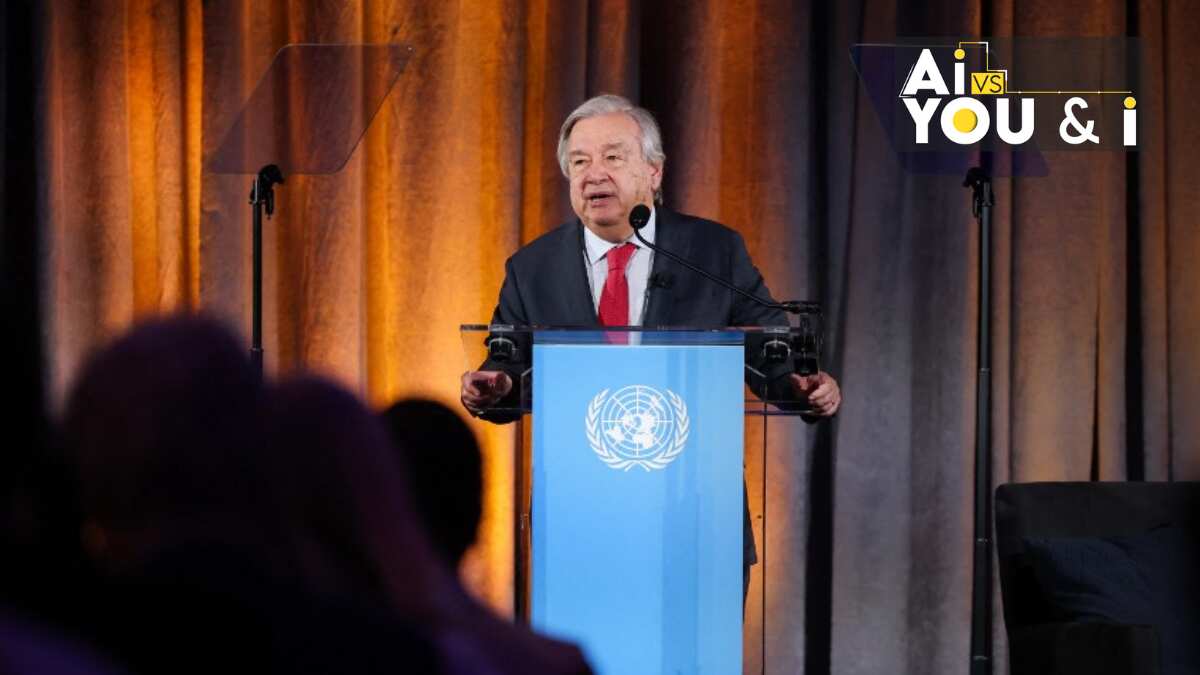
UN Secretary-General António Guterres
UN Secretary-General António Guterres has warned against allowing any role for artificial intelligence in the decision to launch nuclear weapons.
He told a session of the Arms Control Association (ACA) that "humanity is on a knife's edge", with the risk of nuclear conflict at "heights not seen since the Cold War".
UN chief's warning

"States are engaged in a qualitative arms race," Guterres said.
"Technologies like artificial intelligence are multiplying the danger. Nuclear blackmail has re-emerged with some recklessly threatening nuclear catastrophe. Meanwhile, the regime designed to prevent the use, testing, and proliferation of nuclear weapons is weakening. Dear friends, we need disarmament now."
Also read |'Convicted felon' Trump seeks freedom to speak, urges judge to lift gag order amid Biden attacks
)
Why asking questions could be more important than memorising answers
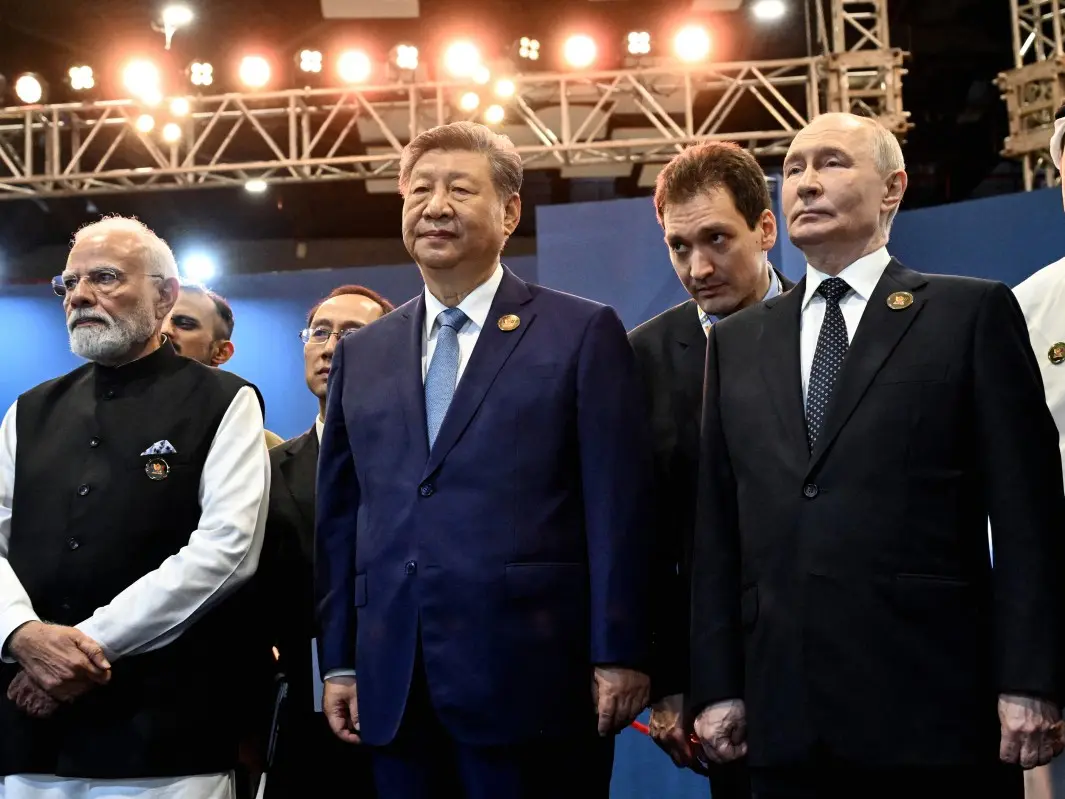)
Did India risk its US trade deal despite softer stance at BRICS?
&im=FitAndFill=(700,400))
How 2nm technology improves iPhone performance
&im=FitAndFill=(700,400))
Shahid Kapoor to Rajkummar Rao: Actors who rule both theatres and OTT
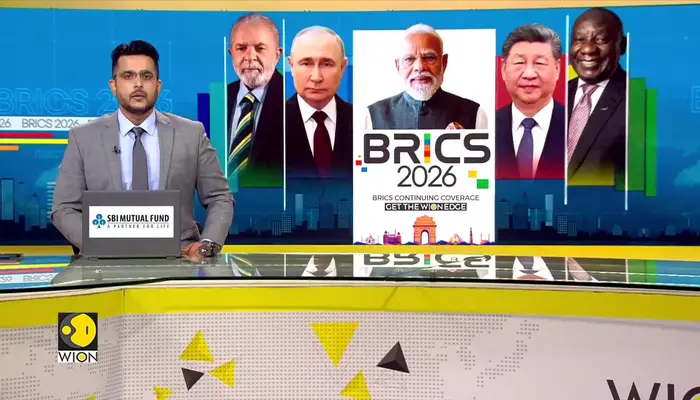)
BRICS Summit 2026: Trump wants to weaken BRICS, but maybe doing the opposite
&im=FitAndFill=(700,400))
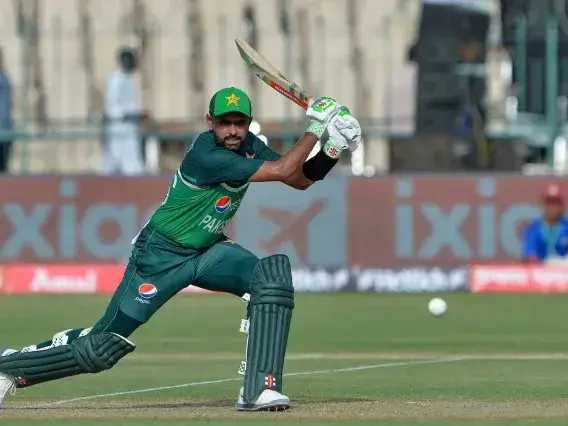
Meet top 5 batters fastest to 3000 runs in T20Is
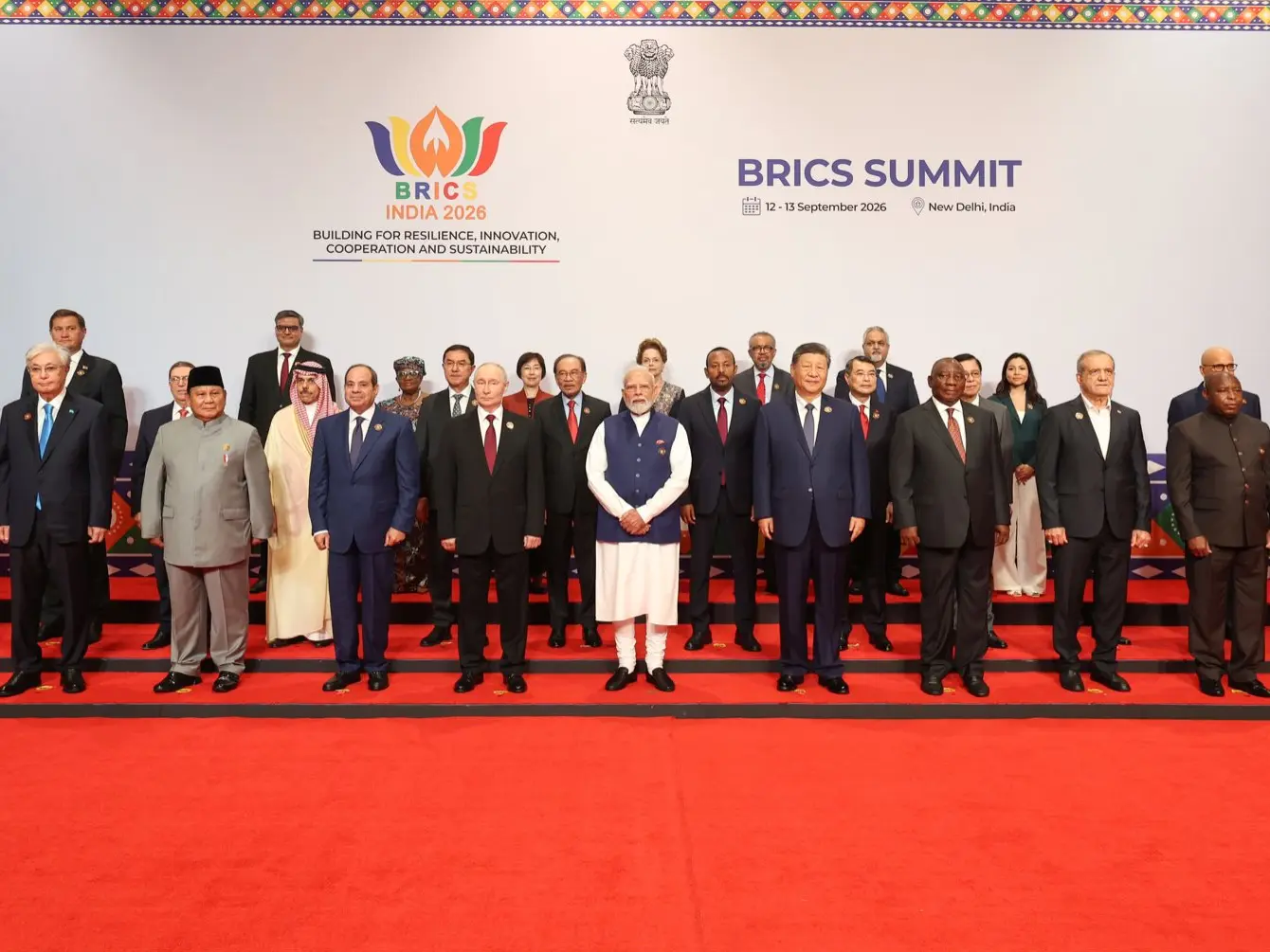)
Did BRICS Summit 2026 prove that an 11-member bloc with India and China in it can still agree on key issues?
)
Top 5 places to visit in Goa beyond its famous beaches
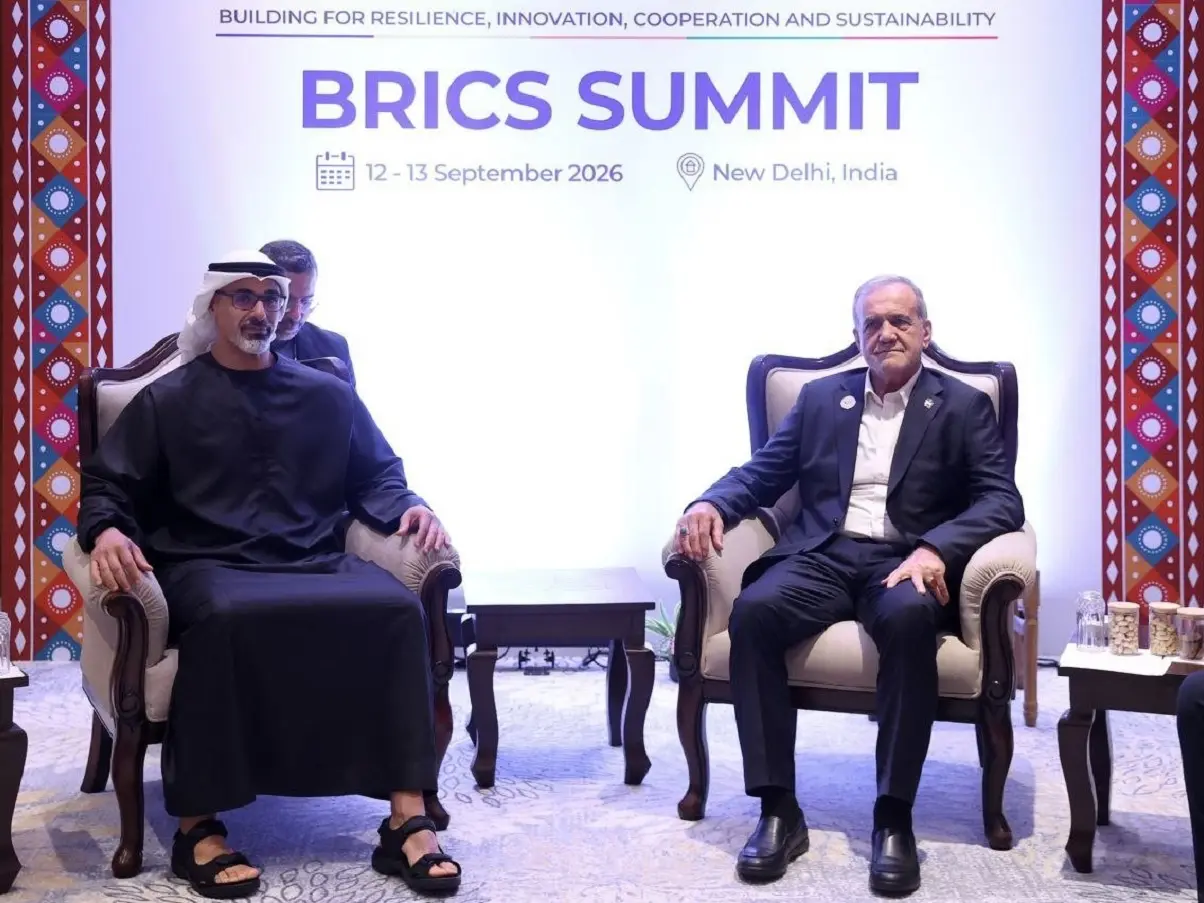)
Delhi’s balancing act: BRICS serves as a stage for West Asia diplomacy
&im=FitAndFill=(700,400))
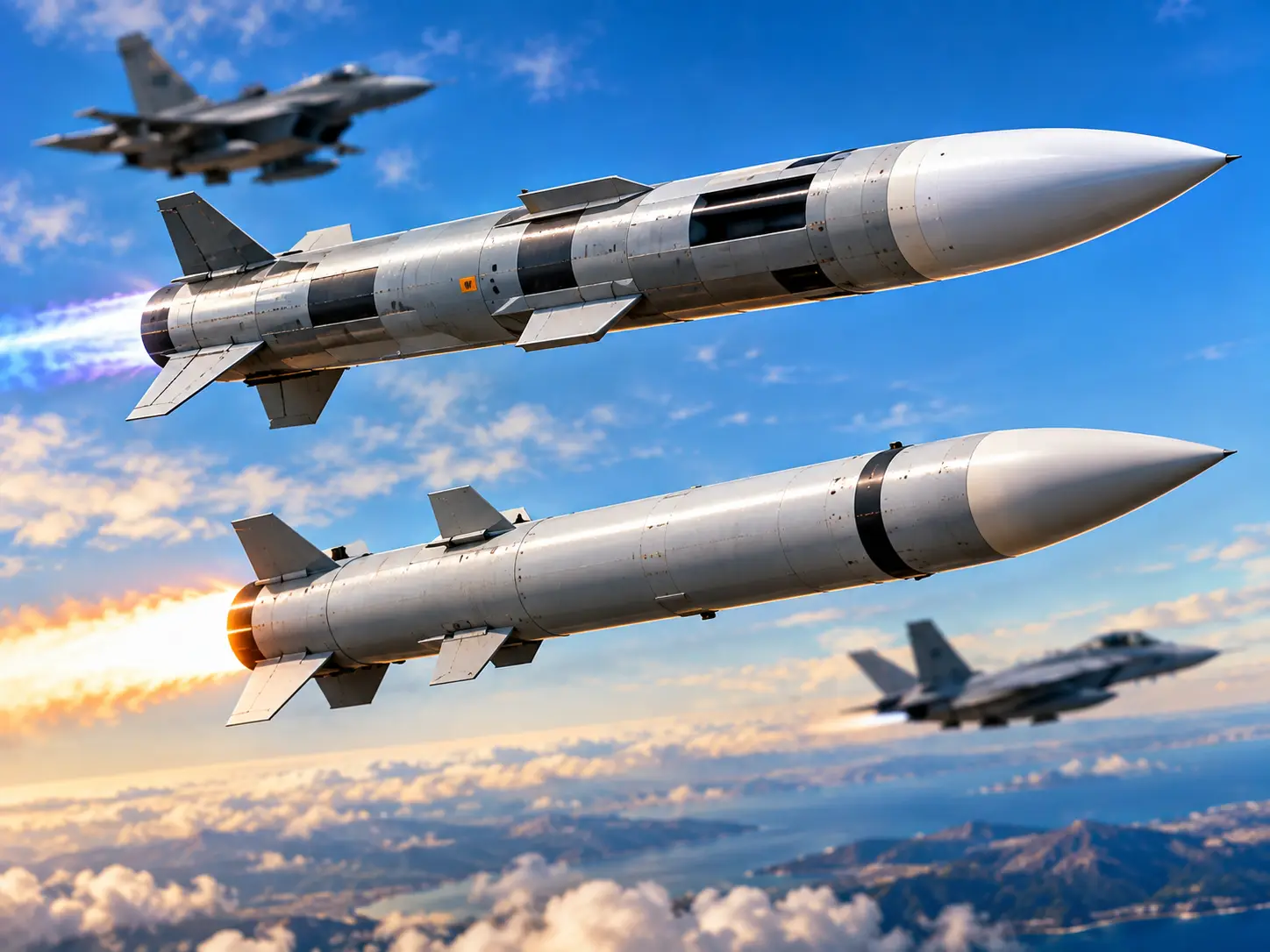
Why European Meteor missiles use ramjet engines compared to standard US solid rockets
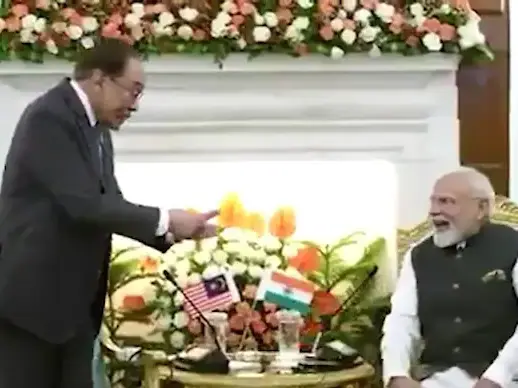)
'He is popular...': Malaysian PM Anwar Ibrahim's praise for PM Modi during bilateral meeting | WATCH
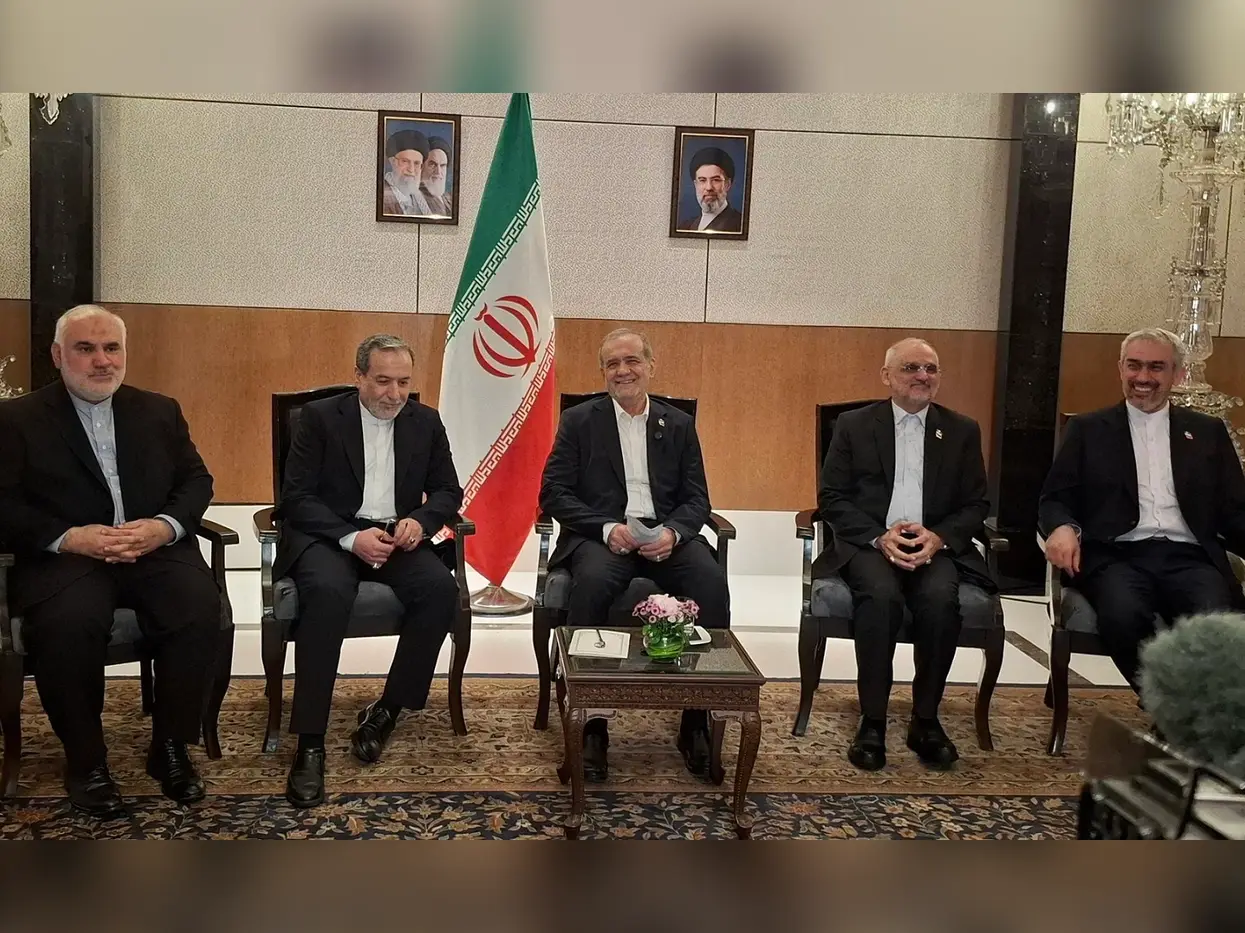)
Iran, India agree to deepen humanitarian and political ties, President Pezeshkian says
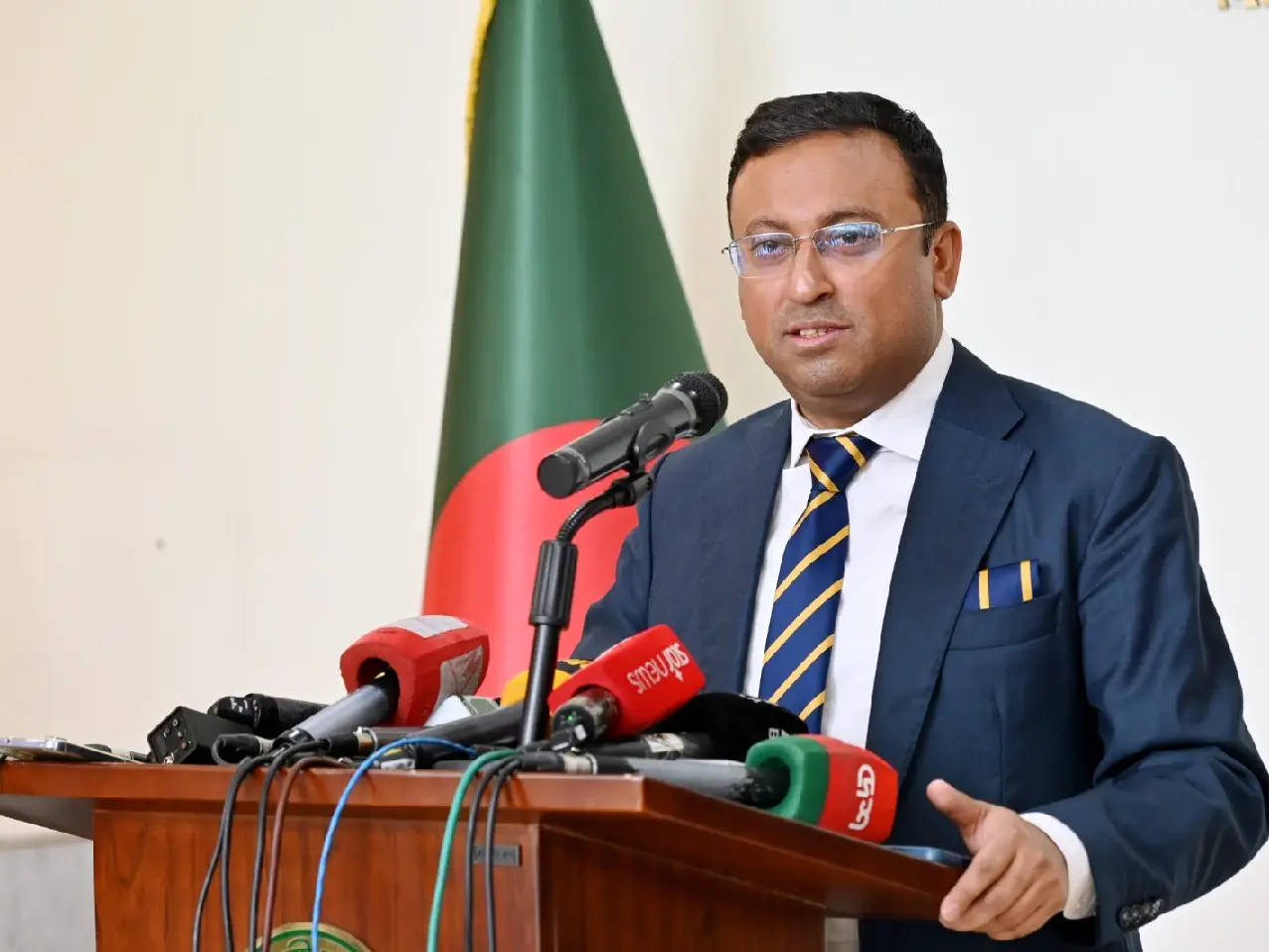)
‘Want to reset ties with India, have engagement based on mutual interests,’ says Bangladesh minister
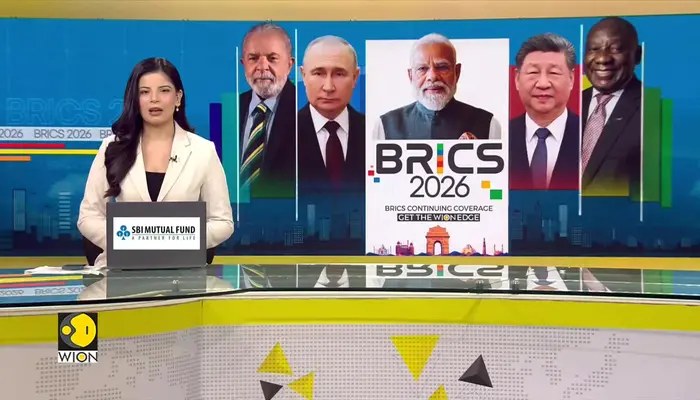)
BRICS Summit 2026: PM Modi, Xi reach key consensus on ties, China to assume BRICS chairmanship in 2027
)
UK breakup on the cards? Scotland, Wales and Northern Ireland push for independence
)
Russia-Ukraine-US talks in October? Kremlin says not ruling out possibility of trilateral
)
Trump says Canada eager to reach a deal, it could come ‘fairly soon’ if Ottawa treats US farmers better
)
The Verdict | Africa is too big to remain a guest at the BRICS table
)
‘Partners, not rivals’: Xi outlines four point plan for stronger India-China ties
&im=FitAndFill=(700,400))
Why Chinese PL-15 air-to-air missiles use dual-pulse motors compared to European interceptors
)
NATO under Russian threat? Drone strikes just 2 km from Poland, narrow escape for former UK PM, CIA chief
)
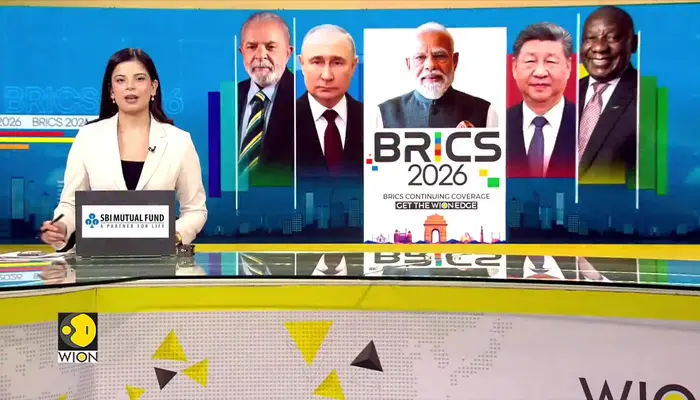
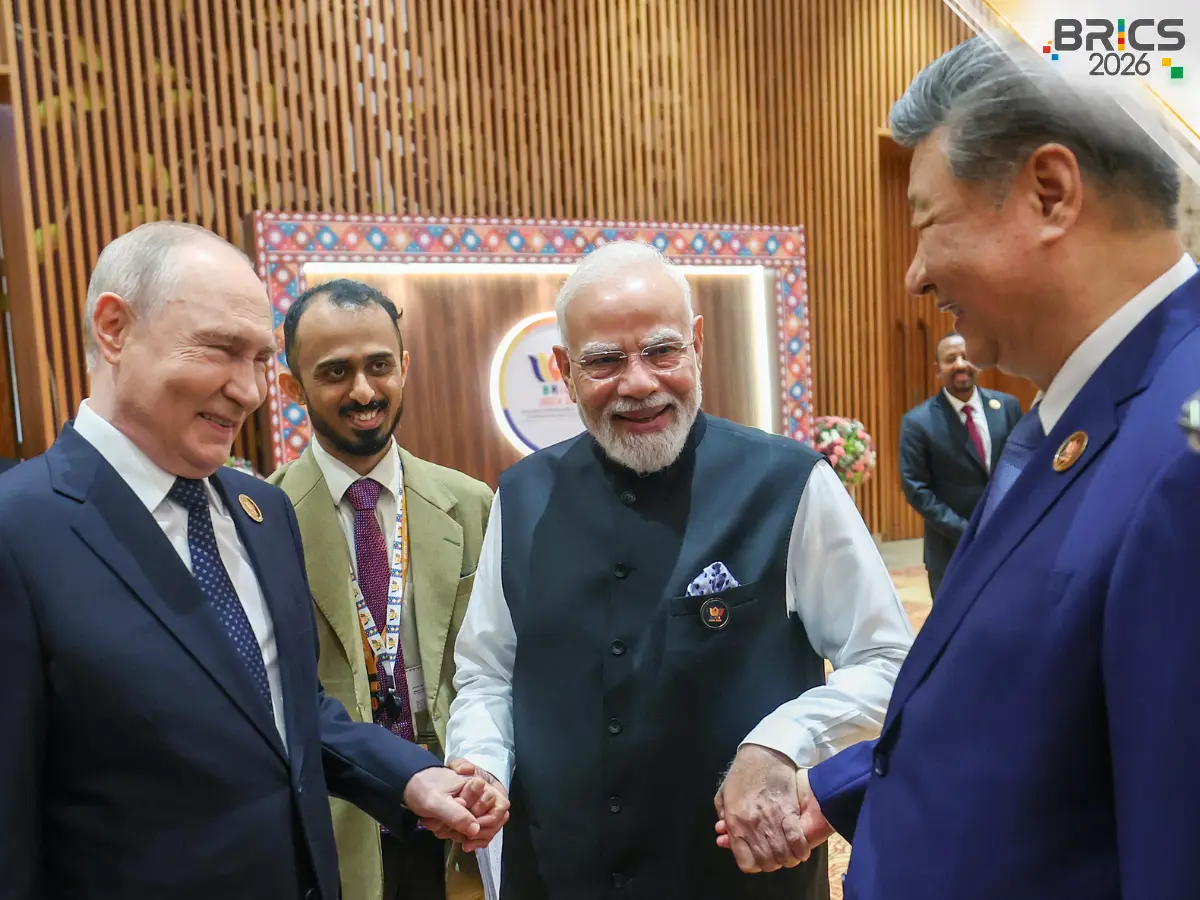
Who is the smiling man beside Modi, Putin and Xi at BRICS Summit 2026?
)
BRICS Summit: New Delhi declaration adopted with full consensus, big diplomatic win for India
)
800 million years old - Scientists discover 'fingerprints' of supercontinent Gondwana in ancient rocks
)
Russian drone hits Warsaw-bound train near Polish border, Zelensky accuses Moscow of ‘deliberate’ targeting
)
War is making Russia stronger? How Ukraine is shaping Moscow’s next generation of weapons
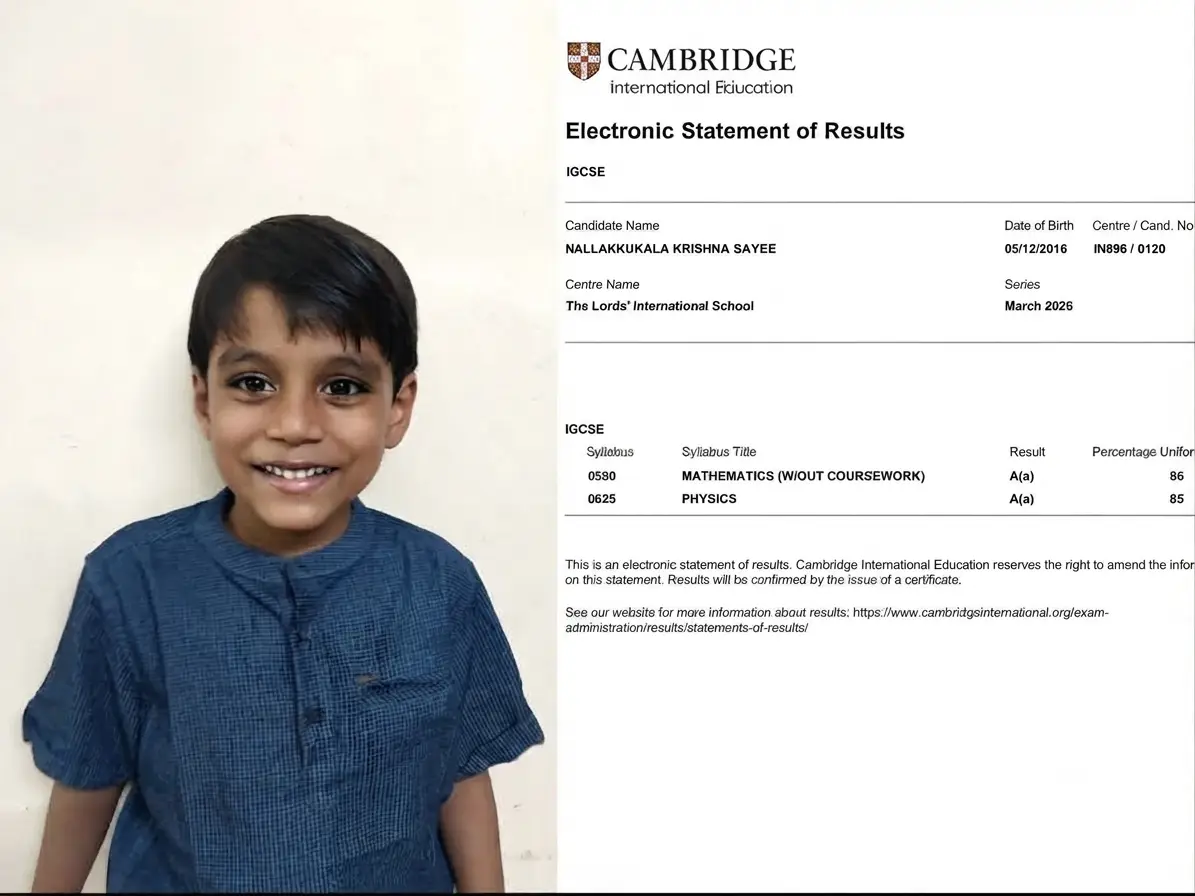)
9-year-old Chennai prodigy clears Cambridge IGCSE grade 10 exams
)
Indian importers urge Bangladesh to lift export ban on 'Hilsa' fish ahead of Durga Puja
)
Humans may lose control of AI: Anthropic CEO calls for slowdown, Altman, Musk back him
)
US diplomat accused of possessing child abuse images secretly flown out of UK by US Marines
)
BRICS Summit 2026: Modi-Xi moment highlights India-China thaw at BRICS
)
Why does your skin need protection from UV rays?
&im=FitAndFill=(700,400))
From Rinku Singh to Mayank Yadav, 5 players dropped from India’s squad for Afghanistan T20Is
)
PM Modi and China's Xi offered to help resolve Russia-Ukraine war: Kremlin
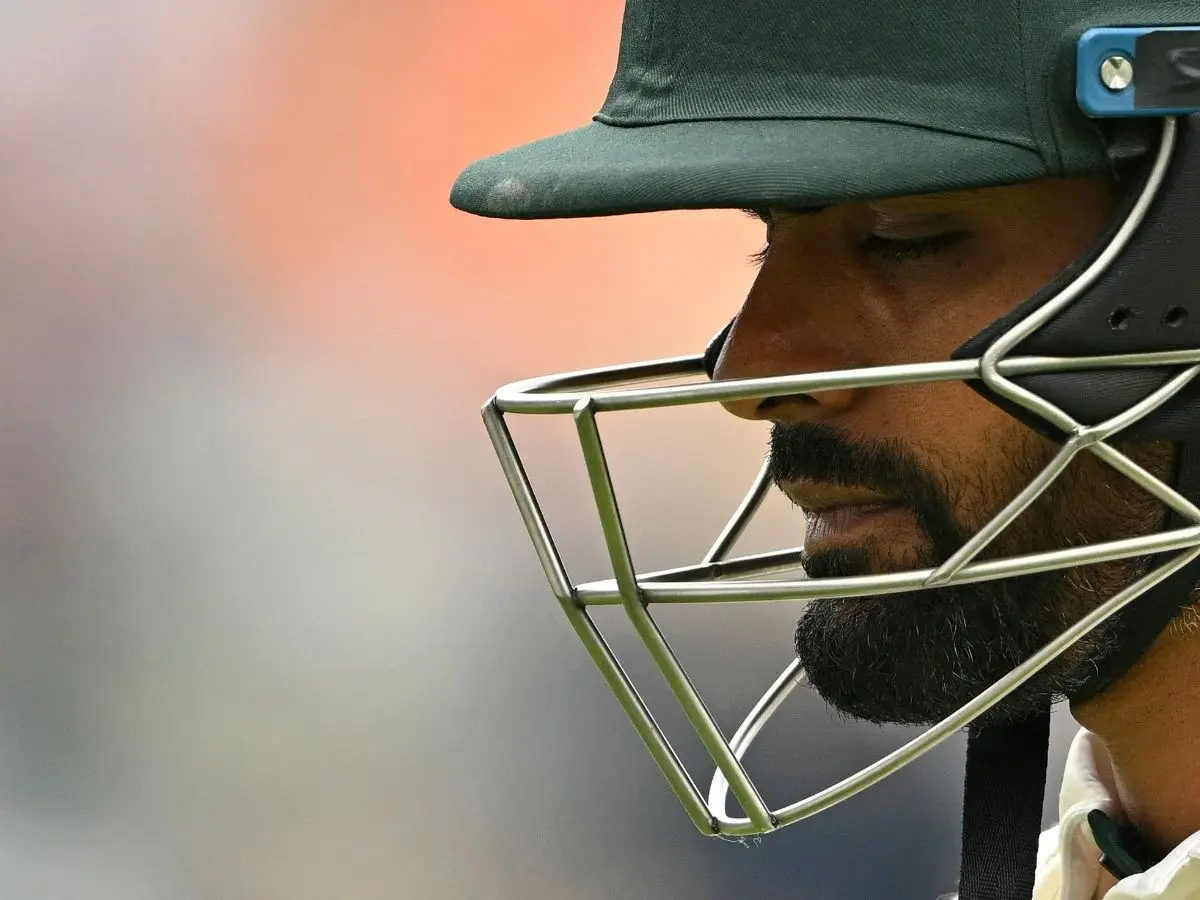)
Akram, Afridi, Mushtaq tear into PCB after Pakistan’s Test series collapse in UK
He said countries should be disarmed, and nuclear-armed states need to give an example to the world. You can watch what he said here:
In a statement, he urged the "United States and the Russian Federation to get back to the negotiating table, fully implement the new START treaty, and agree on its successor".
"Until these weapons are eliminated, all countries must agree that any decision on nuclear use is made by humans; not machines or algorithms."
Guterres' warning comes against the backdrop of recent concerns around the role of AI in the Gaza and the Ukraine wars.
Also read |US says some changes proposed by Hamas in ceasefire deal 'unworkable', will try to 'close the deal'
Automated nuclear weapons: A new thing?
As per IFL Science, while the idea of nuclear-armed AI may appear far off, historical precedent suggests these kinds of dangers are possible with any automated system.
The Soviet Union, during the Cold War, designed something they nicknamed "dead hand" as a way to ensure that nuclear retaliation would happen in the event a nuclear attack had destroyed the rest of their command structure.To do this, the system monitors various signs of a nuclear attack. If confirmed, the system would check communication lines between top Soviet officials and, in the absence of that, transfer launch authority to lower-level operators in a bunker.
Though it was never used, its risks were highlighted by a near miss on September 26, 1983: on that day, a Soviet missile detection system falsely reported an incoming nuclear strike from the United States. Fortunately, a Soviet military officer, Stanislav Petrov, averted a response at that time. Further analysis showed that sunlight glinted from high-altitude clouds and was misinterpreted by the satellite data.
(With inputs from agencies)

