
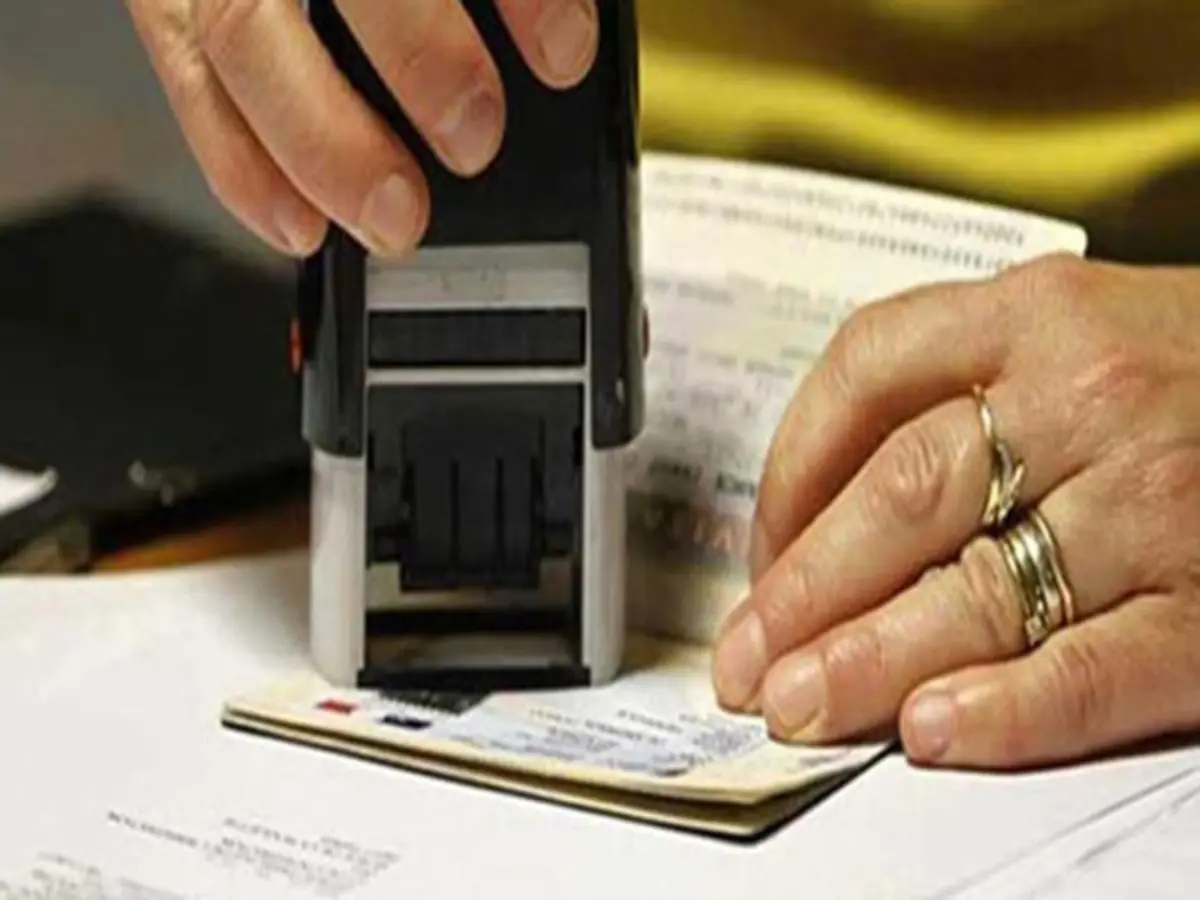
&imwidth=800&imheight=600&format=webp&quality=medium "WION Decodes: Judge strikes down Trump’s $100,000 H-1B visa fee hike, what does this mean for Indians seeking jobs in US?")
A federal court on Monday ruled that the fee of 1 lakh US dollars for H-1B visa imposed by Trump administration was unlawful. In its ruling the court said that the administration did not have the legal authority to impose "unauthorised tax" on employers seeking to hire highly skilled foreign workers.
"The Court finds that the Policy imposes a tax on H-1B petitions without the requisite delegation by Congress," ruled US District Court Judge Leo Sorokin of Boston.
The Trump administration had hiked the fee saying it was a way to prevent foreign workers from taking American jobs.

What is the H-1B visa?
- H-1B visas allows American companies to hire skilled global talent
- Technology companies like Amazon.com, Tata Consultancy Services, Microsoft, Meta Platforms and Apple are the biggest users
- Nearly three-quarters of the approvals go to workers from India
- Most H-1B visa applications cost several thousand dollars before it was hiked by Trump
- H-1B visa is allotted using a lottery system under which about 65,000 visas are given annually along with another 20,000 for workers with advanced degrees
- The visas last three to six years, but can be renewed
What was the hike in fee and how it impacted H-1B visa seekers
Trending Stories
)
The Early Spring is proof not everyone can talk about their real feelings, and it is perfectly OK
)
UN votes to ‘correct the map’ as India backs fairer world view
)
Nigerian Navy discovers 99,000 litres of suspected stolen, illegally refined products as it intensifies anti-crude oil theft operations
)
Who is Aditi Paudel? 17-year-old becomes Japan's first literacy ambassador
)
Bengaluru: Officials find 40 kg expired chilli at chairman's club
)
Jaishankar rejects trade link to ending Ukraine war
)
Israeli strikes on Lebanon kill three, injure 23 despite truce
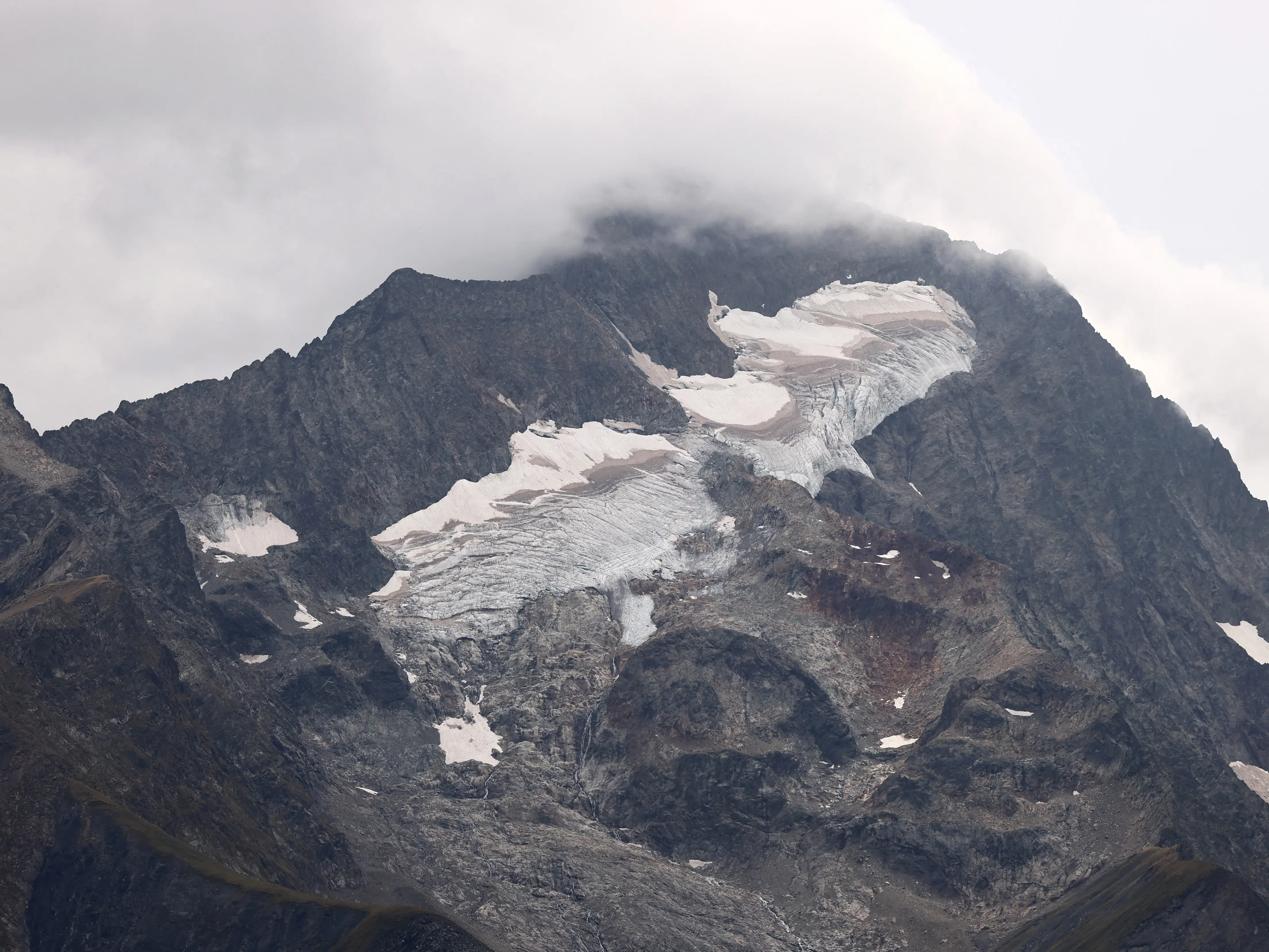)
Alpine glacier was covered with sheep wool sheets to prevent melting. It worked
)
South Korea mulls deploying military assets to Strait of Hormuz
)
World's fifth-largest economy, British army can't afford to train
)
Breaking | Vance takes the podium: First White House briefing since Leavitt's exit
)
Taiwan raises 'concerns' over China's missile test
)
BRICS 2026: $1 trillion sovereign capital set to converge in Delhi for first iBRICS Summit
)
What is Iran's Pickaxe Mountain that Trump has again threatened to bomb?
)
UN votes to correct world map that visually shrank Africa for 450 years
)
Former NewJeans member Danielle launches YouTube channel, hints at new solo journey
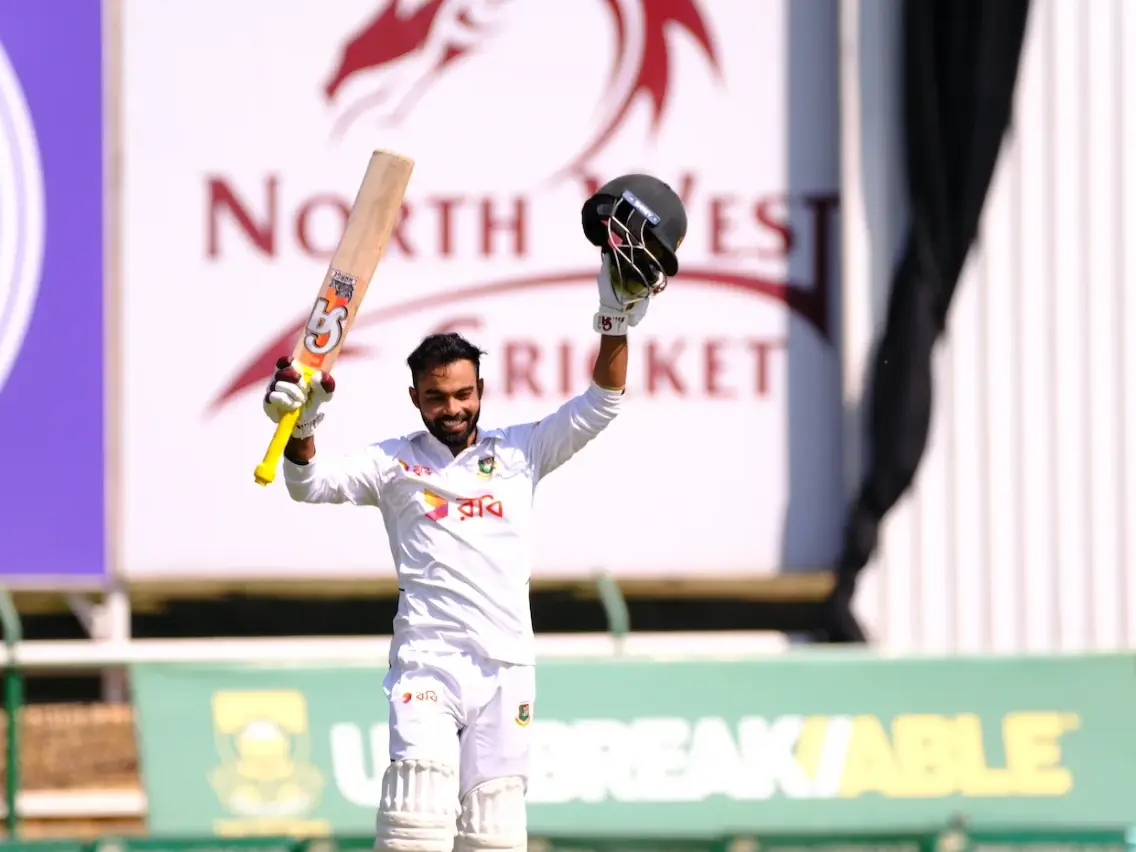)
Bangladesh batter Towhid Hridoy creates history with 350 not out in South Africa
)
Brendan Fraser’s transformation fuels The Mummy 4 excitement as fans welcome back Rick O’Connell
&im=FitAndFill=(700,400))
Krishna Janmashtami 2026: From Dhaniya Panjiri to Makhana Kheer- 5 best sweet dishes perfect for celebrating Lord Krishna’s birth
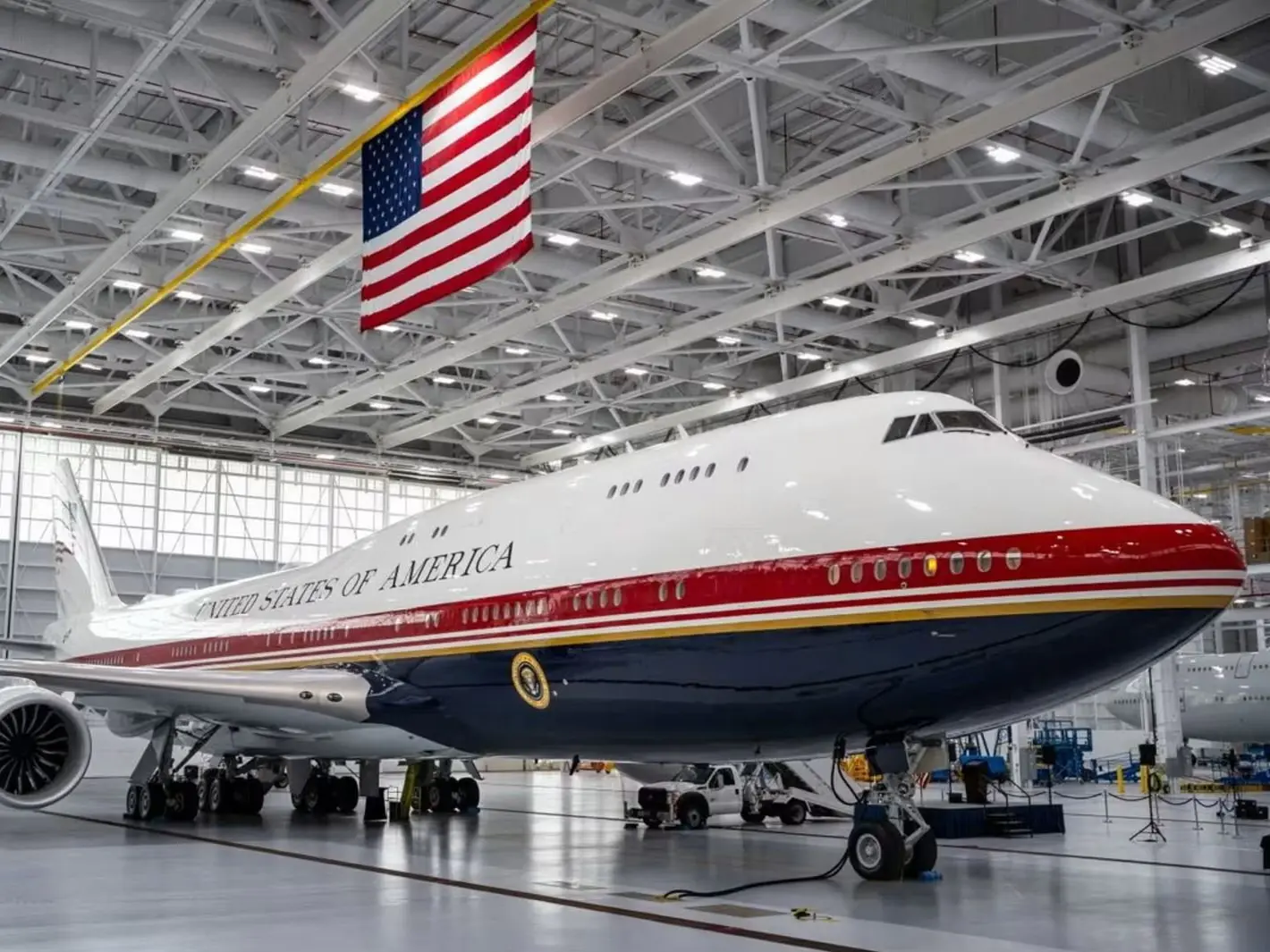)
Donald Trump plans to travel to Ireland on Qatari-donated jet amid security concerns
)
Nazi-looted art to return to Jewish heirs
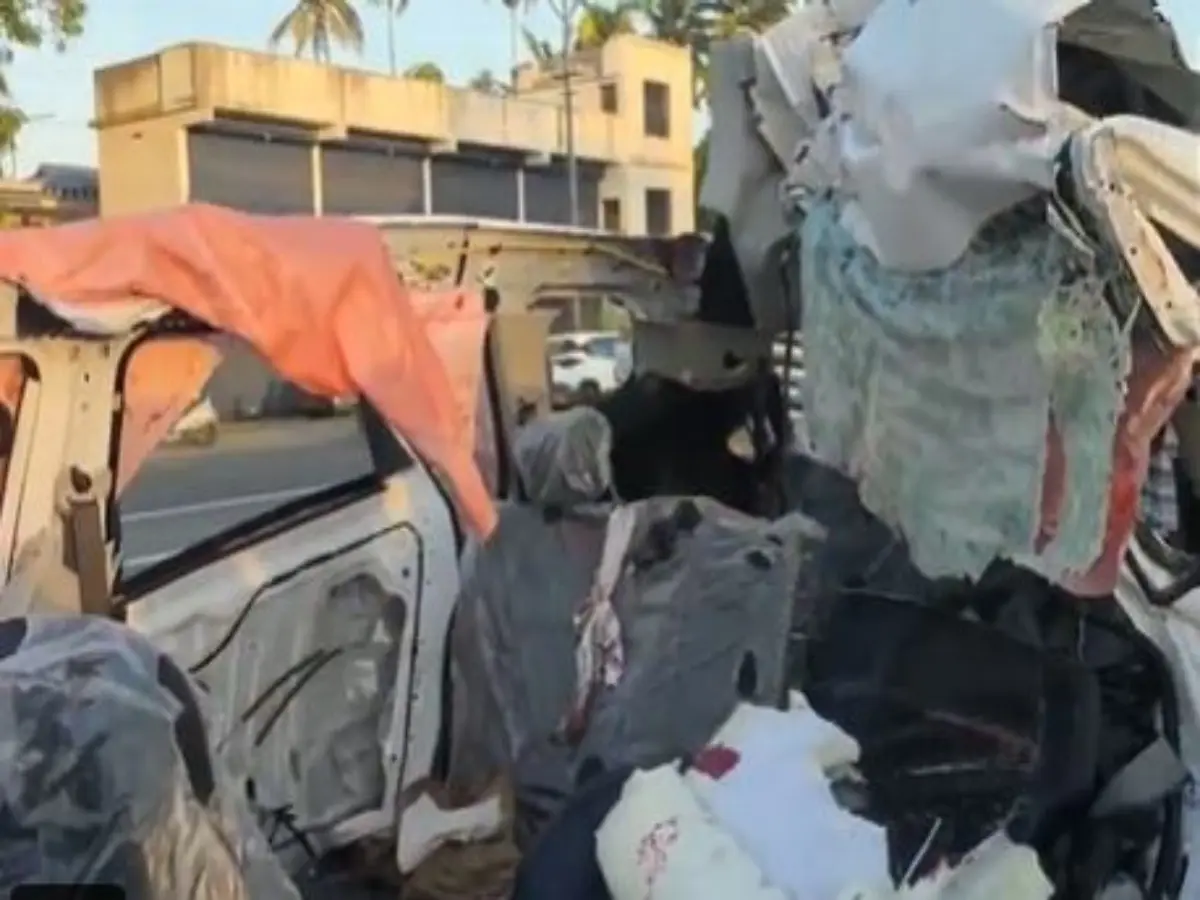)
Eight killed in Kerala’s Thrissur after car rams into lorry parked on highway
&im=FitAndFill=(700,400))
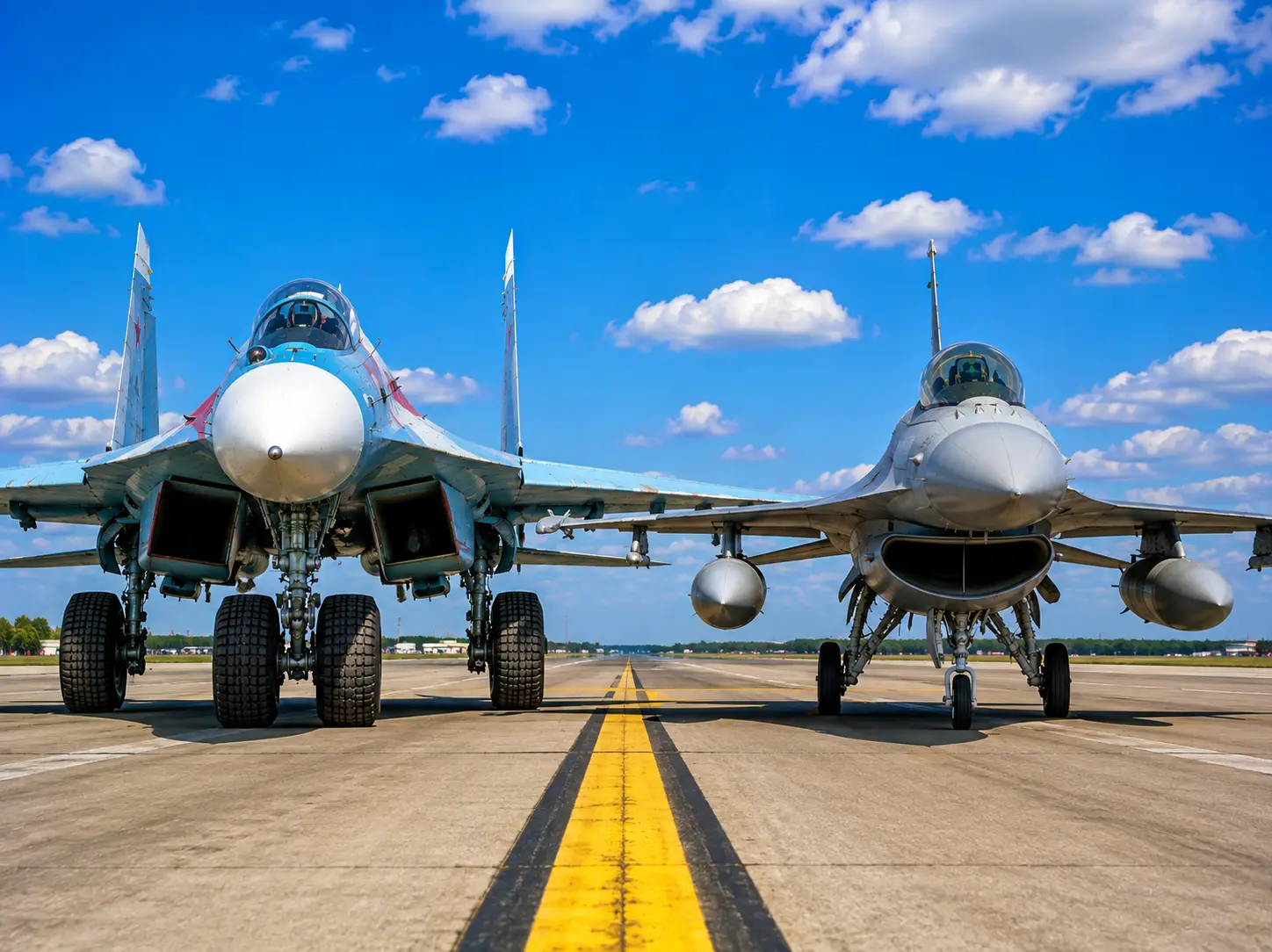
Why Russian fighter jets use bulky, low-pressure tyres compared to US jets
)
FBI-wanted fraud accused arrested in Jalandhar over $600,000 scam
&im=FitAndFill=(700,400))
Why US tanks weigh over 20 tons more than Russian tanks
&im=FitAndFill=(700,400))
New Friday OTT releases (September 4, 2026): GDN, Dhamaal 4, Jagamae Sangeetham- Watch 6 new movies and TV shows on Netflix, Prime Video and more
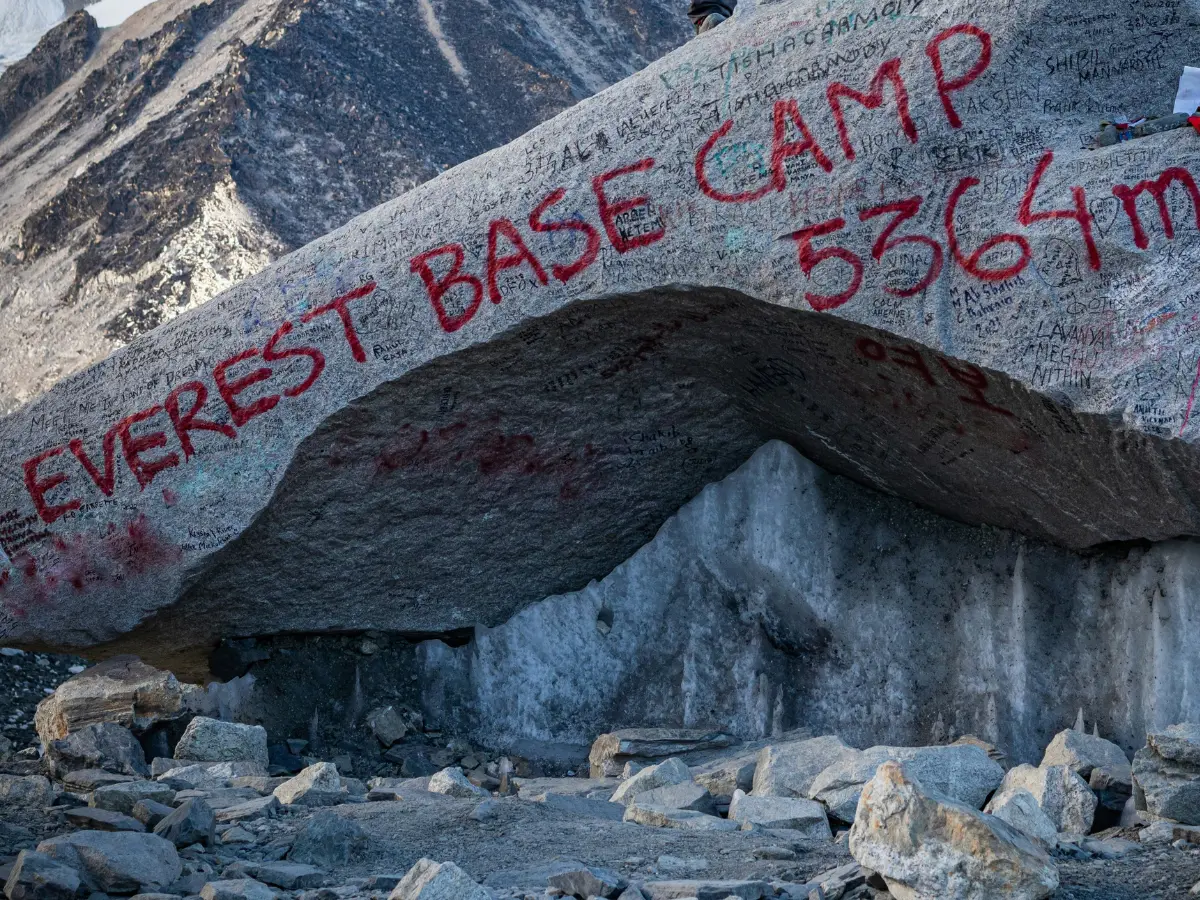)
Killing the Himalayas slowly: Human urine is melting a glacier on Mount Everest
The average H-1B visa fees used to be $2,000 until it was hiked to $100,000. by Trump in September last year. This fee had to be borne by employers who needed to sponsor skilled immigrants for work in the US.
The step was taken to discourage companies from hiring outside talent as some in the Trump administration thought it took away job opportunities from American workers.
This was not the first time Trump had taken this step but during his first term as president too he had signed an order to tighten scrutiny of visa applications and detect frauds.
What does the ruling mean for Indians seeking H-1B visa?
H-1B visa is allotted using a lottery system under which about 65,000 visas are given annually along with another 20,000 for workers with advanced degrees. And nearly three-quarters of the approvals go to workers from India as we said before.
Statistically speaking, around 70 per cent of H-1B visas were approved for Indian workers in 2024. While Chinese with 12 per cent grabbed the second spot, according to US administration data.
The ruling has come as a big relief to this working section as the companies that will be sponsoring them will not need to shell out huge amounts and will be more open to hiring talents from outside the US.
