Jason Arday's death puts Cambridge’s hiring and diversity policies under scrutiny

&imwidth=600&imheight=450&format=webp&quality=medium "Jason Arday's death puts Cambridge’s hiring and diversity policies under scrutiny")
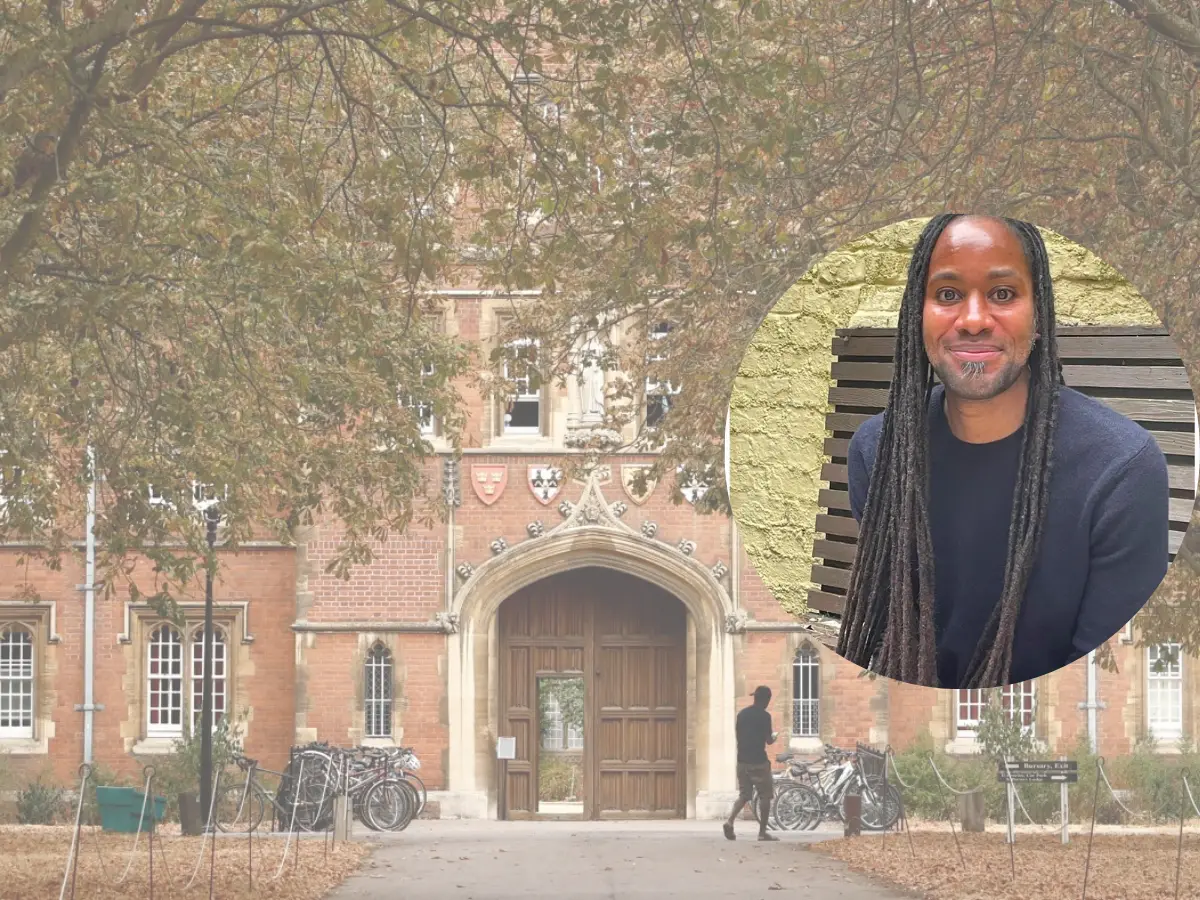
Jason Arday Photograph: (AFP/Others)
Cambridge faces scrutiny over Jason Arday’s hiring after plagiarism allegations and disputed biographical claims emerged before his death
When Cambridge University appointed Jason Arday to one of the world’s most prestigious sociology positions in 2023, he was an early-career academic who did not appear to meet several of the university’s own stated requirements.
Cambridge’s job description, reviewed by The New York Times, sought a candidate with ‘an outstanding research record of international stature’ and a ‘proven successful track record’ of supervising Ph.D. students. Arday had a relatively modest publication record and had moved between universities without remaining long enough to supervise a doctorate lasting three years or more.
Despite those shortcomings, Cambridge hired him at age 37, making him the university’s youngest Black professor. His appointment came as the institution faced growing pressure to improve racial diversity among its faculty. The decision placed Arday at the center of international attention. His personal story and advocacy for greater diversity in academia made him a prominent figure, while later questions about his academic work and biography made him a target of intense criticism.
Arday was found dead in London on Friday, days after resigning from Cambridge amid allegations of plagiarism and questions about claims in his recently published memoir and accounts of his childhood and achievements. The circumstances surrounding the allegations quickly became entangled with wider debates over race, neurodiversity, academic standards and diversity initiatives. In his Aug. 5 resignation letter, Arday wrote, “I no longer wish to feel as though I am living under a constant spotlight, where every aspect of my life is subject to public examination and judgment.” He added, “This is not the end of my work. It is simply the end of this chapter.”
His family said Arday had faced sustained scrutiny since joining Cambridge and believed the campaign against him was intended to undermine his career. They said the pressure ultimately became overwhelming. His death, however, is unlikely to end questions surrounding his career. The controversy has also placed Cambridge’s hiring process under scrutiny, particularly because the university chose Arday over several more experienced candidates.
Questions surrounding Arday’s background
Trending Stories
&imwidth=280&imheight=210&format=webp&quality=medium)
&im=FitAndFill=(700,400)&imwidth=280&imheight=210&format=webp&quality=medium)
&imwidth=280&imheight=210&format=webp&quality=medium)
&imwidth=280&imheight=210&format=webp&quality=medium)
&imwidth=280&imheight=210&format=webp&quality=medium)
&im=FitAndFill=(700,400)&imwidth=280&imheight=210&format=webp&quality=medium)
&imwidth=280&imheight=210&format=webp&quality=medium)
&imwidth=280&imheight=210&format=webp&quality=medium)
&imwidth=280&imheight=210&format=webp&quality=medium)
&imwidth=280&imheight=210&format=webp&quality=medium)
&imwidth=280&imheight=210&format=webp&quality=medium)
&imwidth=280&imheight=210&format=webp&quality=medium)
&imwidth=280&imheight=210&format=webp&quality=medium)
&imwidth=280&imheight=210&format=webp&quality=medium)
&imwidth=280&imheight=210&format=webp&quality=medium)
&imwidth=280&imheight=210&format=webp&quality=medium)
&imwidth=280&imheight=210&format=webp&quality=medium)
&imwidth=280&imheight=210&format=webp&quality=medium)
&imwidth=280&imheight=210&format=webp&quality=medium)
&imwidth=280&imheight=210&format=webp&quality=medium)
&imwidth=280&imheight=210&format=webp&quality=medium)
&imwidth=280&imheight=210&format=webp&quality=medium)
&imwidth=280&imheight=210&format=webp&quality=medium)
&imwidth=280&imheight=210&format=webp&quality=medium)
&im=FitAndFill=(700,400)&imwidth=280&imheight=210&format=webp&quality=medium)
&imwidth=280&imheight=210&format=webp&quality=medium)
&imwidth=280&imheight=210&format=webp&quality=medium)
&imwidth=280&imheight=210&format=webp&quality=medium)
&imwidth=280&imheight=210&format=webp&quality=medium)
&imwidth=280&imheight=210&format=webp&quality=medium)
&imwidth=280&imheight=210&format=webp&quality=medium)
&imwidth=280&imheight=210&format=webp&quality=medium)
&imwidth=280&imheight=210&format=webp&quality=medium)
&imwidth=280&imheight=210&format=webp&quality=medium)
&imwidth=280&imheight=210&format=webp&quality=medium)
Arday, the son of Ghanaian immigrants, grew up in a working-class area of South London. He had been identified as having learning difficulties at an early age. A major part of his public story involved his claims about autism and significant developmental delays. Arday said he had been diagnosed with autism and had spent his childhood in special-needs education. He also said he did not speak until he was 11 and did not learn to read until he was 18.
His memoir, however, presented an account that differed in important respects from earlier descriptions. People who knew him as a child told The New York Times that he had attended mainstream education and had spoken with others during his childhood. A speech professional who worked closely with Arday when he was young recalled that he had experienced language delays but communicated with children and adults. Former schoolmate Jonathan Stewart also recalled Arday joking and using playful accents while travelling with other children to church activities.
Cambridge’s decision to hire Arday
An established chair at Cambridge is one of the most coveted positions in academia, offering substantial prestige, institutional support and long-term funding. Arday applied for an established chair in education. Cambridge conducted an international search and assembled a nine-member panel to assess candidates. Four finalists were selected and invited to Cambridge for two days of interviews. According to a person familiar with the hiring process, Arday competed against three more senior academics, including two women of colour.
Questions have since been raised about the material Cambridge considered during the selection process. Arday’s published work and doctoral thesis reportedly contained grammatical errors, while some passages contained identical quotations attributed to different individuals. The finalists were apparently asked to submit a single research paper for consideration. It remains unclear which work Arday submitted or how extensively the panel reviewed his public speeches and interviews.
Had the committee examined some of his public claims, critics argue, it might have encountered statements that appeared difficult to verify, including his account of running 30 marathons in 35 days for charity and his claim to have appeared on the British television program “Seven Up.” His spokesman later said the television claim should not have been interpreted literally. Several members of the hiring committee had expertise relevant to learning disabilities, autism and inclusive education.
The university nevertheless hired Arday. Hilary Cremin, then chair of Cambridge’s education department, described the decision as unanimous. Cambridge’s announcement emphasized Arday’s research and personal history, helping generate significant media attention in Britain and internationally. At the time, Cambridge had relatively few Black professors and was facing pressure from students and faculty to increase diversity. The university had also established targets aimed at increasing applications from people of color for academic positions.
Early concerns about his research
Questions about Arday’s academic work emerged only months after his appointment. Three months after he joined Cambridge, British scholars Martyn Hammersley and David Harris privately contacted the university about possible plagiarism in one of his papers. Cremin responded that she had spoken with Arday and that he had agreed to address concerns about the paper. According to an email later reported publicly, she also referred to his “ongoing experiences of direct and indirect racism” and ‘significant health issues’ that had affected his work.
Harris subsequently suggested that Cambridge examine Arday’s other publications and doctoral thesis as well. “Prof Arday badly needs critical friends, in my view, not sycophants,” he wrote. He said he received no response. Additional concerns emerged when journals later published corrections to two of Arday’s papers.
Then, in September 2025, Times Higher Education sent Cambridge a dossier of more than 60 pages outlining alleged plagiarism in Arday’s academic work. Reporter Jack Grove had asked experts to examine Arday’s doctoral thesis. One reviewer, David Sanders of Purdue University, said he knew little about Arday before conducting the assessment but subsequently described the thesis as ‘extensively plagiarized’. Cambridge did not accept responsibility for investigating the thesis, saying questions concerning the doctorate should be addressed to Liverpool John Moores University, which had awarded the degree. The university also said research concerns should be handled through the appropriate channels. Liverpool John Moores University stood by the doctorate.
A publication was threatened with legal action
As Times Higher Education prepared to publish its investigation, supporters of Arday drafted a letter warning against what they described as attempts to erase Black scholarship. “The integrity of higher education is at risk if we do not take a stand and speak out against the systematic attempts to erase Black scholarship,” they wrote.
The article was ultimately not published after Arday’s lawyers threatened legal action. Grove said Arday also filed a police complaint against him, resulting in a harassment investigation that was eventually dropped. The episode became part of a broader dispute over whether criticism of Arday’s work reflected legitimate academic scrutiny or a racially motivated campaign against a Black scholar.
The controversy becomes public
The plagiarism allegations became widely known last month after former Cambridge academic Nathan Cofnas wrote about them in his newsletter. Cofnas, whose work has included controversial claims about racial differences in intelligence, had been cut off from Cambridge in 2024. Retraction Watch subsequently reported additional details about the allegations. Cambridge initially defended Arday, describing him as “the victim of a vile campaign to undermine his credibility, which must stop.”
The university’s position changed after further questions were raised about Arday’s personal history and academic record. He eventually resigned. His resignation has intensified debate over whether Cambridge should have investigated the allegations much earlier and whether its commitment to increasing diversity affected its judgment during the hiring process.
What Cambridge must now answer
The controversy has raised questions that extend beyond Arday himself. Why did Cambridge select a relatively inexperienced candidate for an elite professorship despite requirements emphasizing international research stature and doctoral supervision experience? Why were early allegations about plagiarism not investigated more extensively?
Did members of the hiring committee review Arday’s public claims about his childhood, education and achievements?
And did the university’s desire to improve racial diversity influence its evaluation of his candidacy? Arday had become an unusually prominent symbol of academic diversity. His story of overcoming developmental difficulties to become a professor had been repeatedly highlighted by Cambridge and the media. That story now faces serious questions.
Experts have also warned that some of the claims surrounding his childhood could have consequences beyond the university. Camarata said families of children with severe autism had contacted him over the years hoping that Arday’s story represented a possible future for their own children.
The independent investigation into Cambridge’s handling of Arday’s appointment and the subsequent allegations is therefore likely to be closely watched. His death has made an already difficult examination of academic hiring, institutional accountability, race and research integrity even more complicated.

