&imwidth=800&imheight=600&format=webp&quality=medium "Japan births fell lowest on record in 2025: Won't it have enough people to run its future economy?")
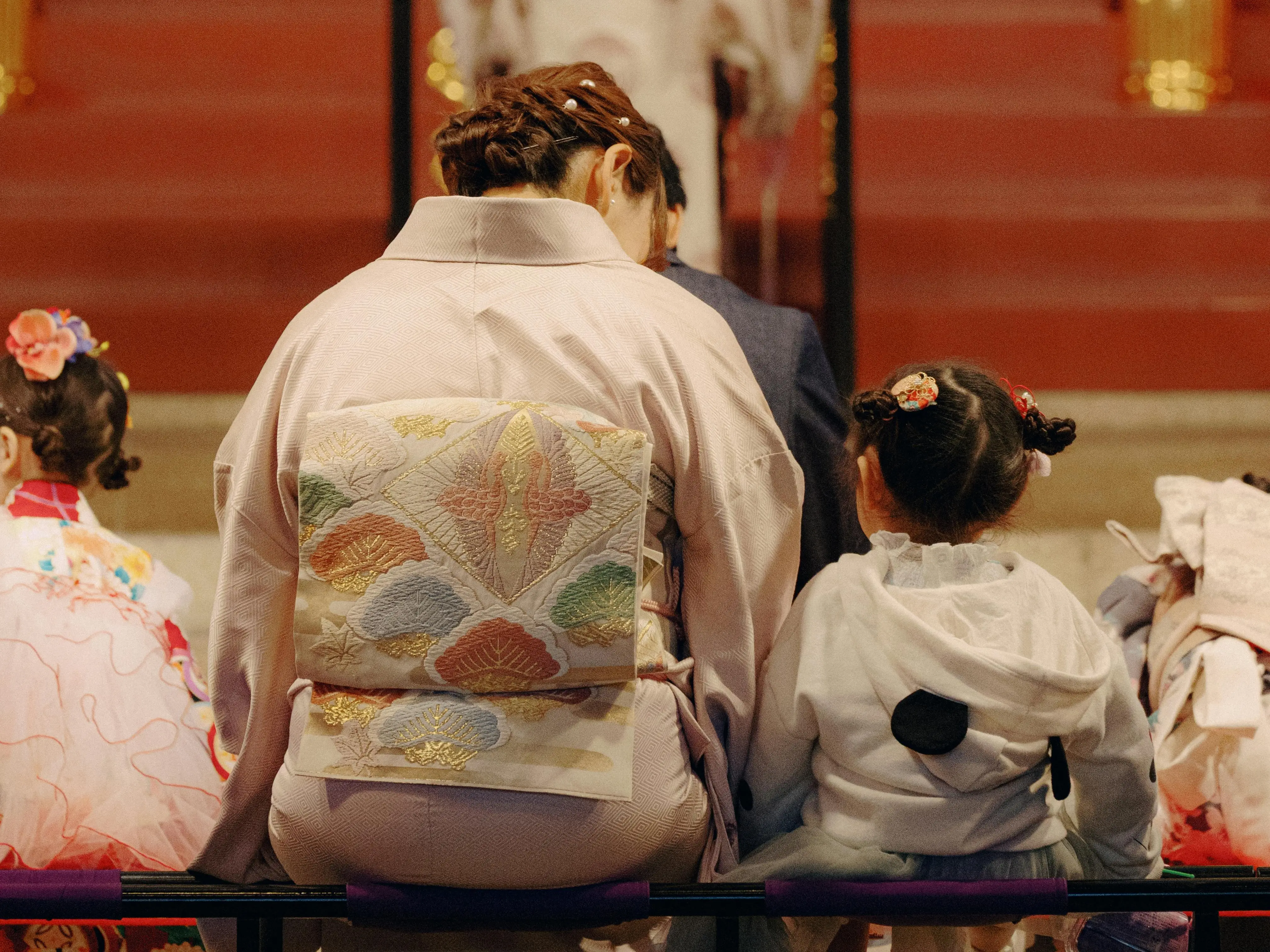
Births in Japan for 2025 are set to fall below 670,000, the lowest number since national records began in 1899, and worse than the most pessimistic government projections. This fast population decline is raising a troubling question: Can Japan sustain its economy and society with so few young people? Here is an analysis of the symptoms and prognosis of this demographic time bomb.
Japan’s population has been shrinking steadily since 2011
In 2024 alone, deaths in Japan exceeded births by close to one million people. That was the first time that births fell below 700,000 for the first time since records began. Down 5.7 per cent from the previous year, this was the sharpest annual natural population decline for the Asian economic giant. The population, once 128 million, is now around 123 million and falling further.

Core of the crisis: Extremely low fertility rate
The Japanese fertility rate is around 1.14 children per woman, far below the replacement level of about 2.1, which is needed to maintain population stability.
Economic insecurity is the main reason for women having fewer children. Stagnant wages, rising living costs, and expensive childcare are discouraging young adults from marrying or starting families. Marriage rates have fallen sharply in recent decades. Childbirth outside marriage remains socially uncommon, meaning lesser marriages directly lead to fewer births.
Trending Stories
)
ChatGPT invoked God, told pastor not to worry about his symptoms. Then pulmonary embolism hit
)
He predicted COVID-19 and 2008 economic crisis, was labeled fearmonger. Now he has another dire warning
)
Hidden in British archives: Scientists decode 200-year-old Indian scroll that helped sailors cross one of the world's toughest seas
)
Pakistan army chief used private oil venture to keep Iran attacks off Saudi Arabia: Report
)
'House raided, father picked up': UP man Mohd Junaid alleges crackdown after CJP protest; Police deny claims
)
Berlin Pride attack suspect shot dead by police; incident classified as ‘Islamist terror’ attack
)
Dhanush breaks silence on National Award backlash with Ajith Kumar's iconic dialogue, 'If you're bad, I'm your dad'
)
Trump says Iranian school bombing photos could be AI-generated - 'I don’t think...'
)
India avoids higher US tariff, secures lower 10% rate. Here's how
)
Lock Upp elimination takes dramatic turn as Shivangi Joshi's candid admission grabs attention
)
DMK founder Karunanidhi’s granddaughter booked for slapping SBI branch manager | Video
)
Google ends Play Services Support, likely to stop these Android phones from downloading apps & games
&im=FitAndFill=(700,400))
Nostradamus prophecies for 2026: Bees, 7 months great war, 3 fires and more
)
India's foreign ministry debunks viral claim made during last week's protests
)
US says Turkey still barred from F-35 program until it gives up Russian S-400 system: Report
)
NEET Protests riddled with misinformation? Delhi Police blocks 480 Pakistan-based handles spreading 'fake news' since Operation Sindoor
)
Oil tanker explodes in the Strait of Hormuz after hitting a naval mine
)
Nandan Nilekani, Infosys co-founder and Aadhaar architect, to lead PM’s high-powered task force
)
Jennifer Lopez's ex-husband Ojani Noa claims he confronted Sean 'Diddy' Combs over alleged affair
)
NEET row: PM Modi appoints Infosys co-founder Nandan Nilekani as head of new exam reforms task force
)
The Royals enter the Doctor Who universe: King Charles and Queen Camilla beam into Commonwealth Games in TARDIS
)
‘Don't cry after elections': Owaisi extends alliance offer to Akhilesh for UP polls
)
Indian Idol 16 crowns Jyotirmayee Nayak; Tanishk Shukla finishes second
)
Houthis strike Saudi oil facilities, shoot down drone in escalating tensions: VIDEO
)
Russia-Ukraine War | 12 Killed in Zaporizhzhia Strike | Zelenskyy Warns of New Russian Mobilization
)
Brazil denies visas to US officials amid fears of meddling in upcoming presidential election
)
Iran tells Pakistan it has not withdrawn from negotiations but suspended them: Report
)
Ranbir Kapoor's Ramayana trailer leaks online again; fans urge for official release
)
Bihar wants 'backless Saturday’ in govt schools as official notice misspells 'bagless'
&im=FitAndFill=(700,400))
Why US fighter jets use seamless bubble canopies compared to Russian jets
Stressful life in Japan adding to low birth numbers
Japan’s gruelling work culture of long hours and limited work-life balance are making parenting difficult. Gender inequality puts the childcare burden almost entirely on women. But more women are opting for education, careers, and independence. This leads to delays or rejections of traditional family models.
Labour shortages hit Japan economy
With lesser young people adding to the workforce every year, sectors such as manufacturing, construction, agriculture, caregiving, and services are seeing labour shortages. Production capacity is going down. Supply chains are strained. Costs for businesses are increasing.
A rapidly ageing population puts pressure on public finances
As of 2025, Japanese aged above 65 accounted for nearly 29 per cent of the total population. The fewer people in the workforce are support rising pension, healthcare, and eldercare expenses of the government. Domestic consumption is weak,as there are fewer young families.
Long-term economic growth and innovation could be dampened by these factors.
Immigration: A cautious approach for replacement population
Japan is making cautious steps towards immigration as a possible population replacement mechanism.
Foreign workers are at a record high in Japan. Visa programmes for skilled and semi-skilled workers have been expanded, in industries with acute labour shortages. For instance, the government recently proposed accepting up to 1.23 million foreign workers by fiscal 2028 under a new Employment for Skill Development system and other programmes.
Immigration is framed as a labour solution rather than a path to large-scale permanent settlement, meaning, foreigners can work but not necessarily start families.
This is due to cultural concerns, language barriers, and political sensitivities. There are fears that the gradual replacement migration could alter the cultural fabric of a society long defined by homogeneity.
Will Japan economy fail without enough people to run its future economy?
A total economic collapse is unlikely, but Japan faces the real risk of stagnation. The country is a technological powerhouse, leading in automation and robotics.
This can partially compensate for labour shortages. But machines cannot fully replace human workers, especially in sectors like healthcare, education, and service industries that rely on human interaction and connection.
Japan’s population crisis is no longer a distant problem but clear and present danger. How the country balances automation, social reform, and immigration will determine whether this population timebomb leads to managed adaptation or economic gloom.