Is China winding down some Belt and Road Initiative projects? Bang for the buck is new mantra

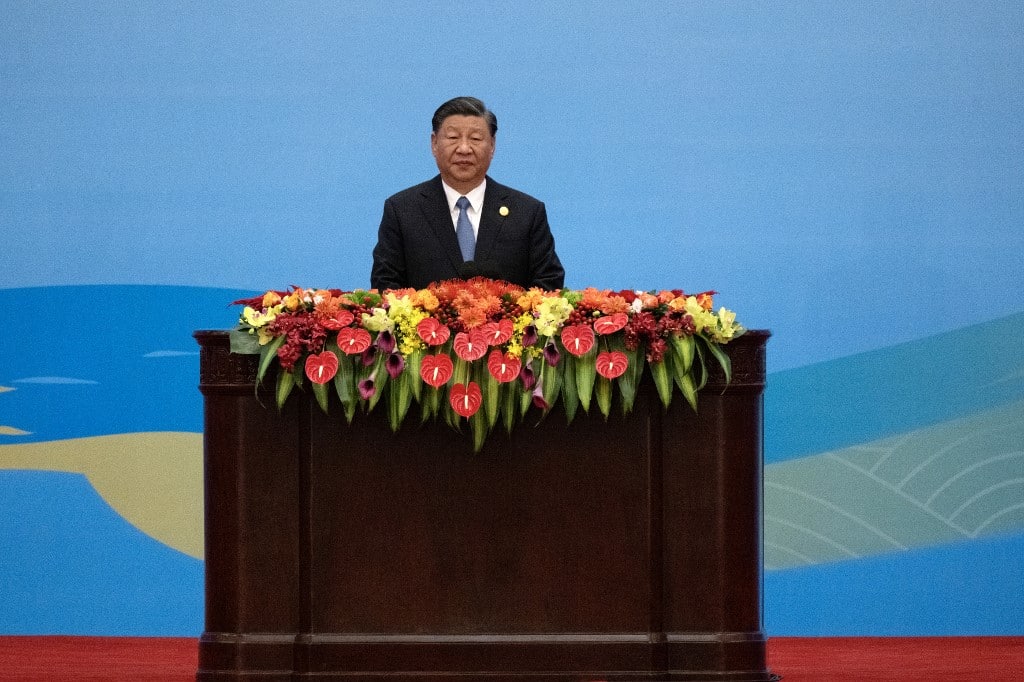
China's President Xi Jinping
China seems to be dialling down on its investment commitmentsfor President Xi Jinping’s pet infrastructure project, the Belt and Road Initiative (BRI).
Addressing the Belt and Road Forum for International Cooperation in Beijing last week, Xihad said that China would allocate 350 billion yuan (US$106.6 billion) to the China Development Bank and a similar amount to the Export-Import Bank of China. The country will allocate an additional 80 billion yuan to theSilk Road Fund.
He stressed the funds would support the Belt and Road projects “on the basis of market and business operation”.

This is being seen by experts as a pivot.
They note that this time, China has earmarked “modest” sums for the new financing of its BRI compared to the previous years.
‘Small but beautiful projects’
&im=FitAndFill=(700,400)&imwidth=180&imheight=135&format=webp&quality=medium)
‘0-100km/h in 1 second Tesla Roadster’: Why tyre grip becomes a problem when cars accelerate this fast
&imwidth=180&imheight=135&format=webp&quality=medium)
Up to 1 million satellites in orbit? the space race raising questions about who controls space
&imwidth=180&imheight=135&format=webp&quality=medium)
US sanctions Cuban state-owned bank BICSA over alleged financial links to Iran
&imwidth=180&imheight=135&format=webp&quality=medium)
Majid Majidi's new film Midday Meal takes top prize at Asia's biggest film festival
&imwidth=180&imheight=135&format=webp&quality=medium)
Russian woman and Bihar boy's love story goes viral after she reaches India to marry him
&imwidth=180&imheight=135&format=webp&quality=medium)
Arijit Singh 9-city India stadium tour to start from January: Check venue and ticket prices
&imwidth=180&imheight=135&format=webp&quality=medium)
'A new space debris solution for global customers’: Samtel CEO Puneet Kaura on India-Japan partnership
&imwidth=180&imheight=135&format=webp&quality=medium)
Billy Joel's health update: Why the singer can't drive or perform right now?
&imwidth=180&imheight=135&format=webp&quality=medium)
Ukraine blinded: Musk deflects blame on Trump, Putin sharpens attack | Gravitas
&imwidth=180&imheight=135&format=webp&quality=medium)
Oregon school shooting: 16-year-old identified as suspect after at least four killed, including three children
&imwidth=180&imheight=135&format=webp&quality=medium)
Who is Abu Dhabi royal Mahrah Al Nahyan, found unconscious on London street with toddler after cocaine use
&imwidth=180&imheight=135&format=webp&quality=medium)
US-Iran War: Trump eyes mother of all bombs; Iran in crosshairs

Not Khan but Pal: Why did Imran Khan choose his mother's surname over his father's? Family tree explained
&imwidth=180&imheight=135&format=webp&quality=medium)
Russia-Ukraine War: Putin vows retaliation against Ukraine
&imwidth=180&imheight=135&format=webp&quality=medium)
'Turns out the future does have flying cars': Musk's Tesla unveils 'flying' sports car with SpaceX technology | Watch
&imwidth=180&imheight=135&format=webp&quality=medium)
‘He told me clearly...’: Yuzvendra Chahal reveals why Rohit Sharma dropped him from India’s 2023 WC squad
&imwidth=180&imheight=135&format=webp&quality=medium)
Australian woman charged for adding snail poison to lover's curry at work
&im=FitAndFill=(700,400)&imwidth=180&imheight=135&format=webp&quality=medium)
Inside the Peshawar school tragedy: 34 dead, building's condition under scrutiny and owner arrested. Here's what all happened
&im=FitAndFill=(700,400)&imwidth=180&imheight=135&format=webp&quality=medium)
‘No traffic jams for Tesla owners’: How Elon Musk’s new flying car is different from regular cars?
&imwidth=180&imheight=135&format=webp&quality=medium)
‘My president, I mean my husband’: Trump's new press secretary Katie Zacharia's first briefing goes off the rails in 14 minutes
&im=FitAndFill=(700,400)&imwidth=180&imheight=135&format=webp&quality=medium)
World's 7 most innovative countries in 2026 REVEALED: Did India make the list? | In Pics
&imwidth=180&imheight=135&format=webp&quality=medium)
Trump says Zelensky 'not a good guy' amid fresh Russia-Ukraine tensions | Watch video
&imwidth=180&imheight=135&format=webp&quality=medium)
Earthquake measuring 7 magnitude strikes Russia’s Kamchatka Peninsula
&imwidth=180&imheight=135&format=webp&quality=medium)
Was Trump in danger at Alaska rally? Viral video shows Secret Service agents reacting
&imwidth=180&imheight=135&format=webp&quality=medium)
'Will stand with Pakistan in case of war with US': Rajasthan BJP chief's remark sparks row
&imwidth=180&imheight=135&format=webp&quality=medium)
US midterms 2026: FBI investigates suspicious mailings containing 'unknown substance' sent to election offices
&imwidth=180&imheight=135&format=webp&quality=medium)
Durga Puja 2026: Kajol kicks of celebrations along with mother Tanuja, sister Tanishaa and cousin Ayan Mukerji
&im=FitAndFill=(700,400)&imwidth=180&imheight=135&format=webp&quality=medium)
Inside Tesla's Roadster: 10 features of Elon Musk's 'flying car' that push the limits of electric vehicles | In Pics
&imwidth=180&imheight=135&format=webp&quality=medium)
India’s naval priorities: Ex-Navy Chief calls for third aircraft carrier, more warships and submarines
&imwidth=180&imheight=135&format=webp&quality=medium)
Netanyahu defies Trump, blocks Gaza military base for Board of Peace | Gravitas
&imwidth=180&imheight=135&format=webp&quality=medium)
Saudi Arabia executes Two Bangladesh nationals over immoral act
&im=FitAndFill=(700,400)&imwidth=180&imheight=135&format=webp&quality=medium)
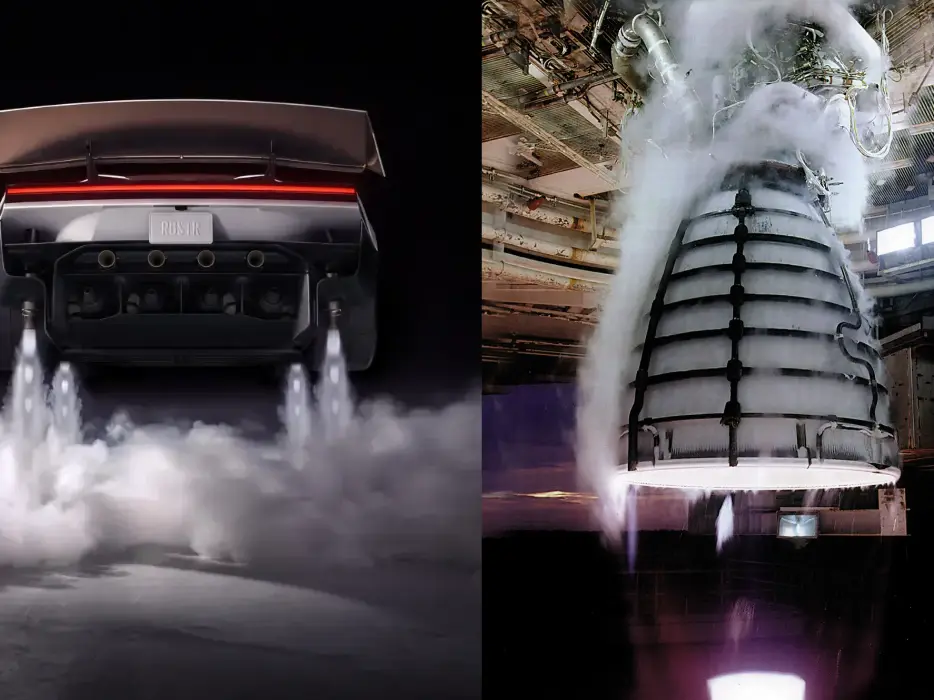
Tesla Roadster's thrusters vs rocket engines: What's the difference?
&imwidth=180&imheight=135&format=webp&quality=medium)
Mumbai: CJP brings Tricolour protest to Azad Maidan after weeks of demonstrations

US ends automatic work permit extensions; Indian workers lose 540-day safety net: What it means
&imwidth=180&imheight=135&format=webp&quality=medium)
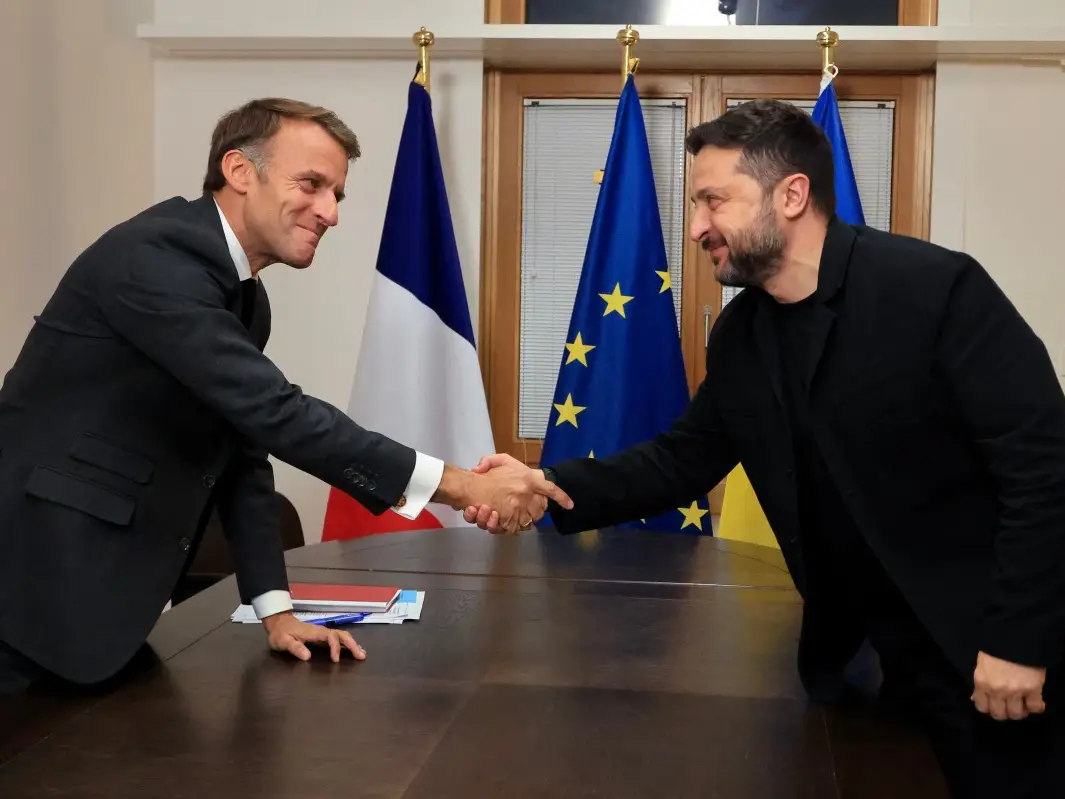
'Ukraine must get all it needs to protect civilians and infrastructure': Macron
&imwidth=180&imheight=135&format=webp&quality=medium)
Portland stabbing: Multiple people reportedly stabbed hours after deadly Bend school shooting
&im=FitAndFill=(700,400)&imwidth=180&imheight=135&format=webp&quality=medium)
New Friday OTT releases (October 16, 2026): DC, Sacrifice, Aasha- 6 new movies and TV shows coming on Netflix, Zee 5, Prime Video and more
The reason given by the Beijing authorities for the decrease in funds is extracting more bang for the buck on smaller projects.
They have been pushing the narrative that “small but beautiful”or “small yet impactful” projects should be targeted in contrast to the large road and rail projects that was the hallmark of the early days of the belt and road projects.
The reason?
Larger infrastructure projects are becoming increasingly difficult to finance because of sovereign debt issues and growing risk.
So China is focusing on handing out smaller loans.
Examples include solar power plants to serve areas not covered by the existing power grid or roads to open remote areas to trade, reports Hong Kong-based South China Morning Post (SCMP).
“Gone are the days when it provides significant numbers of large loans for infrastructure projects,” David Shinn, a China expert and professor at George Washington University’s Elliott School of International Affairs, told SCMP.
“Rather there will be ‘small yet smart’ programmes and projects that emphasise ‘green and low carbon development’, lower cost people-to-people activities, and commitments of financial support for less risky projects,” Shinn added.
China’s financial constraints
Since the initiative was launched a decade ago, China has spent over US$1 trillion on Belt and Road investments, South China Morning Post reported citing figures presented by Chinese officials.
China’s National Administration of Financial Regulation, the country’s financial institutions have lent around US$687 billion for BRI projects.
But in the past one year, investments for the BRI have been witnessing a stark fall.
From US$558 million in 2021, China spent US$325 million in 2022. It is also increasingly financing projects with shorter repayment periods
At the summit, Xi said China would promote both signature projects and “small yet smart” programmes, with plans to carry out 1,000 small-scale livelihood assistance projects.
He added that China would continue to deepen cooperation on green projects in infrastructure, energy and transport.
(With inputs from agencies)
WATCH WION LIVE HERE