

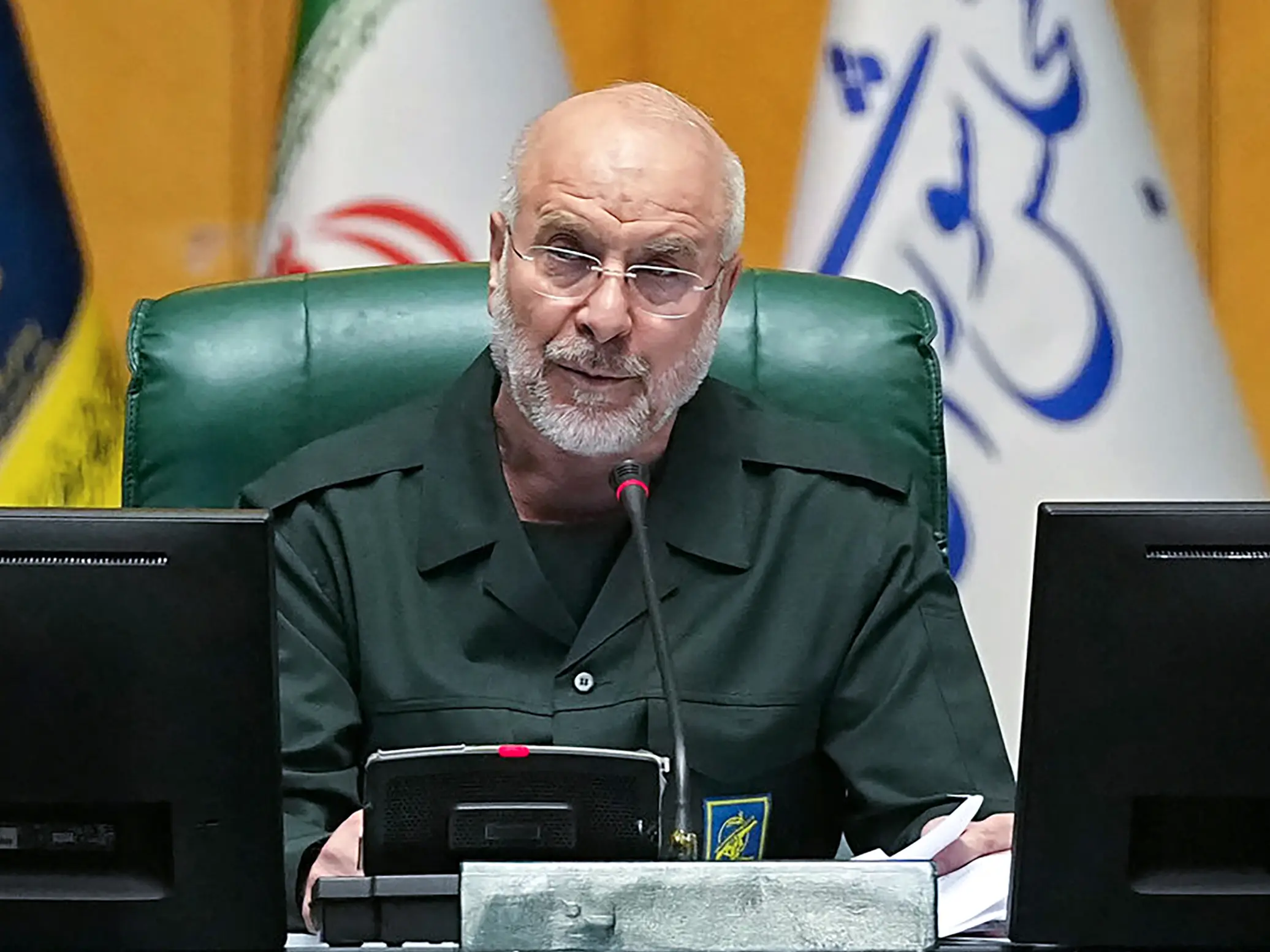
&imwidth=800&imheight=600&format=webp&quality=medium "Iran threatens to turn naval blockade into ‘another defeat’ for US")
Iran will overcome the United States' naval blockade of its ports, Iran's chief negotiator Mohammad Bagher Ghalibaf said on Monday, while accusing Washington of using maritime restrictions as part of a broader campaign against Tehran and linking them to the latest escalation in the region.
“We will turn the naval blockade — which is a war crime and part of the enemy’s conspiracy — into yet another defeat for them through comprehensive planning,” the semi-official Tasnim News Agency quoted Ghalibaf as saying.
His remarks came after US President Donald Trump said earlier in the day that the blockade, introduced in April, would remain in force until a final peace agreement is reached between the two sides.
Trump recently argued that the restrictions had given Washington greater leverage over Iran than military action. Ghalibaf, however, described the blockade as a violation of the temporary ceasefire and expressed a lack of trust in the American side.
Ghalibaf said Iran must continue to pursue both military operations and diplomacy to achieve its objectives.
Trending Stories
“The choice is not between war and negotiations,” Ghalibaf said, according to Tasnim. “Rather, we must fight when the time calls for fighting and negotiate when the time calls for negotiating.”
His comments underscored Tehran's position that diplomatic engagement and military preparedness should move forward together rather than be viewed as competing approaches.
The statements come after Iran and Israel agreed to a ceasefire following intervention by President Trump, who urged Israeli Prime Minister Benjamin Netanyahu to halt strikes against Iran.
The confrontation began after an Israeli airstrike in Beirut prompted a retaliatory ballistic missile barrage from Tehran. During the brief military exchange, both sides targeted key energy and petrochemical infrastructure, raising fears of a wider regional conflict.
The fighting also disrupted the fragile truce established in April and threatened to complicate planned peace talks between Washington and Tehran.
Both countries later signalled a halt to direct military operations on Monday afternoon after Trump's public intervention. However, Netanyahu stressed that the ceasefire remains conditional and warned that Israel would respond with "overwhelming force" if Iran or its regional allies resume hostilities.
(Disclaimer: WION takes utmost care to accurately and responsibly report ongoing conflicts in West Asia involving Israel, Iran, the US, Gulf nations and non-state actors like Hezbollah, Hamas, Houthis, Islamic State, and others. Claims and counterclaims, disinformation and misinformation are being made online and offline. Given this context, WION cannot independently verify the authenticity of all statements, social media posts, photos and videos.)
