Iran's Supreme Leader vows to 'avenge the blood' of his slain predecessor and father 'soon'

&imwidth=600&imheight=450&format=webp&quality=medium "Iran's Supreme Leader vows to 'avenge the blood' of his slain predecessor and father 'soon'")
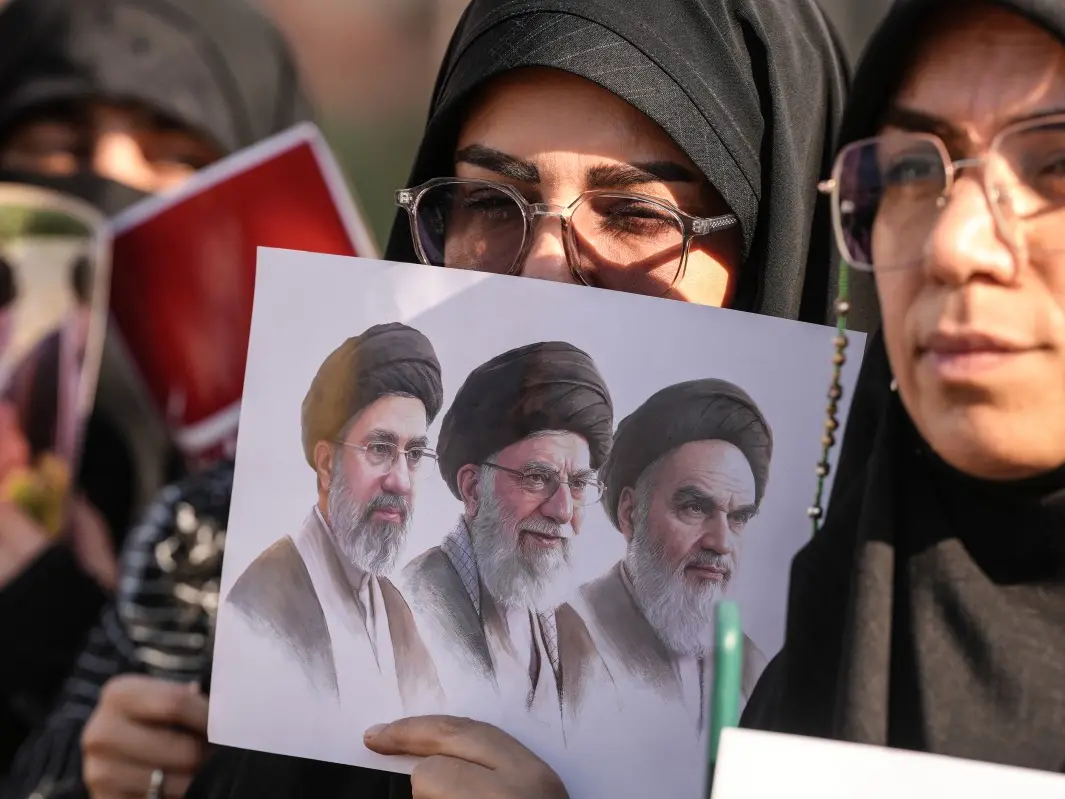
Mourners hold a placard depicting (from R) the late founder of the Islamic Republic, Ayatollah Ruhollah Khomeini, slain supreme leader Ayatollah Ali Khamenei, and current supreme leader Mojtaba Khamenei during a funeral procession for Ayatollah Ali Khamenei in Najaf on July 8, 2026. Photograph: (AFP)
Iran's Supreme Leader, Ayatollah Mojtaba Khamenei, vowed to avenge the killing of his father, Ayatollah Ali Khamenei, while Tehran warned that its commitment to the interim peace deal depends on the United States meeting its obligations.
Iran's Supreme Leader Ayatollah Mojtaba Khamenei on Saturday said avenging his slain predecessor and father was "the demand of the nation" and said it "must certainly" happen, according to a written message released on his Telegram account.
He issued the message during funeral ceremonies for his father, Ayatollah Ali Khamenei, which were held months after he was killed in the US-Israeli airstrikes on February 28.
"We pledge to avenge the blood of the martyred leader and all the martyrs of these two wars from the criminal and disgraced killers," Khamenei said in the message.
“Whether we are here or not, this will be achieved, and soon individuals among the freedom-seekers across the world will each carry out part of this divine mission,” he adds.
After six days of funeral ceremonies across Iran and Iraq, Ayatollah Ali Khamenei was laid to rest in his hometown of Mashhad on Thursday, July 9. The rites concluded early on Friday, July 10. The procession passed through Tehran, Qom, Najaf and Karbala before ending at the Imam Reza Shrine, where hundreds of thousands of mourners gathered for the final burial ceremonies more than four months after his death.
Reports suggested that mediators were working to keep the ceasefire on track, with a Qatari delegation travelling to Tehran. At the same time, the United States was seeking a public clarification on the strikes and a declaration regarding freedom of navigation through the Strait of Hormuz following the recent escalation in West Asia.
Trending Stories
)
)
)
)
)
)
)
)
)
)
)
)
)
)
)
)
)
)
)
)
)
)
&im=FitAndFill=(700,400))
)
)
)
)
)
)
)
&im=FitAndFill=(700,400))
)
)
)
)
)
)
Iran warns peace deal hinges on US actions
Meanwhile, Iran's ambassador to the United Nations on Friday urged the world body to take decisive action against the United States over what Tehran described as violations of international law.
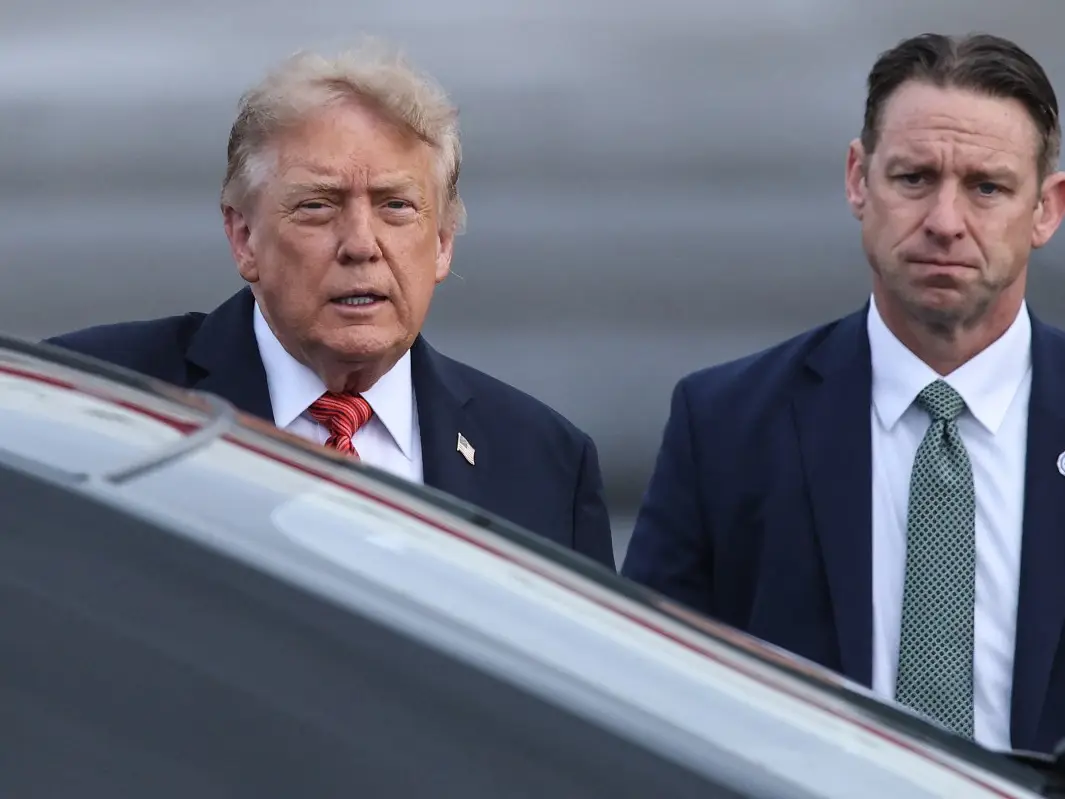
Amir Saeid Iravani said Iran's commitment to last month's framework peace deal depends entirely on the United States fulfilling its obligations. His remarks came after US President Donald Trump told reporters that the June ceasefire was "over" despite agreeing to resume negotiations with Tehran.
"The United States bears full international responsibility for all legal and political consequences arising from its unlawful action," Iravani told reporters following a UN Security Council session. He said that under the memorandum of understanding, responsibility for maritime navigation through the Strait of Hormuz, including reopening the waterway and carrying out any required demining operations, rests exclusively with Iran.