Iran outlines conditions for possible US deal: Oil sanctions relief, frozen funds release first; no talks on nuclear field now

&imwidth=600&imheight=450&format=webp&quality=medium "Iran outlines conditions for possible US deal: Oil sanctions relief, frozen funds release first; no talks on nuclear field now")
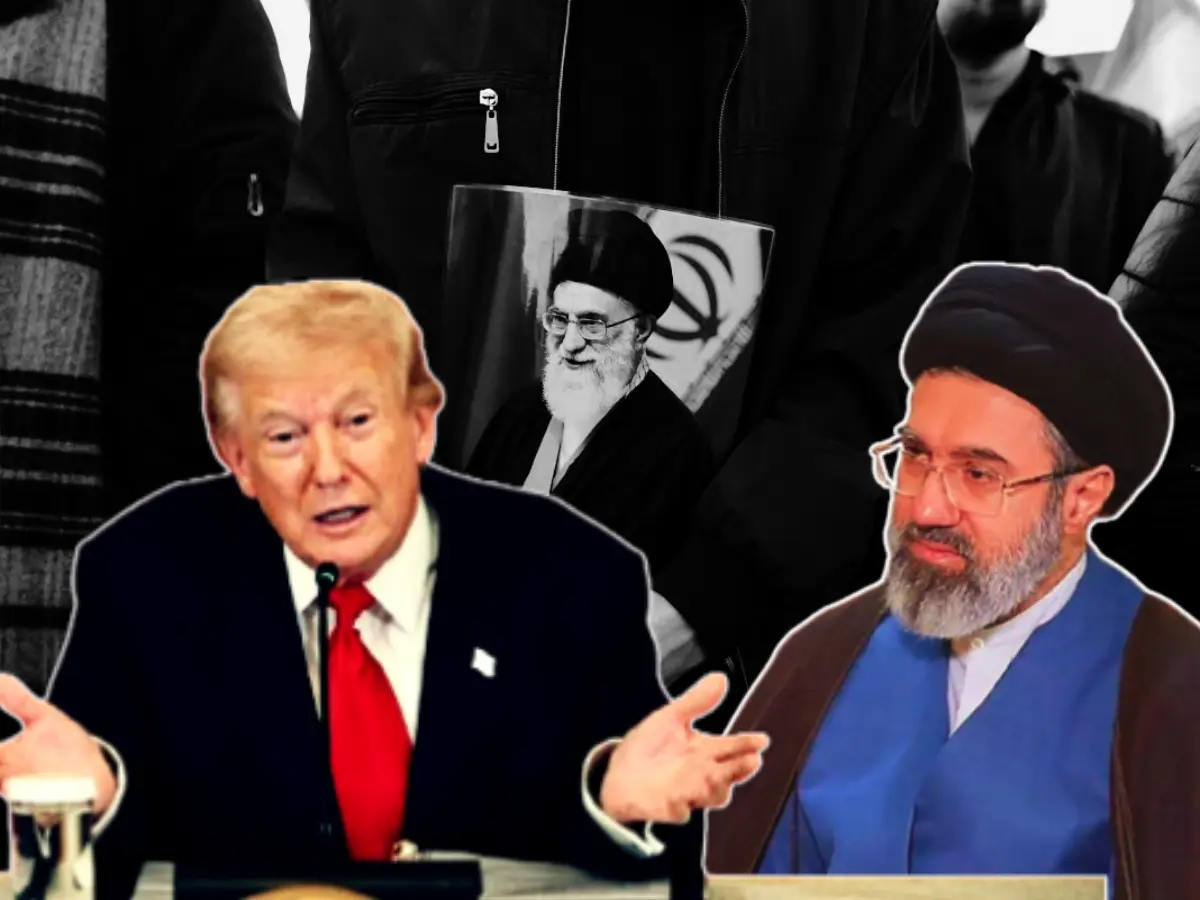
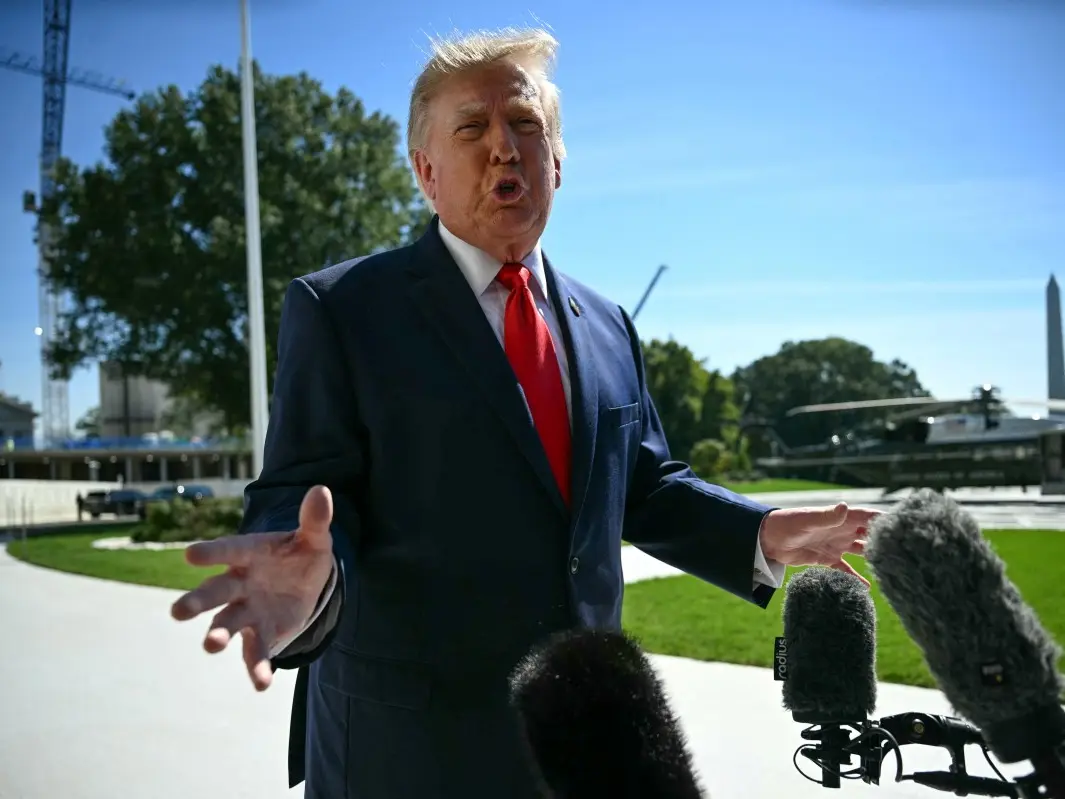
File photo of Donald Trump and Mojtaba Khamenei. Photograph: (AFP)
The proposed agreement reportedly stresses ending conflicts on all fronts, including in Lebanon. Under this reported clause, the Zionist regime, identified as a US ally, would also be required to end the war in Lebanon.
Iran has laid out several conditions on Sunday (May 24) for a possible US deal, suggesting that Washington could commit to waiving sanctions on Iranian oil during the negotiation period. The reported move would allow Iran to continue selling its oil without the restrictions currently imposed under sanctions for the duration of the talks.
The development comes amid negotiations that Washington and Tehran are close to signing an extension of the ceasefire by 60 days and reopening the Strait of Hormuz, according to a report by Axios.
Reports suggest that if both sides approve the terms of the preliminary agreement, a memorandum of understanding (MOU) would be announced first. The proposed agreement reportedly stresses ending conflicts on all fronts, including in Lebanon. Under this reported clause, the Zionist regime, identified as a US ally, would also be required to end the war in Lebanon.
Other conditions for Iran also include a 30-day timeframe that will be set for implementing measures related to the naval blockade and the Strait of Hormuz. At the same time, a separate 60-day period would be allocated for negotiations concerning the nuclear issue. According to the reports, Iran has so far not agreed to undertake any actions related to its nuclear programme.
Iran-US potential agreement over nuclear stockpiles
Trending Stories
&imwidth=280&imheight=210&format=webp&quality=medium)
&imwidth=280&imheight=210&format=webp&quality=medium)
&imwidth=280&imheight=210&format=webp&quality=medium)
&im=FitAndFill=(700,400)&imwidth=280&imheight=210&format=webp&quality=medium)
&imwidth=280&imheight=210&format=webp&quality=medium)
&imwidth=280&imheight=210&format=webp&quality=medium)
&imwidth=280&imheight=210&format=webp&quality=medium)
&imwidth=280&imheight=210&format=webp&quality=medium)
&imwidth=280&imheight=210&format=webp&quality=medium)
&imwidth=280&imheight=210&format=webp&quality=medium)
&imwidth=280&imheight=210&format=webp&quality=medium)
&imwidth=280&imheight=210&format=webp&quality=medium)
&im=FitAndFill=(700,400)&imwidth=280&imheight=210&format=webp&quality=medium)
&imwidth=280&imheight=210&format=webp&quality=medium)
&imwidth=280&imheight=210&format=webp&quality=medium)
&imwidth=280&imheight=210&format=webp&quality=medium)
&imwidth=280&imheight=210&format=webp&quality=medium)
&imwidth=280&imheight=210&format=webp&quality=medium)
&imwidth=280&imheight=210&format=webp&quality=medium)
&imwidth=280&imheight=210&format=webp&quality=medium)
&imwidth=280&imheight=210&format=webp&quality=medium)
&imwidth=280&imheight=210&format=webp&quality=medium)
&imwidth=280&imheight=210&format=webp&quality=medium)
&imwidth=280&imheight=210&format=webp&quality=medium)
&imwidth=280&imheight=210&format=webp&quality=medium)
&imwidth=280&imheight=210&format=webp&quality=medium)
&imwidth=280&imheight=210&format=webp&quality=medium)
&imwidth=280&imheight=210&format=webp&quality=medium)
&imwidth=280&imheight=210&format=webp&quality=medium)
&imwidth=280&imheight=210&format=webp&quality=medium)
&imwidth=280&imheight=210&format=webp&quality=medium)
&imwidth=280&imheight=210&format=webp&quality=medium)
&imwidth=280&imheight=210&format=webp&quality=medium)
&im=FitAndFill=(700,400)&imwidth=280&imheight=210&format=webp&quality=medium)
Iran also emphasised in the MoU to end the war on all fronts and the withdrawal of US combat forces from Iran's surrounding environment. Meanwhile, several media and officials have claimed that "Iran has committed to a potential agreement with Washington to reduce its nuclear stockpiles, remove equipment, or shut down its facilities." However, the final draft agreement's review underscored these claims as completely unfounded.
In response to these misleading assertions, sources familiar with the negotiations rejected what they described as misleading claims, stating that the draft of the proposed agreement between Iran and the United States contains no provisions related to Iran’s nuclear commitments. According to them, all matters concerning the nuclear programme have been postponed to a separate 60-day negotiation period that would begin after the agreement is signed.
The sources also said that, contrary to suggestions made by some media outlets, Iran would not be required under the draft agreement to hand over its nuclear stockpiles, dismantle equipment, shut down facilities or commit to refraining from developing a nuclear weapon.
Instead, the parties have reportedly agreed to release all or part of Iran’s frozen assets to facilitate the start of negotiations. The draft also reportedly allows maritime passage through the Strait of Hormuz at pre-conflict levels under Iran’s management, alongside the lifting of the naval blockade. In addition, sanctions targeting Iran’s oil, gas, petrochemical and related sectors would reportedly be temporarily eased during the negotiation period, enabling the country to freely export its products.

