Iran could be winner, US a loser from UAE-Qatar tensions

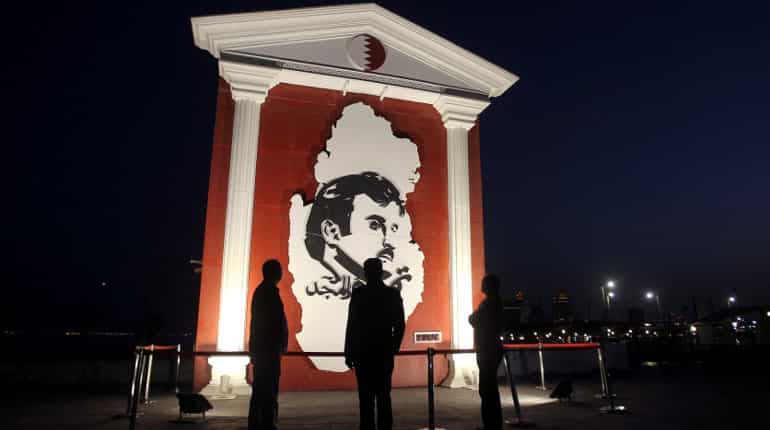
Sheikh Tamim Bin Hamad Al-Thani
Abu Dhabi says Qatari air force jets intercepted two UAE civilian aircraft on commercial flights to Bahrain last month, and Doha says UAE military aircraft violated its airspace on Dec. 21 and January 3
A rise in tension between Qatar and the United Arab Emirates in a row over military flights threatens USstrategic interests in the Gulf and could benefit regional rival Iran.
Abu Dhabi says Qatari air force jets intercepted two UAE civilian aircraft on commercial flights to Bahrain last month, and Doha says UAE military aircraft violated its airspace on Dec. 21 and January 3.
Each denies the other's accusations and the two energy-producing states have sought to ease the dispute. The risk of a confrontation between them has increased but a war between them is unlikely, regional experts say.

The increase in tension, seven months after the UAE, Saudi Arabia, Bahrain and Egypt imposed travel and trade sanctions on Qatar over accusations -- denied by Doha -- that it supports terrorism and regional rival Iran, has alarmed Washington.
"When you have Qatari (military) planes being scrambled near a civilian airliner, it runs the risk of an incident that, even unplanned, could result in the loss of lives and escalate this into an situation Gulf countries have never had among each other," said a Western diplomat, speaking on condition of anonymity.
Gabriel Collins, an expert on financial sanctions at Rice University in Texas, said "military posturing" against a background of underlying tension because of the diplomatic and trade sanctions "left space for a miscalculation."
&imwidth=180&imheight=135&format=webp&quality=medium)
Rahul Gandhi's plea against Election Commission delayed as Supreme Court registry flags 14 ‘defects’
&im=FitAndFill=(700,400)&imwidth=180&imheight=135&format=webp&quality=medium)
Navratri 2026: 9 days, 9 forms of Goddess Durga and 9 colours- Check the complete list
&imwidth=180&imheight=135&format=webp&quality=medium)
Korean peninsula tensions escalate as North Korea launches multiple ballistic missiles, PACOM says 'no threat to US personnel'
&imwidth=180&imheight=135&format=webp&quality=medium)
Trump weighs firing Kimberly Guilfoyle as US ambassador to Greece amid misconduct allegations: Report
&imwidth=180&imheight=135&format=webp&quality=medium)
Anti-SIR protest in Mumbai: Protestors wear black masks & ribbons in Mumbai
&imwidth=180&imheight=135&format=webp&quality=medium)
UK PM Andy Birnham renews claims of Russian meddling in Brexit vote
&imwidth=180&imheight=135&format=webp&quality=medium)
BCCI rejects venue shift reports, India vs Sri Lanka 1st ODI to remain in Delhi
&imwidth=180&imheight=135&format=webp&quality=medium)
'Absolutely disgusting': Australia slams US plan to livestream Nidal Hasan's execution; Mike Johnson raises concerns, warns of terrorist propaganda
&im=FitAndFill=(700,400)&imwidth=180&imheight=135&format=webp&quality=medium)
The world’s best places to live in 2026: Is your city on the list? Top 7 ranked
&imwidth=180&imheight=135&format=webp&quality=medium)
1,500 drones illuminate Mumbai sky as Cordelia Cruises unveils second ship, Cordelia Sky
&imwidth=180&imheight=135&format=webp&quality=medium)
‘Fortress breached, reclaimed’: CJP leaders enter Jantar Mantar a day after loss of protest venue status | WATCH
&imwidth=180&imheight=135&format=webp&quality=medium)
Houthis warns US of 'painful response' if Washington joins Saudi war in Yemen as airlines suspend flights to Saudi Arabia
&imwidth=180&imheight=135&format=webp&quality=medium)
Congress demands action against chief election commissioner
&imwidth=180&imheight=135&format=webp&quality=medium)
'Turn approver, resign, we'll forgive you': Rahul Gandhi claims receiving messages from CEC Gyanesh Kumar
&imwidth=180&imheight=135&format=webp&quality=medium)
'I will not be silenced': Ilhan Omar alleges political intimidation after federal officers search her Washington home
&imwidth=180&imheight=135&format=webp&quality=medium)
Robotic surgery, advanced treatment: What is coming to this small Gujarat town?
&imwidth=180&imheight=135&format=webp&quality=medium)
Pakistan's government blames PTI for rise of terrorism in Khyber Pakhtunkhwa
&imwidth=180&imheight=135&format=webp&quality=medium)
‘This is just the start’: Maaya Rajeshwaran on historic ITF title, confidence boost and future goals
&imwidth=180&imheight=135&format=webp&quality=medium)
I.N.D.I.A. Bloc lists 10 requests to Supreme Court
&im=FitAndFill=(700,400)&imwidth=180&imheight=135&format=webp&quality=medium)
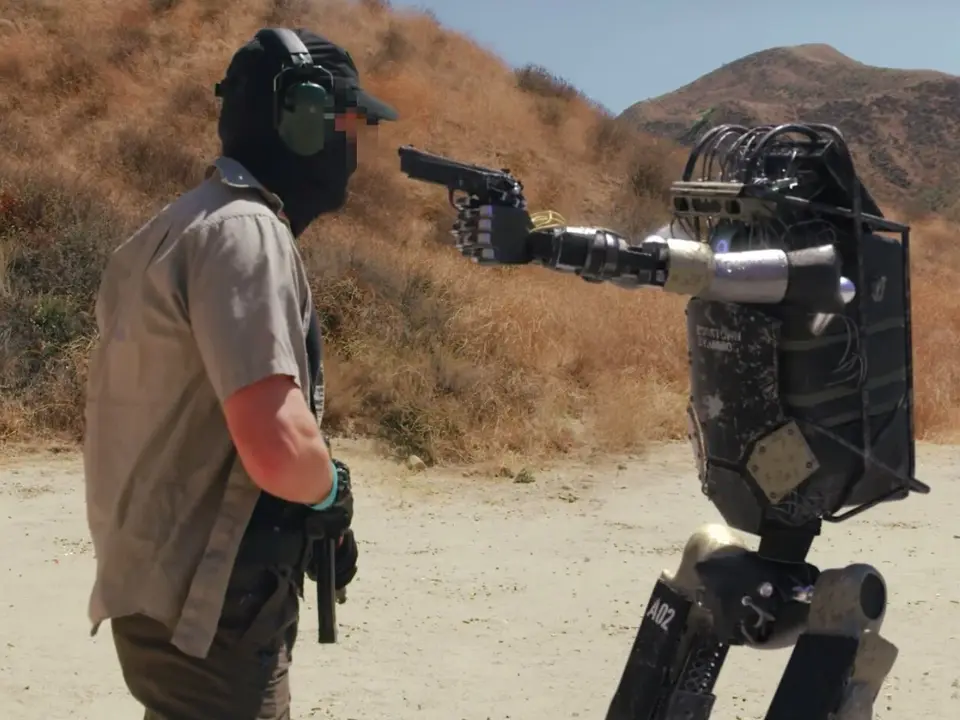
How does a robot decide what to do next?
&imwidth=180&imheight=135&format=webp&quality=medium)
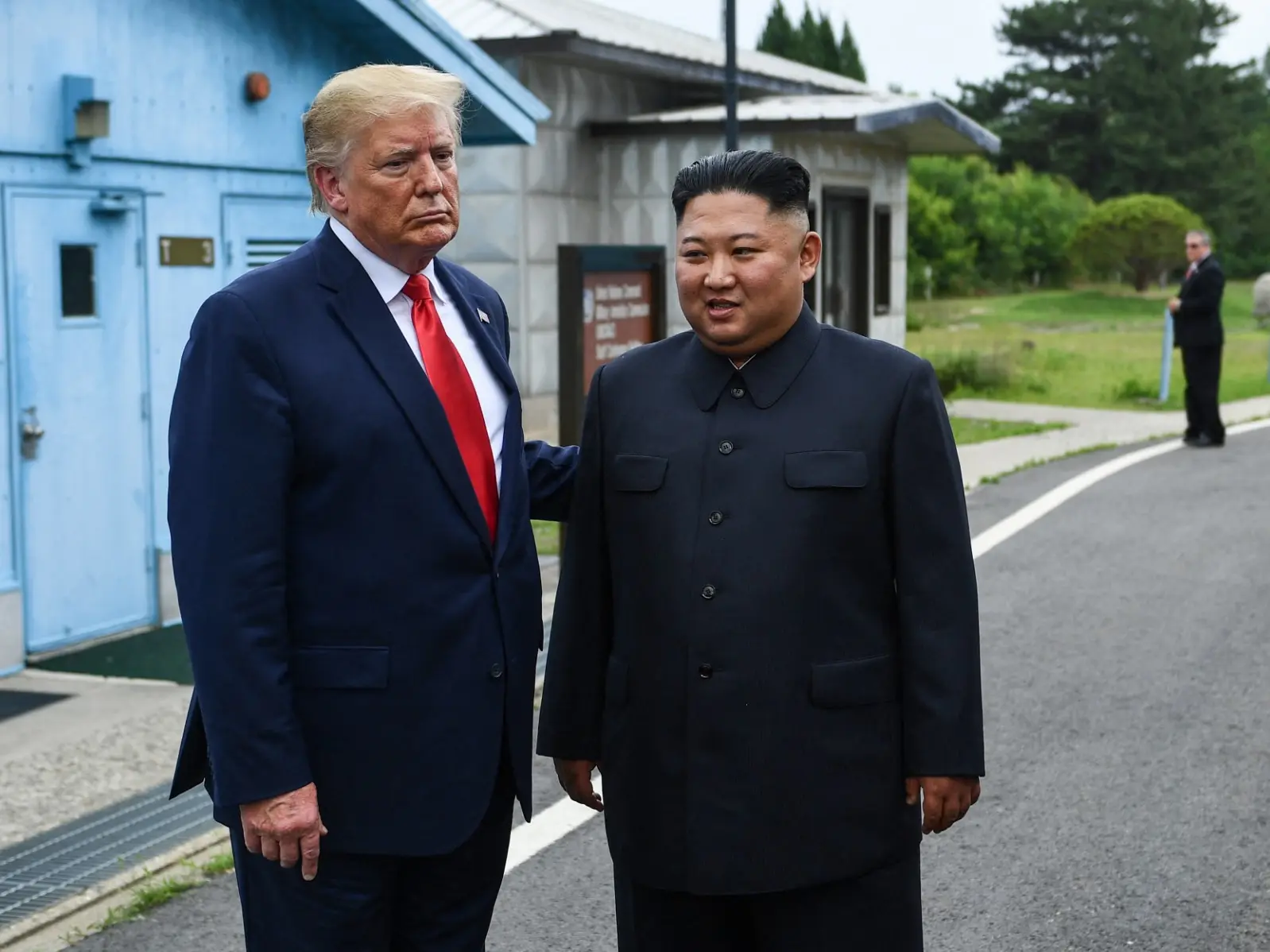
Trump says he 'may' meet North Korean leader Kim Jong Un during upcoming Asia trip
&imwidth=180&imheight=135&format=webp&quality=medium)
'Ouch!!! That must hurt': Kangana Ranaut hails Kamal Haasan's sharp reply to Elon Musk over Starlink row
&imwidth=180&imheight=135&format=webp&quality=medium)
Sidhu Moose Wala’s younger brother wins hearts by recreating late singer’s signature move at Toronto Hologram Show
&imwidth=180&imheight=135&format=webp&quality=medium)
Girl 'dead' for 8 hours wakes up at her own funeral, dad insists she wasn't breathing
&imwidth=180&imheight=135&format=webp&quality=medium)
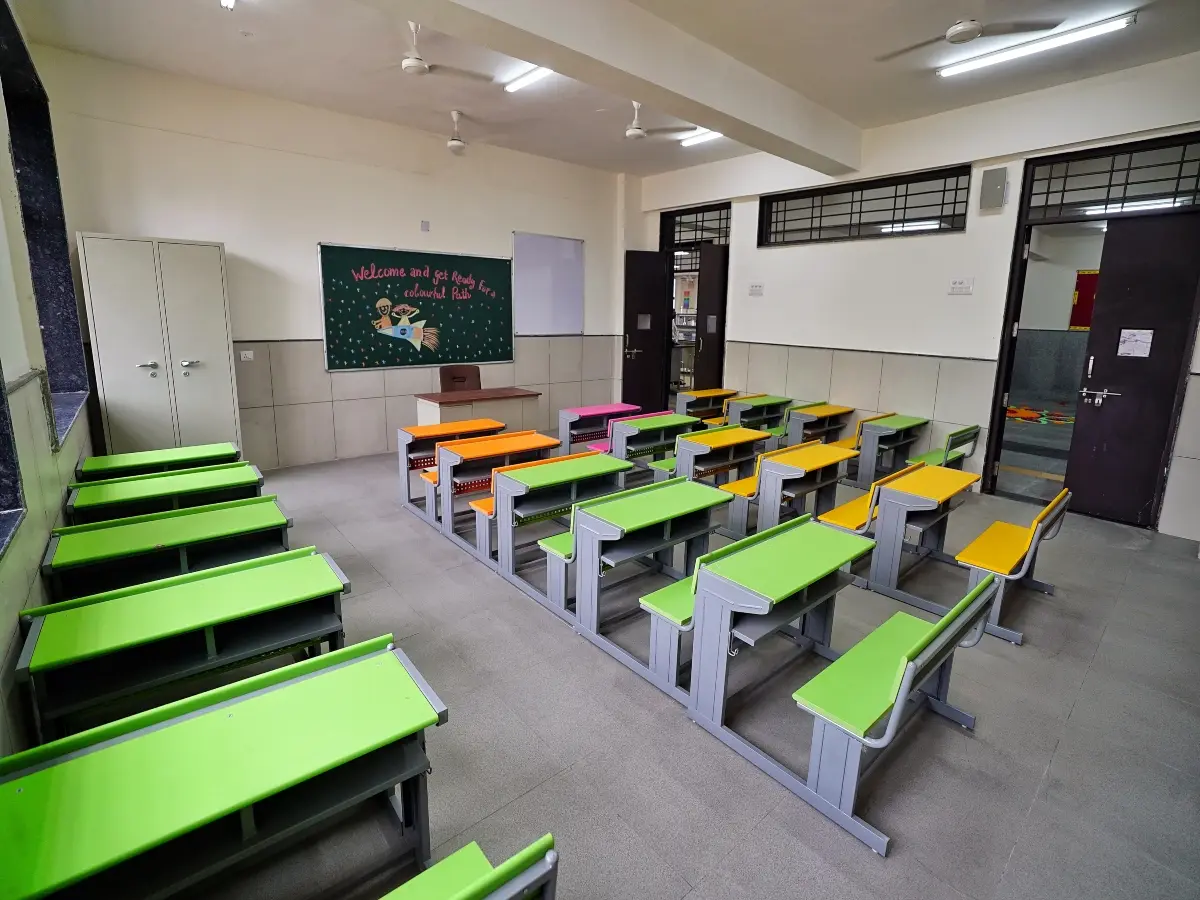
UK school ditches technology, shifts from screen to pen and paper for learning
&imwidth=180&imheight=135&format=webp&quality=medium)
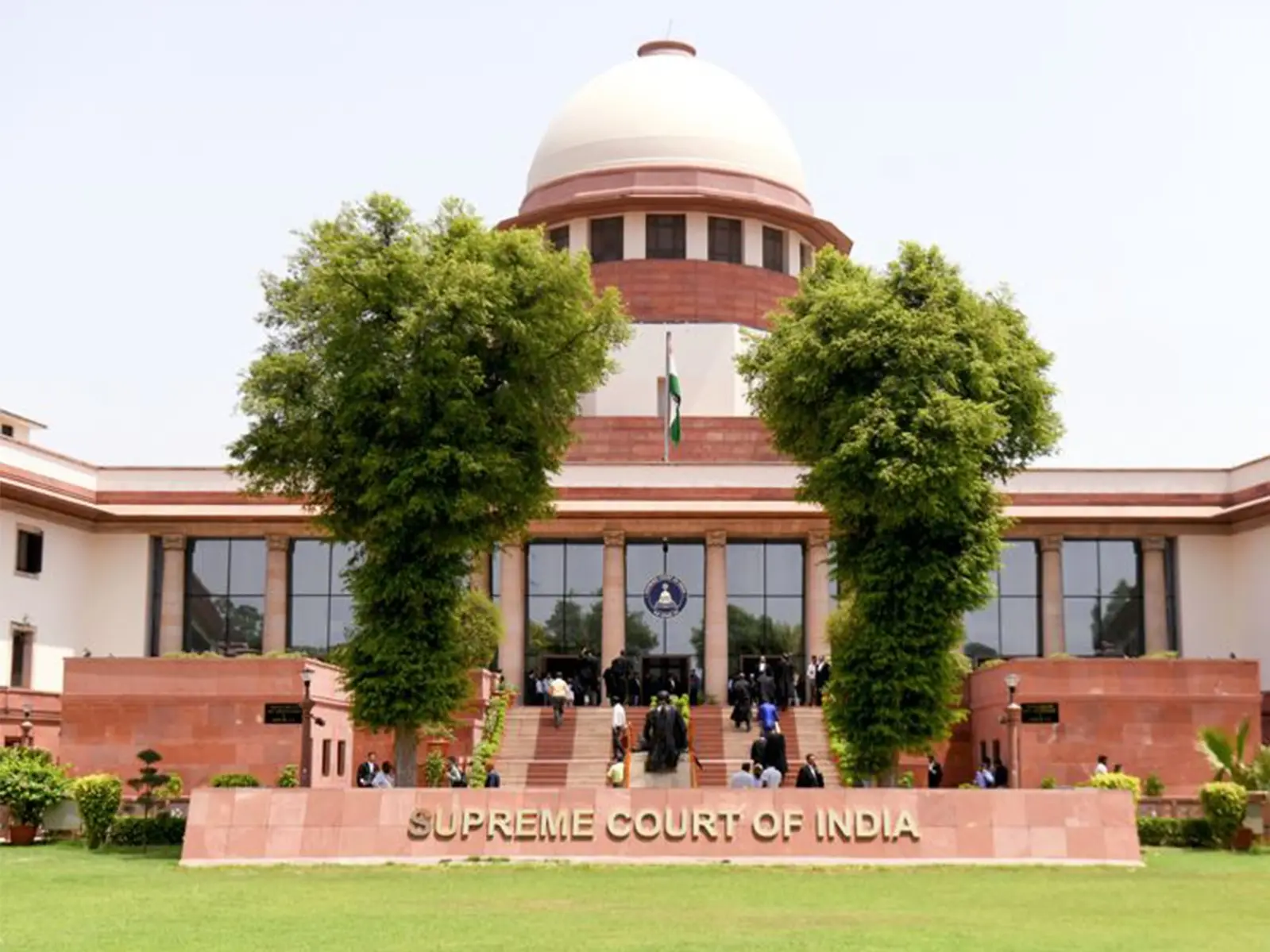
Opposition’s 10 demands in Supreme Court petition range from stay on SIR to audit of voter rolls
&imwidth=180&imheight=135&format=webp&quality=medium)
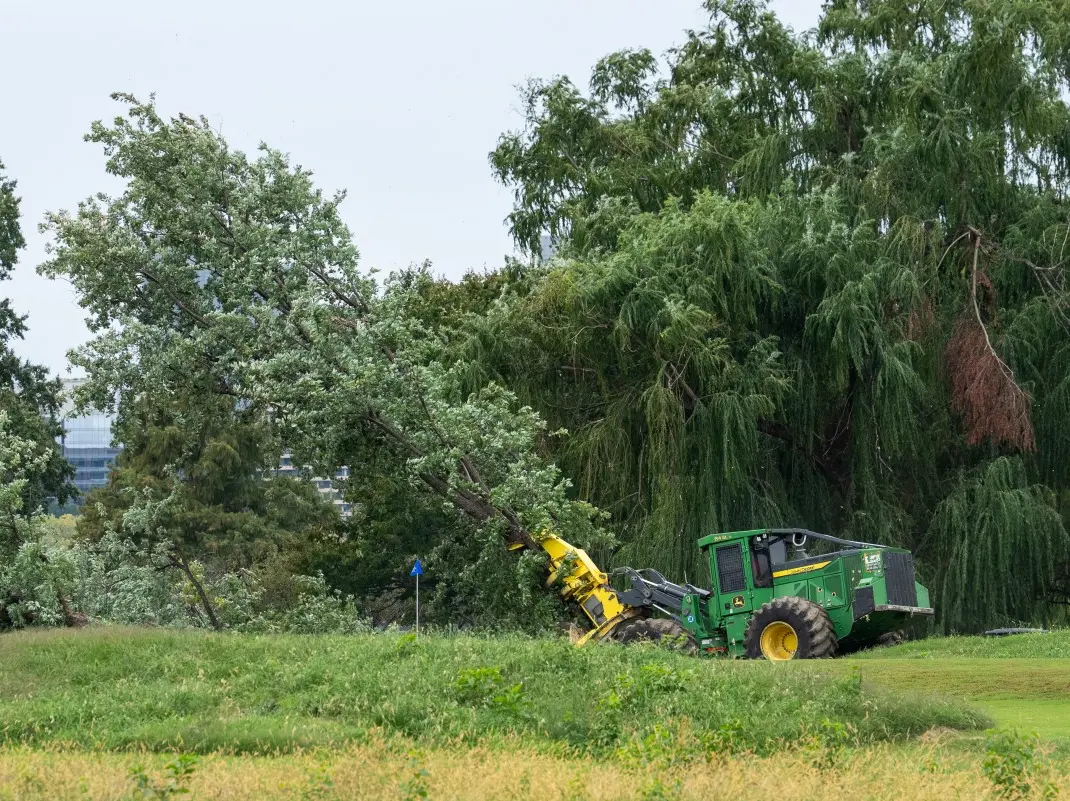
'I am thoroughly unamused': Judge slams Trump administration after 400 trees cut at Washington golf course
&im=FitAndFill=(700,400)&imwidth=180&imheight=135&format=webp&quality=medium)
New OTT releases this week (October 12-18, 2026): Sacrifice, Koffee with Karan S9, Roadies Rebirth- 6 titles coming on Netflix, JioHotstar and more
&imwidth=180&imheight=135&format=webp&quality=medium)
Delhi protest: CJI Surya Kant declines to meet India Bloc leaders
&imwidth=180&imheight=135&format=webp&quality=medium)
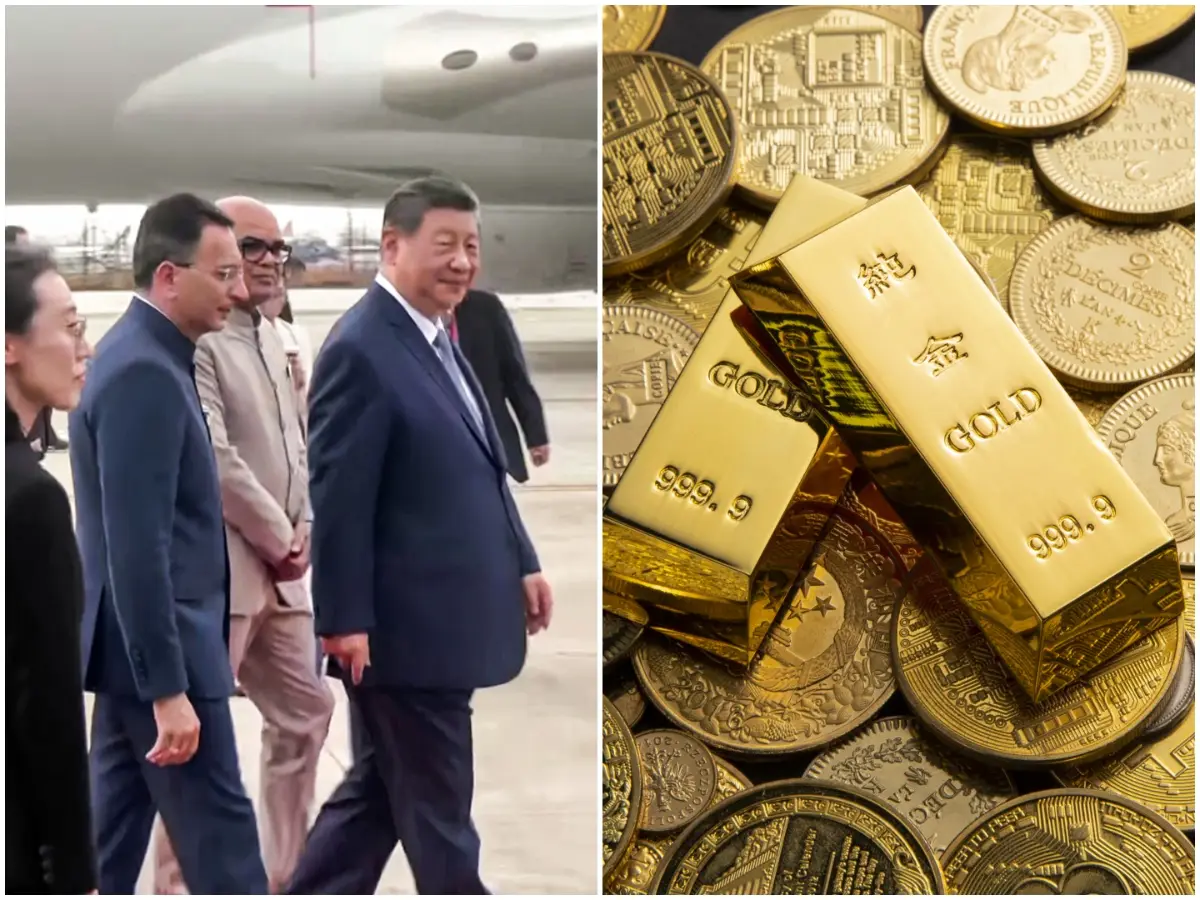
China’s gold rush puts billion in focus
&imwidth=180&imheight=135&format=webp&quality=medium)
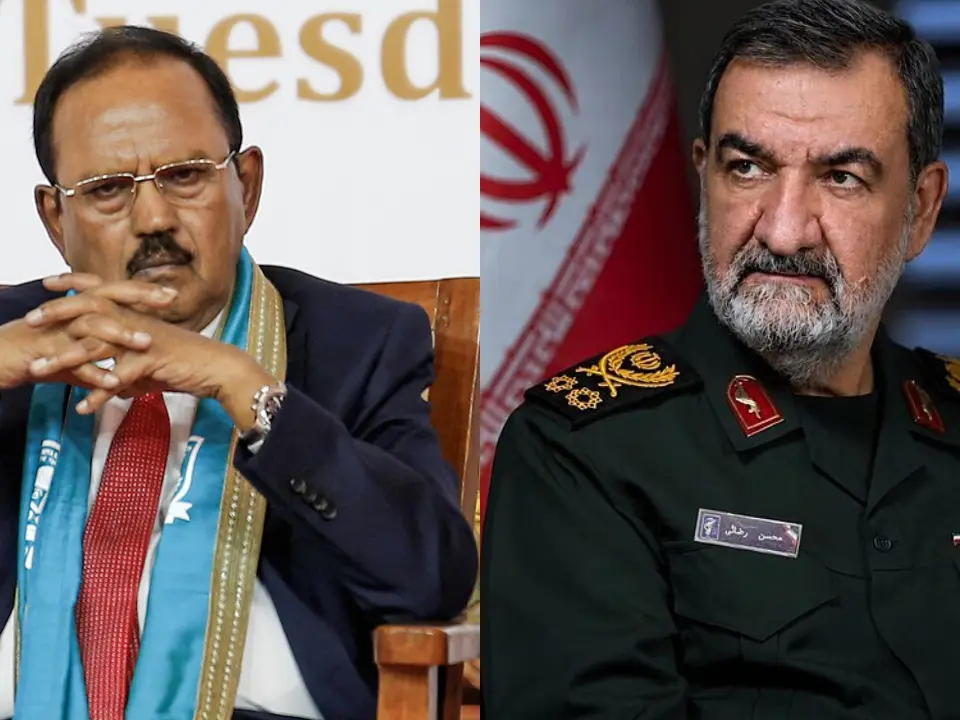
India's Ajit Doval, Iran's Mohsen Rezaei hold talks amid escalating West Asia tensions, discuss 'issues of mutual interest'
&imwidth=180&imheight=135&format=webp&quality=medium)
New Cold War: Why is China buying more gold? Explained
&imwidth=180&imheight=135&format=webp&quality=medium)
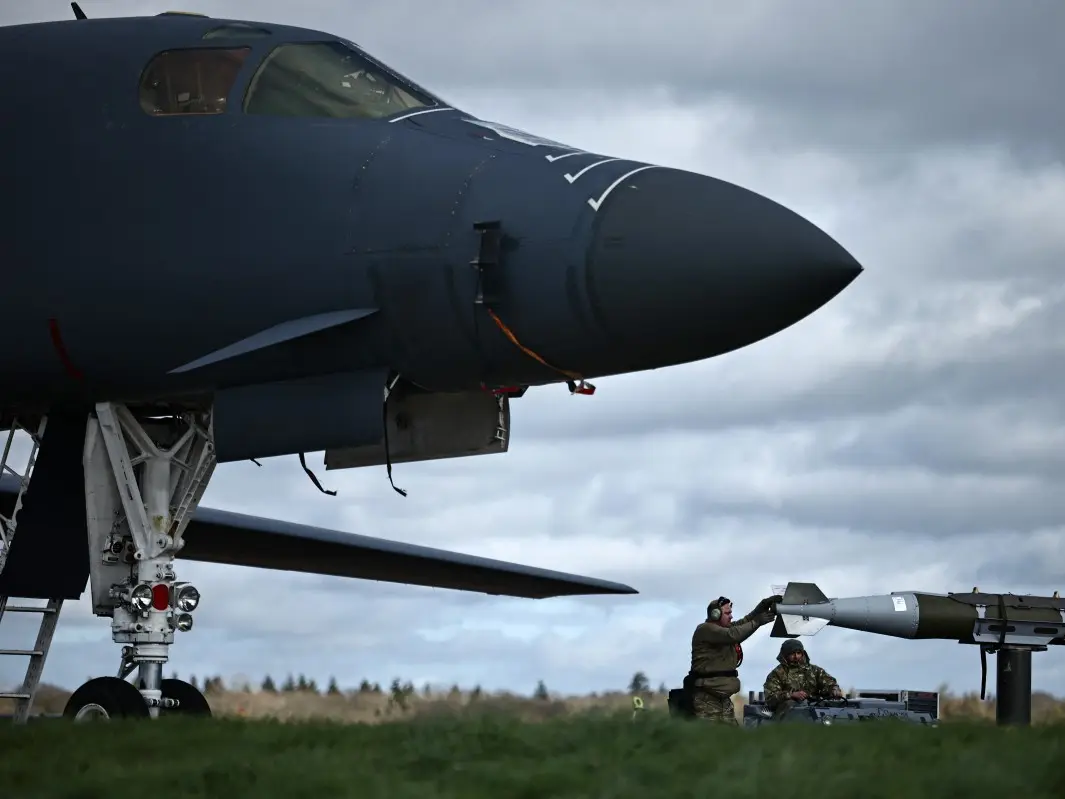
'Almost certainly': UK Prime Minister Andy Burnham says Iran's IRGC behind RAF Fairford threat
&imwidth=180&imheight=135&format=webp&quality=medium)
Elon Musk pumps $276 million into Republican campaigns ahead of US midterm elections
"A very small spark can, in a worst-case scenario, light a huge fire," he said.
USDefense Secretary James Mattis has said the fracturing of ties among its Gulf Arab allies hinders Washington's fight against Islamic State and "countering the spread of Iran's malign influence".
Iran has criticised the restrictions on Qatar and called for the rift to be resolved through dialogue. Foreign Minister Mohammad Javad Zarif has lamented what he called a "dialogue deficit" in the region.
The Gulf is a strategically important area for the United States. The USFifth Fleet is based in Bahrain and the Al Udeid Air Base in Qatar is a centre of its air operations against Islamic State.
"The United States considers both Qatar and the UAE to be critical regional partners," a USAir Forces Central Command spokesman in Qatar said in response to a Reuters request for comment on the incidents. He called for "meaningful solutions to reduce tensions."
The base would be crucial if the United States were to go to war with Iran, which Washington says sponsors terrorism and is a threat to stability and USinterests in the Middle East. Tehran denies the accusations.