Indian sailor killed, 8 other injured as Iran strikes UAE tankers in Strait of Hormuz: 'Grave violation' of international law

&imwidth=600&imheight=450&format=webp&quality=medium "Indian sailor killed, 8 other injured as Iran strikes UAE tankers in Strait of Hormuz: 'Grave violation' of international law")
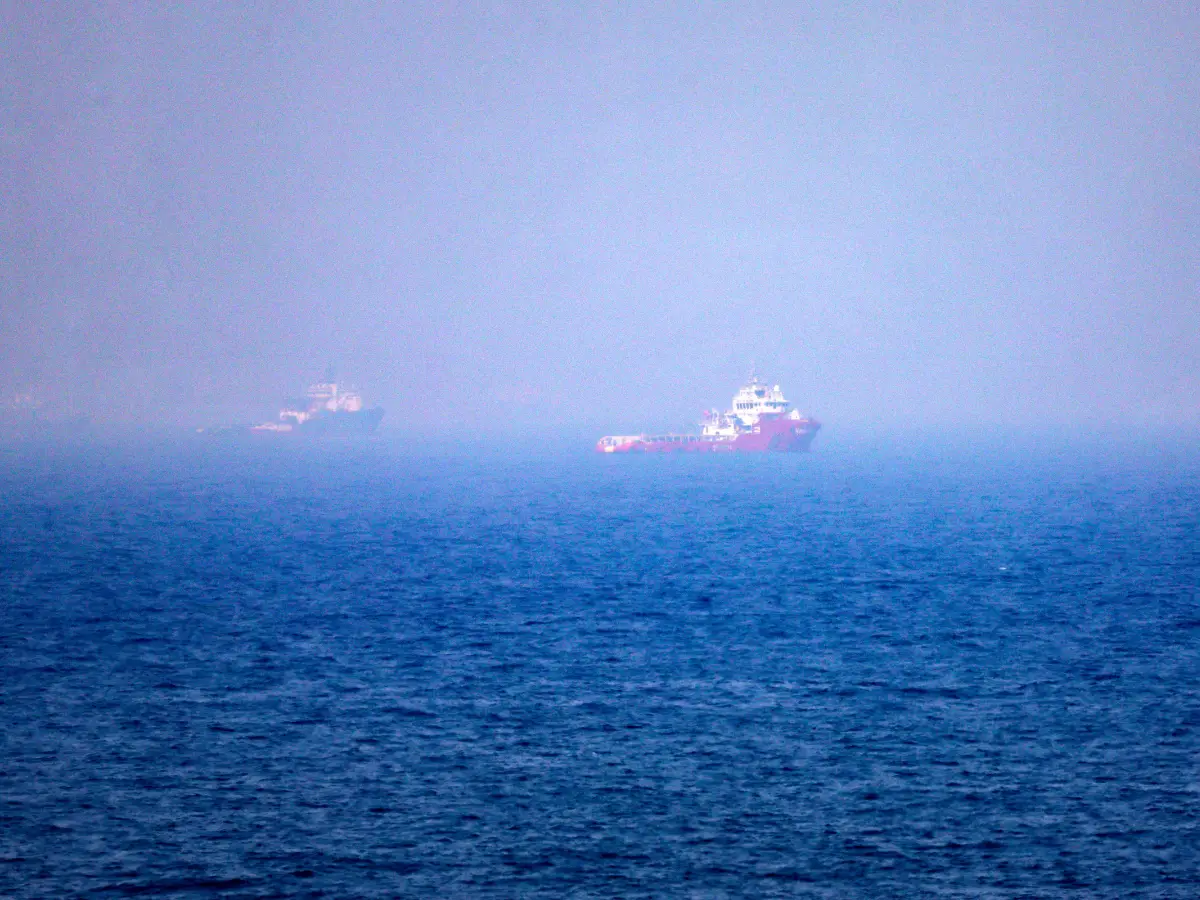
This picture shows ships sailing near the Strait of Hormuz off the eastern coast of the United Arab Emirates at Khor Fakkan on July 13, 2026. Photograph: (AFP)
A cruise missile attack on two UAE oil tankers in the Strait of Hormuz has left one Indian sailor dead and several others injured, dramatically escalating tensions in one of the world's most critical shipping lanes. Scroll down to know what happened.
The United Arab Emirates has accused Iran of launching cruise missile strikes on two of its national oil tankers transiting the Strait of Hormuz. The strikes, it said, killed an Indian crew member and injured eight others. In a statement issued on Tuesday (Jul 14), the UAE Ministry of Defence said the tankers, Mombasa and Al Bahiyah, were struck by two Iranian cruise missiles while sailing through the southern shipping lane of the Strait of Hormuz in Omani territorial waters.
What we know about the Indian sailor killed in Iran attack
According to the ministry, one Indian sailor aboard the Mombasa was killed in the attack. The country is yet to release the name and details of the Indian crew member killed in the latest Iranian attack.
Eight crew members were also injured, including six Indian nationals and two Ukrainians. Four of the injured suffered serious wounds. "The attack also caused material damage to both tankers as a result of the fires that broke out on board, which have since been brought under control," it added in a post.
UAE condemns attack, warns of consequences
Trending Stories
&imwidth=280&imheight=210&format=webp&quality=medium)
&imwidth=280&imheight=210&format=webp&quality=medium)
&imwidth=280&imheight=210&format=webp&quality=medium)
&imwidth=280&imheight=210&format=webp&quality=medium)
&imwidth=280&imheight=210&format=webp&quality=medium)
&imwidth=280&imheight=210&format=webp&quality=medium)
&imwidth=280&imheight=210&format=webp&quality=medium)
&imwidth=280&imheight=210&format=webp&quality=medium)
&imwidth=280&imheight=210&format=webp&quality=medium)
&imwidth=280&imheight=210&format=webp&quality=medium)
&im=FitAndFill=(700,400)&imwidth=280&imheight=210&format=webp&quality=medium)
&imwidth=280&imheight=210&format=webp&quality=medium)
&imwidth=280&imheight=210&format=webp&quality=medium)
&imwidth=280&imheight=210&format=webp&quality=medium)
&imwidth=280&imheight=210&format=webp&quality=medium)
&imwidth=280&imheight=210&format=webp&quality=medium)
&imwidth=280&imheight=210&format=webp&quality=medium)
&im=FitAndFill=(700,400)&imwidth=280&imheight=210&format=webp&quality=medium)
&imwidth=280&imheight=210&format=webp&quality=medium)
&imwidth=280&imheight=210&format=webp&quality=medium)
&imwidth=280&imheight=210&format=webp&quality=medium)
&imwidth=280&imheight=210&format=webp&quality=medium)
&imwidth=280&imheight=210&format=webp&quality=medium)
&imwidth=280&imheight=210&format=webp&quality=medium)
&imwidth=280&imheight=210&format=webp&quality=medium)
&imwidth=280&imheight=210&format=webp&quality=medium)
&imwidth=280&imheight=210&format=webp&quality=medium)
&imwidth=280&imheight=210&format=webp&quality=medium)
&imwidth=280&imheight=210&format=webp&quality=medium)
&imwidth=280&imheight=210&format=webp&quality=medium)
The UAE described the attack as a "grave violation" of international law and condemned what it called a direct threat to regional security and global maritime trade. It added that the country reserves the right to respond and has raised its military readiness to protect its national interests.
The UAE Ministry of Foreign Affairs also issued a strong condemnation, extending condolences to the family of the deceased Indian crew member and the Government and people of India. "The Ministry extended its sincere condolences and sympathy to the family of the victim, as well as to the Government and people of the Republic of India, and wished all the injured a speedy recovery," the statement read.
Calling the targeting of commercial shipping an act of piracy, the ministry warned against using the Strait of Hormuz as a tool of "economic coercion" or "blackmail". It urged Iran to immediately halt attacks, cease hostilities, and fully reopen the strategic waterway to ensure regional stability and safeguard the global economy.
Fresh US-Iran confrontation deepens regional crisis
The incident comes amid renewed military confrontation between the United States and Iran. The latest flare-up began after Iran's Islamic Revolutionary Guard Corps (IRGC) closed the Strait of Hormuz, prompting large-scale American retaliatory strikes on Iranian targets. The United States has also announced that it will resume a naval blockade targeting maritime traffic linked to Iran.
Disclaimer: WION takes utmost care to accurately and responsibly report ongoing conflicts in West Asia involving Israel, Iran, US, Gulf nations and non-state actors like Hezbollah, Hamas, Houthis, Islamic State, and others. Claims and counterclaims, disinformation and misinformation are being made online and offline. Given this context, WION cannot independently verify the authenticity of all statements, social media posts, photos and videos.

