India's new war machine: Can Rudra and Bhairav Brigades tame China and Pakistan?

&imwidth=600&imheight=450&format=webp&quality=medium "India's new war machine: Can Rudra and Bhairav Brigades tame China and Pakistan?")
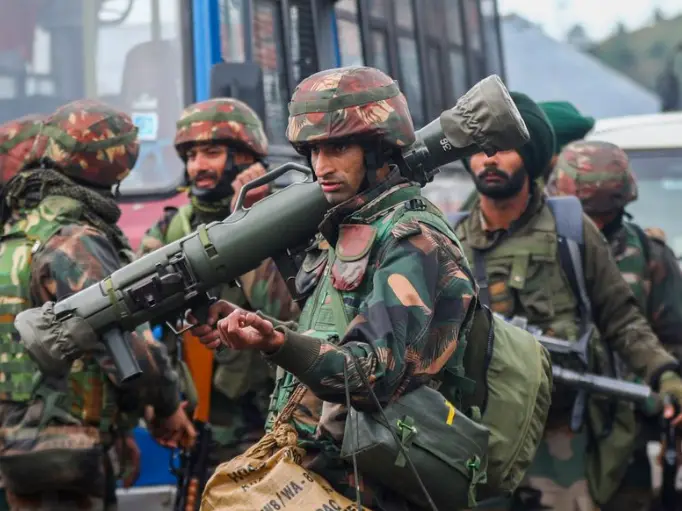
India's new war machine: Can Rudra and Bhairav Brigades tame China and Pakistan? Photograph: (Credit: PTI)
In simple terms, the actions of Pakistan’s army and China’s PLA are meant to pressure and limit the Indian Army’s moves. Because of this, India’s military leaders now see the need to rethink and adjust their strategies to deal with these challenges more effectively.
With 2025 declared as the ‘Year of Reforms’ by the Ministry of Defence (MoD), India is forming Rudra brigades and Bhairav battalions to restructure the Indian Army. These changes, along with new technology upgrades and training systems, aim to prepare the Army for modern warfare and face threats from China and Pakistan. However, implementing these reforms faces some challenges and risks of escalation.
In the past decade, China and Pakistan have worked to strengthen their positions against India, especially along the Line of Control (LoC) and the Line of Actual Control (LAC). After India reorganised Jammu and Kashmir in 2019, both countries built a closer partnership against New Delhi. Under Xi Jinping, China has become more aggressive in its territorial disputes, often using force or military threats to push its claims.
The Chinese Army (PLA) has created new flashpoints along the Line of Actual Control (LAC) over the past decade. It has had multiple clashes with the Indian Army, including in Depsang (2013), Chumar (2014), Burtse (2015), Doklam (2017), Galwan and Naku La (2020), and most recently at the Yangtse ridge in 2022 during border talks.
These actions were part of the Chinese Army’s ‘salami slicing’ strategy, which means slowly taking small pieces of territory step by step to change borders without starting a full-scale war. This creates a situation India must accept as a fact. However, the Indian Army and government responded firmly, sending more troops to stay fully prepared along the LAC.
The Chinese Army’s repeated attempts to pressure India have taught important lessons and led to new military strategies to deal with such threats. At the same time, Pakistan has become more daring, using terror groups as part of its larger plan to challenge India’s defence strategy.
In simple terms, the actions of Pakistan’s army and China’s PLA are meant to pressure and limit the Indian Army’s moves. Because of this, India’s military leaders now see the need to rethink and adjust their strategies to deal with these challenges more effectively.
Trending Stories
)
)
)
)
)
)
)
)
)
)
)
)
)
)
)
)
)
)
&im=FitAndFill=(700,400))
)
)
)
&im=FitAndFill=(700,400))
)
&im=FitAndFill=(700,400))
&im=FitAndFill=(700,400))
)
The Indian Army is changing its strategy to deal with China and Pakistan more effectively. It is now building stronger offensive capabilities against the Chinese Army (PLA) to create a “deterrence by punishment” strategy, meaning any attack would invite a strong counter-response. This new approach was clearly seen during the Operation Kailash Ranges in 2020, when the Indian Army captured two key mountain positions — Rezang La and Rechin La — on the southern bank of Pangong Tso Lake.
This move gave the Indian Army a strong tactical advantage over the Chinese Army (PLA) and helped it gain the upper hand in border talks, as Indian troops could overlook the Moldo garrison on the northern side of Pangong Tso Lake. This success also encouraged military leaders to plan more offensive and strategic options for the future.
The formation of the Bhairav and Rudra brigades is part of India’s effort to build a stronger deterrence against its two main rivals, China and Pakistan. This plan aims to create new military strategies and doctrines to deal with China’s “fait accompli” tactics — which means creating a situation on the ground that others are forced to accept as a fact, without direct confrontation.
Designed as fast and flexible combat units, these battalions are based on the earlier idea of Integrated Battle Groups (IBGs), first introduced by General Bipin Rawat, India’s late Chief of Defence Staff. This marks a shift in focus from Pakistan to tackling the growing challenge from China.
The Rudra battalions build on small Ghatak platoons — special assault teams trained for high-risk missions like raids and close combat — to create lean, fast, and tougher units. Designed like brigades, they can carry out offensive raids inside enemy territory and inflict higher costs on any attacker. Their main goal is to deter serious incursions along India’s borders by being quick, flexible, and always ready to strike.
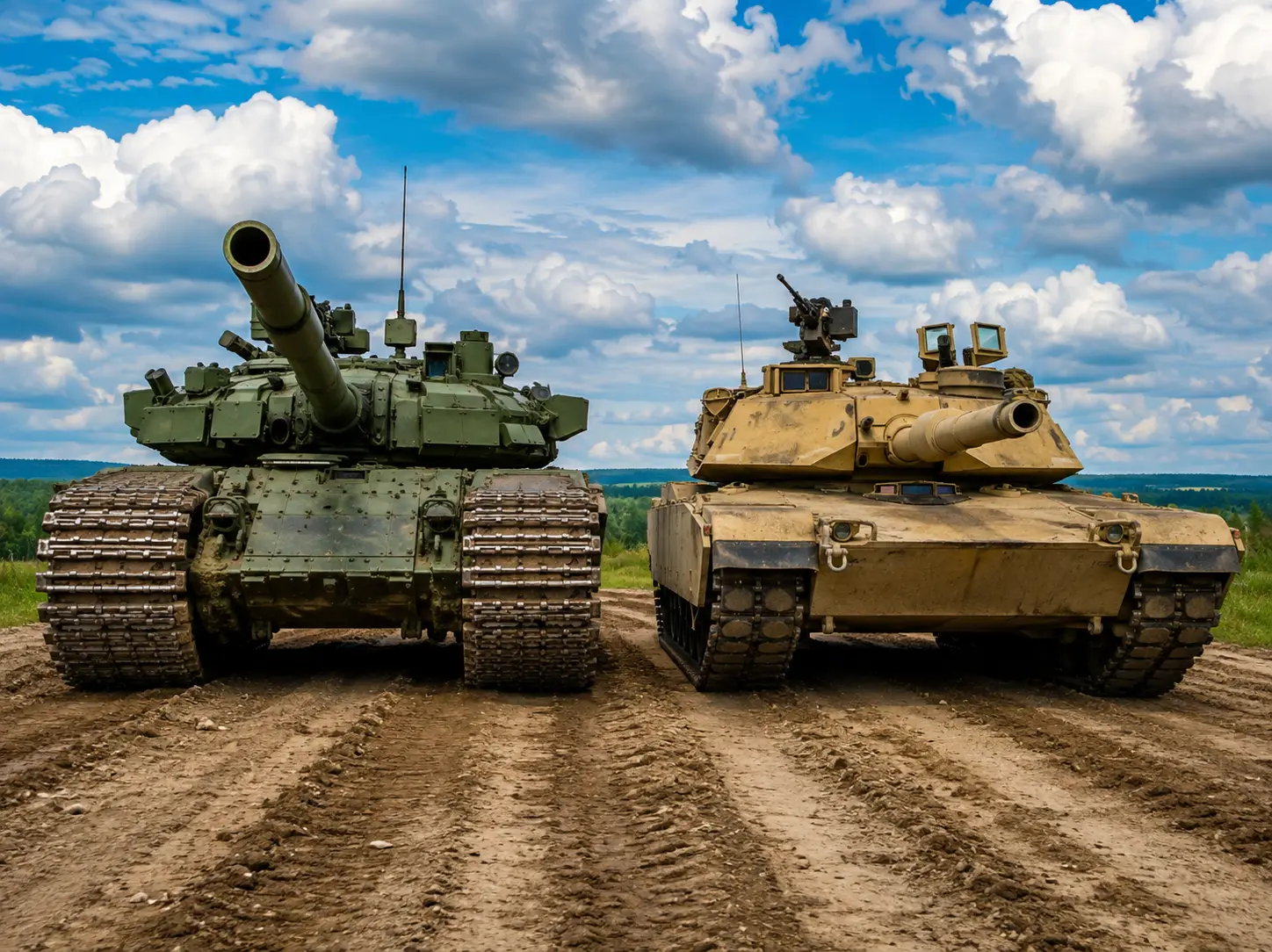
Rudra brigades and Bhairav battalions are built to work together—infantry, tanks, artillery and drones—so they can quickly capture small, clear objectives without huge troop movements. To face Pakistan’s asymmetric nuclear strategy (using Tactical Nuclear Weapons — small nukes meant for battlefield use), these lean forces offer a safer, measured option instead of sending a massive corps.
They aim to do the job fast, limit escalation, and reduce the risk of nuclear or wider war while still imposing costs on any attacker.
Along the Line of Actual Control (LAC), India keeps the Mountain Strike Corps (MSC) for large-scale wars. The Bhairav battalions, however, give a smaller, flexible, and less-escalatory option to meet Chinese pressure. They are designed to respond quickly, push back limited coercion, and manage tactical escalation without triggering full-scale conflict.
The army must plan how and when to send reinforcements so any escalation is met quickly and correctly; this planning should be built into everyday doctrine and operational plans so commanders know when to act and how to avoid a larger war.
As India modernises its military planning and adjusts to a no-war, no-peace situation, it must take a major precaution — to balance innovation with caution, ensuring that new strategies don’t lead to unintended escalation or instability.
India is reorganising the Army to form Rudra brigades and Bhairav battalions. These new units make the force quicker and stronger, giving it a clear deterrent (to stop enemies) and the ability to push back if needed against China and Pakistan.
Against both China and Pakistan, these forces are designed to deter threats and, if needed, compel action. In simple terms, deterrence and compellence are two sides of the same strategy — coercion, where one side uses strength and pressure to prevent or force the other to act. In simple terms, this Army reorganisation shows strong political will and a readiness to take risks by military leaders to face ongoing threats. It is designed to handle any rise in conflict—big or small—through controlled and balanced use of force.
