In Olympics-heavy policy speech, Japan PM says Games mark new era for nation


Shinzo Abe
Six months before the TokyoOlympicsopen, theGamesare already inescapable inJapan,including dominating Prime Minister Shinzo Abe'spolicyspeechto parliament on Monday.
Normally a staid set-piece laying out a nationalpolicy, Abe this time began with an impassioned evocation of the last time Tokyo hosted the SummerOlympics, in 1964,proudly viewed asmarkingJapan's return to the world stage after its defeat in World War Two.
"The first-ever live broadcast of anOlympics. As the entire world watched, the final runner entered theNational Stadium, Olympic torch in hand," Abe said.

"It was a 19-year-old youth from Hiroshima, born on the day the atomic bomb fell, and his dynamic running showed that ournationhad fully recovered from being flattened by bombings and, full of confidence and pride, proclaimed to the worldJapanwas embarking on aneraof rapid growth."
In aspeechthat mentioned theOlympicsand Paralympics by name more than a dozen times, Abe said this year'sGameswill do the same thing for anationhe said was written off after a long period of economic stagnation.
)
Delhi Air pollution: Strict crackdown on waste burning
)
IIT Bombay student death: CCTV footage becomes key evidence as police reconstruct Sahil Wakode's final hours
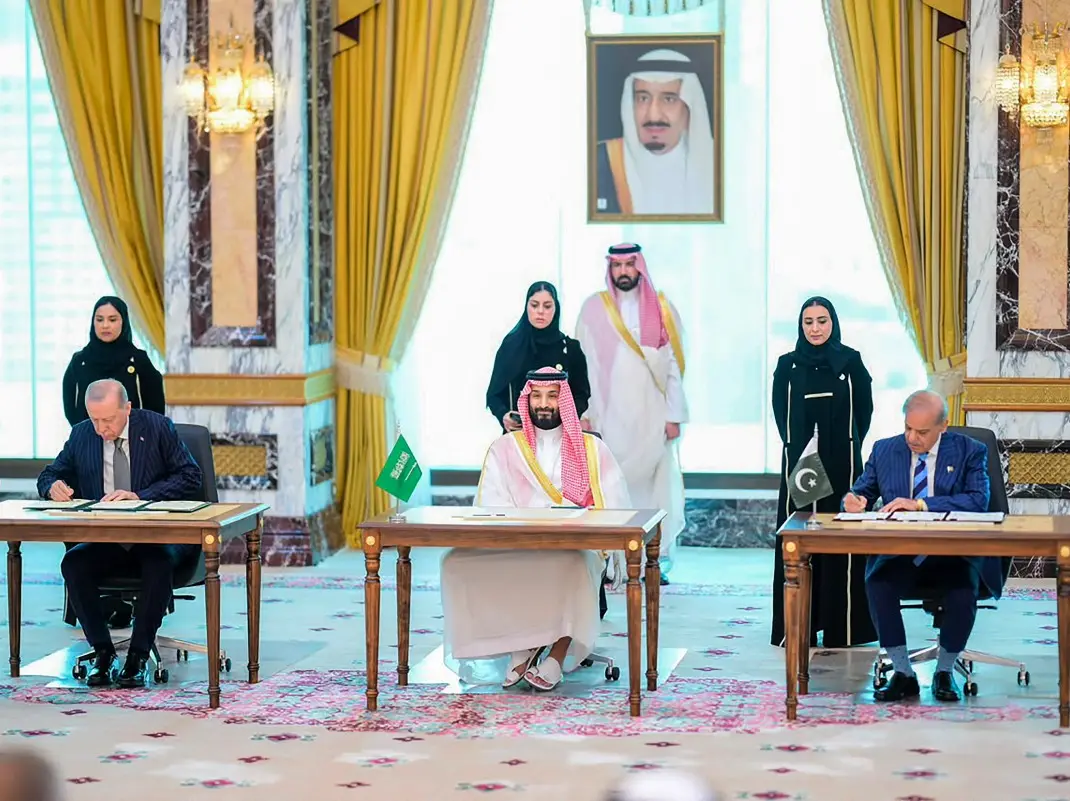)
The Verdict | The Mecca Agreement is under scrutiny as Houthis attack Saudis
)
IIT Bombay tensions ease after three-hour open house; director’s assurances pacify students
)
Two infants die after fire breaks out at RIMS newborn care unit in Telangana's Adilabad
)
‘0% chance’: Nvidia CEO Jensen Huang dismisses AI extinction fears by 2030
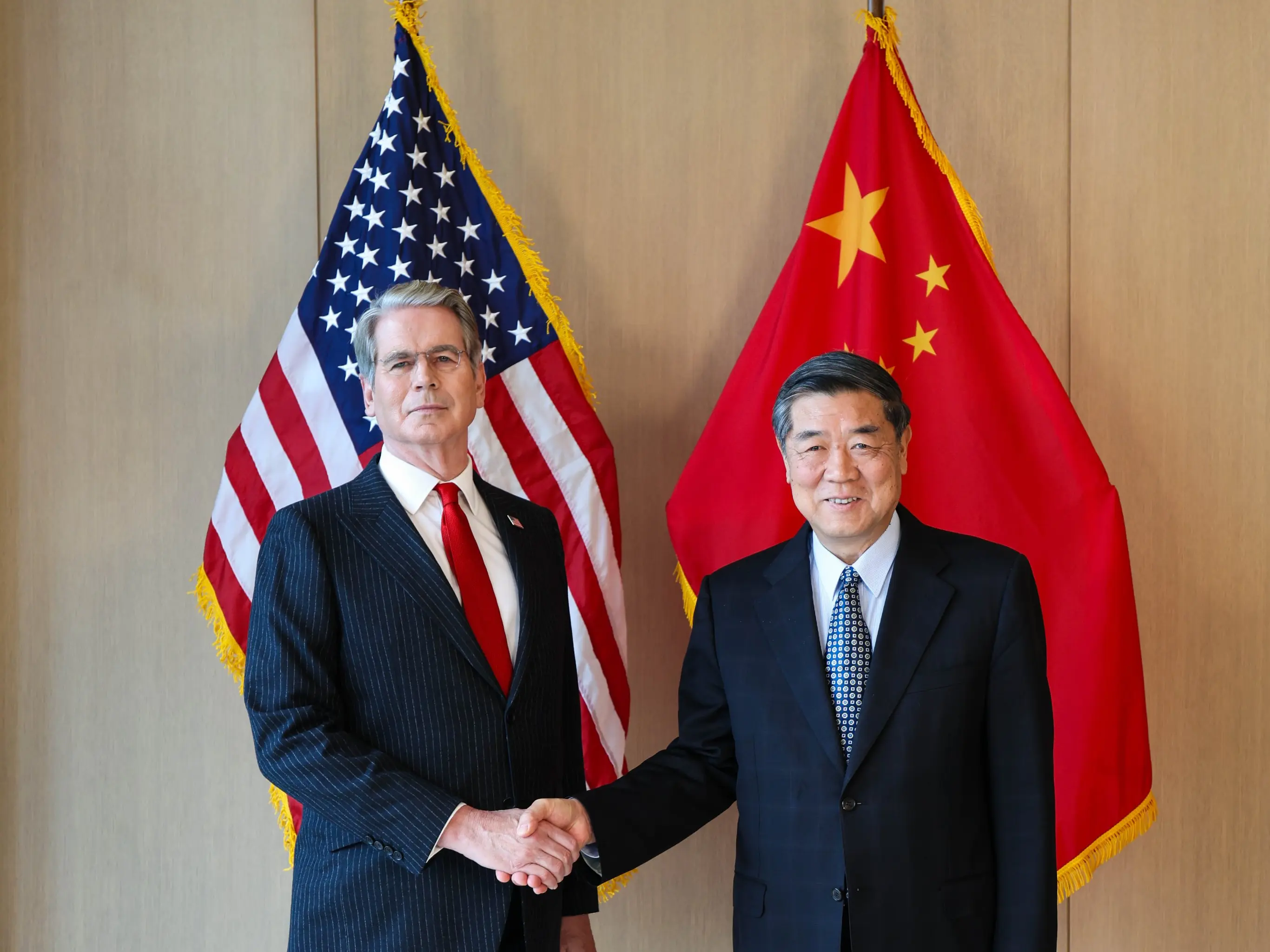)
Bessent meets China’s He Lifeng to prepare for Trump-Xi summit
)
BTS fans mock iHeartRadio’s day 2 turnout after short set controversy
)
Russia-Ukraine war: Russian strikes knock out three of Ukraine's largest steel plants
)
How Zaheer Khan came to be CSK's head coach of IPL 2027
)
US and China vie for AI dominance as calls grow for regulation | Gravitas
)
Microsoft executive called AI training the ‘largest theft of labour in human history’
)
Glitch in the matrix caught on camera: Woman vanishes after talking to reporter
)
Mahabharat actor Saurav Gurjar arrested in Hyderabad, sent to 14-day judicial custody in sexual exploitation case
)
Explainer: Why rare-earth export licences and Board of Trade are US priorities ahead of Trump-Xi summit
)
'Needs time away from the international scene': England white-ball captain Brook on pacer Brydon Carse's future
)
Jailer 2: Vidya Balan joins Rajinikanth's upcoming film as Kantha | Watch
)
J&K Assembly Session begins amid chaos: BJP, ruling alliance clash as statehood demand dominates
)
'Lot of things to learn from experienced players': Jayasuriya backs Rohit, Virat for 2027 ODI World Cup
)
WATCH | Mysterious lights over Tehran caught on video. Drone, aircraft or something else?
)
$110 billion Warner Bros merger: Paramount reaches settlement with 12 US states
)
Saudi Arabia exits China-led mBridge digital currency platform amid Saudi-Houthi conflict
)
Anti-AI activists storm summit, say 'incompetent' leaders are leading us into a disaster - 'We need a vote'
)
Putin's United Russia party wins 355 seats in Duma election; 4 other parties cross threshold to enter parliament
)
Trump's helipad event overshadowed by audio failure as major TV networks suspend pool coverage
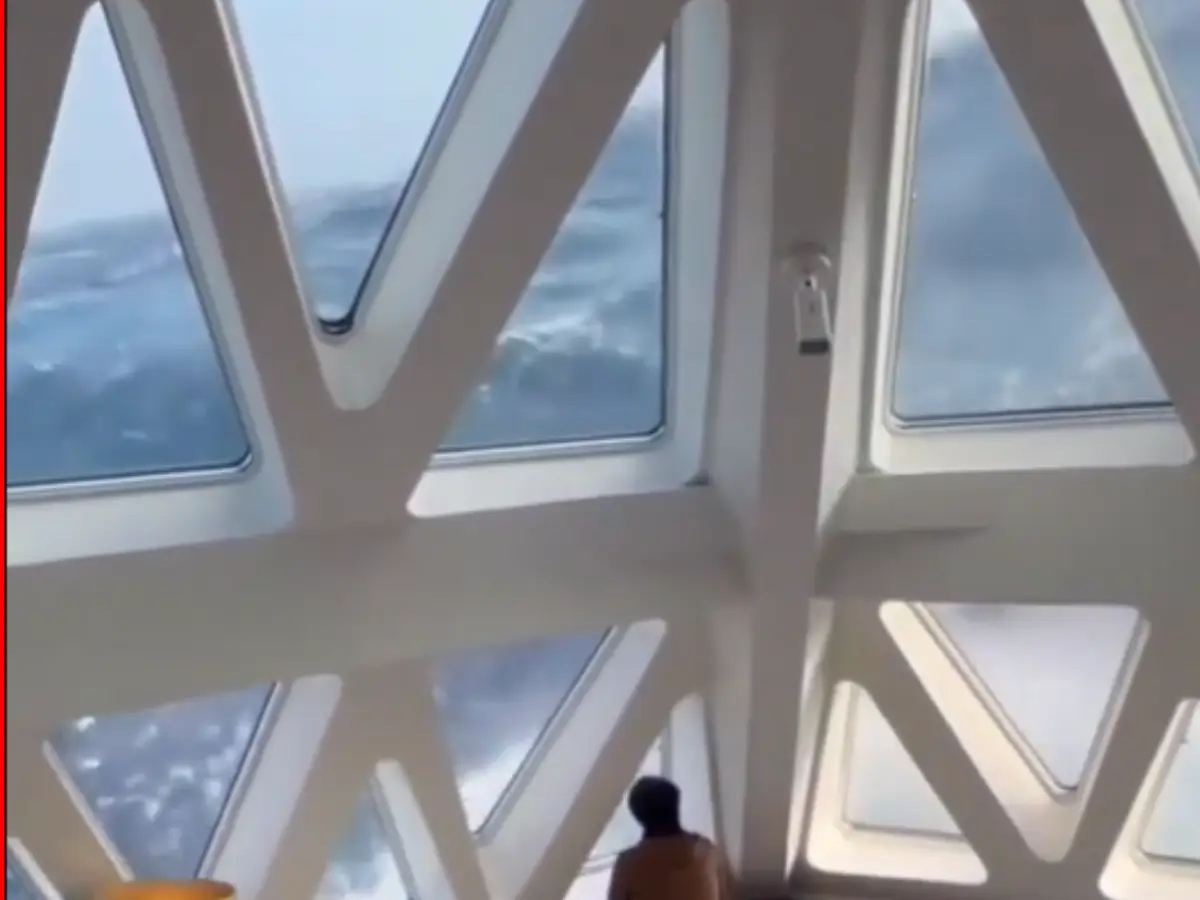)
40-foot waves crash into cruise ship in dangerous stretch near Antarctica. Watch
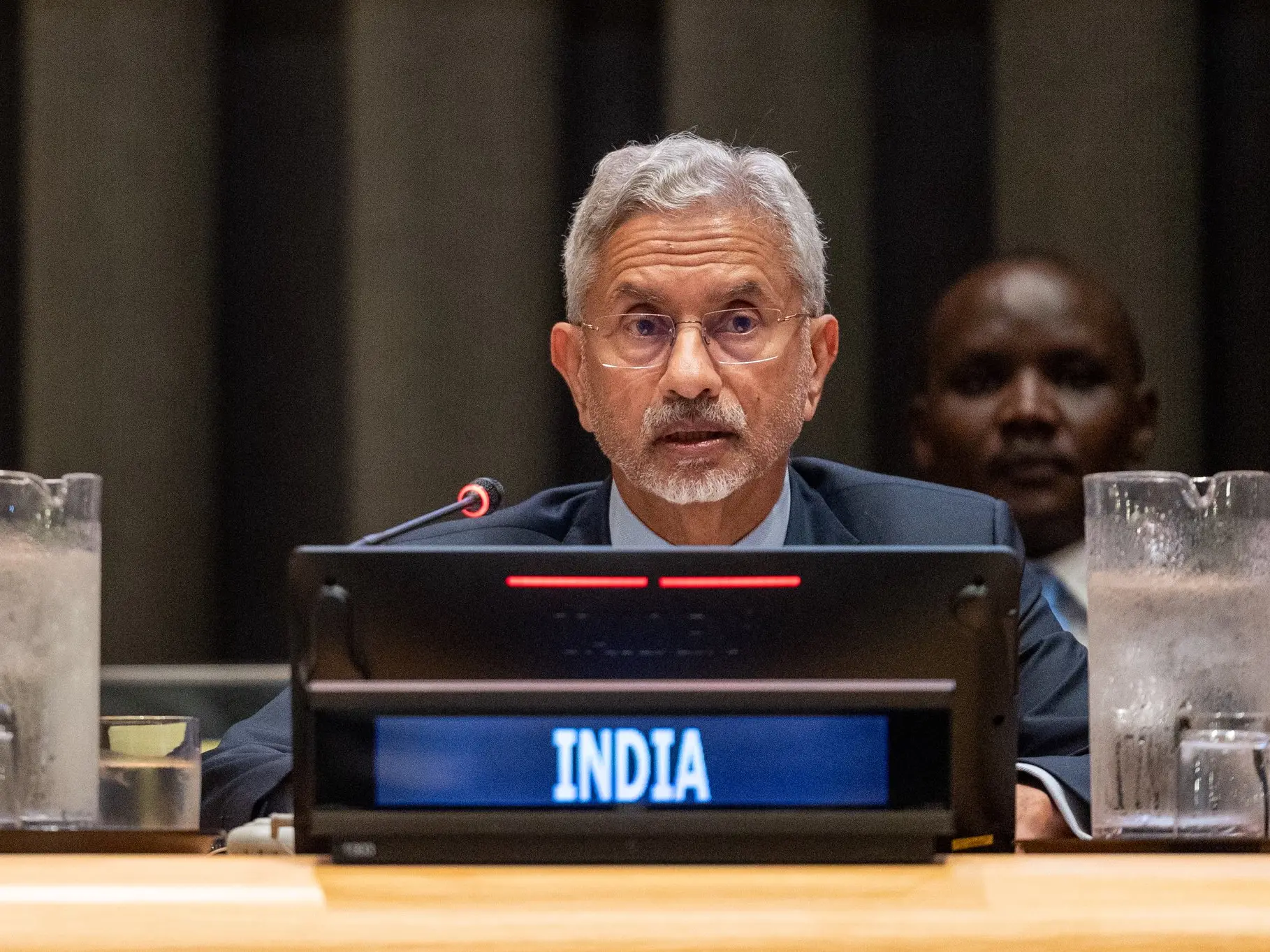)
India at UNGA81: Jaishankar warns global order under 'growing stress', pushes for ‘reformed multilateralism’
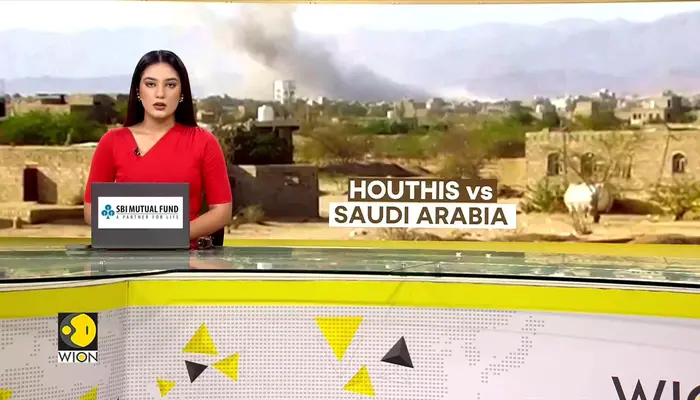)
UK PM Burnham agrees to 'defensive' military support for Saudi Arabia against Houthis
&im=FitAndFill=(700,400))
New OTT releases this week (September 21-27, 2026): Shaque: Trust No One, Hunkkaar, Don’t Be Shy- 5 new titles coming to Netflix, Prime Video and more
)
Report: Zelensky meets CIA chief Ratcliffe at Shannon airport, weeks after his secret Moscow trip
)
The Scandal: Why so scandalous? Ji Chang Wook leaves you gasping for air
)
Pilot recreates Mona Lisa in sky over Oklahoma and Arkansas in four-hour flight: VIDEO
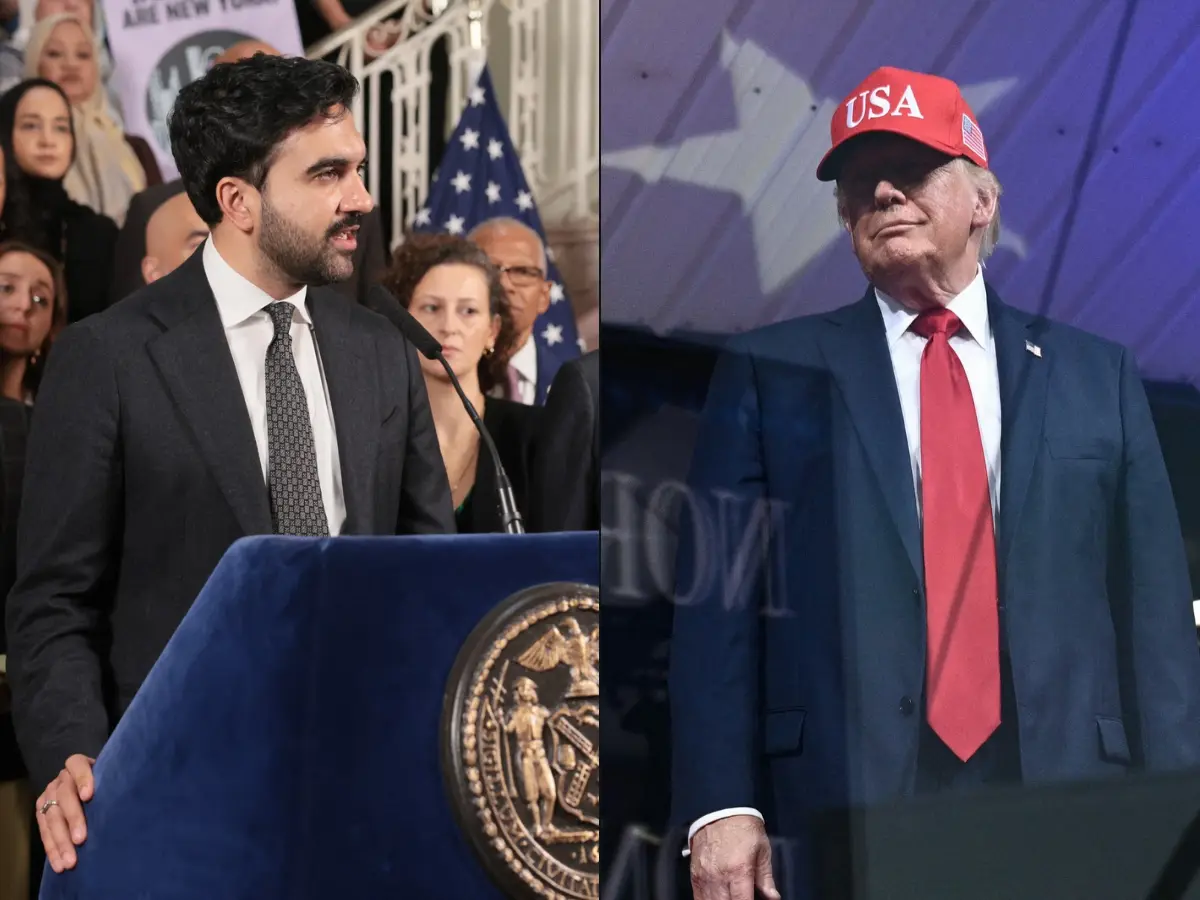)
From ‘communist’ to ‘great mayor’: Trump praises Mamdani after New York meeting, discusses immigration and housing
)
Samay Raina-Mukesh Chhabra controversy explained: What happened over girlfriend joke on India's Got Latent?
)
Samsung raises Galaxy S26 prices by Rs 20,000: Here’s what each model now costs
)
FIFA chief Infantino wants to reform governing body with consultation from federations
)
US-Iran war, peace deals and more: What to expect from Trump's UNGA 2026 speech

"This will bring all the people ofJapantogether to walk forward together into anewage," he said.
But preparations have been plagued with problems, including delays completing thenewNational Stadium. High levels of E. coli bacteria at the triathlon swim site last year forced the cancellation of a paratriathlon swimming segment amid concerns for athletes' health.
Though organisers have pledged to keep costs within budgeted estimates, this has not included an estimated 3 billion yen ($27 million) to move marathons and race walk events to the northern city of Sapporo to cope with Tokyo's searing summer heat - an issue soft-pedaled in Tokyo's bid.
Also played down when Tokyo won theGamesin 2013 as the "RecoveryOlympics" for anationrebuilding after the March 11 earthquake, tsunami and Fukushima nuclear disaster was the situation at the crippled power plant, which Abe said at the time was "under control."
In his Mondayspeech, Abe touted infrastructure recovery in the area, noting that the torch relay will kick off from the J-Village in Fukushima.
"This place, which was the centre of operations for responding to Fukushima, is now becoming a soccer mecca for ournation, overflowing with childrens' smiling faces," he said.
The buildup of contaminated water at Fukushima has hampered efforts for the decades-long recovery and alarmed neighbouring countries.
Athletes from at least one country, South Korea, are planning to bring radiation detectors and their own food this summer.