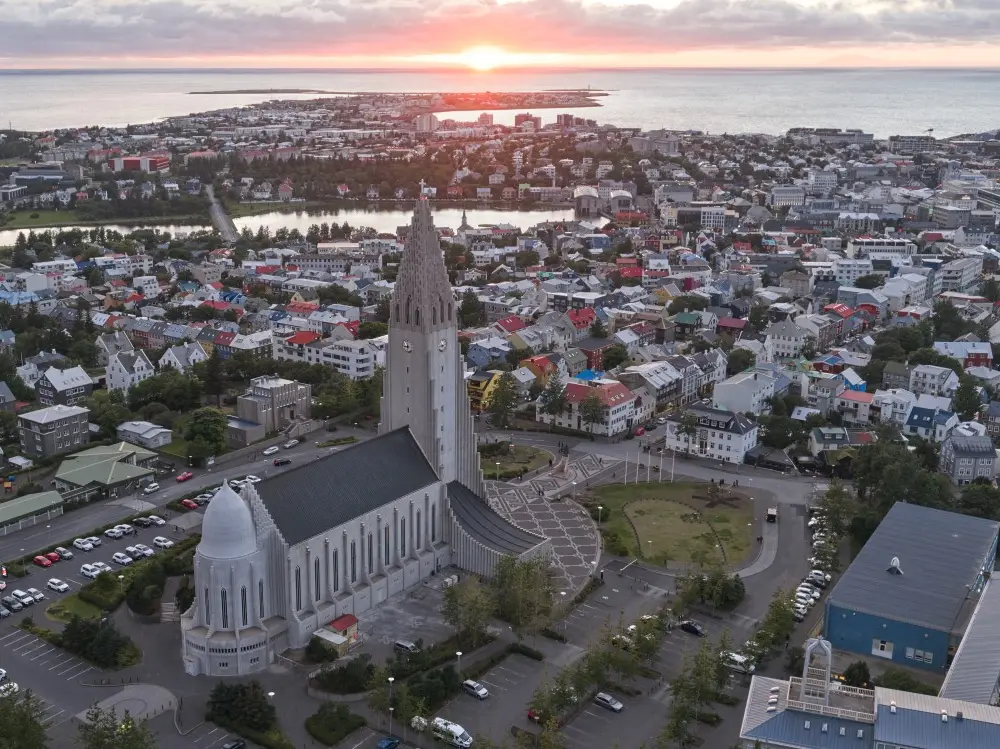
Iceland votes against EU membership as voters defend fishing waters and sovereignty

&imwidth=600&imheight=450&format=webp&quality=medium "Iceland votes against EU membership as voters defend fishing waters and sovereignty")
Iceland votes against EU membership Photograph: (AFP)
Icelanders reject reopening EU membership talks, prioritising fishing rights and sovereignty amid growing Arctic security and geopolitical tensions
Icelanders have voted against reopening membership negotiations with the European Union, broadcaster RUV reported on Sunday, dealing a setback to the government’s push to revive the country’s long-debated EU bid. The referendum result reflects strong public concern over Iceland’s fishing waters and national sovereignty. Opponents of EU membership had argued that joining the bloc could put control over the country’s valuable fisheries at risk.
The outcome is also likely to disappoint officials in Brussels, some of whom had viewed Iceland as a relatively low-risk candidate that could help counter growing skepticism over EU enlargement. Iceland’s strategic importance has also increased as security concerns intensify across the Arctic. The government had presented the membership question as a “now or never” opportunity. Prime Minister Kristrún Frostadóttir said in August that a rejection would bring an end to speculation over EU membership.
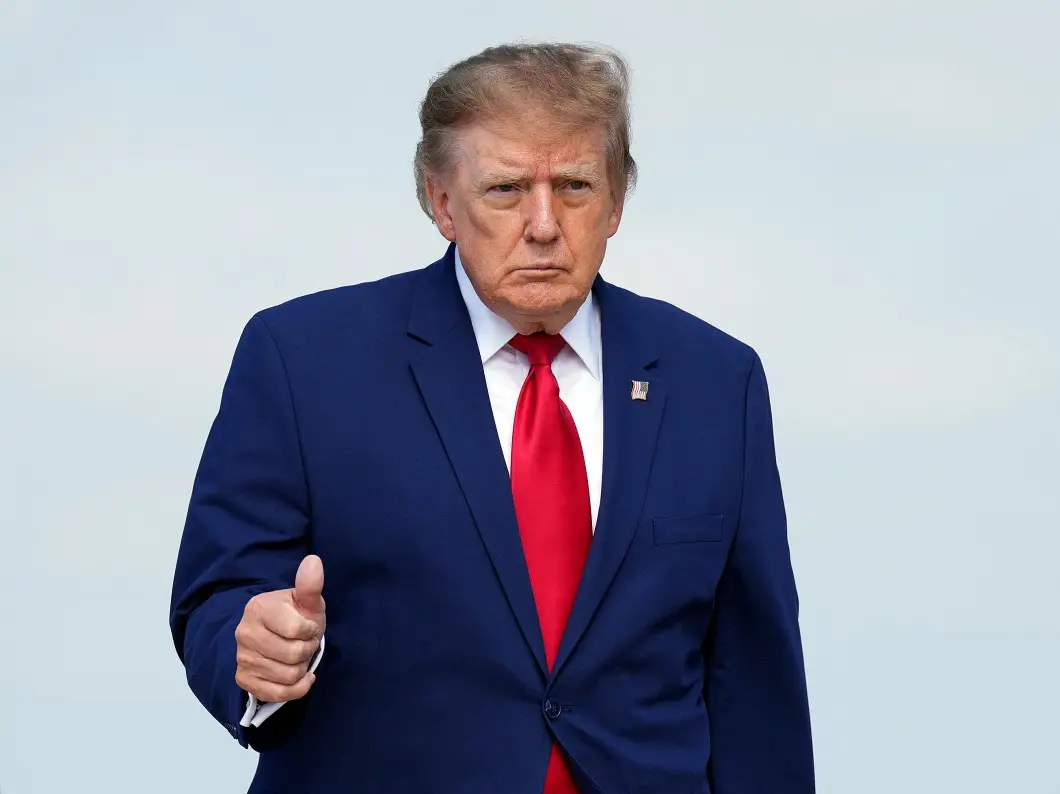
“Yes” campaigners argued that EU membership could help Iceland tackle high interest rates while providing greater economic and geopolitical security amid growing international instability. They pointed to the war in Ukraine and US President Donald Trump’s rhetoric about annexing Greenland as reasons for closer ties with Europe. Opponents, however, maintained that membership would compromise Iceland’s sovereignty and threaten its control over its fishing waters.
The referendum has reignited a long-running national debate about Iceland’s future international alignment. Frostadóttir said the campaign had prompted renewed discussion about the country’s position in the world after she voted in the capital on Saturday.
“This is a great day. We’ve been waiting for this for years to be able to have a vote,” Frostadóttir said, adding that her government would continue its work regardless of the outcome.
Trending Stories
&imwidth=280&imheight=210&format=webp&quality=medium)
&imwidth=280&imheight=210&format=webp&quality=medium)
&imwidth=280&imheight=210&format=webp&quality=medium)
&imwidth=280&imheight=210&format=webp&quality=medium)
&imwidth=280&imheight=210&format=webp&quality=medium)
&imwidth=280&imheight=210&format=webp&quality=medium)
&imwidth=280&imheight=210&format=webp&quality=medium)
&imwidth=280&imheight=210&format=webp&quality=medium)

&imwidth=280&imheight=210&format=webp&quality=medium)
&imwidth=280&imheight=210&format=webp&quality=medium)
&imwidth=280&imheight=210&format=webp&quality=medium)
&imwidth=280&imheight=210&format=webp&quality=medium)
&imwidth=280&imheight=210&format=webp&quality=medium)
&imwidth=280&imheight=210&format=webp&quality=medium)
&imwidth=280&imheight=210&format=webp&quality=medium)
&imwidth=280&imheight=210&format=webp&quality=medium)
&imwidth=280&imheight=210&format=webp&quality=medium)
&im=FitAndFill=(700,400)&imwidth=280&imheight=210&format=webp&quality=medium)
&imwidth=280&imheight=210&format=webp&quality=medium)
&imwidth=280&imheight=210&format=webp&quality=medium)
&imwidth=280&imheight=210&format=webp&quality=medium)
&imwidth=280&imheight=210&format=webp&quality=medium)
&imwidth=280&imheight=210&format=webp&quality=medium)
&imwidth=280&imheight=210&format=webp&quality=medium)
&imwidth=280&imheight=210&format=webp&quality=medium)
&im=FitAndFill=(700,400)&imwidth=280&imheight=210&format=webp&quality=medium)
&imwidth=280&imheight=210&format=webp&quality=medium)
&im=FitAndFill=(700,400)&imwidth=280&imheight=210&format=webp&quality=medium)

&im=FitAndFill=(700,400)&imwidth=280&imheight=210&format=webp&quality=medium)
&imwidth=280&imheight=210&format=webp&quality=medium)
&im=FitAndFill=(700,400)&imwidth=280&imheight=210&format=webp&quality=medium)
&imwidth=280&imheight=210&format=webp&quality=medium)
Iceland first applied for EU membership in 2009, following a severe financial crisis that exposed vulnerabilities in the country’s small economy. Negotiations were later halted after a Eurosceptic government came to power in 2013. Since then, the question of EU membership has remained a recurring issue in Icelandic politics. Recent geopolitical developments, including conflict in the Middle East, the war in Ukraine and US import tariffs, have added fresh urgency to a debate that Icelanders have revisited for decades.
The rejection of renewed EU membership talks now leaves Iceland outside the bloc while keeping its existing relationship with Europe through the European Economic Area and other agreements. The vote is also expected to fuel further discussion about the country’s economic, security and strategic priorities in an increasingly contested Arctic region.

