

&imwidth=800&imheight=600&format=webp&quality=medium "How China's NEO brain chip differs from Elon Musk's Neuralink: Technology, trials & regulatory race explained")
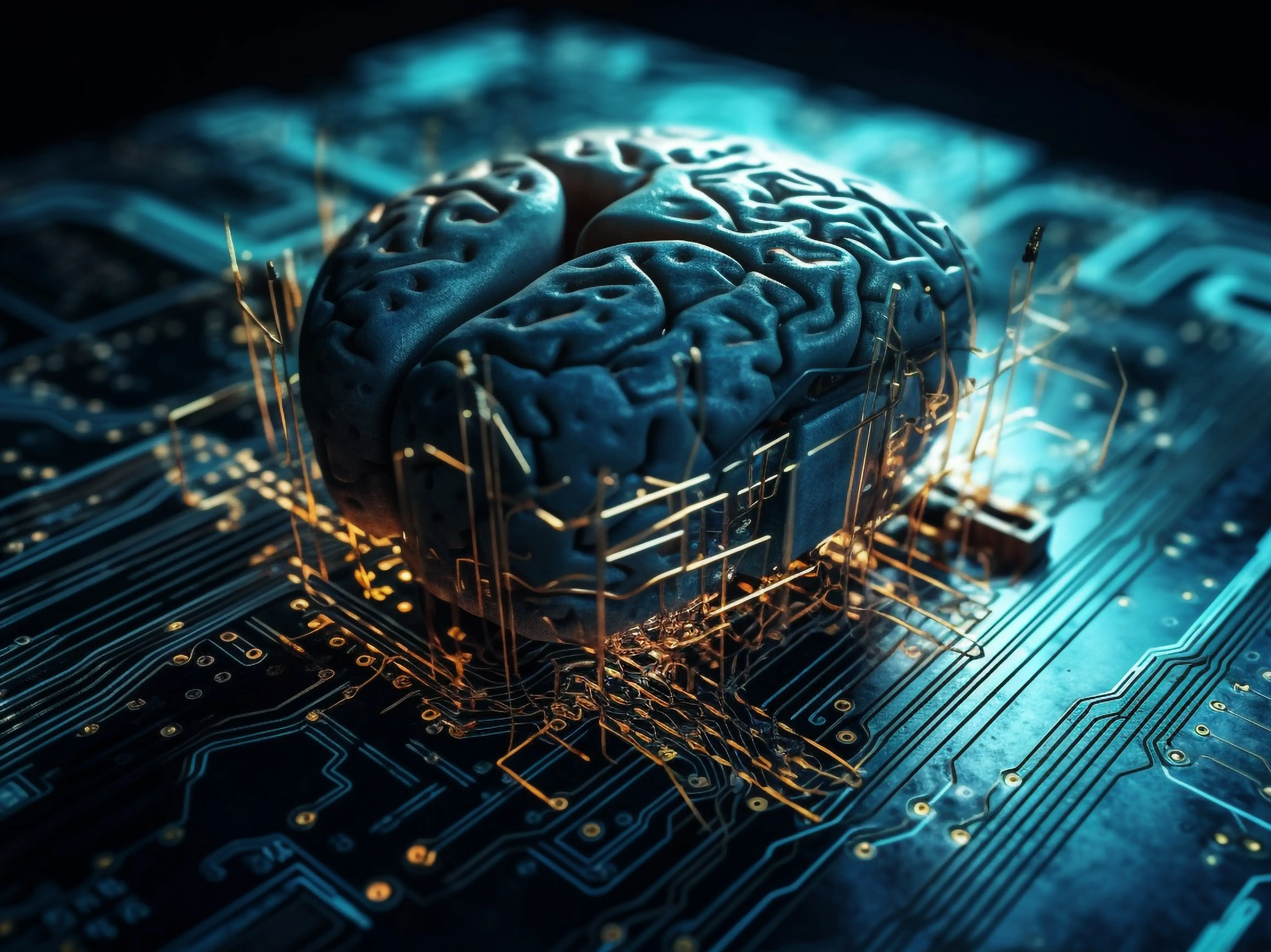
China has completed the first successful implantation of a commercially approved brain-computer interface (BCI) chip. The achievement marks a major milestone in neurotechnology, which aims to restore movement and communication to humans suffering from varied forms of paralysis. The NEO brain chip was implanted in a patient suffering a long-term spinal cord injury in order to help restore hand movement through a robotic glove controlled by brain signals.
The chip received approval in China earlier this year. The development has intensified the global race in brain-chip technology, with China and the US competing to lead the field. With this approval, China has become the first nation in the world to allow the use of an invasive BCI medical device for commercial use.
How NEO brain chip different from Elon Musk's Neuralink
The product is an invasive brain-computer interface (BCI), meaning its electrodes are implanted directly into the brain rather than placed on its surface. It employs a minimally invasive extradural implantation technique and operates using wireless technology.
The device is intended for patients aged 18 to 60 who have a specific type of spinal cord injury. To qualify, the injury must have occurred at least one year earlier, the patient must have remained medically stable for six months after standard treatment, and they must have lost the ability to grasp objects with their hands while still retaining some upper-arm movement.
Meanwhile, NeuCyber's advanced Beinao-2 system is another invasive BCI featuring flexible electrodes that are fully implanted into the brain and is currently undergoing large-scale animal trials. In comparison, Neuralink's N1 chip stands out for its robotic surgical system, which can implant hundreds of electrodes into the brain within minutes.
Trending Stories
&imwidth=180&imheight=135&format=webp&quality=medium)
China’s ‘dark tourism’ boom: Why are young travelers paying to experience simulated disasters?
&imwidth=180&imheight=135&format=webp&quality=medium)
Ranbir Kapoor visits North Bombay Durga Puja pandal, offers prayers
&imwidth=180&imheight=135&format=webp&quality=medium)
Can you wash your brain? How glymphatic system protects against cognitive decline
&imwidth=180&imheight=135&format=webp&quality=medium)
'We are not sitting in ivory towers, we are aware': SC issues notice to Rahul Gandhi, Akhilesh Yadav
&imwidth=180&imheight=135&format=webp&quality=medium)
WATCH | iPhones, luxury perfumes floating in Hormuz? Iranian fishermen make bizarre discovery
&imwidth=180&imheight=135&format=webp&quality=medium)
Anirudh Ravichander-Kavya Maran wedding: Telangana CM reveals Chennai reception date
&imwidth=180&imheight=135&format=webp&quality=medium)
Ankita Bhandari murder case: Parents meet CBI, seek impartial investigation
&imwidth=180&imheight=135&format=webp&quality=medium)
Two students die, 14 injured at Dandiya event in Hyderabad: Know what happened? VIDEO
&imwidth=180&imheight=135&format=webp&quality=medium)
6-year-old among 2 killed as vehicle crashes into youth soccer game in US

US ends automatic work permit extensions; Indian workers lose 540-day safety net: What it means
&imwidth=180&imheight=135&format=webp&quality=medium)
2 injured in plane crash on busy California highway
&im=FitAndFill=(700,400)&imwidth=180&imheight=135&format=webp&quality=medium)
Inside Tesla's Roadster: 10 features of Elon Musk's 'flying car' that push the limits of electric vehicles | In Pics
&imwidth=180&imheight=135&format=webp&quality=medium)
Bangladesh resort fire kills 10 tourists, including a 5-year-old child
&imwidth=180&imheight=135&format=webp&quality=medium)
WATCH | Zelensky gives cheeky response when asked if Trump is making him a scapegoat ahead of US midterms
&imwidth=180&imheight=135&format=webp&quality=medium)
‘My president, I mean my husband’: Trump's new press secretary Katie Zacharia's first briefing goes off the rails in 14 minutes
&imwidth=180&imheight=135&format=webp&quality=medium)
US lawmaker Pramila Jaypal writes to Rubio, urges to raise handling of CJP protest with India
&imwidth=180&imheight=135&format=webp&quality=medium)
Kolkata Durga Puja stampede: PM Modi announces Rs 2 lakh ex-gratia for kin of dead, Amit Shah to visit injured
&imwidth=180&imheight=135&format=webp&quality=medium)
13 dead after truck mows down devotees, crashes into temple gate in Madhya Pradesh's Gwalior
&imwidth=180&imheight=135&format=webp&quality=medium)
At least 19 killed in stampede-like situation after part of Kolkata Durga Puja pandal collapses
&imwidth=180&imheight=135&format=webp&quality=medium)
‘I have very severe problems’: Trump fuels health speculation during address to firefighters
&im=FitAndFill=(700,400)&imwidth=180&imheight=135&format=webp&quality=medium)
Durga Puja 2026: Ranbir Kapoor, Kajol, Jaya Bachchan, and other celebs bring festive glam to pandals
&imwidth=180&imheight=135&format=webp&quality=medium)
China responds to Trump's Press Secretary Katie Zacharia after toilet remark: 'Visit China more often'
&imwidth=180&imheight=135&format=webp&quality=medium)
Kolkata puja pandal stampede: 7 arrested, section 163 restrictions imposed in north Kolkata
&imwidth=180&imheight=135&format=webp&quality=medium)
Lizard people? Ex-US Army sniper claims soldier killed by 'reptilian beings' in battle near Area 51
&imwidth=180&imheight=135&format=webp&quality=medium)
IND-W vs ZIM-W, 2nd T20I: When and where to watch live streaming in India?
&imwidth=180&imheight=135&format=webp&quality=medium)
UAE agrees with Saudi Arabia to rejoin Yemen fight as Houthi strikes rattle Riyadh
&imwidth=180&imheight=135&format=webp&quality=medium)
'It's a joy to see the makers bring it on such a grand scale': SS Rajamouli on Ramayana
&imwidth=180&imheight=135&format=webp&quality=medium)
No Ravindra Jadeja, Yashasvi Jaiswal in India’s 2027 ODI World Cup plans: Report
&imwidth=180&imheight=135&format=webp&quality=medium)
SC panel launches portal to submit evidence of July Jantar Mantar violence
&imwidth=180&imheight=135&format=webp&quality=medium)
One species, two lineages: Why Sri Lanka’s spectacled cobra differs genetically from Indian variant
&imwidth=180&imheight=135&format=webp&quality=medium)
Pakistan to head IMF, World Bank boards after 74 years amid persistent economic crisis
&imwidth=180&imheight=135&format=webp&quality=medium)
Rain washes out 5th T20I as India-West Indies share honours 2-2
&imwidth=180&imheight=135&format=webp&quality=medium)
Explosion and fire at military base in Canada's Alberta, casualties feared
&imwidth=180&imheight=135&format=webp&quality=medium)
Israel examines Russia's Shahed-type drones sent by Ukraine to combat Iran | Gravitas
&imwidth=180&imheight=135&format=webp&quality=medium)
'Reason UN has lost credibility': Amid SIR protests India hits out at report alleging 'youth repression'
&imwidth=180&imheight=135&format=webp&quality=medium)
Oil tanker carrying over 2M barrels of crude hits mine in Strait of Hormuz, catches fire, says Iran
&imwidth=180&imheight=135&format=webp&quality=medium)
COVID-19 pandemic led to increase in divorce cases, observes Madras High Court
&imwidth=180&imheight=135&format=webp&quality=medium)
At least 400 arrested as protests turn violent in France; PM blames far left
"The benchmark for Beinao-2 is Neuralink. I have to say, (there is) about three years' lag because they have over 20 patients using it already," Li Yuan, rotating CEO of NeuCyber, a startup linked with the Beijing-based Chinese Institute for Brain Research (CIBR), said. "We have just finished the first product and have to go through animal testing, then early-feasibility clinical trials, and then the real trials. That's maybe about two years later for the real trial," he added.
Li stated that the BCI device is a coin-sized wireless implant by Shanghai-based private firm Neuracle. It sits on the outer membrane of the brain and controls a robotic glove. So far, NeuCyber has achieved seven human implantations of the previous version known as Beinao-1, a semi-invasive BCI having electrodes implanted on the brain's outer membrane.
In contrast, Neuralink reported in January that it has 21 participants worldwide registered in human clinical trials. Li projects that it could take an additional two to three years for NeuCyber's BCI products to become widely available in the domestic market, pending necessary clearances from China’s health commission, medical product regulators, and medical insurance authorities.

