'Hollywood-style lies': Ahmadinejad blasts Mossad recruitment report, denies coup plot claims

&imwidth=600&imheight=450&format=webp&quality=medium "'Hollywood-style lies': Ahmadinejad blasts Mossad recruitment report, denies coup plot claims")
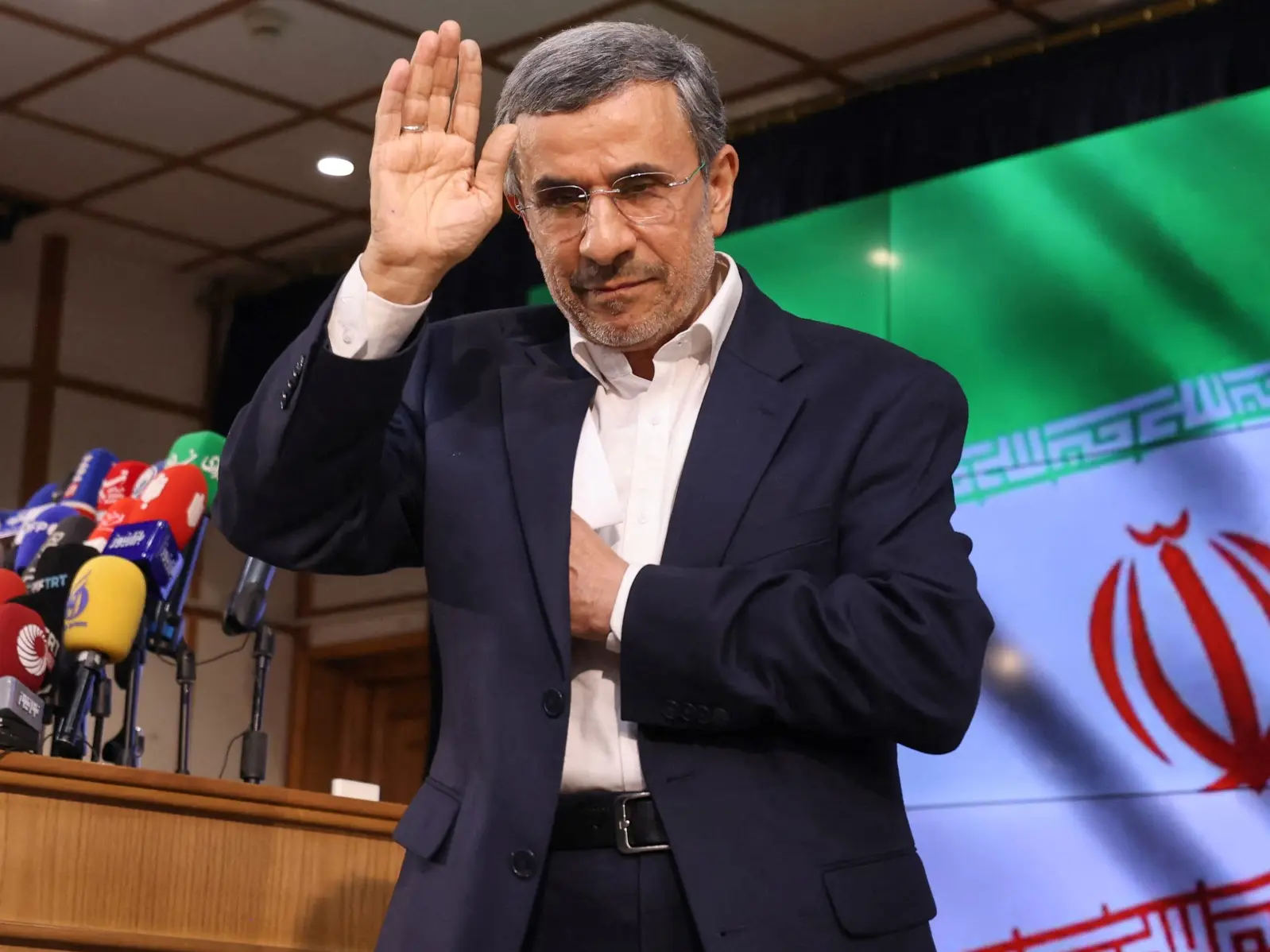
Iranian former president Mahmoud Ahmadinejad waves after registering his candidacy for Iran's upcoming presidential election in Tehran on June 2, 2024. Photograph: (AFP)
Former Iranian President Ahmadinejad strongly denied a New York Times report alleging that Israel's Mossad tried to recruit him in Budapest as part of a failed regime change plot.
Former Iranian president Mahmoud Ahmadinejad has forcefully denied explosive claims that Israel's intelligence agency Mossad attempted to recruit him as part of an alleged plot to topple Iran's leadership, dismissing the reports as "Hollywood-style" fabrications.
In a statement issued on Monday (July 13), Ahmadinejad's office rejected reports that he had been secretly approached by Mossad, offered support to become Iran's future leader, and later placed under house arrest after the alleged operation failed.
Also read: ‘France to arm Ukraine like never before': Macron announces Rafales, missile manufacturing deal
The office said the allegations, published by The New York Times, "did not merit a denial", describing the newspaper as one that is "known for publishing fake news and fabricating lies." It also accused the US daily of being willing to publish "fabricated articles and reports in exchange for payment", while insisting that Ahmadinejad remained politically active and was continuing his daily work.
The denial came after The New York Times, citing American and Iranian officials familiar with the matter, reported that Mossad had spent years attempting to cultivate ties with Ahmadinejad as part of a broader regime change strategy.
According to the report, the alleged operation gathered pace in 2024 when Hungary's Ludovika University of Public Service was asked by senior Hungarian government officials to invite Ahmadinejad to a climate change conference in Budapest.
Trending Stories
&imwidth=280&imheight=210&format=webp&quality=medium)
&imwidth=280&imheight=210&format=webp&quality=medium)
&imwidth=280&imheight=210&format=webp&quality=medium)
&imwidth=280&imheight=210&format=webp&quality=medium)
&imwidth=280&imheight=210&format=webp&quality=medium)
&imwidth=280&imheight=210&format=webp&quality=medium)
&imwidth=280&imheight=210&format=webp&quality=medium)
&imwidth=280&imheight=210&format=webp&quality=medium)

&imwidth=280&imheight=210&format=webp&quality=medium)
&imwidth=280&imheight=210&format=webp&quality=medium)
&imwidth=280&imheight=210&format=webp&quality=medium)
&imwidth=280&imheight=210&format=webp&quality=medium)
&im=FitAndFill=(700,400)&imwidth=280&imheight=210&format=webp&quality=medium)
&imwidth=280&imheight=210&format=webp&quality=medium)
&imwidth=280&imheight=210&format=webp&quality=medium)
&imwidth=280&imheight=210&format=webp&quality=medium)
&imwidth=280&imheight=210&format=webp&quality=medium)
&imwidth=280&imheight=210&format=webp&quality=medium)
&imwidth=280&imheight=210&format=webp&quality=medium)
&imwidth=280&imheight=210&format=webp&quality=medium)
&imwidth=280&imheight=210&format=webp&quality=medium)
&imwidth=280&imheight=210&format=webp&quality=medium)
&imwidth=280&imheight=210&format=webp&quality=medium)
&im=FitAndFill=(700,400)&imwidth=280&imheight=210&format=webp&quality=medium)
&imwidth=280&imheight=210&format=webp&quality=medium)
&im=FitAndFill=(700,400)&imwidth=280&imheight=210&format=webp&quality=medium)
&imwidth=280&imheight=210&format=webp&quality=medium)
&imwidth=280&imheight=210&format=webp&quality=medium)
&imwidth=280&imheight=210&format=webp&quality=medium)
&imwidth=280&imheight=210&format=webp&quality=medium)

&imwidth=280&imheight=210&format=webp&quality=medium)
The newspaper claimed the academic event served as a cover for clandestine meetings between the former Iranian president and Israeli intelligence operatives.
Ludovika University rector Professor Gergely Deli told The New York Times he had been informed that the conference would facilitate discussions between the two sides. He acknowledged that the invitation could damage both his reputation and that of the university, but said he believed he was likely playing a role in "saving lives."
The report further alleged that then Mossad chief David Barnea personally travelled to Budapest to meet Ahmadinejad. Former US officials quoted by the newspaper claimed Mossad later informed the CIA that it had successfully established contact with the former Iranian leader.

