Hajj 2024: Saudi Arabia says it didn't notice any extreme heat-related deaths among pilgrims

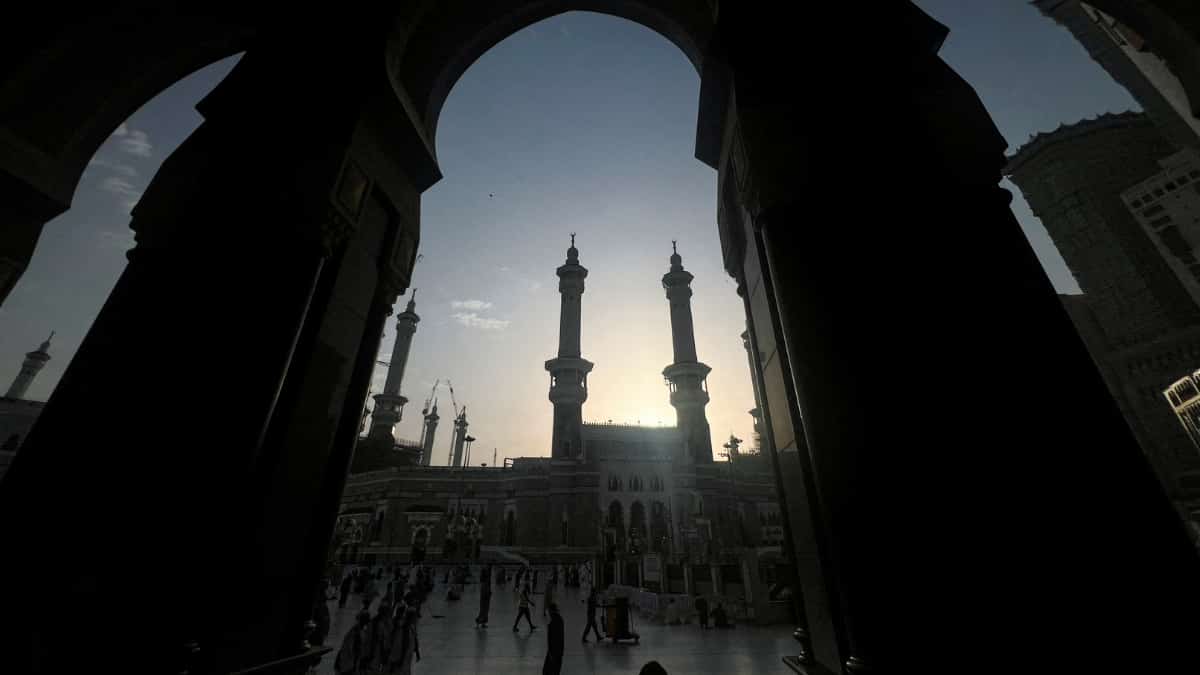
File photo.
Saudi Arabia's health ministry said on Monday (June 17) that it did not notice any extreme heat-related deaths among pilgrims performing Hajj this year. Speaking to the news agency Reuters, health ministry official Jameel Abualenain said, "Let's look at the population of the haj, the number of 'hajjies' (pilgrims) and their different comorbidities and the risky population, the elderly and those 'hajji' (pilgrims) some of them have different comorbidities, different illnesses and different compliance with the medication to start with."
"And as I mentioned with our well-developed medical staff, units, protocols, ambulance services, that provide of immediate management, we haven't noticed, thank God, any abnormal or deviation from the normal numbers of morbidities and mortalities,"Abualenain added.

'Reached over 27,000 pilgrims who suffered from heat illness'
Abualenain pointed out that so far, the ministry reached more than 27,000 pilgrims who suffered from heat illnesses, adding, "And just to mention in overall the health services that have been provided during this haj season, we have served more than 140,000 patients in the hospitals and different centres."
)
The Early Spring is proof not everyone can talk about their real feelings, and it is perfectly OK
)
UN votes to ‘correct the map’ as India backs fairer world view
)
Nigerian Navy discovers 99,000 litres of suspected stolen, illegally refined products as it intensifies anti-crude oil theft operations
)
Who is Aditi Paudel? 17-year-old becomes Japan's first literacy ambassador
)
Bengaluru: Officials find 40 kg expired chilli at chairman's club
)
Jaishankar rejects trade link to ending Ukraine war
)
Israeli strikes on Lebanon kill three, injure 23 despite truce
)
Alpine glacier was covered with sheep wool sheets to prevent melting. It worked
)
South Korea mulls deploying military assets to Strait of Hormuz
)
World's fifth-largest economy, British army can't afford to train
)
Breaking | Vance takes the podium: First White House briefing since Leavitt's exit
)
Taiwan raises 'concerns' over China's missile test
)
BRICS 2026: $1 trillion sovereign capital set to converge in Delhi for first iBRICS Summit
)
What is Iran's Pickaxe Mountain that Trump has again threatened to bomb?
)
UN votes to correct world map that visually shrank Africa for 450 years
)
Former NewJeans member Danielle launches YouTube channel, hints at new solo journey
)
Bangladesh batter Towhid Hridoy creates history with 350 not out in South Africa
)
Brendan Fraser’s transformation fuels The Mummy 4 excitement as fans welcome back Rick O’Connell
&im=FitAndFill=(700,400))
Krishna Janmashtami 2026: From Dhaniya Panjiri to Makhana Kheer- 5 best sweet dishes perfect for celebrating Lord Krishna’s birth
)
Donald Trump plans to travel to Ireland on Qatari-donated jet amid security concerns
)
Nazi-looted art to return to Jewish heirs
)
Eight killed in Kerala’s Thrissur after car rams into lorry parked on highway
&im=FitAndFill=(700,400))
Why Russian fighter jets use bulky, low-pressure tyres compared to US jets
)
FBI-wanted fraud accused arrested in Jalandhar over $600,000 scam
&im=FitAndFill=(700,400))
Why US tanks weigh over 20 tons more than Russian tanks
&im=FitAndFill=(700,400))
New Friday OTT releases (September 4, 2026): GDN, Dhamaal 4, Jagamae Sangeetham- Watch 6 new movies and TV shows on Netflix, Prime Video and more
)
Killing the Himalayas slowly: Human urine is melting a glacier on Mount Everest
"From our risk assessments, we know that this season gonna be very hot. The weather is extremely hot and even before pilgrims arrive, we start our campaign by educating everyone about how to protect themselves, how to use umbrellas, how to keep themselves hydrated, how to avoid crowdedness and how to seek help and where to seek help as well," he added.
Hajj pilgrimage ends amid heatwave
Abualenain's remarks came as Muslim pilgrimswrapped up thehajjin searing conditions, with more than a dozen heat-related deaths confirmed, a report by the news agency AFP said.
On Sunday, Jordan said that 14 Jordanian pilgrimsdied "after suffering sunstroke due to the extreme heat wave", and that 17 others were "missing." Iran, meanwhile,reported the deaths of five pilgrims but did not specify the cause.
Senegal's foreign ministry said that three others had died. Indonesiasaid on Monday that 136 Indonesian pilgrims had died during thehajjincluding at least three of heat stroke.
(With inputs from agencies)