H-1B visa fee hike a knockout punch for US tech sector? To sue, adapt, lay off, or wait it out is the question. What are their options?

&imwidth=600&imheight=450&format=webp&quality=medium "H-1B visa fee hike a knockout punch for US tech sector? To sue, adapt, lay off, or wait it out is the question. What are their options?")
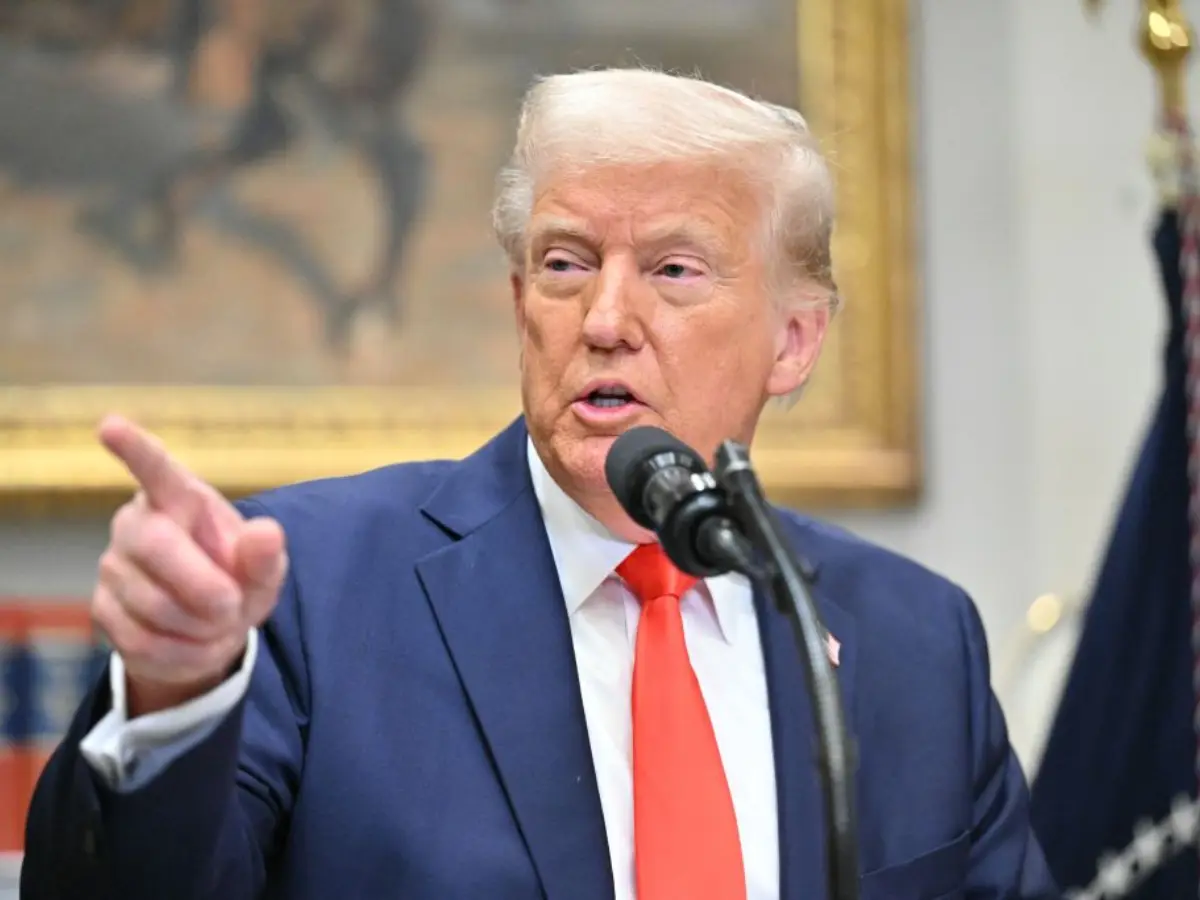
Trump administration has dealt a blow to the US tech sector with the H-1B visa fee hike Photograph: (Others)
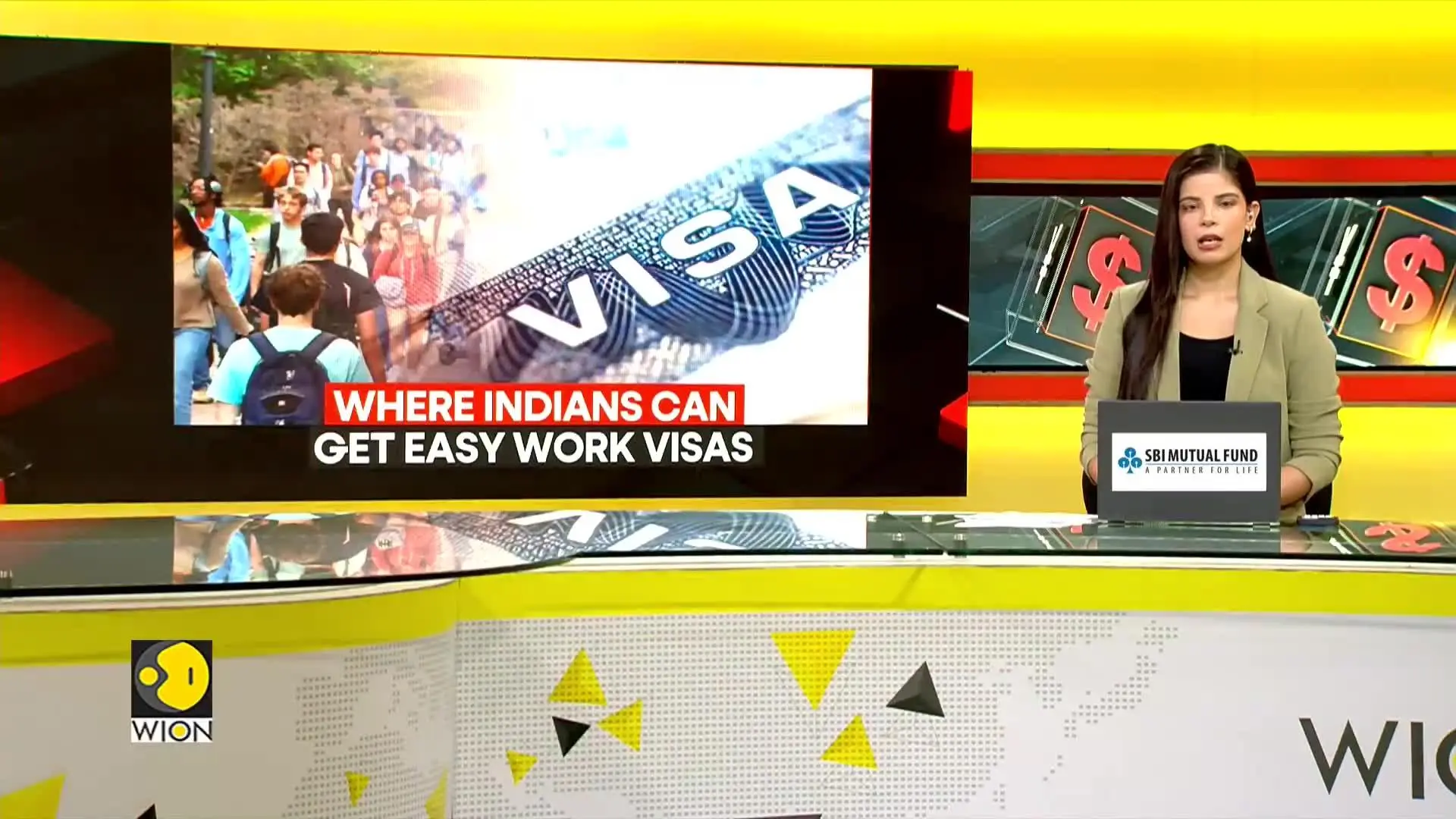
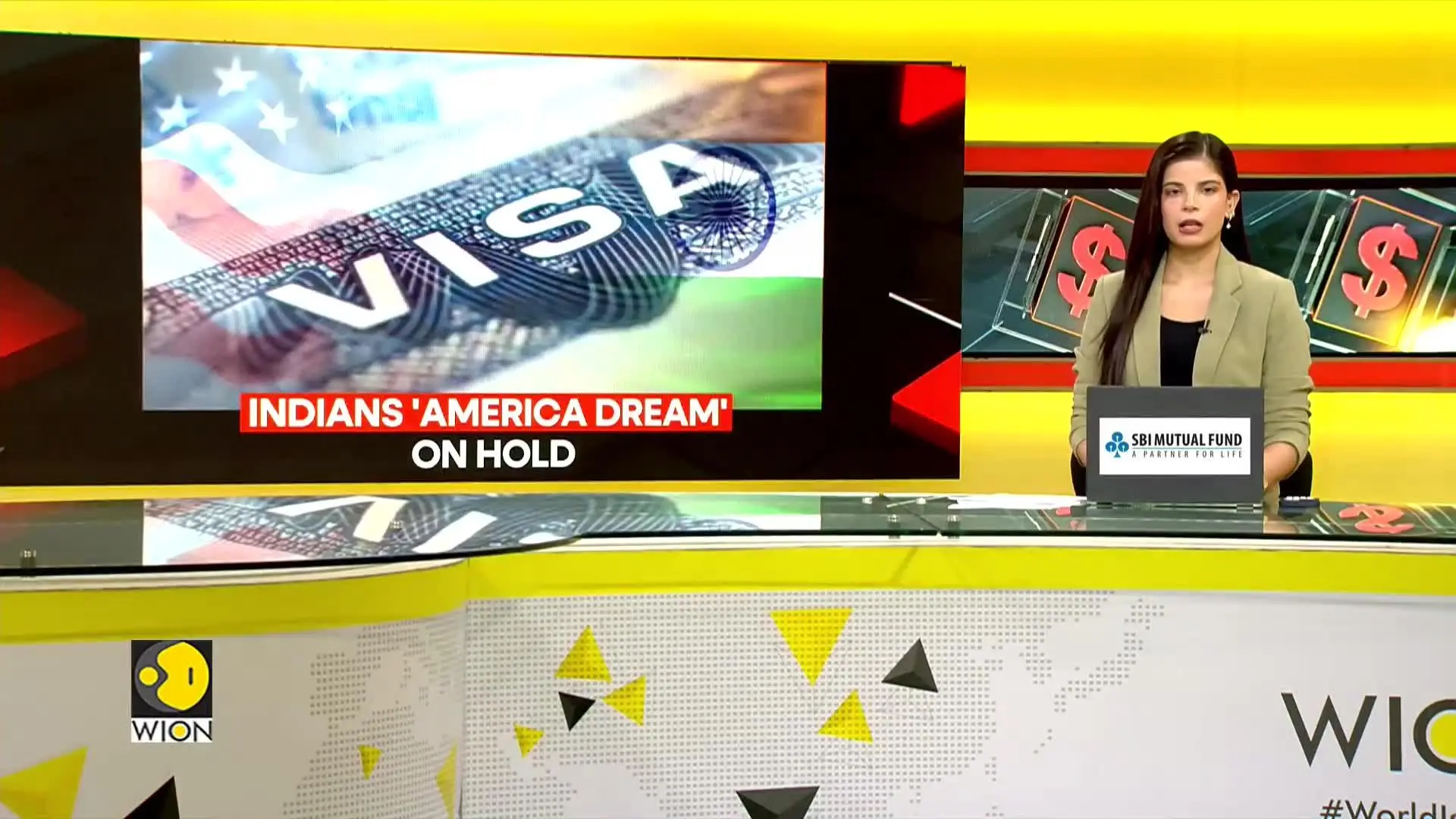
If you think H-1B visa fee hike is going to affect only Indian tech firms and skilled professionals, read this. From Big Tech firms to startups, American IT industry is staring at massive disruptions and weighing their options for a fightback. What can they do to offset the visa fee impact?
The US tech industry, heavily dependent on foreign high-skilled talent on visas, is scrambling to respond to the Trump administration's $100,000 fee hike for new H‑1B visa applications. Firms are urgently plotting their next moves, as the policy hits at the core of their business models. Options include legal challenges, adapting to the new reality by moving more jobs offshore, or simply waiting it out. Despite its longstanding lobbying clout, the US tech sector was caught off guard by the sudden visa fee hike announcement. Here is a situation report.
Silicon Valley's knee-jerk reaction to the H-1B visa fee shockwave
Within hours of the announcement, American tech firms, their legal teams and HR departments—from San Francisco to Boston—scrambled to assess the damage and control the fallout. The White House later clarified that the hiked fee would apply only to new H‑1B petitions, not to renewals or existing visa holders, but by then, the damage had already been done. The writing on the wall was clear: the cost of employing skilled foreign workers in the US is about to skyrocket.
H-1B visa was a pillar of US tech sector
Capped at 85,000 new entrants per year, H‑1B visas have long been a cornerstone of the US technology workforce, with nearly 70 per cent historically going to Indian nationals. American companies have relied on the programme to hire highly specialised engineers, data scientists, AI researchers, and cybersecurity experts—often at lower costs compared to local talent. But with the new policy shift, US firms will now be forced to rethink both their hiring strategies and geographic footprint.
Legal pushback is already underway against US H-1B visa fee hike
Trending Stories
&imwidth=280&imheight=210&format=webp&quality=medium)
&im=FitAndFill=(700,400)&imwidth=280&imheight=210&format=webp&quality=medium)
&imwidth=280&imheight=210&format=webp&quality=medium)
&imwidth=280&imheight=210&format=webp&quality=medium)
&imwidth=280&imheight=210&format=webp&quality=medium)
&imwidth=280&imheight=210&format=webp&quality=medium)
&imwidth=280&imheight=210&format=webp&quality=medium)
&imwidth=280&imheight=210&format=webp&quality=medium)
&imwidth=280&imheight=210&format=webp&quality=medium)
&imwidth=280&imheight=210&format=webp&quality=medium)
&imwidth=280&imheight=210&format=webp&quality=medium)
&imwidth=280&imheight=210&format=webp&quality=medium)
&imwidth=280&imheight=210&format=webp&quality=medium)
&imwidth=280&imheight=210&format=webp&quality=medium)
&imwidth=280&imheight=210&format=webp&quality=medium)
&imwidth=280&imheight=210&format=webp&quality=medium)
&imwidth=280&imheight=210&format=webp&quality=medium)
&imwidth=280&imheight=210&format=webp&quality=medium)
&imwidth=280&imheight=210&format=webp&quality=medium)
&imwidth=280&imheight=210&format=webp&quality=medium)
&imwidth=280&imheight=210&format=webp&quality=medium)
&imwidth=280&imheight=210&format=webp&quality=medium)
&imwidth=280&imheight=210&format=webp&quality=medium)
&imwidth=280&imheight=210&format=webp&quality=medium)
&imwidth=280&imheight=210&format=webp&quality=medium)
&imwidth=280&imheight=210&format=webp&quality=medium)
&imwidth=280&imheight=210&format=webp&quality=medium)
&im=FitAndFill=(700,400)&imwidth=280&imheight=210&format=webp&quality=medium)
&imwidth=280&imheight=210&format=webp&quality=medium)
&imwidth=280&imheight=210&format=webp&quality=medium)
&imwidth=280&imheight=210&format=webp&quality=medium)
&imwidth=280&imheight=210&format=webp&quality=medium)
&imwidth=280&imheight=210&format=webp&quality=medium)
&imwidth=280&imheight=210&format=webp&quality=medium)
&imwidth=280&imheight=210&format=webp&quality=medium)
&imwidth=280&imheight=210&format=webp&quality=medium)
&imwidth=280&imheight=210&format=webp&quality=medium)
California’s Attorney General is actively exploring a lawsuit against the federal government, questioning whether the executive branch has the authority to unilaterally impose such a significant surcharge without congressional approval. Legal scholars cited in US media say the move may be in violation of the Administrative Procedure Act and the Constitution’s separation of powers doctrine.
Meanwhile, immigration attorneys across the country are preparing injunctions and test cases, arguing that the policy is not only economically damaging but also legally unsound. Many expect legal filings to begin within weeks, with emergency relief motions likely timed to stop the new fees before the 2026 H‑1B visa filing cycle starts.
Also read: India-US flight fares soar after Trump’s sudden H-1B visa fee hike; airports witness chaos
Tech industry scrambles to mobilise its Washington lobbying muscle
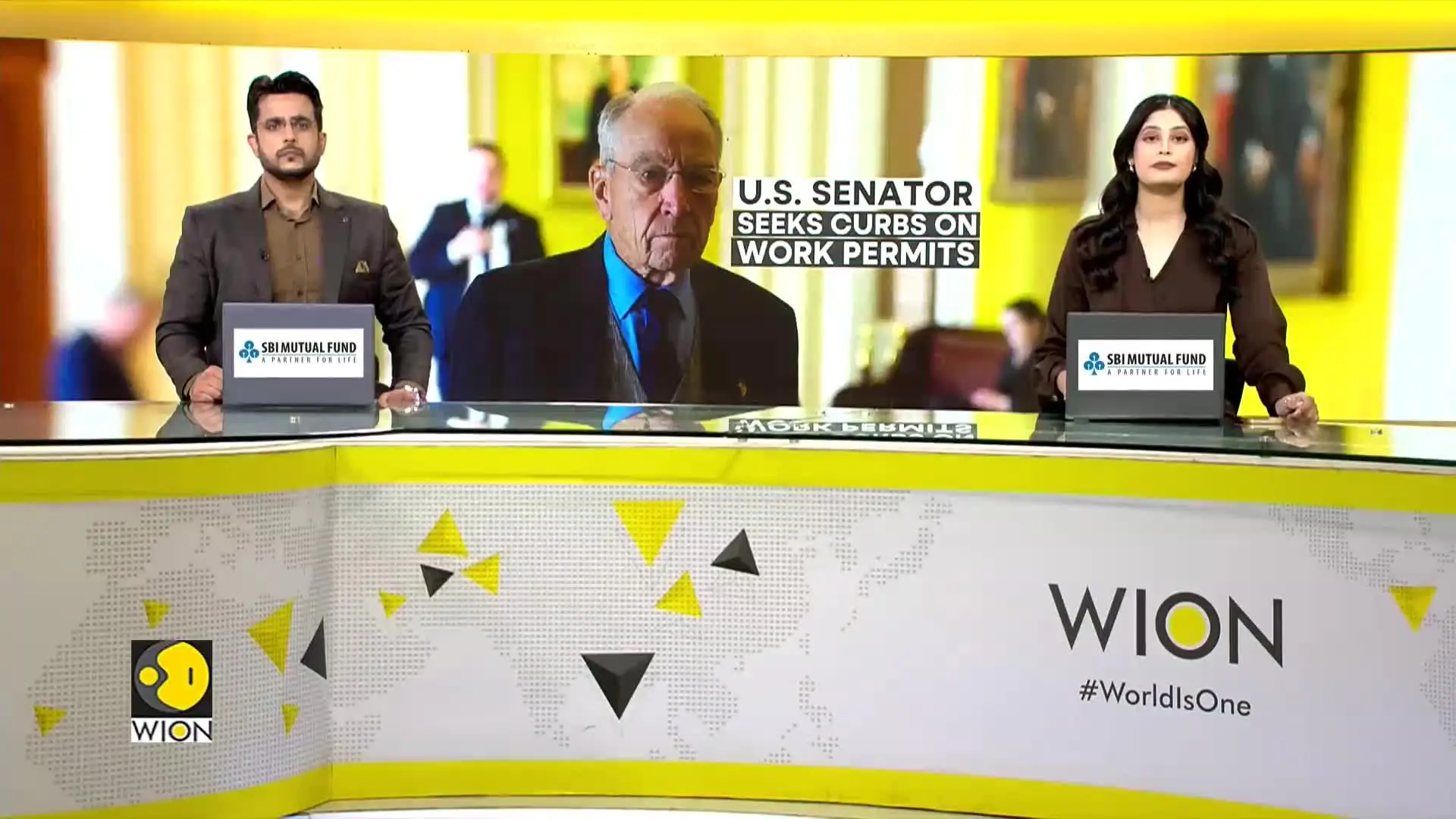
According to multiple reports, several tech majors—including leaders in AI, enterprise software, and cloud computing—are urgently seeking exemptions, especially for roles deemed vital to national interest. Many are requesting a phased rollout or the “grandfathering” of petitions already in progress. Even while some executives offer tepid support for limited reforms aimed at curbing abuse of the visa system, few endorse the sweeping approach taken by the Trump administration.
Lobbyists are also pushing for carve-outs for early-stage startups, university-affiliated researchers, and specialists working on federally funded innovation projects. But it remains unclear how much political will exists to soften the measure in an election cycle charged with immigration rhetoric.
The irony: some companies are already thinking of moving work abroad or dodging the H-1B system entirely
While the policy may bring an end to the practice of co-locating engineering teams in the US, companies are determined not to give up on cost efficiency. Several are already turning to global delivery models—hiring remote teams or expanding satellite offices in Europe and Canada. This is offshoring by other means, a strategy designed to offset the financial impact of the new visa policy.
Despite the “hire American” rhetoric, many US tech firms see no financial upside to hiring domestically for high-cost, specialised roles. Instead, they are looking to alternative visa categories such as the L‑1—used for intracompany transfers—which may allow them to bypass the H‑1B system entirely.
Also read: Trump proposes to scrap H-1B lottery system, proposes visa process favouring better-paid workers
Smaller firms and startups are scaling back on hiring
Many reports suggest that smaller firms—especially those without deep financial reserves—are quietly scaling back their hiring plans. Strategies include delaying international recruitment, hiring green card holders who may not be US citizens, or restructuring teams to reduce dependency on H‑1B talent. But hiring based on availability rather than skill match comes with long-term risks to competitiveness and product quality.
For larger firms, the concern is less about immediate cost and more about innovation bottlenecks. If they’re blocked from hiring global talent, development timelines will slow, product roadmaps could be derailed. The US may eventually lose its edge in high-stakes fields like artificial intelligence, quantum computing, and next-generation biotech.
Enormous economic stakes await US tech industry
JPMorgan analysts estimated that the new fee could reduce H‑1B petition filings by up to 5,500 cases per month. This would affect not only software developers, but also researchers, educators, and healthcare professionals who rely on H‑1B visas in critical and often underserved areas. While the Trump administration has hinted at possible exceptions for healthcare, the broader tech industry remains the hardest hit—caught between legal opposition and operational paralysis.
Universities and hospitals—particularly those in rural states—have already begun lobbying for relief, arguing that the sudden cost spike will create workforce shortages in essential services. But unlike academia and healthcare, the tech industry must also navigate investor pressure, global competition, and product delivery cycles—all of which magnify the impact of talent disruption.
Seeking a way out: will courts or government exemptions save the day for US tech?
Some industry observers are hopeful that courts will intervene to delay, modify, or strike down the surcharge. Others believe the real battle will be fought through behind-the-scenes negotiations, regulatory tweaks, or last-minute compromises introduced during the 2026 budget cycle. However, several firms are already restructuring their operating models to prepare for a future where foreign labour is either too costly—or simply too politically fraught—to rely on.
Will the Trump administration step back from the visa fee hike?
The White House has said the surcharge is a temporary measure, subject to a 12-month review clause, but few in Silicon Valley believe that a quiet reversal is likely. Companies are building contingency plans, reworking budgets, and preparing for a prolonged fight. Even if the fee is softened later, the uncertainty it has already created is affecting recruitment, retention, and planning.
One thing is clear: the Trump administration’s unexpected and sweeping H‑1B surcharge has triggered a defining moment for the US tech industry. American firms now face a set of imperfect options: to sue, to seek exemptions, to move operations abroad, or to wait out the storm and hope for policy change.
In 2025, in an industry built on agility, the H‑1B visa fee has become a new kind of test—not of code, but of strategy, resilience, and political calculus.