&imwidth=800&imheight=600&format=webp&quality=medium "Ghana Border Communities get lifeline as new irrigation farms boost year-round agriculture")
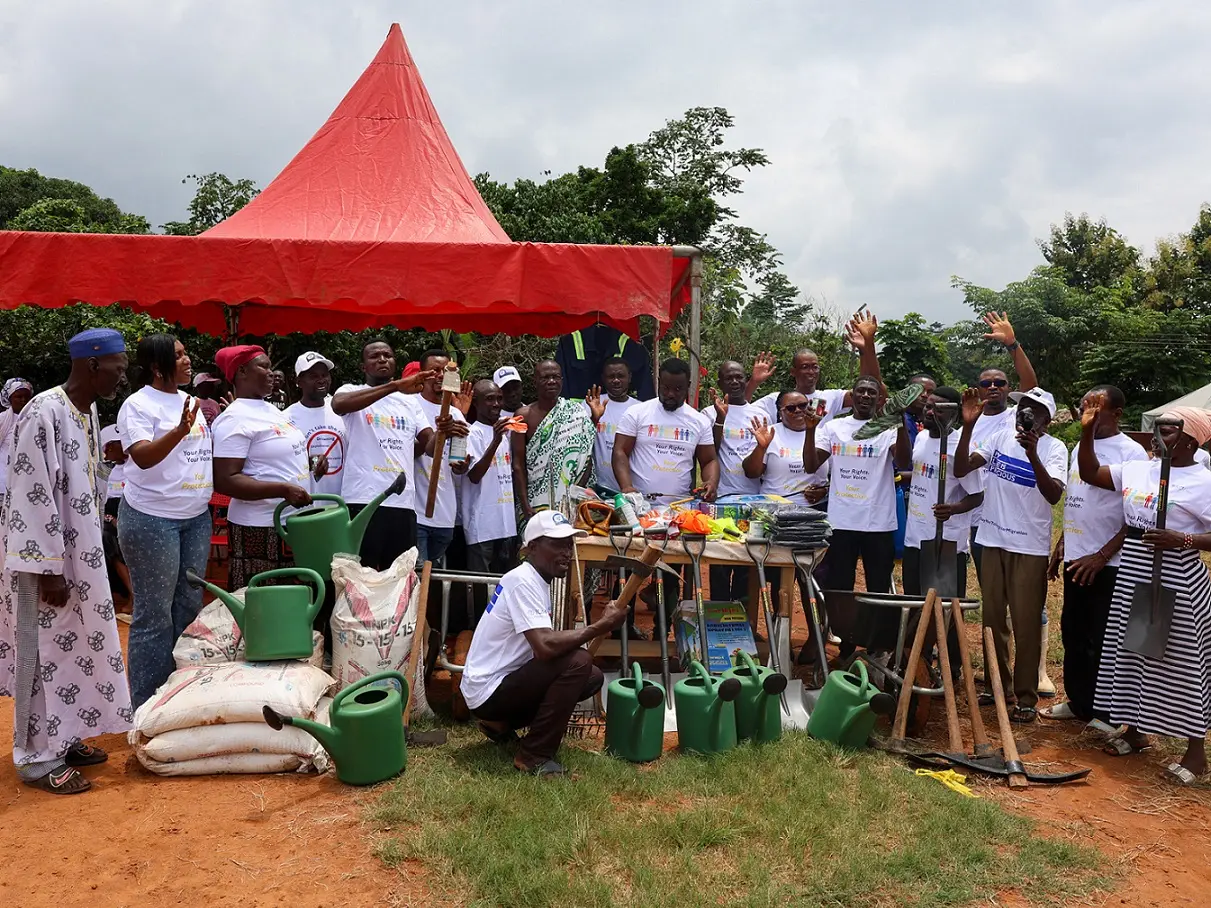
Farmers in two border communities in Ghana are set to benefit from year-round farming following the handover of new irrigation facilities aimed at strengthening food production, boosting incomes and improving resilience to climate change.
The irrigation farms, located in Konjiahi in the Upper West Region near the Burkina Faso border, and Awiakrom in the Bono Region close to Côte d’Ivoire, were handed over by the International Organization for Migration (IOM) in partnership with GIZ Ghana and Community Aid for Rural Development (CARD Ghana) in July and August 2026.
For years, farmers in the two communities have relied heavily on seasonal rainfall, limiting agricultural activities during prolonged dry seasons and exposing households to the effects of changing weather patterns. The new irrigation systems are expected to allow farmers to cultivate crops throughout the year, improving food security and providing more stable sources of income.

According to local farmers, the facilities will help expand production, create market opportunities and encourage greater participation in agriculture, particularly among young people seeking sustainable livelihoods.
Agriculture remains a key pillar of Ghana’s economy, contributing 23.3 per cent of gross domestic product and employing about 45 per cent of the country’s labour force. However, dependence on rainfall continues to leave many farming communities vulnerable to climate variability and dry spells.
In Konjiahi, the irrigation project is expected to support dry-season cultivation and improve household food availability, while in Awiakrom it is projected to stimulate economic activity along the agricultural value chain, including processing, storage, transportation, marketing and cross-border trade.
Trending Stories
)
The Early Spring is proof not everyone can talk about their real feelings, and it is perfectly OK
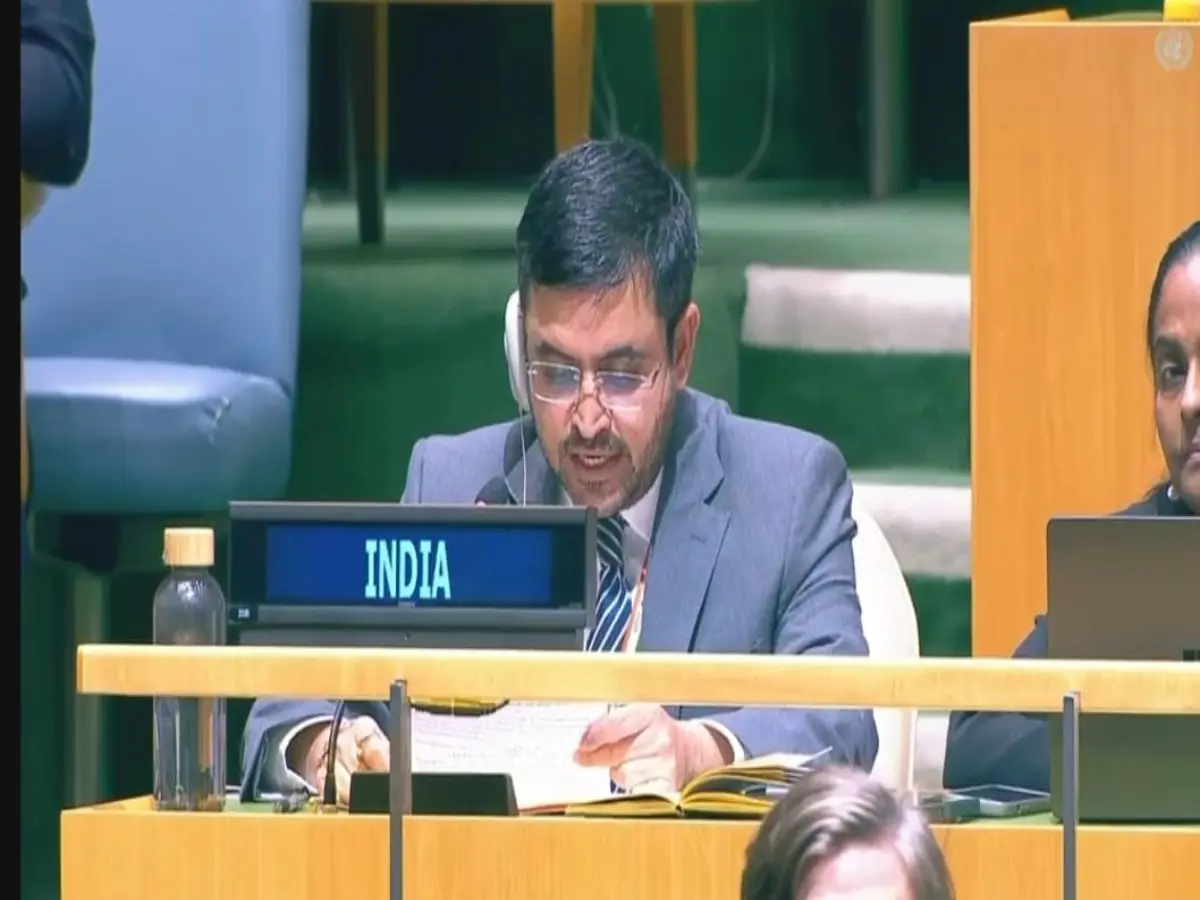)
UN votes to ‘correct the map’ as India backs fairer world view
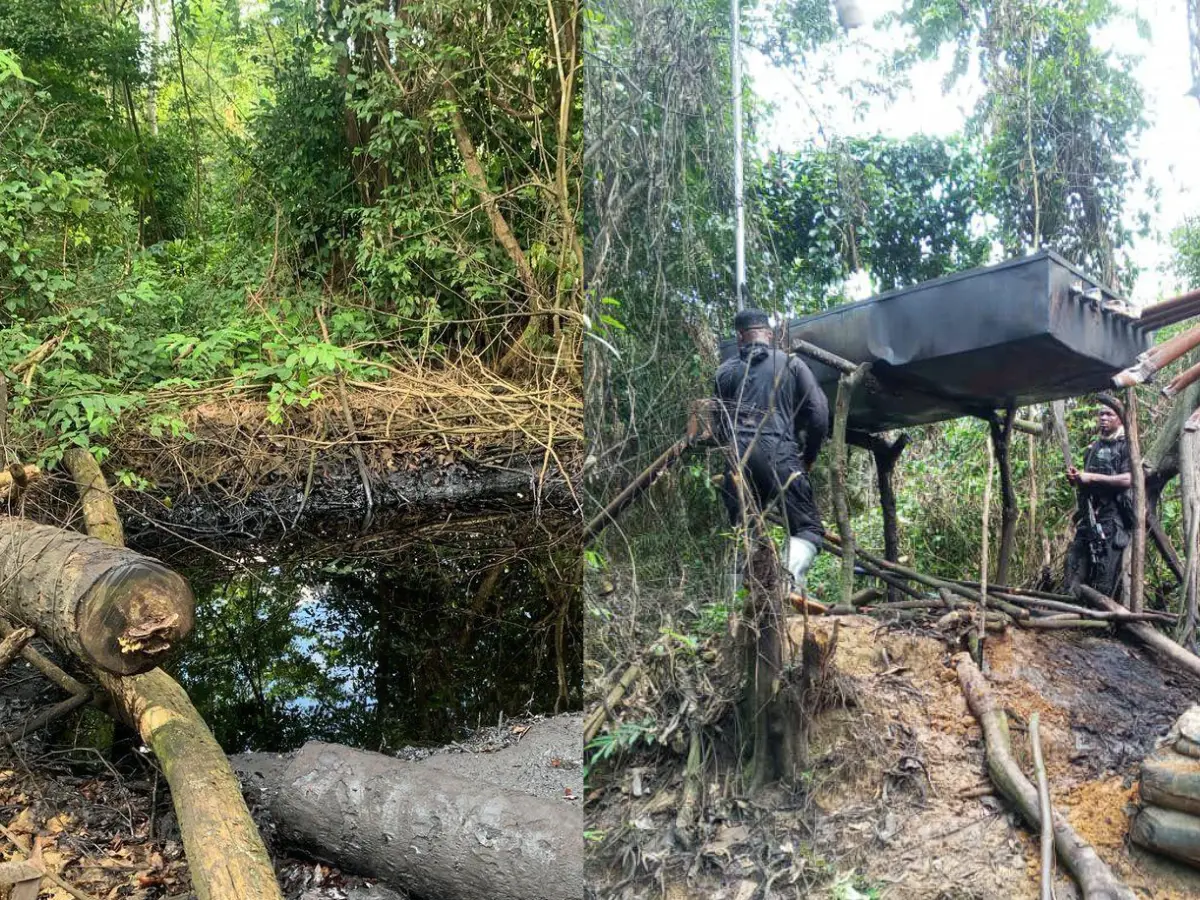)
Nigerian Navy discovers 99,000 litres of suspected stolen, illegally refined products as it intensifies anti-crude oil theft operations
)
Who is Aditi Paudel? 17-year-old becomes Japan's first literacy ambassador
)
Bengaluru: Officials find 40 kg expired chilli at chairman's club
)
Jaishankar rejects trade link to ending Ukraine war
)
Israeli strikes on Lebanon kill three, injure 23 despite truce
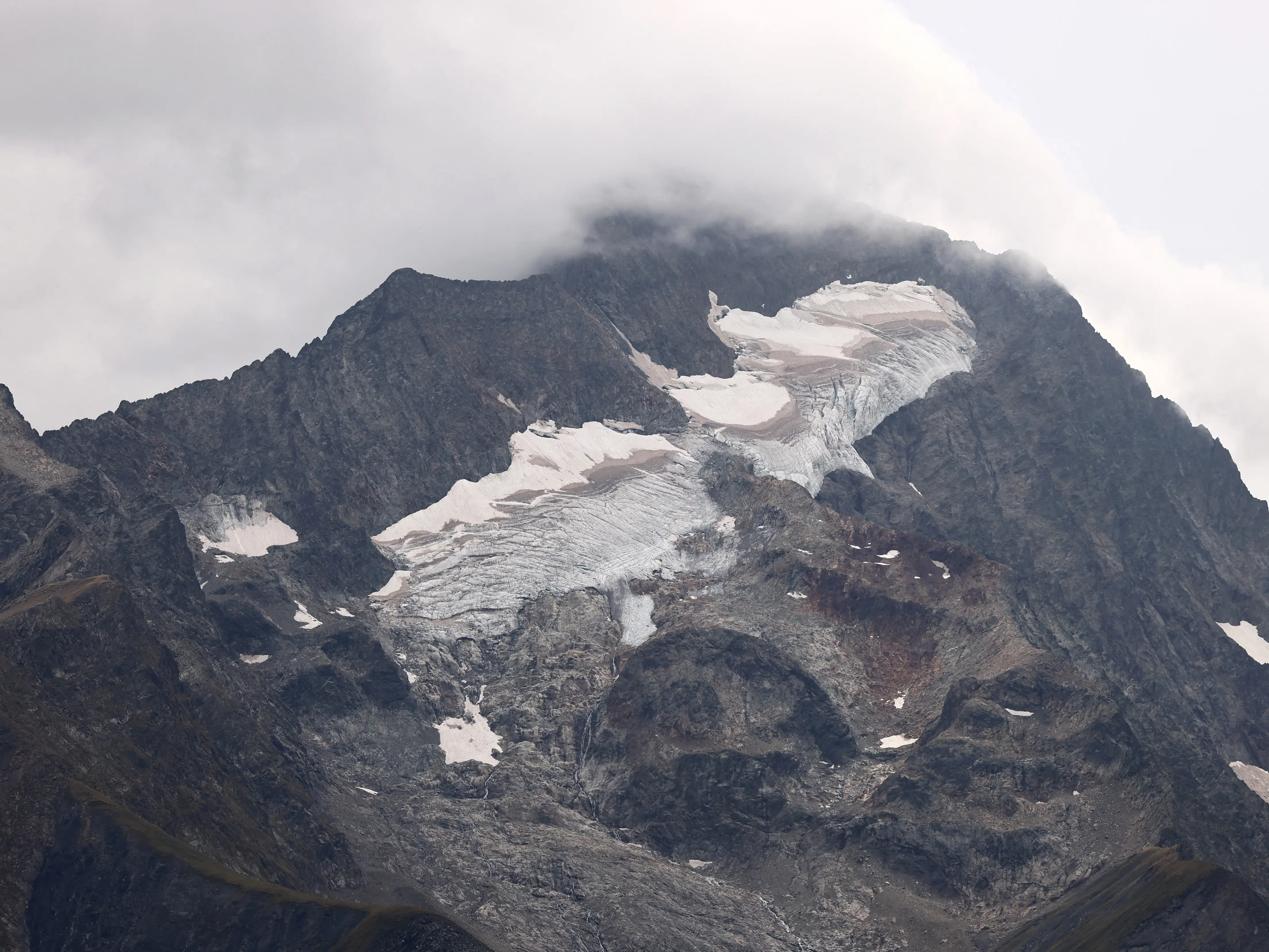)
Alpine glacier was covered with sheep wool sheets to prevent melting. It worked
)
South Korea mulls deploying military assets to Strait of Hormuz
)
World's fifth-largest economy, British army can't afford to train
)
Breaking | Vance takes the podium: First White House briefing since Leavitt's exit
)
Taiwan raises 'concerns' over China's missile test
)
BRICS 2026: $1 trillion sovereign capital set to converge in Delhi for first iBRICS Summit
)
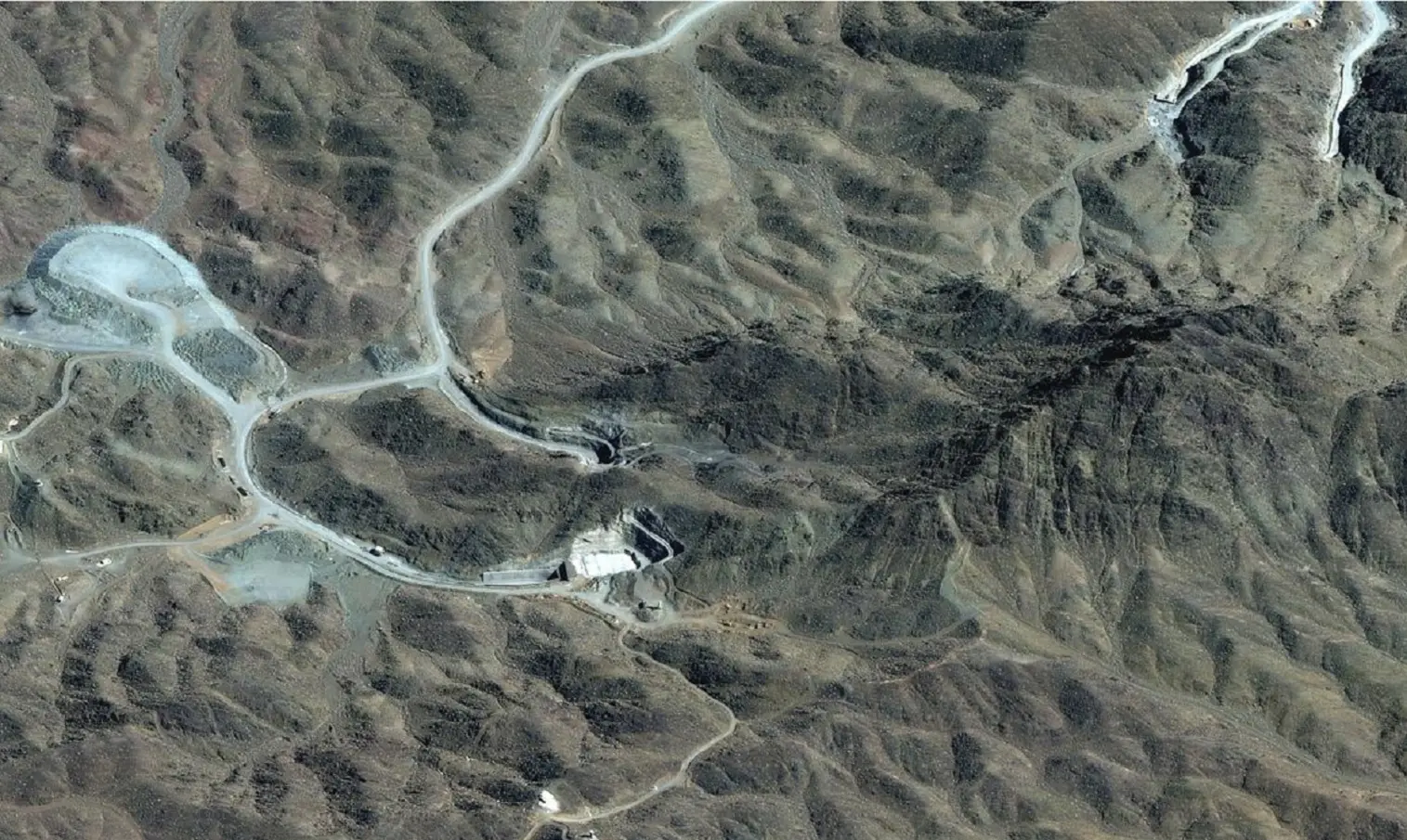
What is Iran's Pickaxe Mountain that Trump has again threatened to bomb?
)
UN votes to correct world map that visually shrank Africa for 450 years
)
Former NewJeans member Danielle launches YouTube channel, hints at new solo journey
)
Bangladesh batter Towhid Hridoy creates history with 350 not out in South Africa
)
Brendan Fraser’s transformation fuels The Mummy 4 excitement as fans welcome back Rick O’Connell
&im=FitAndFill=(700,400))
Krishna Janmashtami 2026: From Dhaniya Panjiri to Makhana Kheer- 5 best sweet dishes perfect for celebrating Lord Krishna’s birth
)
Donald Trump plans to travel to Ireland on Qatari-donated jet amid security concerns
)
Nazi-looted art to return to Jewish heirs
)
Eight killed in Kerala’s Thrissur after car rams into lorry parked on highway
&im=FitAndFill=(700,400))
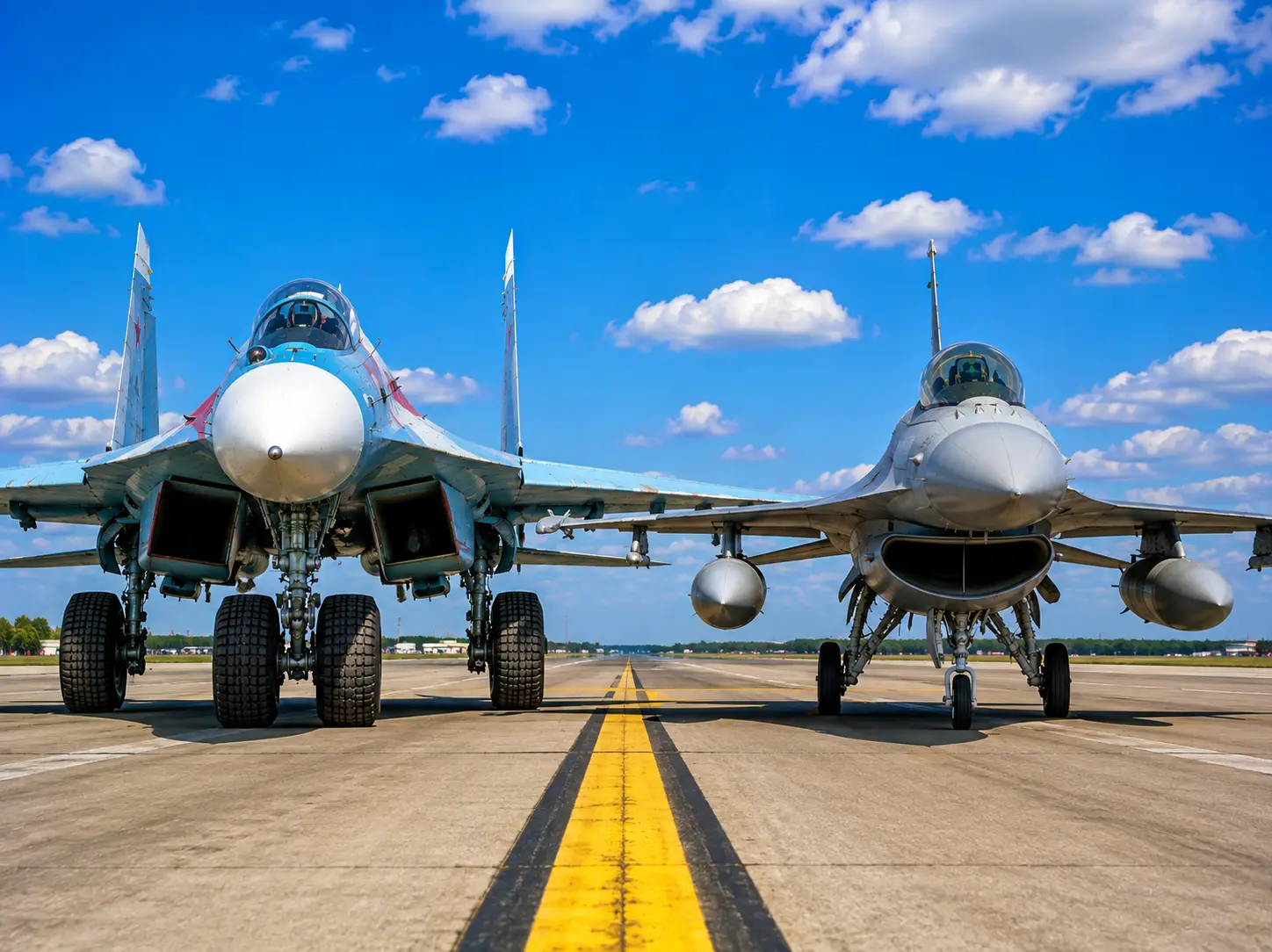
Why Russian fighter jets use bulky, low-pressure tyres compared to US jets
)
FBI-wanted fraud accused arrested in Jalandhar over $600,000 scam
&im=FitAndFill=(700,400))
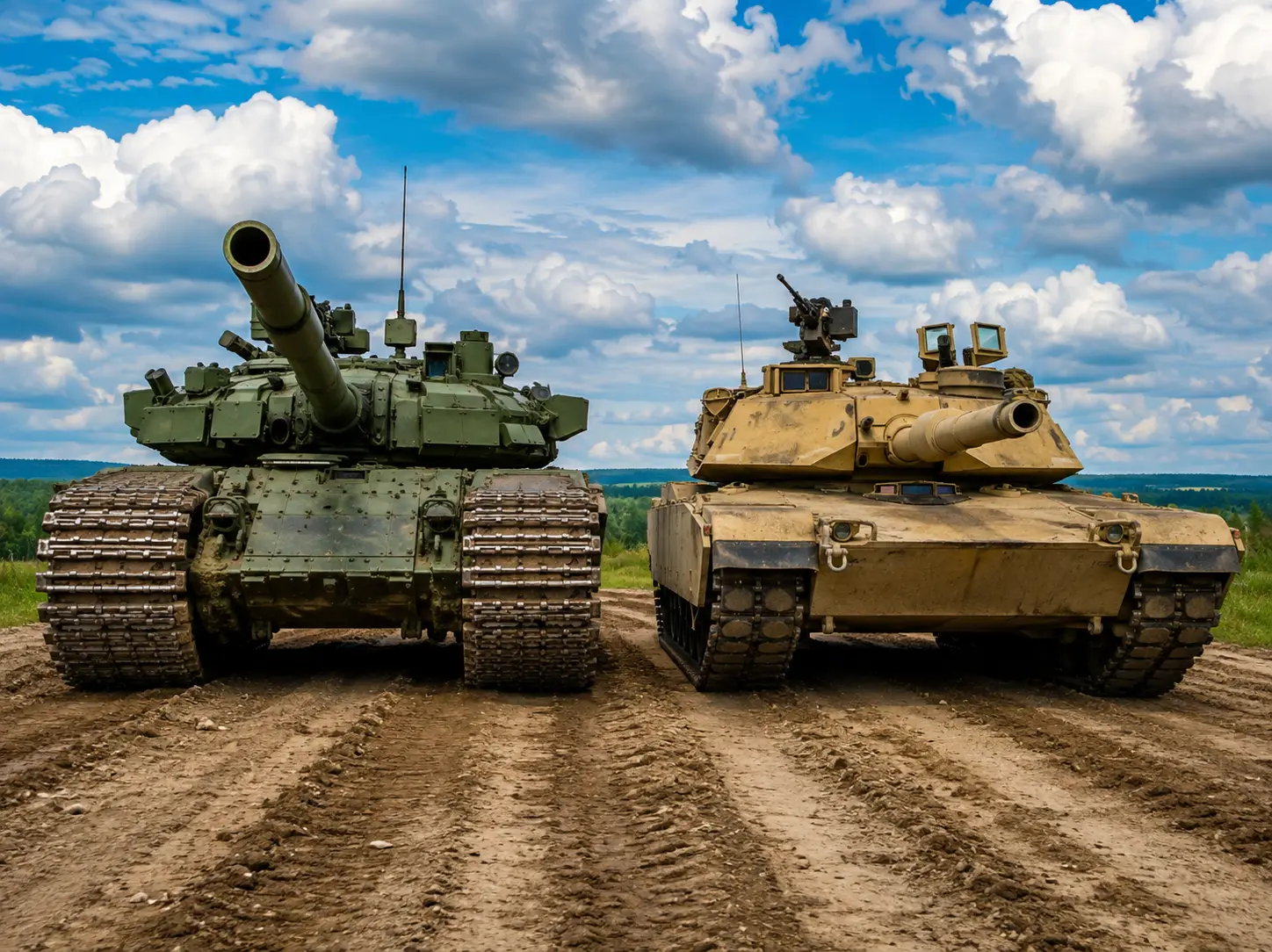
Why US tanks weigh over 20 tons more than Russian tanks
&im=FitAndFill=(700,400))
New Friday OTT releases (September 4, 2026): GDN, Dhamaal 4, Jagamae Sangeetham- Watch 6 new movies and TV shows on Netflix, Prime Video and more
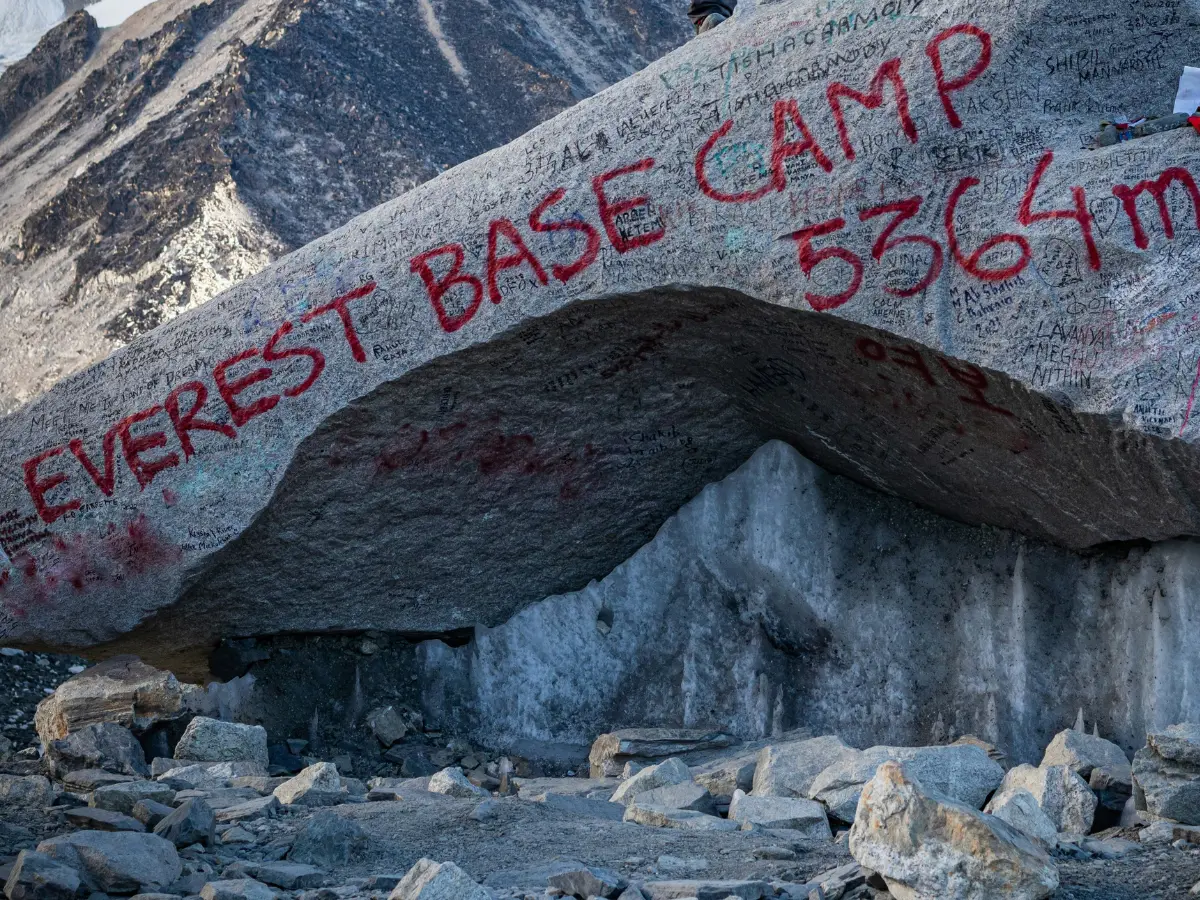)
Killing the Himalayas slowly: Human urine is melting a glacier on Mount Everest
Fatou Diallo Ndiaye, Chief of Mission for IOM Ghana, said improving access to productive resources and promoting year-round agriculture would help border communities strengthen food systems, unlock economic potential and build resilience against climate-related challenges.
The facilities will be managed through a community-led model, with selected residents jointly cultivating and overseeing the farms to ensure long-term sustainability and wider benefits for local development.