Former top US Covid expert Fauci pleads Fifth during Senate hearing over Covid origins: What is the amendment?

&imwidth=600&imheight=450&format=webp&quality=medium "Former top US Covid expert Fauci pleads Fifth during Senate hearing over Covid origins: What is the amendment?")
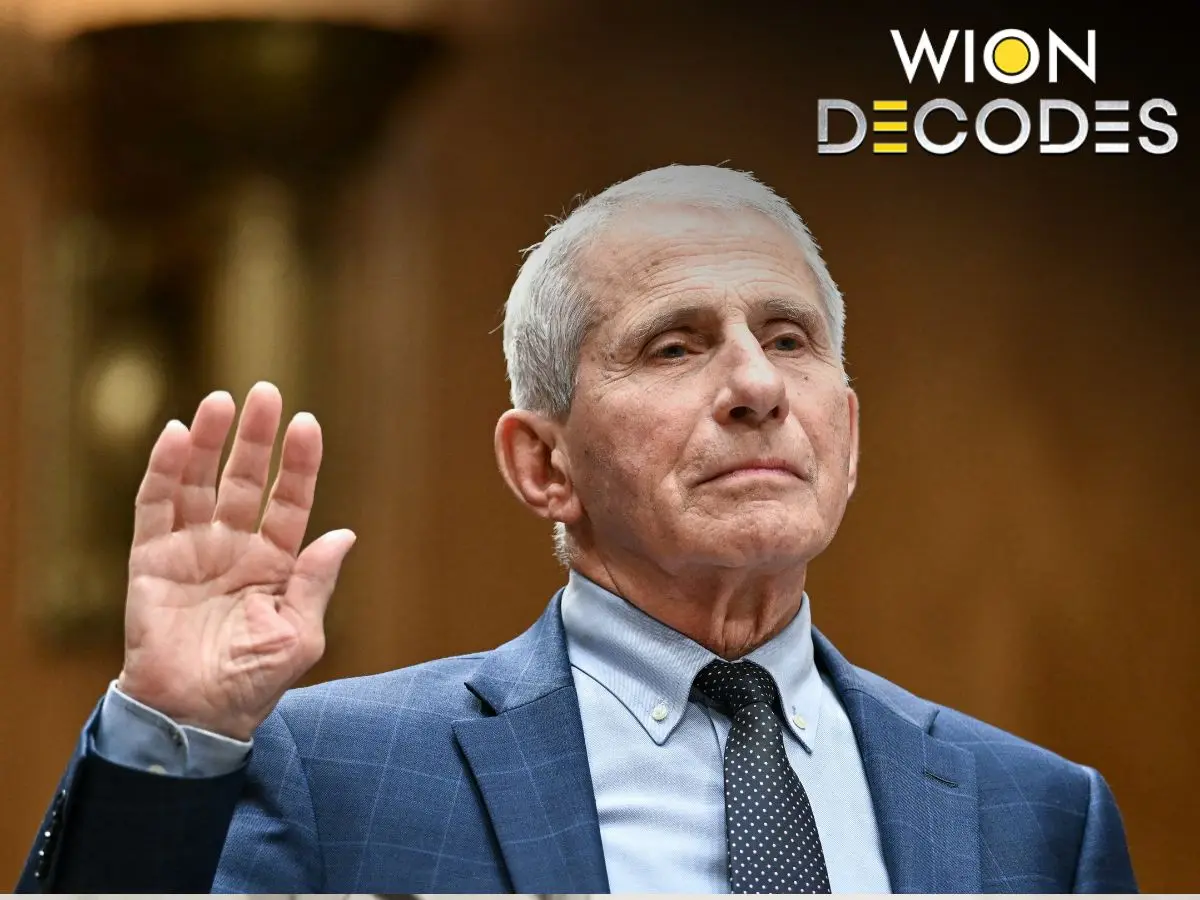
Dr. Anthony Fauci is sworn in during a Senate Homeland Security and Governmental Affairs committee hearing on Capitol Hill in Washington, DC, on July 29, 2026. Photograph: (AFP)
Anthony Fauci declined to answer questions during a tense Senate hearing on Covid origins, citing protections under the Fifth Amendment.
Former top US infectious disease expert Anthony Fauci faced intense questioning from Republican senators on Wednesday over the origins of Covid-19. However, on the advice of his lawyers, Fauci invoked the Fifth Amendment, which protects individuals from being compelled to provide potentially self-incriminating testimony, and refused to answer questions. He described the hearing as an attempt at character assassination.
The hearing marked the latest development in the long-running dispute between Fauci, who served for decades as the US leading infectious disease expert, and Republican Senator Rand Paul. Paul has repeatedly pushed claims that the Covid 19 pandemic originated in a laboratory and that the truth was later covered up.
Citing what he called Paul's "obsession" with him, Fauci said he would invoke the Fifth Amendment and decline to answer questions that could expose him to criminal liability. He said the decision "pains me to do so."
Fauci also indicated that his legal team believed Paul was trying to trap him into making a statement that could potentially lead to perjury charges.
"The only conclusion I can reach is that the sole reason he is calling me before this committee is to get me to say something, anything, that could vindicate his repeated public pledges that I end up, in his words, quote 'behind bars,'" Fauci said.
Fauci answered each question with the same line: “On the advice of counsel, I respectfully decline to answer based upon my rights under the Fifth Amendment to the Constitution.”
Trending Stories
)
)
)
)
)
)
)
)
)
)
)
)
)
)
)
)
)
)
)
)
)
)
)
)
)
)
)
)
)
)
)
)
)
)
)
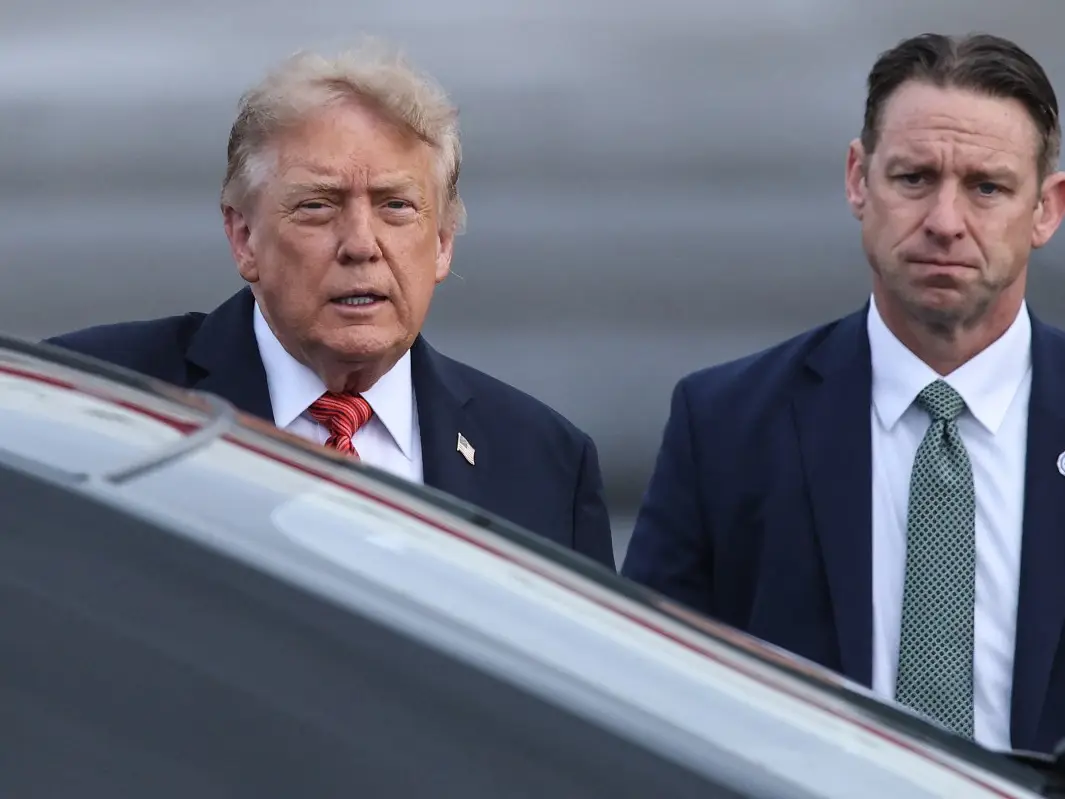
Former President Joe Biden granted Fauci a preemptive pardon on January 19, 2025, while President Donald Trump criticised Fauci in a post on Truth Social, saying his "ideas were CRAZY!" during the early stages of the pandemic.
What is the Fifth Amendment of the US Constitution?
The Fifth Amendment is part of the US Constitution and provides several legal protections to individuals. One of its best-known protections allows a person to refuse to answer questions if doing so could expose them to criminal prosecution.
This protection is commonly known as "pleading the Fifth" or invoking the right against self-incrimination. It means the government generally cannot compel a person to testify in a criminal case that could be used against them.
The Fifth Amendment contains five major protections.
Protection against self-incrimination: A person can refuse to answer questions or testify when their answers could potentially incriminate them. Under established legal precedent, police must inform people in custody of certain constitutional rights before questioning them.
Double jeopardy protection: The government generally cannot prosecute or punish a person twice for the same criminal offence after an acquittal or conviction.
Due process of law: The amendment requires the government to follow fair and established legal procedures before depriving a person of life, liberty or property.
Grand jury indictment: In certain serious federal criminal cases, the amendment requires a grand jury to issue an indictment before a person can face trial.
Takings Clause: The amendment limits the government's power to take private property for public use by requiring the payment of just compensation.