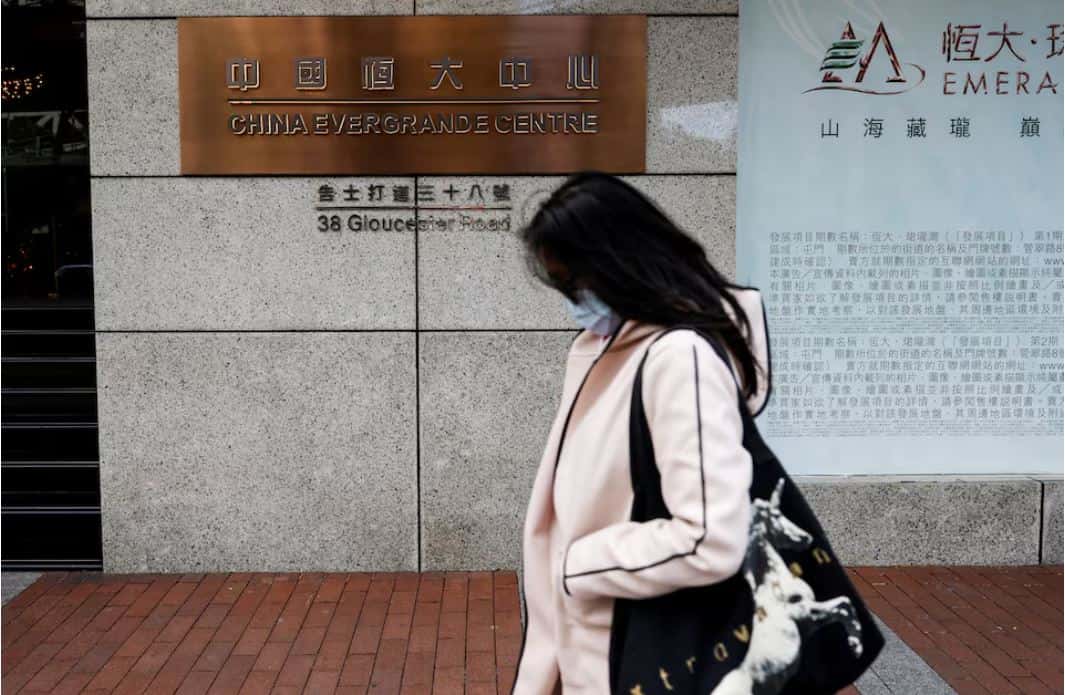
Evergrande founder Hui Ka Yan pleads guilty to fraud: How China’s biggest real estate firm went down due to greed and debt

&imwidth=600&imheight=450&format=webp&quality=medium "Evergrande founder Hui Ka Yan pleads guilty to fraud: How China’s biggest real estate firm went down due to greed and debt")
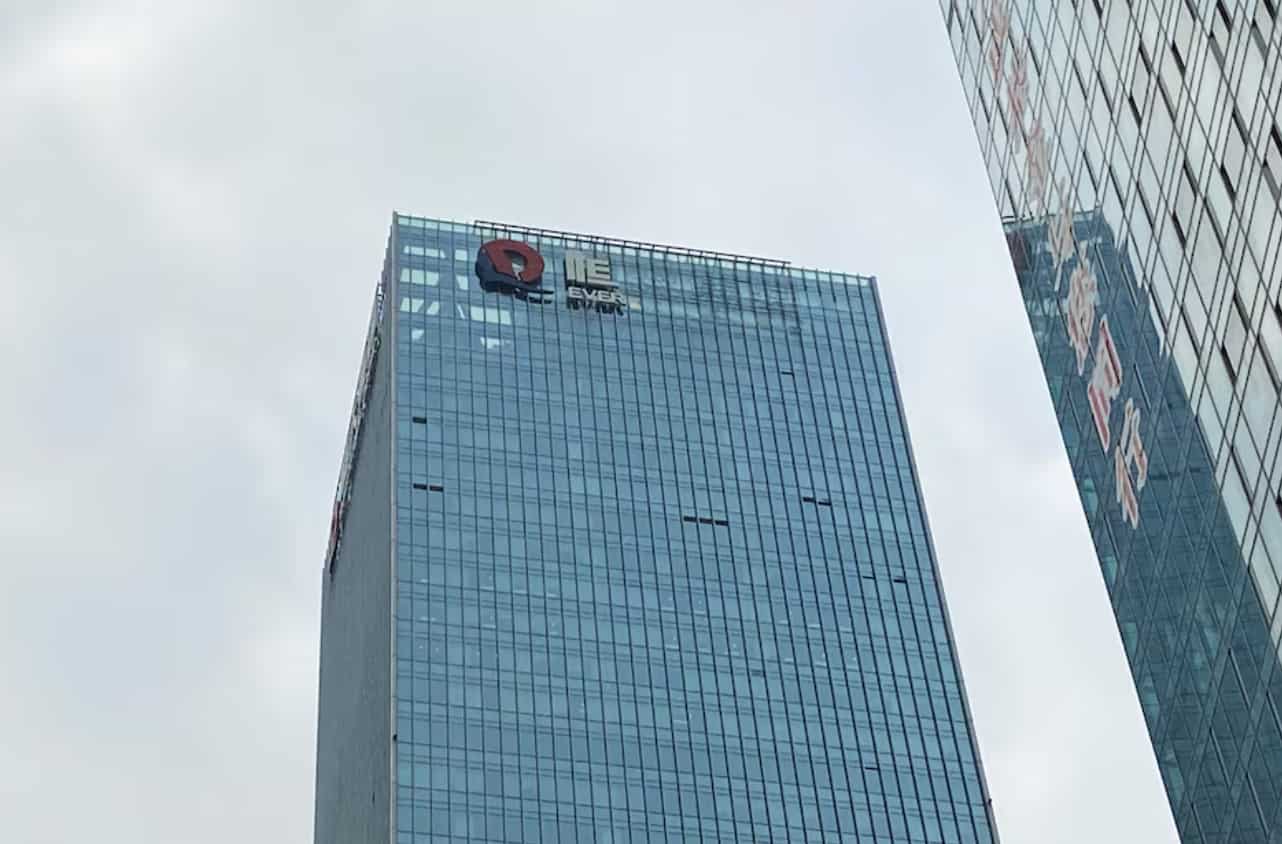
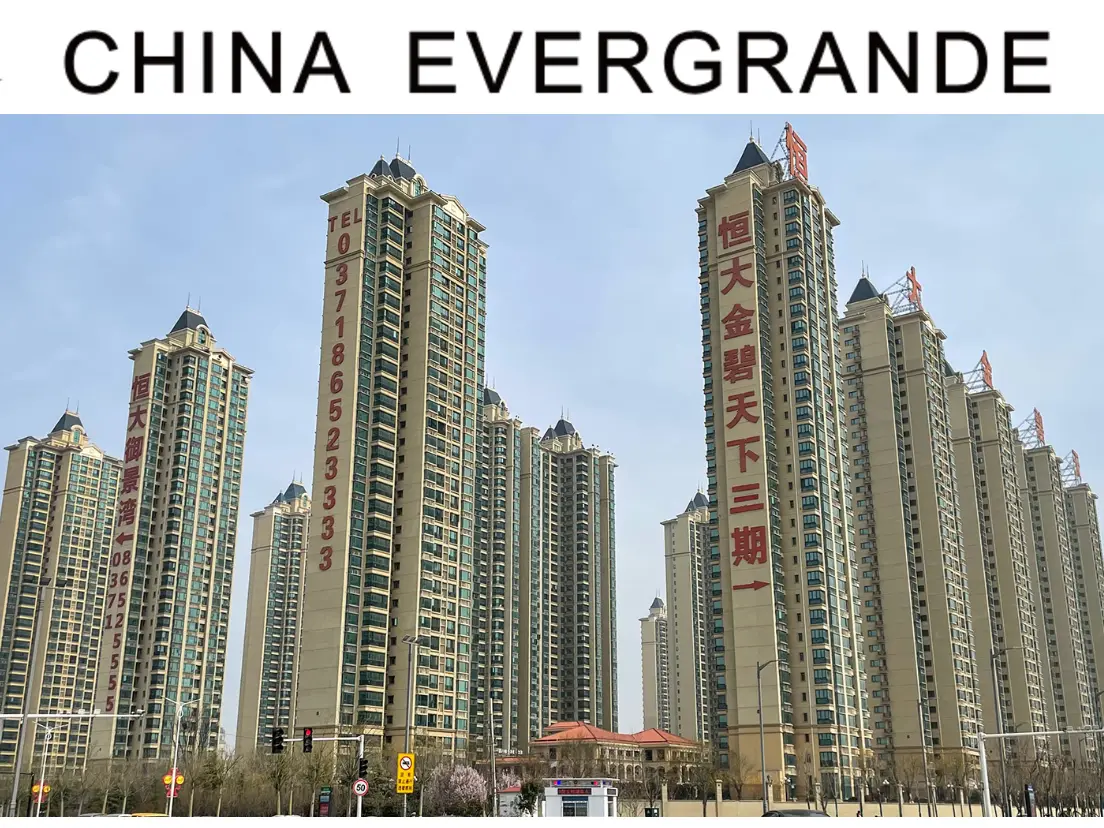
Evergrande went from a symbol of Chinese real estate boom to a cautionary tale on debt-fueled growth Photograph: (Others)
Evergrande founder Hui Ka Yan pleaded guilty to fraud as China’s biggest property developer collapsed under massive debt. Accounting fraud and unfinished projects at Evergrande had triggered a wider real estate crisis in China. Here is the story of its fall
Evergrande founder Hui Ka Yan pleaded guilty to multiple fraud charges in a landmark trial that marks another chapter in the spectacular collapse of what was once China’s largest real estate developer. Also known as Xu Jiayin, the 67-year-old stood trial alongside the company he founded. At the Shenzhen Intermediate People’s Court, he pleaded guilty to all fraud charges and expressed remorse in his final statement. He might receive a life term in jail and confiscation of property for some of the serious charges, such as illegal fundraising and bribery. The verdict is awaited. How did Evergrande collapse? Here is that story:
A fundraising fraud: Charges against Hui Ka Yan and Evergrande
Hui and Evergrande faced charges of taking deposits from the public without authorisation.
The fundraising fraud included misuse or embezzlement of corporate assets and funds.
They were also charged with illegally issuing or extending loans and the fraudulent issuance of securities. Other charges include corporate bribery.
Evergrande diverted pre-sale funds paid up by homebuyers for construction of projects to new projects instead, leading to hundreds of unfinished properties across China.
Regulatory findings from 2024 showed the company had inflated 2019 and 2020 revenues by a combined 564 billion yuan, or nearly $78 billion, enabling fraudulent bond issuance.
Hui was detained by authorities in September 2023 on suspicion of the crimes. In March 2024, China’s securities regulator, CSRC, fined him 47 million yuan, or around $6.5 million, banned him for life from the securities market, and penalised the company heavily for the accounting fraud.
Trending Stories
)
)
)
)
)
)
)
)
)
)
)
)
)
)
&im=FitAndFill=(700,400))
&im=FitAndFill=(700,400))
)
)
)
)
)
)
&im=FitAndFill=(700,400))
)
)
&im=FitAndFill=(700,400))
)
Liquidators are seeking recovery of $6 billion in dividends and remuneration paid to Hui and his former spouse.
How Hui rose to be Asia’s richest man, with Evergrande fortunes
Born into poverty in the rural Henan province and raised by his grandmother, Hui went on to build Evergrande, founded in 1996, into a real estate empire. The Guangzhou-based company, at its peak, was valued at over $50 billion. In 2017, Hui was Asia’s richest person, with a net worth of $42.5 billion.
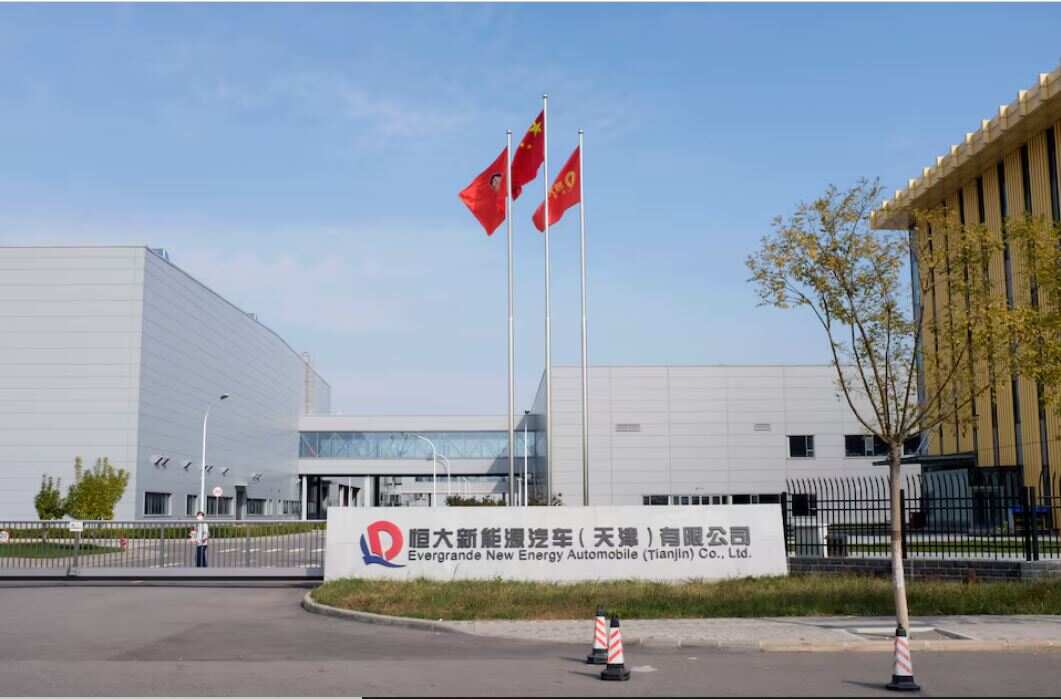
Under Hui, Evergrande expanded aggressively into electric vehicles, football, food and drinks, and other sectors.
Evergrande: How China’s biggest real estate firm collapsed
Evergrande’s downfall was the result of a classic high-leverage real estate model that continued until regulators stepped in.
The business model was debt-fuelled. Having borrowed heavily to buy land, Evergrande pre-sold unfinished apartments to buyers who often paid up to 90 per cent upfront. This money was then used to buy more land.
This continuous expansion loop model worked during China’s property boom, and by 2020, Evergrande became China’s largest developer.
Evergrande failed China’s ‘Three Red Lines’ test
Things changed with China’s “Three Red Lines” policy in 2020. This imposed debt limits for developers to curb systemic risks.
The three aspects were: debt-to-asset ratio should be less than or equal to 70 per cent; net debt-to-equity ratio should be 100 per cent; and cash-to-short-term debt ratio should be greater than 1.
Evergrande failed all three of the red line tests.
Its borrowing ability was severely restricted, cutting off its lifeblood.
A liquidity crisis and default of Evergrande, 2021
Under regulatory scrutiny, Evergrande could neither borrow nor complete its projects. Even as the Covid pandemic hit China and the rest of the world, Evergrande stopped paying suppliers and contractors and halted construction on many sites. In late 2021, Evergrande defaulted on paying interest on offshore bonds. Soon, its total liabilities reached 2.39 trillion yuan, or $330 billion, equivalent to around 2 per cent of China’s GDP. Evergrande owed foreign creditors around $25 billion.
Evergrande almost brought down the entire real estate sector in China
Nearly 1 million homebuyers were left with unfinished apartments across 1,300 Evergrande projects in 280 cities. Mass protests and more than 1,300 lawsuits followed. Evergrande was the first domino: more than 50 other real estate developers defaulted on debt payments. In August 2025, Evergrande was delisted from the Hong Kong Stock Exchange after its shares lost nearly 99 per cent of their value. Talks for debt restructuring collapsed, and in 2024, a Hong Kong court ordered liquidation of Evergrande, the largest in Chinese corporate history.
Accounting fraud behind Evergrande collapse
To keep borrowing and meet targets, Evergrande forged sales and profit numbers. Hundreds of billions of yuan were overstated. This allowed it to continue issuing bonds while hiding the true debt burden.The guilty plea cemented Hui’s personal accountability.
Evergrande liquidation proceedings are continuing. Unfinished projects may be completed or sold to other developers with regulatory support.
But Evergrande and Hui have become a cautionary tale for China’s property market that once overheated. The realities of Chinese household wealth, local government finances, and investor confidence were also exposed by the fall of Evergrande.
The saga is seen as a symbol of the end of China’s debt-fuelled real estate boom era.