EU has frozen over $215 billion in Russian central bank assets since Russia's invasion of Ukraine


EU freezes more than $215 billion USD in Russian central bank assets
The European Union (EU) has immobilised more than €200 billion ($215 billion) in Russian central bank assets since Russia’s invasion of Ukraine, the latest data suggests.EU nations reported fresh numbers on the blocked assets after the 10th sanctions package which forced banks to divulge information on the size of their holdings.
EU’s commitment to make Russia pay fordamages caused in Ukraine
European Commission spokespersonChristian Wigand confirmed the number of immobilised assets in the Russian banks. Speaking on the issue during an interview, Wigand stated that “the EU is committed to ensuring that Russia pays for the damages caused in Ukraine. The EU is exploring ways of using Russian frozen and immobilised assets for that purpose.”

The EU and its allies have repeatedly said that Russia must pay for the damages it has inflicted on Ukraine. That belief was recently reaffirmed at the G-7 summit in Japan.
EU member states are also exploring ways to use some of the frozen assets to contribute towards Ukraine’s future reconstruction.
ALSO READ |Ukraine claims it has shot down 36 Russian drones
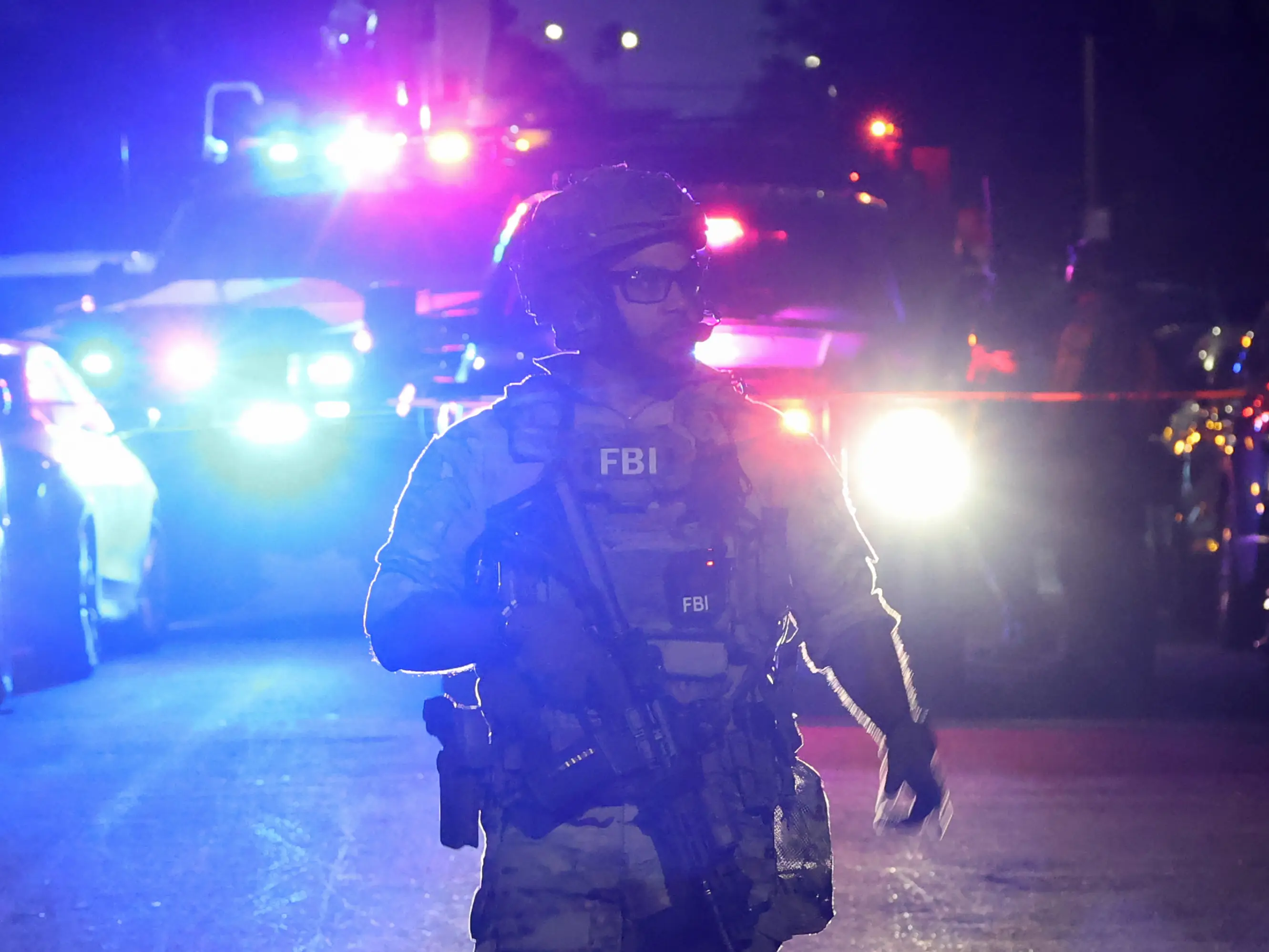)
‘Kill all in the name of...’: FBI arrests 21-year-old over alleged ISIS-inspired mass-casualty attack plot
)
'She married her brother': Ilhan Omar faces criminal probe over immigration fraud claims
)
Bitter Zelensky snubs Trump for playing politics with Ukraine war | Gravitas
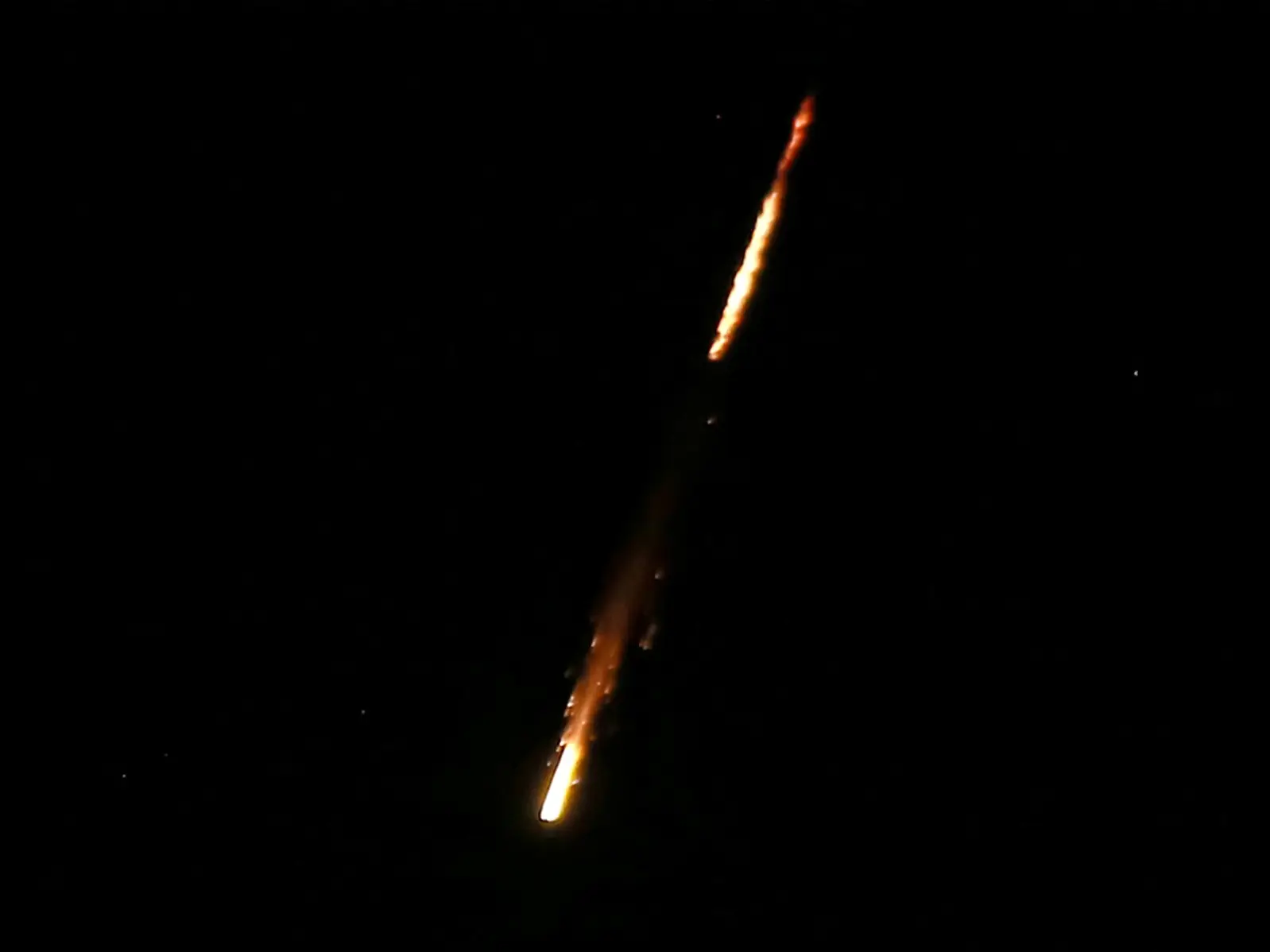)
US fires up to 70 interceptors against Iran attack on Jordan, putting supplies under pressure
)
India’s imports from Russia jump 57% in five months; China remains top import source
)
‘US military task force aiding Saudi Arabia forces with intel, planning support’: Official
)
OpenAI boss Sam Altman repeats AI 'slow down' call, says world 'right to be afraid'
)
Top military commanders from US, Israel, and 7 Arab nations held secret meeting on Iran War
)
Sydney Sweeney defends provocative ad choice, the internet is still not impressed
)
'Definitely feel bad for yourself': Kuldeep Yadav opens up on India Test snubs
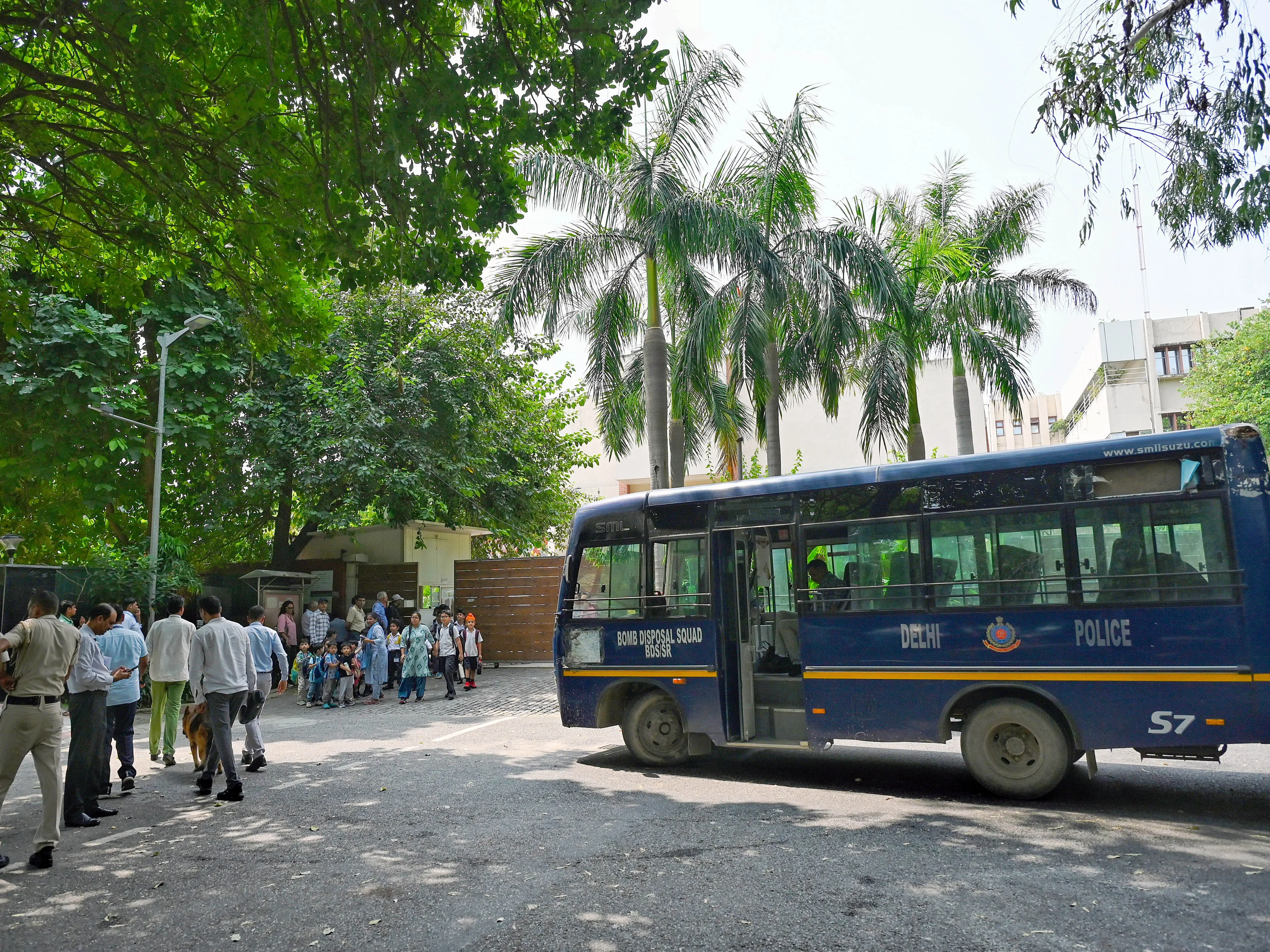)
Delhi schools receive bomb threats in Punjabi, security checks find nothing suspicious
)
Ex-India all-rounder Yuvraj Singh wants India to avoid 'massive changes' before ODI World Cup 2027
)
Ed Sheeran’s US tour loses all support acts after Macklemore’s removal | Controversy explained
)
China's property crisis deepens as investment plunges nearly 20%
)
Messi set to play in farewell match on October 6 in Argentina vs Benin friendly
)
800 million years old - Scientists discover 'fingerprints' of supercontinent Gondwana in ancient rocks
)
Putin-linked Russian oligarch, Melania links: Why Trump skipped his son’s Bahamas wedding bash?
)
Saudi turns to Israel for intelligence help as Houthi attacks intensify: Report
)
Trump's name cannot return to Kennedy Center, US judge rules
)
1,200 Indian and US troops begin high-altitude and desert drills
)
Water equivalent to two Pacific Oceans could be stashed 2,900 km inside Earth
&im=FitAndFill=(700,400))
New OTT releases this week (September 14-20, 2026): Lust Stories 3, Waiting Hai, Irumudi- 5 new titles coming on Netflix, Prime Video and more
)
Trump's Iran war faces fresh House rebuke; 7 Republicans join Democrats in push to end conflict ahead of midterms
)
US Treasury yields cross 5% as Scott Bessent warns of ‘global issues’ impacting bonds
)
Who is Kalyan Bainsla, accused in the Gurugram hit-and-run case involving woman biker?
)
Saudi Arabia discovers 110 million tonnes of Uranium-rich ore in Madinah region
)
'Now Trump is copying us': Shivakumar links US $5,000 plan to Congress guarantees
)
Elephants hide behind trees, stage surprise attack on poachers targeting rhinos in South Africa
)
Los Angeles helicopter crash: At least three dead, several injured; NTSB to investigate
)
West Bengal IPS officer Bushra Bano transferred after objections to ‘Assalamualaikum’, ‘Inshallah’
)
Spanish officer sent home from NATO base over affair with 'Russian spy' | Gravitas
)
IND vs AFG, 2nd T20I: Reddy, Samson shine as India defeat Afghanistan by 7 wickets to clinch series
)
'Like a thug you are using agency to go after..': Kash Patel grilled by Senate Democrats over FBI firings, journalist investigations and hiring policy
As reported by Bloomberg, one option that is under discussion is to invest in the central bank and other Russian state assets and use any proceeds for Ukraine.
EU freezes private assets of individuals
EU has also frozen €24.1 billion ($25.8 billion) in Russian private assets of sanctioned individuals and entities since the invasion of Ukrainealmost 15months ago.
The EU has also sanctioned almost 1,500 individuals and restricted exports of hundreds of goods and technologies. Many of Russia’s key revenue sources have also been targeted by the EU. However, the EU has been unsuccessful so far in freezing the assets of sanctioned Russian billionaires.
WATCH |Russia-Ukraine war: Netherlands and Norway extend support to Ukraine
EU is working closely with international allies
In his recent statements, Wigand pointed out that “the European Commission is working closely with Sweden, which holds the rotating EU presidency, to move discussions forward on proposed options to use frozen central bank assets”.
The EU is also discussing its proposed plans with its international allies to ensure the necessary coordination at the international level. However, these reflections are both legally and technically complex,” he said.
The EU leaders are expected to discuss this further at their next meeting which is scheduled in the month of June this year.
WATCH WION LIVE HERE

