Did Pakistan Defence Minister just mock US over Strait of Hormuz claims?

&imwidth=600&imheight=450&format=webp&quality=medium "Did Pakistan Defence Minister just mock US over Strait of Hormuz claims?")
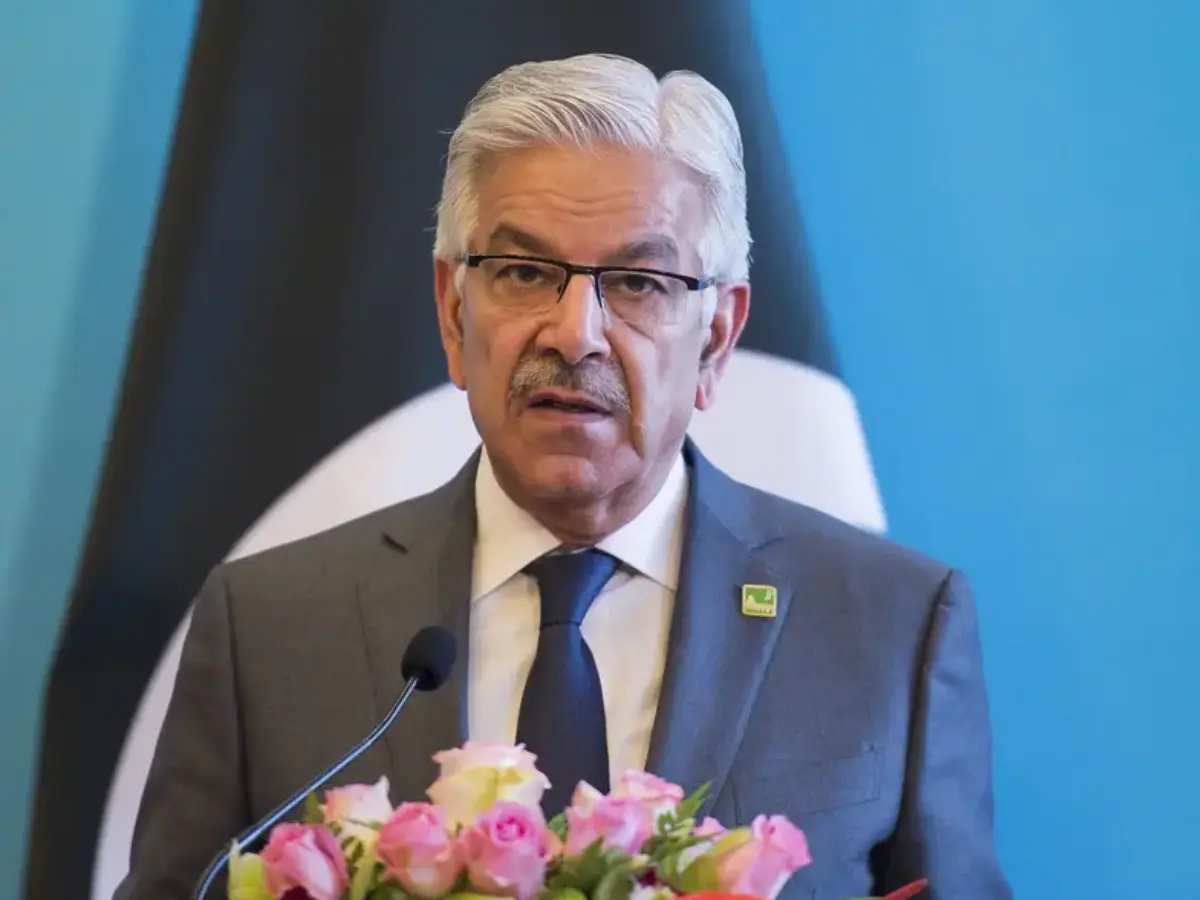
Pakistan Defence Minister Khawaja Asif Photograph: (X/Khawaja Asif)
Amid the West Asia war, Khawaja Asif criticised Washington’s shifting war goals, linking them to the Strait of Hormuz. As Iran allows Pakistan ships passage, Shehbaz Sharif offered to mediate US-Iran talks, though the US called it speculative.
Amid ongoing war in West Asia, Pakistan Defence Minister Khawaja Asif on Wednesday (Mar 25) ook a swipe at Washington’s shifting goals in the conflict and commented on the alleged closure of the Strait of Hormuz. This comes amid Iran allowing ships from Pakistan to pass through the Strait of Hormuz. It also comes at the backdrop of reports that Pakistan is eyeing a mediator role between Iran and the US as US President Donald Trump hinted at a peace deal.
"The goal of the war seems to have shifted to opening the Strait of Hormuz, which was open before the war", Asif wrote in a post on X. Pakistani Prime Minister Shehbaz Sharif shared a similar post, saying, “Pakistan welcomes and fully supports ongoing efforts to pursue dialogue to end the WAR in Middle East, in the interest of peace and stability in region and beyond." "Subject to concurrence by the US and Iran, Pakistan stands ready and honoured to be the host to facilitate meaningful and conclusive talks for a comprehensive settlement of the ongoing conflict," he added.
Also Read: Iran allows India to use Strait of Hormuz amid energy crisis — Check 4 other countries on the list
Pakistan the mediator?
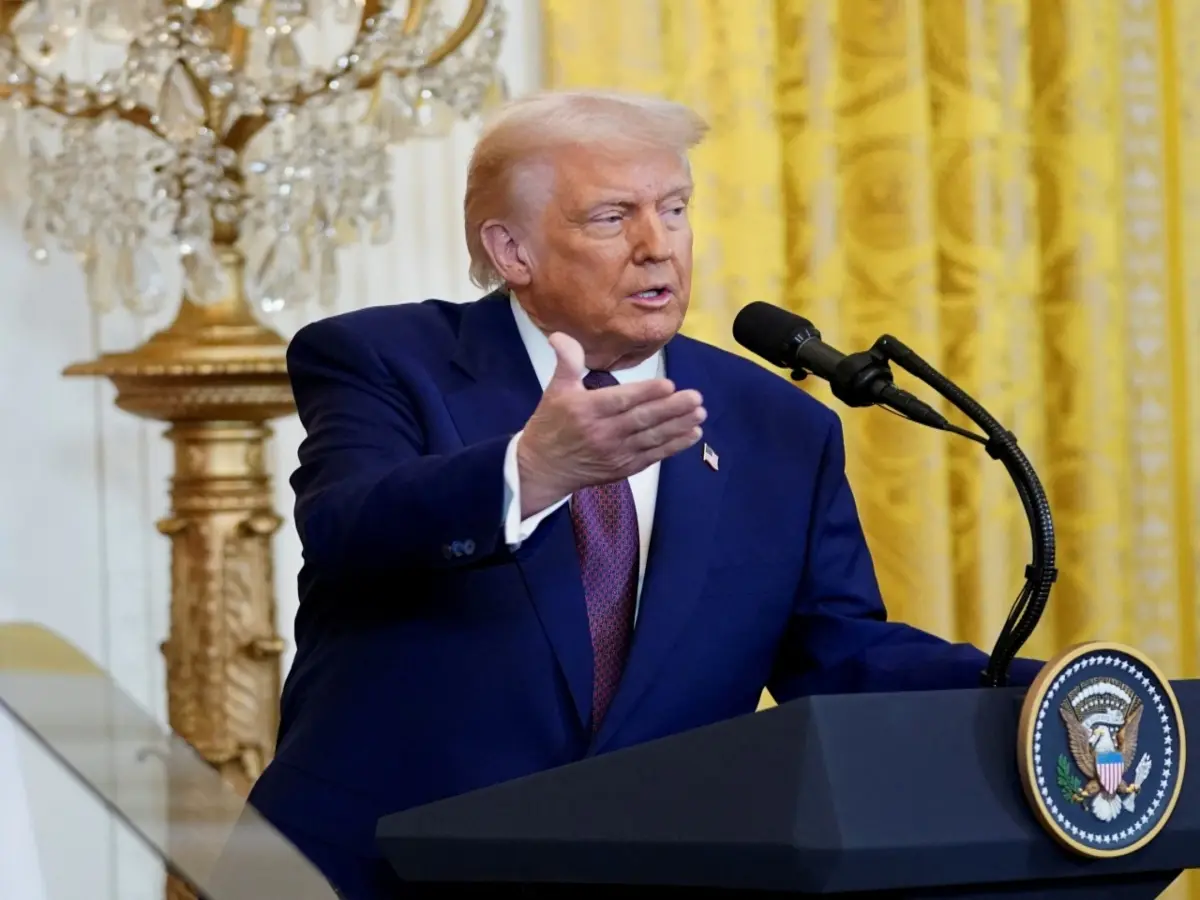
While Trump did share a Pakistan PM's post about mediation, Responding to the development, White House Press Secretary Karoline Leavitt said that nothing concrete could be said. In response to an ANI query, Leavitt said that it should not be deemed as final until it is formally announced by the White House. Leavitt responded, “These are sensitive diplomatic discussions, and the US will not negotiate through the press. This is a fluid situation, and speculation about meetings should not be deemed as final until they are formally announced by the White House.” Interestingly, on March 12, when Iranian President Masoud Pezeshkian for the first time spoke about conditions that the Islamic Republic would put forward to end the war, he had held a telephonic conversation with leaders of Russia and Pakistan.
Trending Stories
)
)
)
)
)
)
)
)
)
)
)
)
)
)
)
)
)
)
&im=FitAndFill=(700,400))
)
)
)
&im=FitAndFill=(700,400))
)
&im=FitAndFill=(700,400))
&im=FitAndFill=(700,400))
)
Reports also indicate that Pakistan Army chief Field Marshal Asim Munir spoke to Trump on Sunday, followed by a phone call between Pakistan Prime Minister Shehbaz Sharif and Iranian President Masoud Pezeshkian. Channel 12 reported quoting sources that US Vice President JD Vance, US special envoys Steve Witkoff and Jared Kushner, will meet with Iranian officials in Islamabad.

