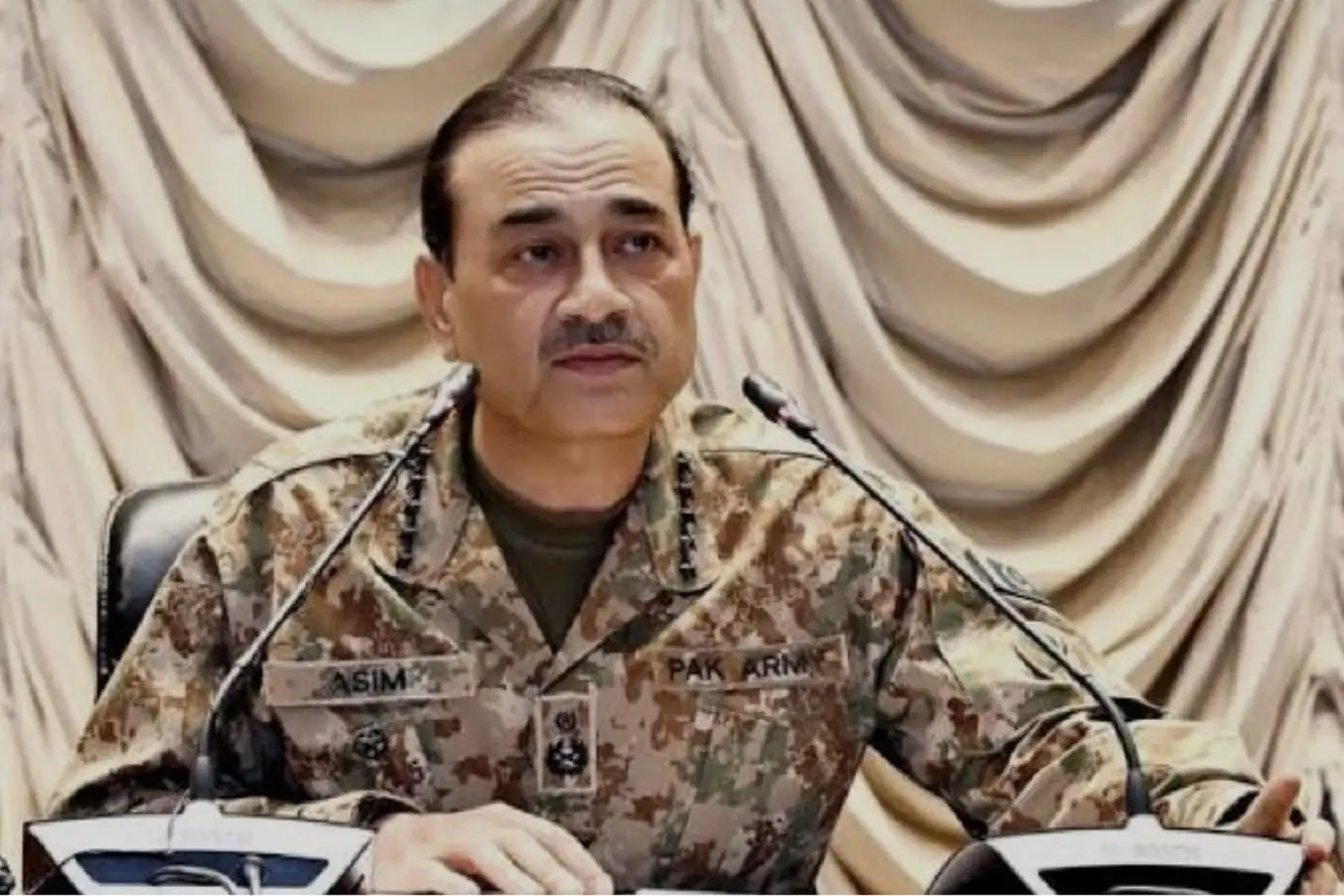
Did Asim Munir present a new US peace plan to Iran on ending naval blockade, Strait of Hormuz disruptions? Reports claim...

&imwidth=600&imheight=450&format=webp&quality=medium "Did Asim Munir present a new US peace plan to Iran on ending naval blockade, Strait of Hormuz disruptions? Reports claim...")
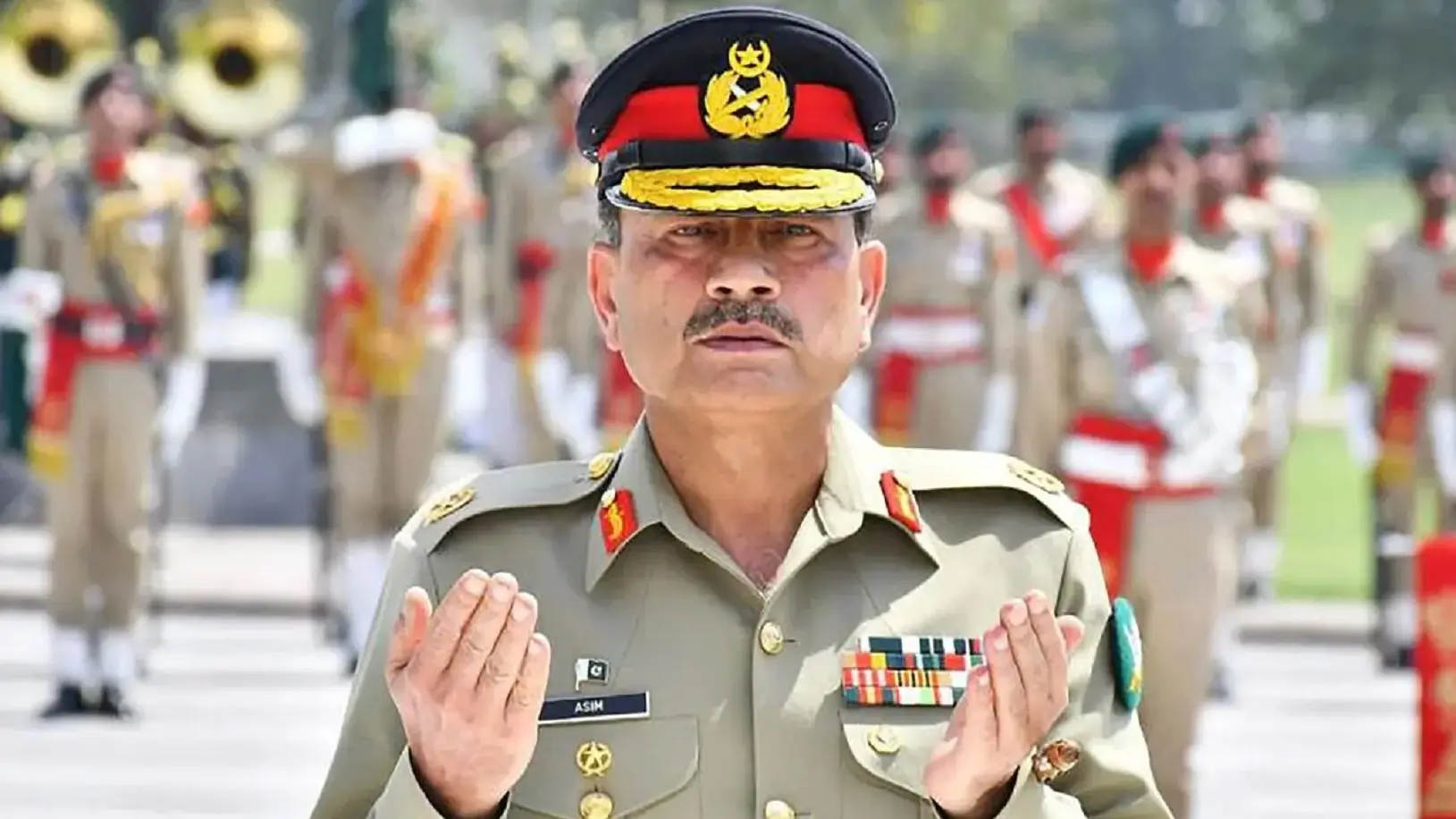
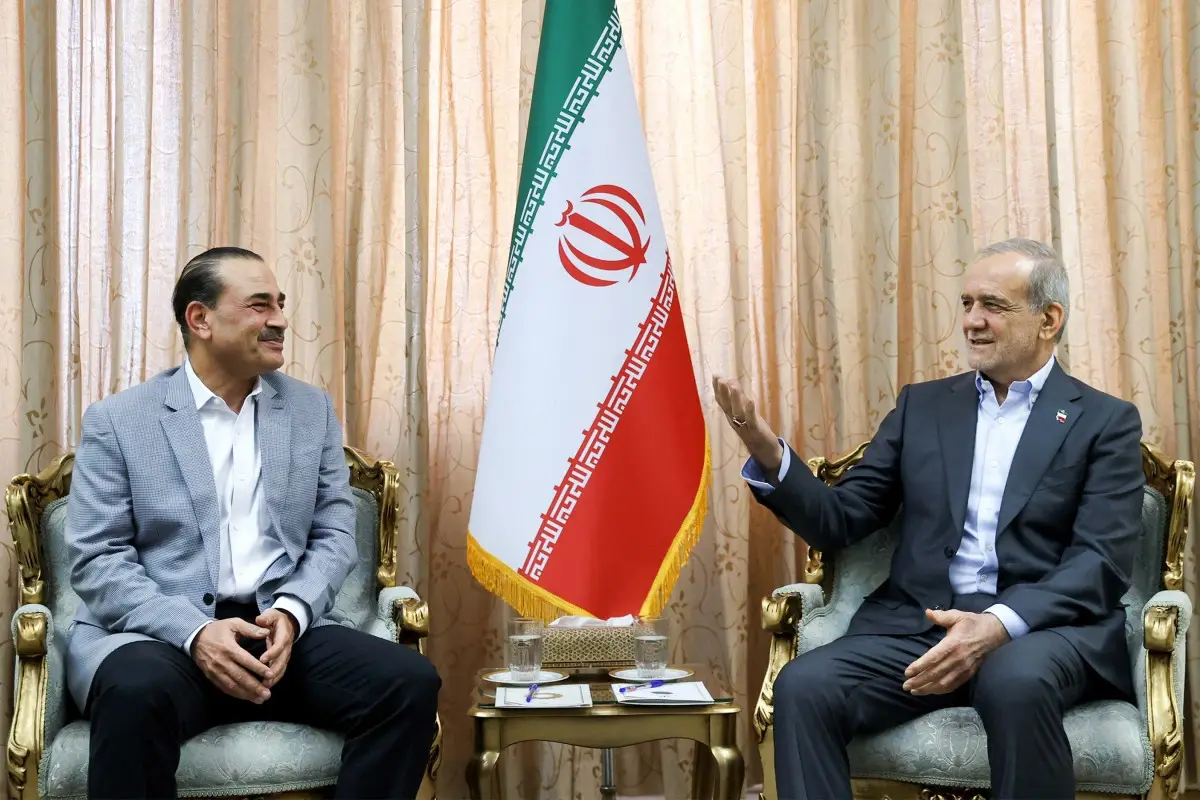
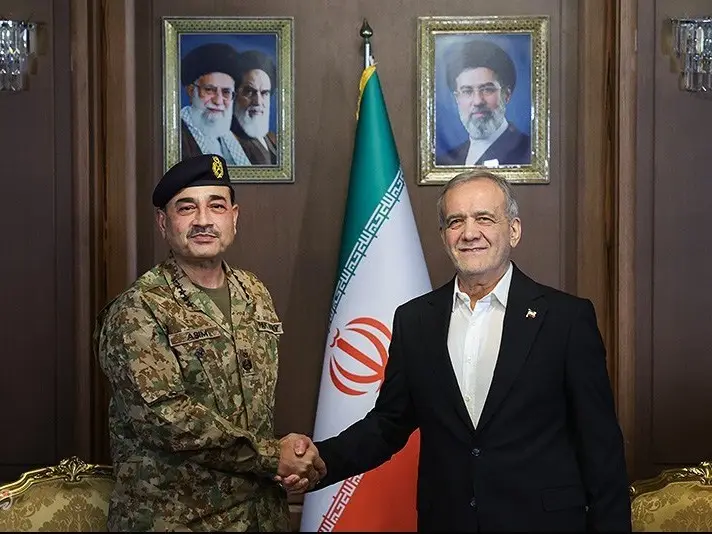
A file image of Pakistan Field Marshal Asim Munir with Iranian President Masoud Pezeshkian Photograph: (Others)
Field Marshal Asim Munir met Iran’s leadership in Tehran as Pakistan pushed to revive the Islamabad MoU. Reports claim he carried a US-drafted peace framework. Is it anything new?
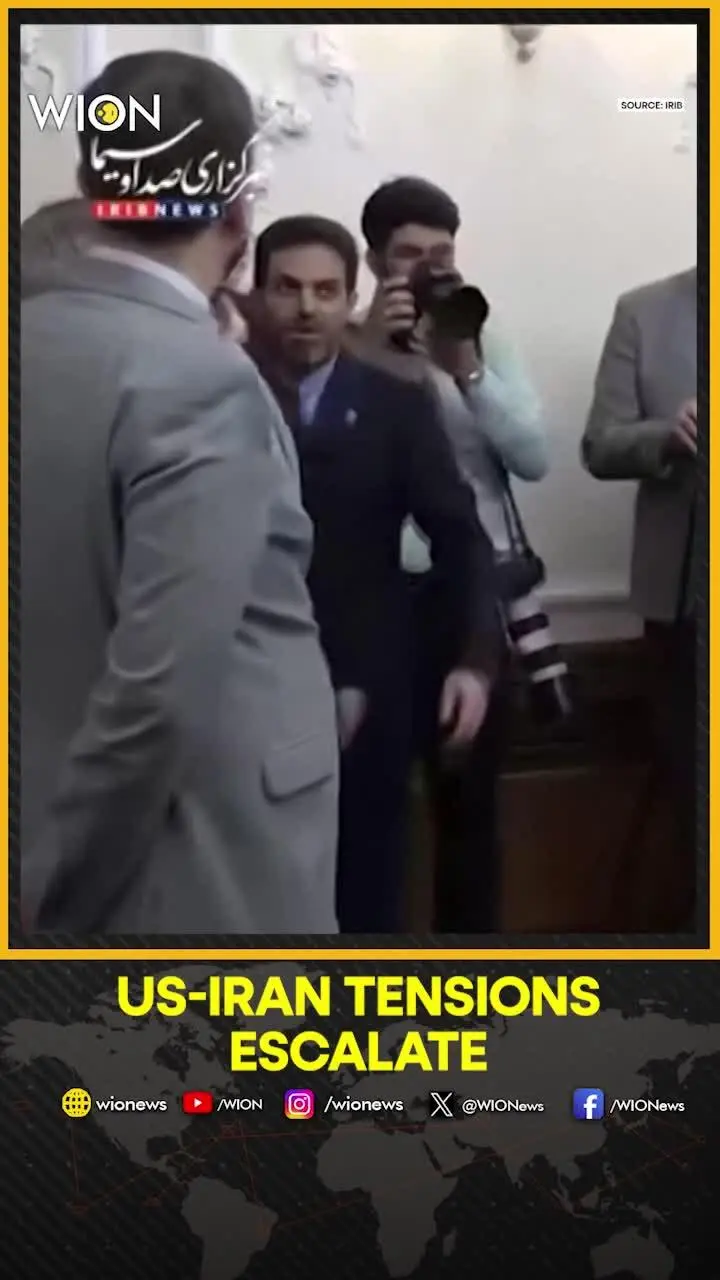
Pakistan’s Field Marshal Asim Munir visited Tehran on Monday (Aug 24) as part of Islamabad’s ongoing efforts to end the Iran-US conflict and revive stalled negotiations between Washington and Tehran. Munir, accompanied by Pakistani Interior Minister Mohsin Naqvi, met Iranian President Masoud Pezeshkian, Parliament Speaker Mohammad Bagher Ghalibaf, Supreme National Security Council member Mohsen Rezaei, Foreign Minister Abbas Araghchi and Interior Minister Eskandar Momeni, according to Pakistan’s Inter-Services Public Relations (ISPR) and local media reports. The discussions centred around steps to prevent further escalation, reopen the Strait of Hormuz, bring about an expedited end to the conflict and find a negotiated settlement to the disputes.
Very positive and productive meeting, says Pakistani minister Naqvi
In a message on social media, Pakistani minister Naqvi described the meeting with President Pezeshkian as “very positive and productive”. He said discussions focused on the Iran-US conflict, tensions in the Middle East and steps needed by both sides to restore the Islamabad Memorandum of Understanding (MoU) signed in June, whose initial 60-day framework has expired.
“The Iranian President candidly shared his government’s perspective and concerns, and we had a very constructive exchange on the issues involved. Significant progress was made, and the meeting concluded on a highly positive note,” Naqvi said.
He added that Islamabad remained hopeful that the momentum would help pave the way for further progress and lasting peace in the region.
Iranian officials have stressed that Washington must change its approach and honour its commitments under the Islamabad MoU, particularly on sanctions and the easing of restrictions on Iran.
Trending Stories
&imwidth=280&imheight=210&format=webp&quality=medium)
&im=FitAndFill=(700,400)&imwidth=280&imheight=210&format=webp&quality=medium)
&im=FitAndFill=(700,400)&imwidth=280&imheight=210&format=webp&quality=medium)
&imwidth=280&imheight=210&format=webp&quality=medium)
&imwidth=280&imheight=210&format=webp&quality=medium)
&imwidth=280&imheight=210&format=webp&quality=medium)
&imwidth=280&imheight=210&format=webp&quality=medium)
&imwidth=280&imheight=210&format=webp&quality=medium)
&imwidth=280&imheight=210&format=webp&quality=medium)
&imwidth=280&imheight=210&format=webp&quality=medium)
&imwidth=280&imheight=210&format=webp&quality=medium)
&imwidth=280&imheight=210&format=webp&quality=medium)
&imwidth=280&imheight=210&format=webp&quality=medium)
&imwidth=280&imheight=210&format=webp&quality=medium)
&imwidth=280&imheight=210&format=webp&quality=medium)
&imwidth=280&imheight=210&format=webp&quality=medium)
&imwidth=280&imheight=210&format=webp&quality=medium)
&imwidth=280&imheight=210&format=webp&quality=medium)
&imwidth=280&imheight=210&format=webp&quality=medium)
&imwidth=280&imheight=210&format=webp&quality=medium)
&imwidth=280&imheight=210&format=webp&quality=medium)
&imwidth=280&imheight=210&format=webp&quality=medium)
&im=FitAndFill=(700,400)&imwidth=280&imheight=210&format=webp&quality=medium)
&imwidth=280&imheight=210&format=webp&quality=medium)
&imwidth=280&imheight=210&format=webp&quality=medium)
&imwidth=280&imheight=210&format=webp&quality=medium)
&imwidth=280&imheight=210&format=webp&quality=medium)
&imwidth=280&imheight=210&format=webp&quality=medium)
&imwidth=280&imheight=210&format=webp&quality=medium)
&imwidth=280&imheight=210&format=webp&quality=medium)
&imwidth=280&imheight=210&format=webp&quality=medium)
&imwidth=280&imheight=210&format=webp&quality=medium)
&imwidth=280&imheight=210&format=webp&quality=medium)
&imwidth=280&imheight=210&format=webp&quality=medium)
President Pezeshkian called for the US to abandon what Tehran views as coercive policies and move towards de-escalation.
Did Munir present a US peace plan to Iran?
Reports from Saudi broadcasters Al Hadath and Al Arabiya claimed Munir carried a US-drafted framework involving the staged lifting of the naval blockade and sanctions relief in exchange for the full reopening of the Strait of Hormuz and other Iranian commitments.
The reports claimed that Munir had spoken with US President Donald Trump before travelling to Tehran. Reuters news agency separately reported that Trump spoke with Munir last week before the Tehran visit and asked Pakistan to use its influence to encourage Iran to return to the negotiation table. The White House has not publicly confirmed the call.
There is no official confirmation from US, Iran or Pakistan that Munir formally presented a new US-drafted peace plan during his Tehran trip.
Iranian presidential office official Seyed Mehdi Tabatabaei said the visit was “highly productive” and produced “significant diplomatic achievements”. The results would become apparent soon, he added, while dismissing ‘inaccurate’ media speculation surrounding the trip.
What reports are claiming about the new US peace framework for Iran
The reported framework appears to build on the earlier Islamabad MoU rather than represent an entirely new peace agreement. Citing a senior source, the Al Arabiya report claimed the US proposed lifting the naval blockade and providing sanctions relief in exchange for Iran reopening the Strait of Hormuz and stopping attacks by Iran-linked groups. Munir reportedly called for an end to attacks by Iran-linked groups, according to the source. He also reportedly called on Iran to resume work under the Islamabad MoU. According to the report, Munir told Rezaei that both Washington and Tehran were responsible for disrupting implementation of the understandings.
What is the Islamabad MoU?
The Islamabad Memorandum of Understanding is a 14-point framework agreed between the US and Iran in June. The MoU, mediated by Pakistan and Qatar, provided for an initial cessation of military operations, the reopening of the Strait of Hormuz and the lifting of the US naval blockade, alongside a 60-day period for negotiations towards a final settlement.
It also covered sanctions relief, oil exports, Iran’s nuclear programme and mechanisms to monitor implementation.
The current Pakistani mediation efforts led by Munir is aimed at reviving an existing diplomatic framework while addressing the issues that caused its implementation to break down.
Munir’s latest diplomatic push comes amid heightened tensions and US economic pressure on Iran. The Trump administration has threatened further economic measures against countries and entities supporting Tehran. Iran has warned that increased pressure could further disrupt energy exports and shipping.
Disclaimer: WION takes utmost care to accurately and responsibly report ongoing conflicts in West Asia involving Israel, Iran, US, Gulf nations and non-state actors like Hezbollah, Hamas, Houthis, Islamic State, and others. Claims and counterclaims, disinformation and misinformation are being made online and offline. Given this context, WION cannot independently verify the authenticity of all statements, social media posts, photos and videos.