'Could be bombed at any moment': What Iran's Araghchi told Trump envoy Witkoff during negotiations

&imwidth=600&imheight=450&format=webp&quality=medium "'Could be bombed at any moment': What Iran's Araghchi told Trump envoy Witkoff during negotiations")
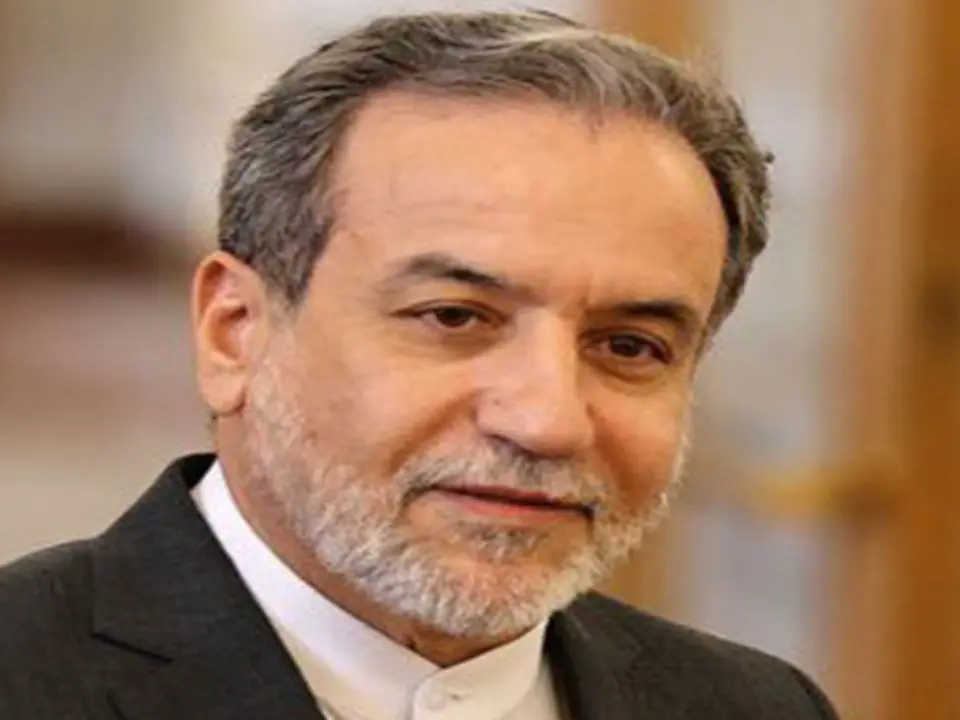
Iranian Foreign Minister Abbas Araghchi
“I said to Witkoff, 'Have you ever been in a meeting where you thought it could blow up into the air at any moment?' They just stared at me in stunned silence,” said Araghchi.
Iranian Foreign Minister Abbas Araghchi, in an interview to Mehr news agency, sponsored by the government of Iran, said that US threats do not scare them. He spoke about how hostile the environment was when Iranian officials were holding talks with US President Donald Trump's envoy Steve Witkoff.
While speaking to the news agency he recalled having told Witkoff something that stunned everybody. Though, It was not clear which part or location of the talks he was referring to.
“I said to Witkoff, 'Have you ever been in a meeting where you thought it could blow up into the air at any moment?' They just stared at me in stunned silence,” said Araghchi.
"Have you ever, while talking on the phone, thought you could be blown up, vanish, and while speaking with your family, wondered, "This might be our last conversation"?, he further questioned the US envoy.
"This isn't a place like Venezuela"
Trending Stories
&imwidth=280&imheight=210&format=webp&quality=medium)
&imwidth=280&imheight=210&format=webp&quality=medium)
&imwidth=280&imheight=210&format=webp&quality=medium)
&imwidth=280&imheight=210&format=webp&quality=medium)
&imwidth=280&imheight=210&format=webp&quality=medium)
&imwidth=280&imheight=210&format=webp&quality=medium)
&imwidth=280&imheight=210&format=webp&quality=medium)
&imwidth=280&imheight=210&format=webp&quality=medium)
&im=FitAndFill=(700,400)&imwidth=280&imheight=210&format=webp&quality=medium)
&imwidth=280&imheight=210&format=webp&quality=medium)
&imwidth=280&imheight=210&format=webp&quality=medium)
&imwidth=280&imheight=210&format=webp&quality=medium)
&imwidth=280&imheight=210&format=webp&quality=medium)
&imwidth=280&imheight=210&format=webp&quality=medium)
&imwidth=280&imheight=210&format=webp&quality=medium)
&imwidth=280&imheight=210&format=webp&quality=medium)
&imwidth=280&imheight=210&format=webp&quality=medium)
&im=FitAndFill=(700,400)&imwidth=280&imheight=210&format=webp&quality=medium)
&imwidth=280&imheight=210&format=webp&quality=medium)
&imwidth=280&imheight=210&format=webp&quality=medium)
&imwidth=280&imheight=210&format=webp&quality=medium)
&imwidth=280&imheight=210&format=webp&quality=medium)
&imwidth=280&imheight=210&format=webp&quality=medium)
&imwidth=280&imheight=210&format=webp&quality=medium)
&im=FitAndFill=(700,400)&imwidth=280&imheight=210&format=webp&quality=medium)
&im=FitAndFill=(700,400)&imwidth=280&imheight=210&format=webp&quality=medium)
&imwidth=280&imheight=210&format=webp&quality=medium)
&imwidth=280&imheight=210&format=webp&quality=medium)
&imwidth=280&imheight=210&format=webp&quality=medium)
&imwidth=280&imheight=210&format=webp&quality=medium)
&imwidth=280&imheight=210&format=webp&quality=medium)
&imwidth=280&imheight=210&format=webp&quality=medium)
&imwidth=280&imheight=210&format=webp&quality=medium)
&imwidth=280&imheight=210&format=webp&quality=medium)
&imwidth=280&imheight=210&format=webp&quality=medium)
&imwidth=280&imheight=210&format=webp&quality=medium)
He then said that US can't threaten them or buy them as they have been through all this and stood tall.
"This isn't a place like Venezuela, where if you eliminate one person, the others get scared and step back," he said.
Araghchi then went on to explain how Iran's refusal to concede to US' demand at the negotiating table before the 12-day war caused them to choose the more difficult path.
"They chose that difficult path and suffered defeat in the 12-day war, said Araghchi adding, "In my view, they also fell into another miscalculation after the 12-day war."
"US did not take Iranian resistance into account"
He highlighted that US had not taken the resistance from Iran into account for which they later increased their equipment and weapons but were forced to end the war.
"The Zionist regime thought that with a few days of attack, it would destroy everything, disperse it, and perhaps the regime would collapse, and the Islamic Republic would surrender.
"When this did not happen—and they were not prepared for the war to drag on—and they saw that the people did not turn their backs, but on the contrary supported the regime and stood behind it, they had to end the war," said Araghchi.
