China reciprocates with new tariffs on US products worth $50 billion

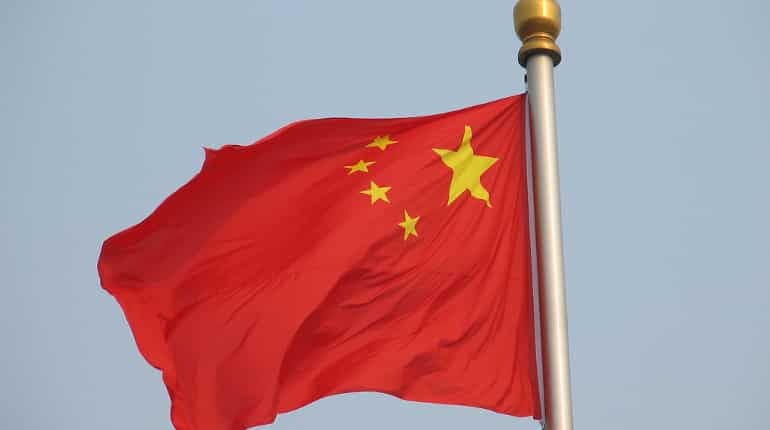
China
Investors are wondering whether one of the worst trade disputes in many years could now turn into a full-scale trade war between the world's two economic superpowers.
China quickly hit back on Wednesday at Trump administration plans to slap tariffs on $50 billion in Chinese goods, retaliating with a list of similar duties on key US imports including soybeans, planes, cars, whiskey and chemicals.
The speed with which the trade struggle between Washington and Beijing is ratcheting up - the Chinese government took less than 11 hours to respond with its own measures - led to a sharp selloff in global stock markets and commodities.
Investors are wondering whether one of the worst trade disputes in many years could now turn into a full-scale trade war between the world's two economic superpowers.

The plan, which was announced Wednesday, would see China slap 25 percent levies on a range of U.S. goods worth about $50 billion. Though China said the timing depends on U.S. moves, the news had an immediate impact on markets, including the soybean market.
The Chinese announcement came just a day after the White House unveiled plans for tariffs on $50 billion in Chinese imports across 1,300 categories, with 25 percent levies on Chinese goods ranging from electronics, aerospace and machinery to phones, shoes and furniture.
Though the dollar amounts targeted by both sides are similar — $50 billion — the focus on U.S. soybean exports by China could have a particularly big impact on the United States.
)
US vs China over South China Sea: Washington backs Philippines, Beijing hits back
)
US Supreme Court backs Trump administration's use of SAVE database to check voter citizenship
)
Outrage erupts after 3-year-old is married to 60-year-old man in Pakistan, link to her sister's murder being probed
)
‘Anti-social elements spreading false rumours’: LPU issues statement amid massive unrest over alleged rape
)
LPU students go on rampage, vandalise campus amid widespread protest: What's happening
)
OpenAI AI Agents hacked 4 websites before Hugging Face, researchers reveal
)
US Treasury Secretary Scott Bessent hails global crackdown on Iranian banks and airlines
&im=FitAndFill=(700,400))
New Friday OTT releases (September 25, 2026): Don’t Be Shy, Hunkkaar: The Roar, Mango Pachcha- 6 movies and TV shows on Netflix, Prime Video and more
)
Asian Games 2026: India face Afghanistan in quarterfinal on Sep 28; Pakistan clash with Hong Kong
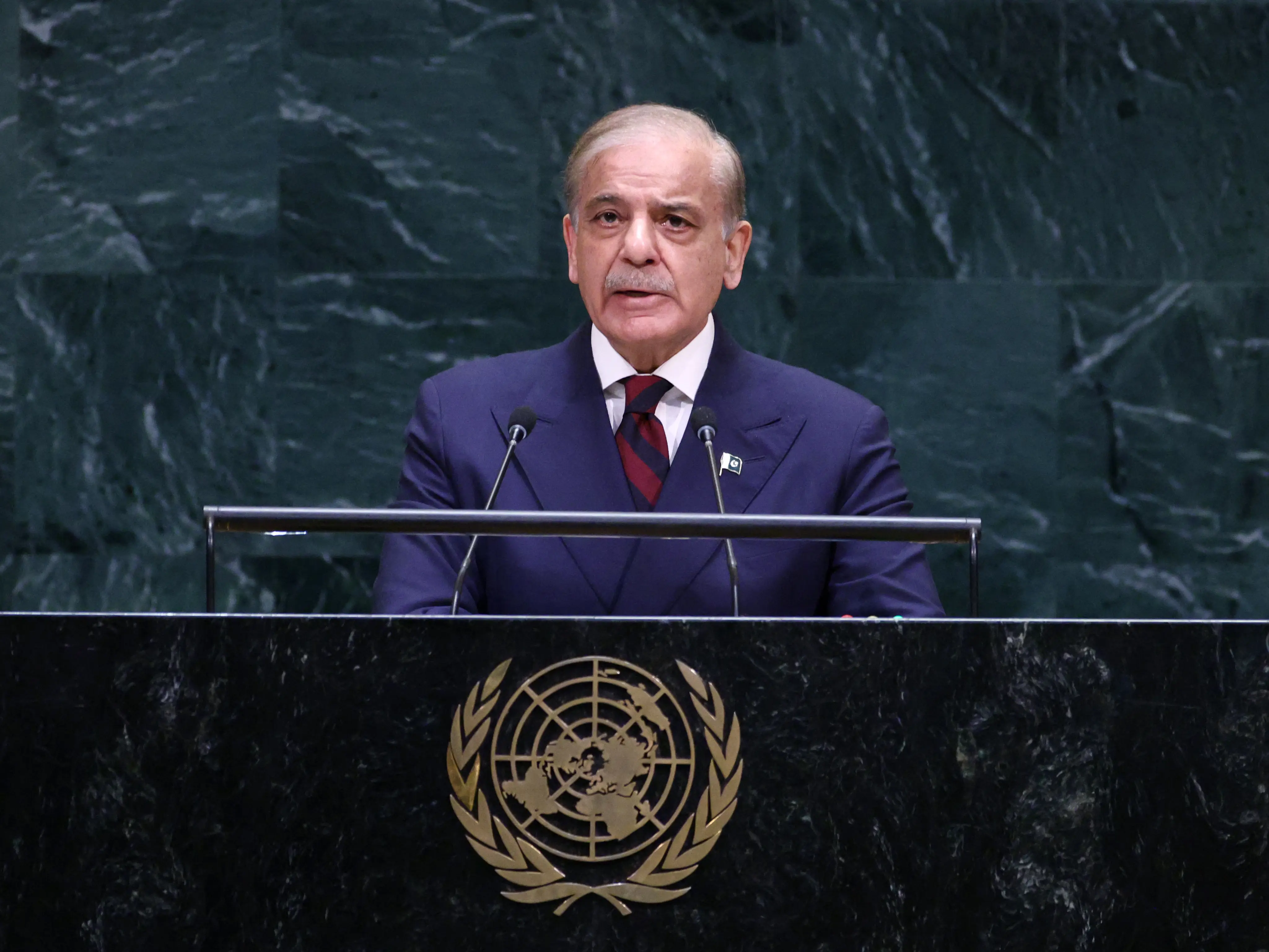)
‘Attack on Mecca a red line for Pakistan’: Shehbaz Sharif warns Houthis at UN
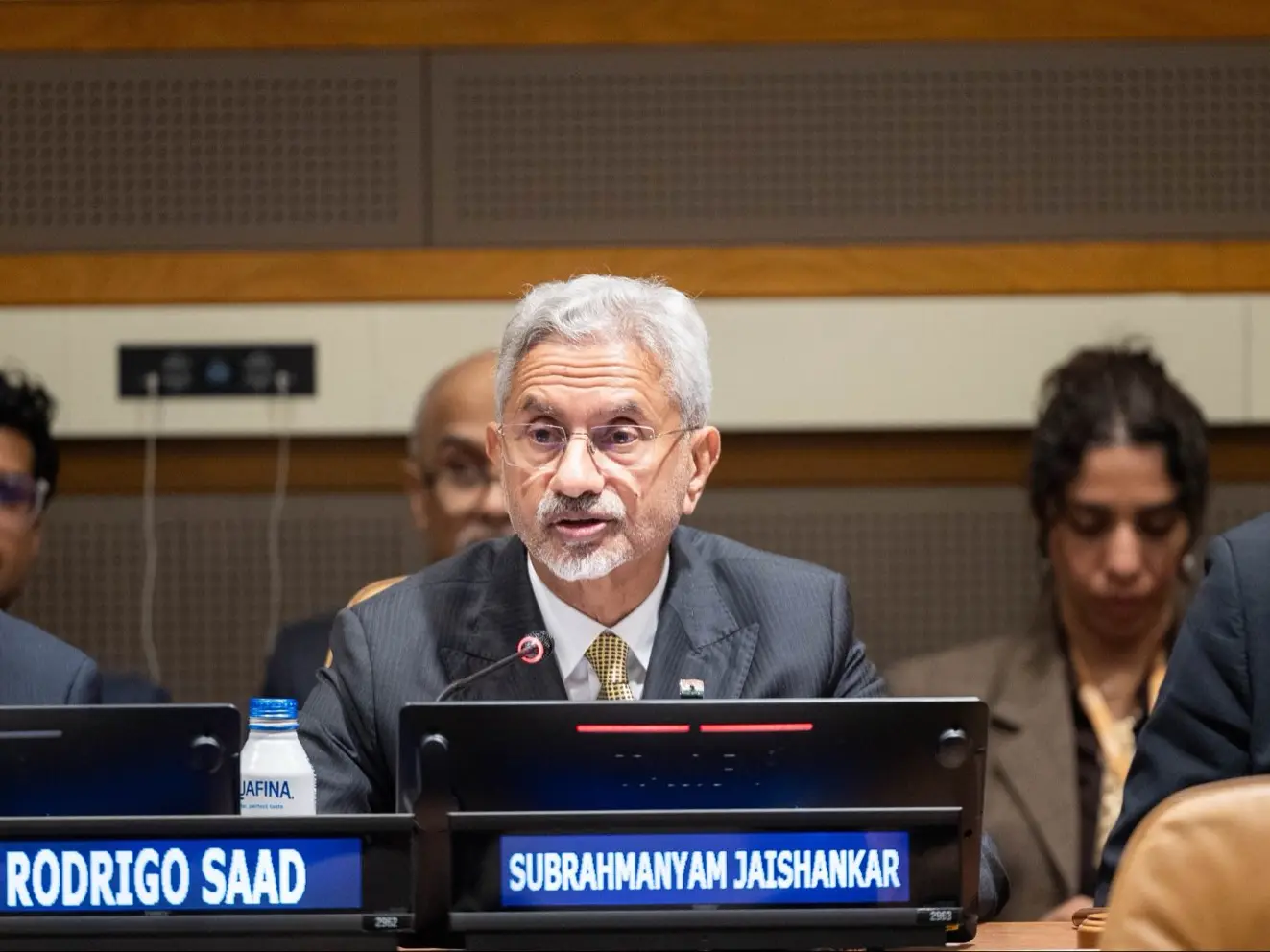)
'Countries far from conflict are penalised': Jaishankar calls for Gulf peace, seafarer safety at UN
)
Bigg Boss 20: Salman Khan schools Rhiti Tiwari over Qazi Touqeer clash, compares her to Dolly Bindra
&im=FitAndFill=(700,400))
Humanoid robots to virtual worlds! Korean sci-fi dramas to watch: Are You Human Too?, Memories of the Alhambra and more
)
Gaza's war turned environmental damage into second crisis
)
Nations League: Spain sink England at Wembley; Modric shines for Croatia
)
Two men die of suspected chemical exposure inside public toilet in Mumbai
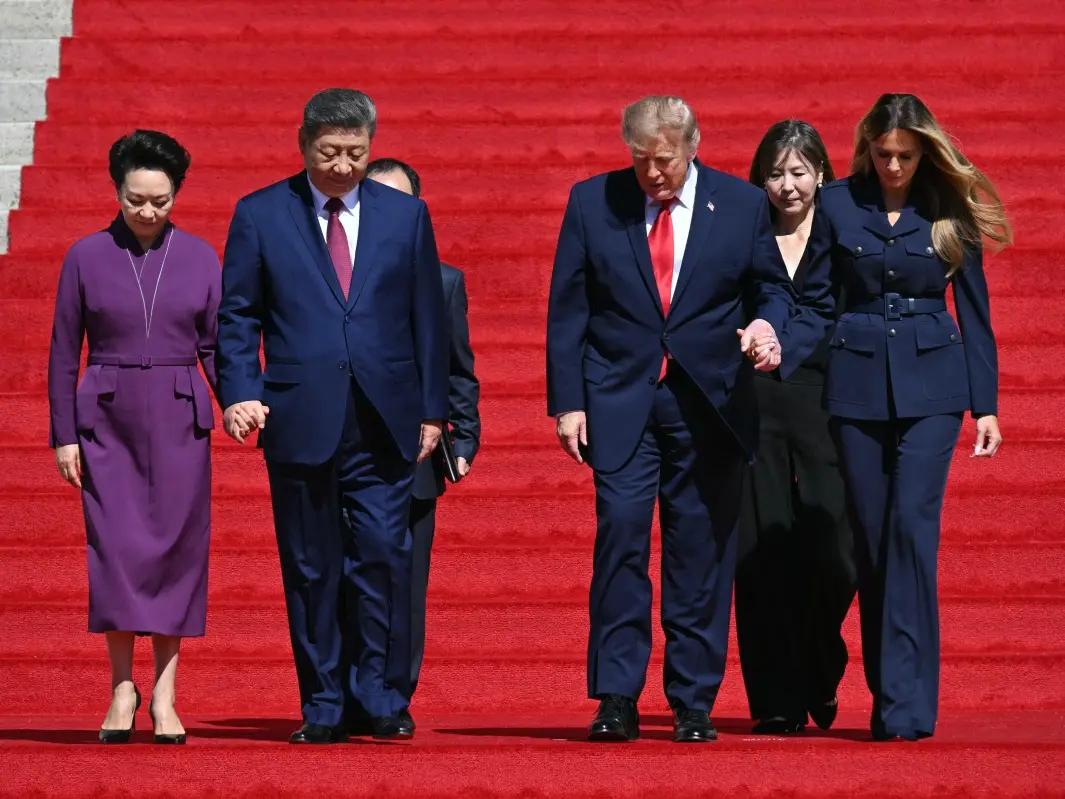)
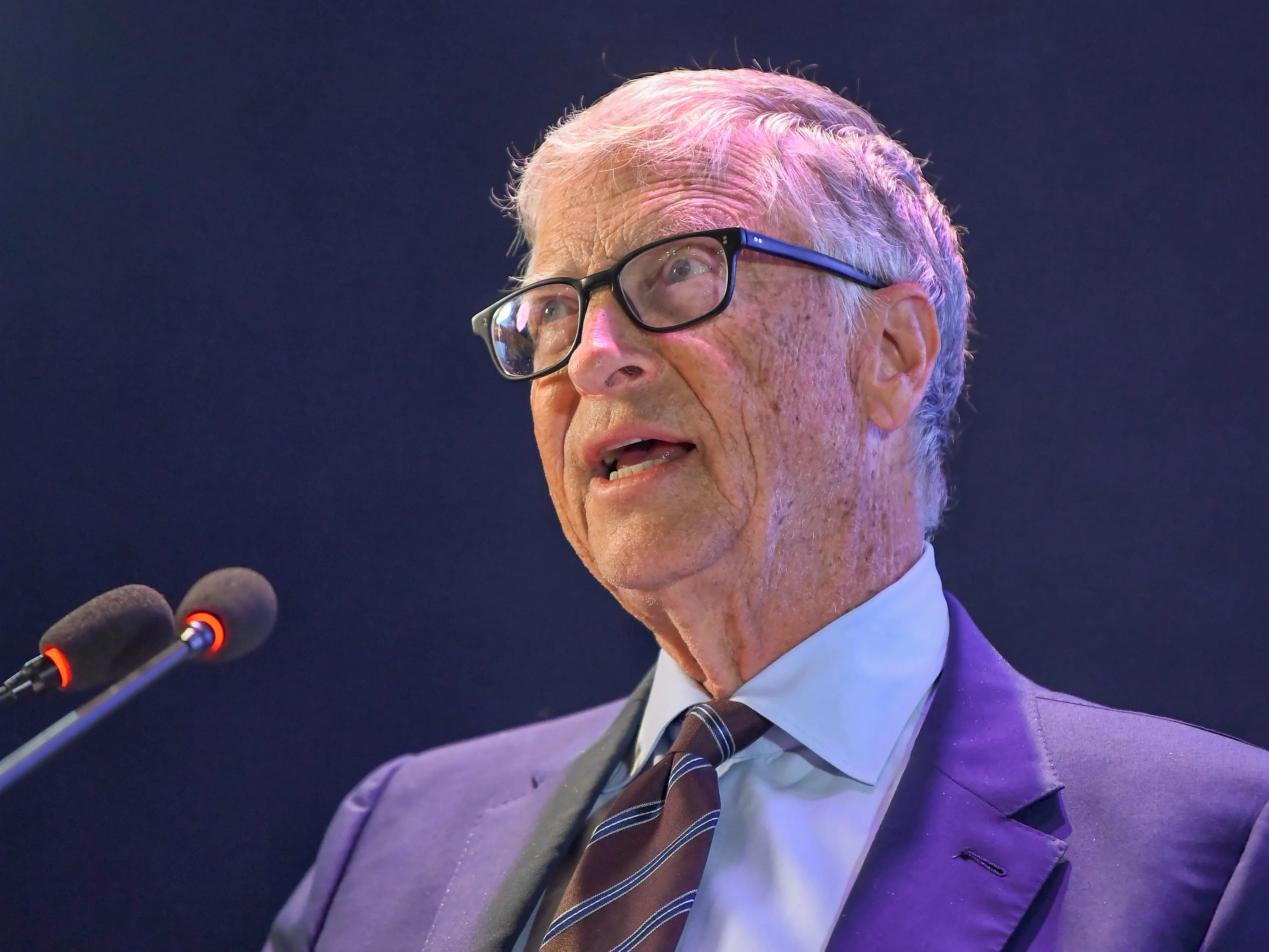
Trump-Xi summit wrap: Big pageantry, Iran talks, few major developments and more meetings planned
)
‘Could kill billions...’: Bill Gates backs calls to slow AI development amid fears of catastrophe
)
Bollywood x K-pop crossover! LE SSERAFIM’s Kazuha charms fans with Shah Rukh Khan’s ‘Chammak Challo’ steps
)
US-Iran war: Trump rejects Iran's Hormuz proposal, reports suggest talks expected next week
)
'What kind of confession is this?': Pakistan PM Shehbaz Sharif’s 'terrorists would be roaming New York' remark goes viral, raises alarm online. Watch
)
Jaishankar at UNGA: Goodwill and friendship can't coexist with terrorism
)
Sri Lankan Tamil migrant worker gets death sentence in Saudi Arabia, help sought from India
)
'FIRST LOOK from inside Noah’s Ark': Researchers share video from inside mysterious mound in Turkey
)
UNSC reform momentum grows: Russia, Portugal, Mauritius push for India's permanent seat bid
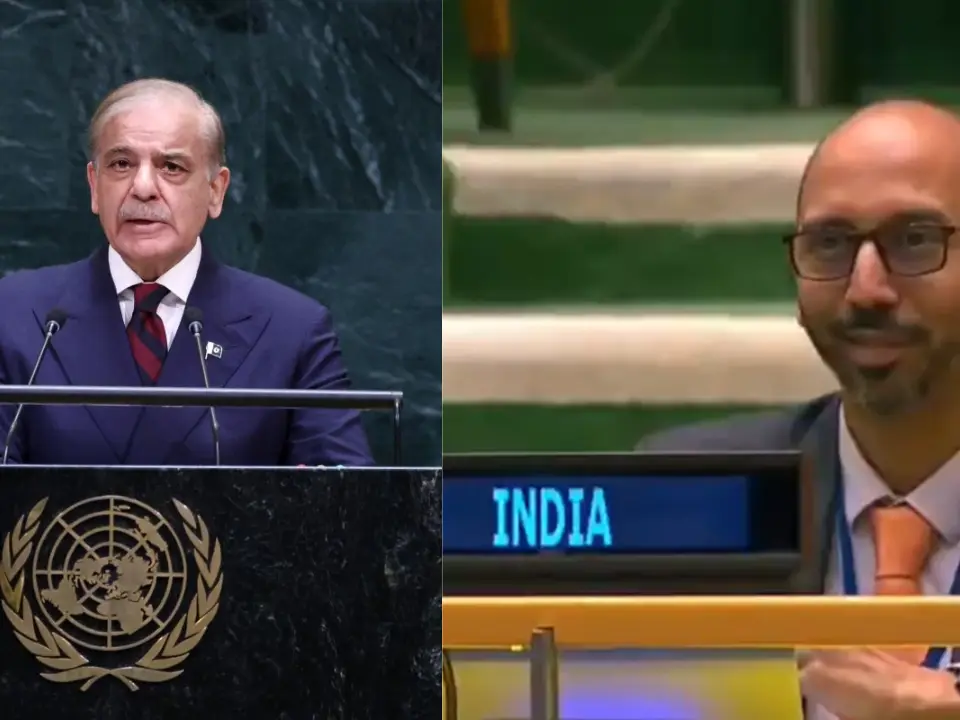)
WATCH | As Shehbaz Sharif claims Pakistan’s ‘victory’ during 2025 conflict, Indian diplomat R Srinivas laughs at UN
)
Ceuta migrant crisis: Protesters take to streets as Spain grapples with migrant challenge
)
Ramayana: Yash’s Ravana gets first official poster from Nitesh Tiwari’s epic
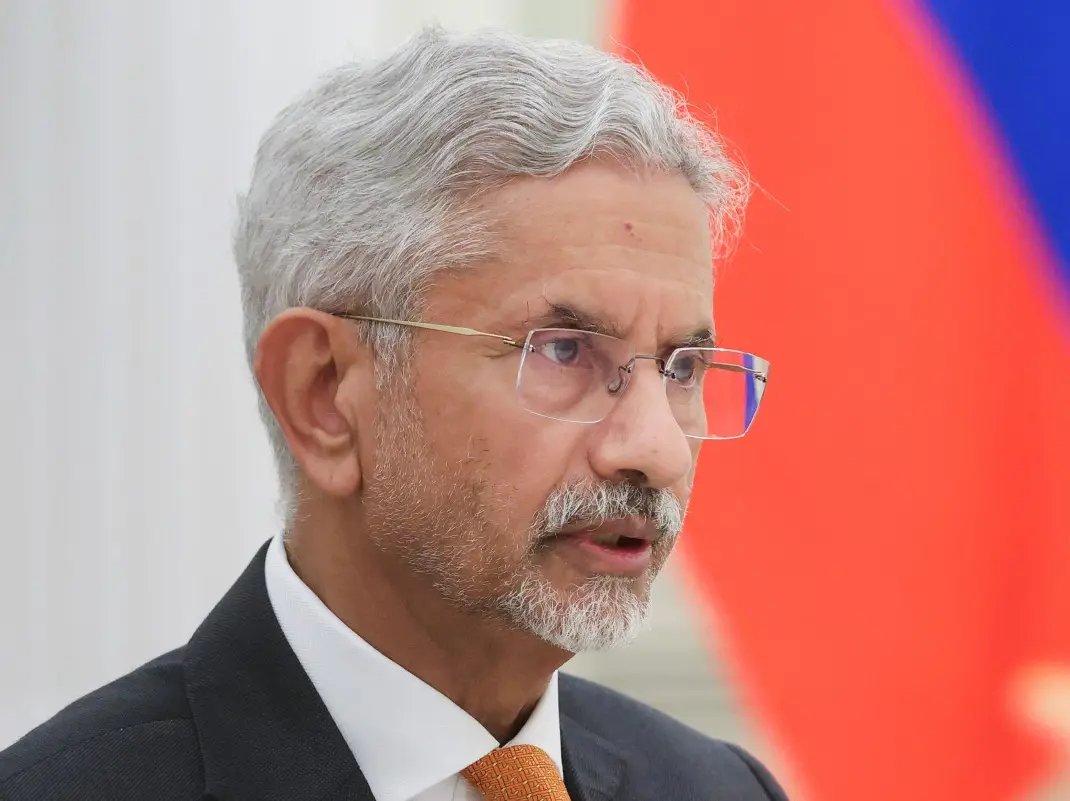)
'A terrorist country is asking me that question?': Jaishankar hits back at Pakistani journalist at UN; flags attacks on commercial shipping
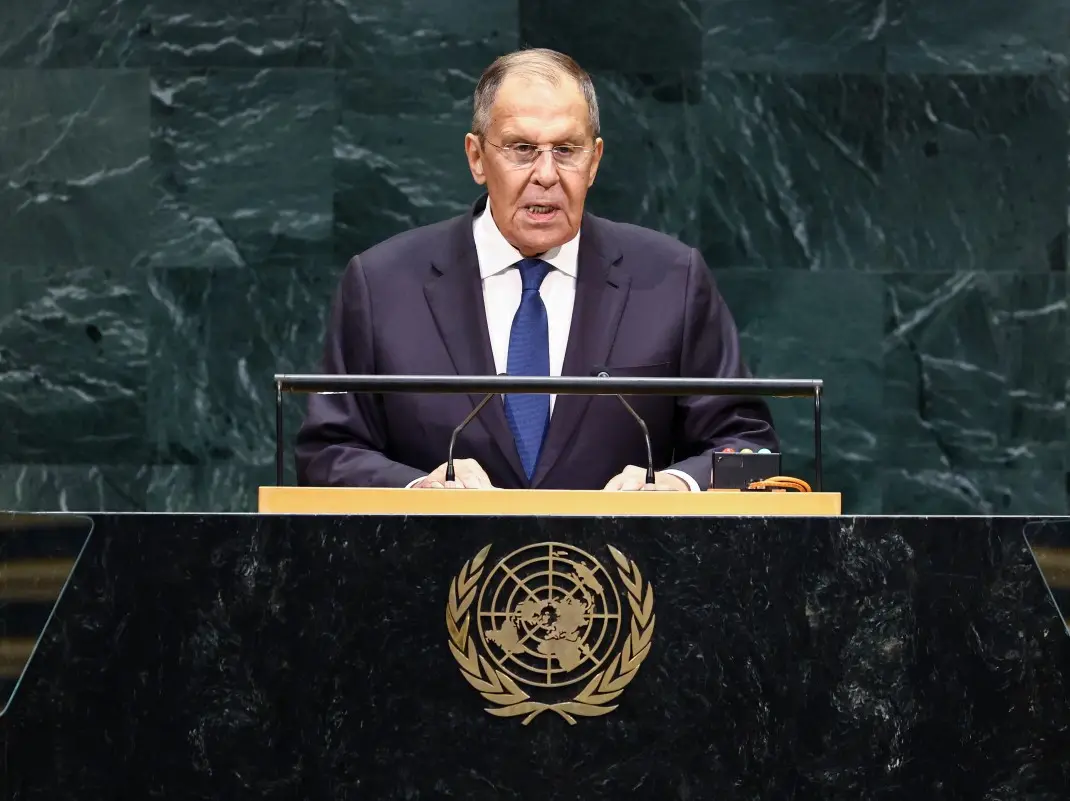)
Russia will achieve Ukraine war aims; Europe doing everything to block peace talks: Lavrov at UN
Soybeans are the top U.S. agricultural export to China and U.S. soybean farmers and their allies fought hard to prevent the tariffs — something Zhu noted in the press conference.
China's tariff list covers aircraft that would likely include older models like Boeing Co's workhorse 737 narrowbody jet, but not newer models like the 737 MAX or its larger planes. A Beijing-based spokesman for Boeing declined to comment.
Beijing's announcement triggered heavy selling in global financial markets, with U.S. stock futures sliding 1.5 percent and U.S. soybean futures plunging nearly 5 percent and on track for their biggest fall since July 2016. The dollar briefly extended early losses, while China's yuan skidded in offshore trade.
(With inputs from Agencies)