China-Pakistan Economic Corridor under strain? Chinese company shuts Gwadar unit, flags ‘systemic barriers’ in project

&imwidth=600&imheight=450&format=webp&quality=medium "China-Pakistan Economic Corridor under strain? Chinese company shuts Gwadar unit, flags ‘systemic barriers’ in project")
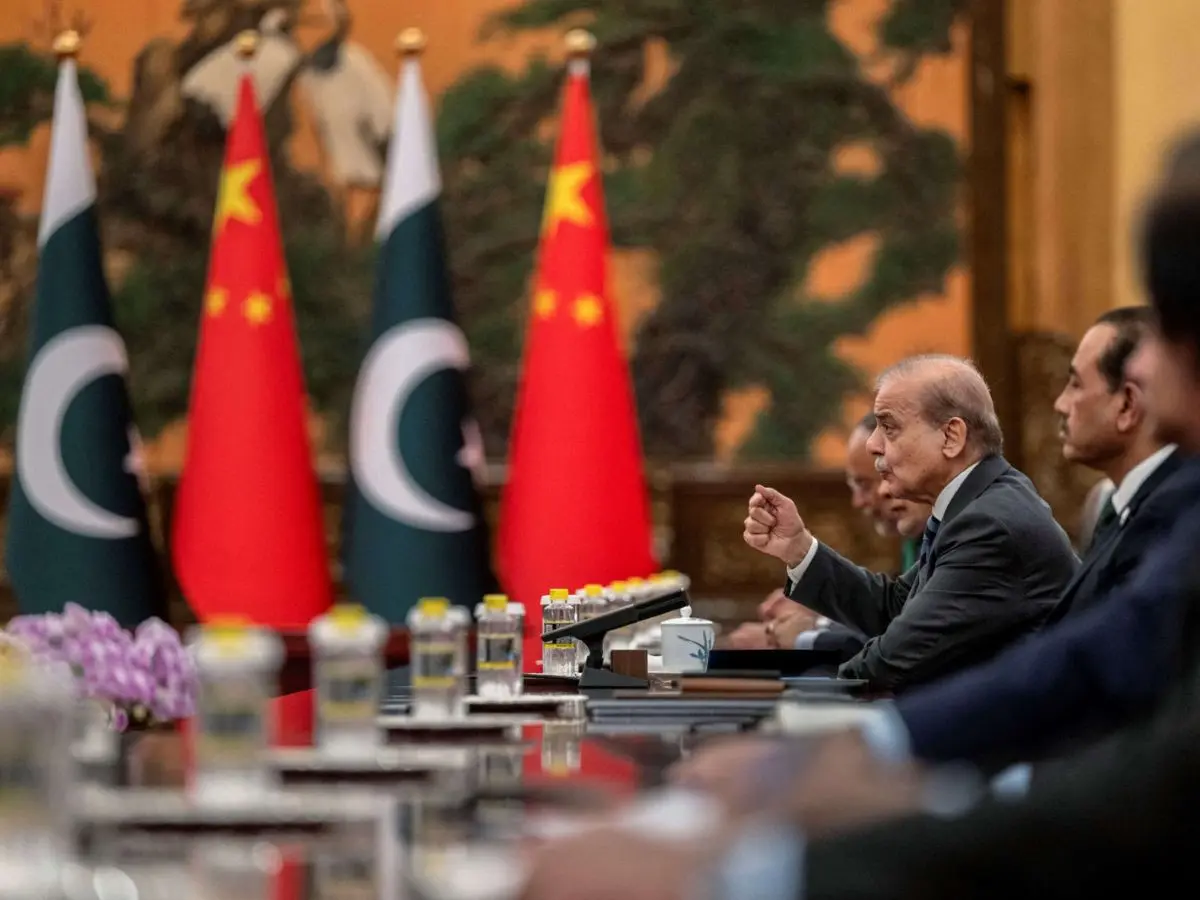
China-Pakistan corridor hit by setback as Chinese firm withdraws from Gwadar project Photograph: (AFP)
The company stated that its facility had ‘successfully met the inspection and quarantine standards of China Customs’ and complied with international HACCP food safety requirements.
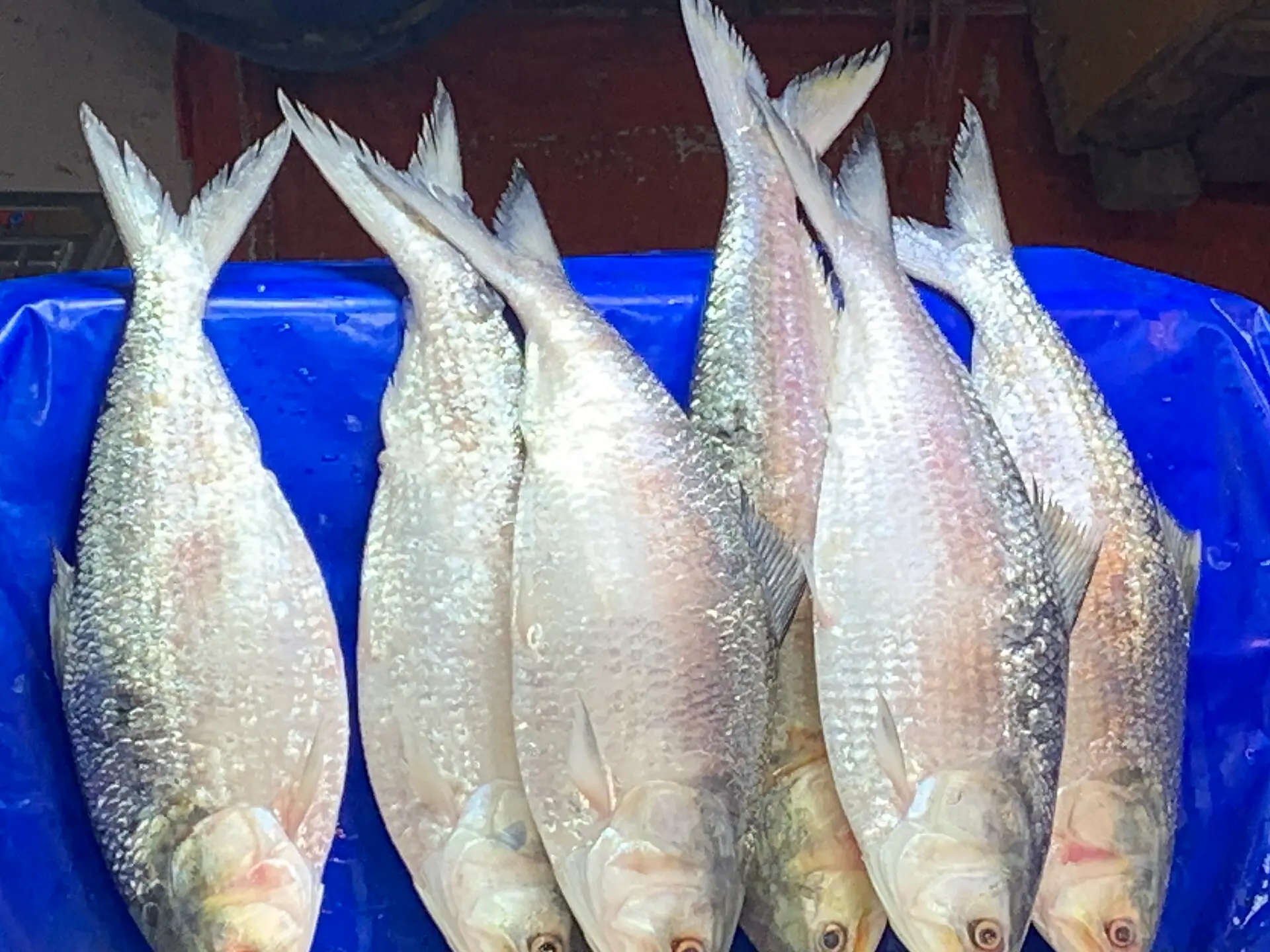
A Chinese firm operating in Pakistan’s Gwadar Port ecosystem under the China–Pakistan Economic Corridor (CPEC) has suspended its factory operations from May 1, citing 'systemic barriers' and persistent execution-level barriers. In a statement issued on X on Friday, the company said it was “forced to inform all our employees in Pakistan and China that, due to ongoing non-market factors and operational barriers, the company can no longer sustain normal operations and will be compelled to shut down the factory.”
The firm said the decision followed months of operational strain despite full compliance with regulatory requirements.
Compliance claims and blocked exports
The company stated that its facility had ‘successfully met the inspection and quarantine standards of China Customs’ and complied with international HACCP food safety requirements. However, it alleged that despite meeting all export benchmarks, “the project has not received the necessary approvals in practice, and exports have remained blocked.”
It further said that over the past three months it had remained “patient and fully cooperative with all relevant authorities”, while seeking resolution through higher-level coordination. During this period, it reported continued financial losses including “employee wages, contractual penalties, electricity costs, and container demurrage charges.”
Trending Stories
)
)
)
)
)
)
)
)
)
)
)
)
&im=FitAndFill=(700,400))
)
&im=FitAndFill=(700,400))
)
)
)
)
)
)
)
)
)
)
)
)
)
)
)
&im=FitAndFill=(700,400))
)
)
‘Systemic barriers’ and investor warning
While acknowledging regulatory oversight, the firm said the challenges had shifted beyond technical compliance. It stated that “the challenges we face are no longer purely technical or compliance-related, but stem from execution-level uncertainties and systemic barriers.”
Referring to Gwadar as a flagship CPEC project, the company noted it had already overcome “difficult logistics, limited utilities, and underdeveloped infrastructure,” but said current obstacles were beyond enterprise-level resolution. It expressed gratitude to Pakistani authorities, particularly the Ministry of Planning, for support reflecting “the spirit of China–Pakistan friendship.”
Ahead of Pakistan’s Prime Minister’s planned visit to China for a B2B investment forum, the firm urged investors to carefully assess “policy execution gaps and institutional uncertainties” before committing to projects in Pakistan. It also said it was ‘fully ready’ to generate employment, foreign exchange and support Gwadar’s development, but stressed the need for “a clear, consistent, and executable policy environment.”
Wider concerns over CPEC viability
The shutdown adds pressure on Gwadar’s long-delayed development under CPEC, which has struggled with low cargo volumes, infrastructure gaps and regional instability in Balochistan. Analysts have long noted that Pakistan’s balancing act between China and the United States has complicated strategic trust, with concerns that shifting external alignments may be affecting long-term investment confidence in Chinese-backed infrastructure projects.