Patriot, APKWS precision rockets & IBCS network: Inside $8.6 billion US arms sales to Israel, Qatar, Kuwait & UAE

The United States has approved more than $8.6 billion in arms sales to Israel, Qatar, Kuwait and the United Arab Emirates, invoking emergency powers to bypass congressional review.
Emergency clearance amid regional tensions
The United States has approved more than $8.6 billion in arms sales to Israel, Qatar, Kuwait and the United Arab Emirates, invoking emergency powers to bypass congressional review. The State Department said Secretary of State Marco Rubio determined “an emergency existed” requiring immediate action. The decision comes weeks after a fragile ceasefire between Israel and Iran, following a period of sustained military exchanges.
Patriot air and missile defence system — $4.01 billion (Qatar)
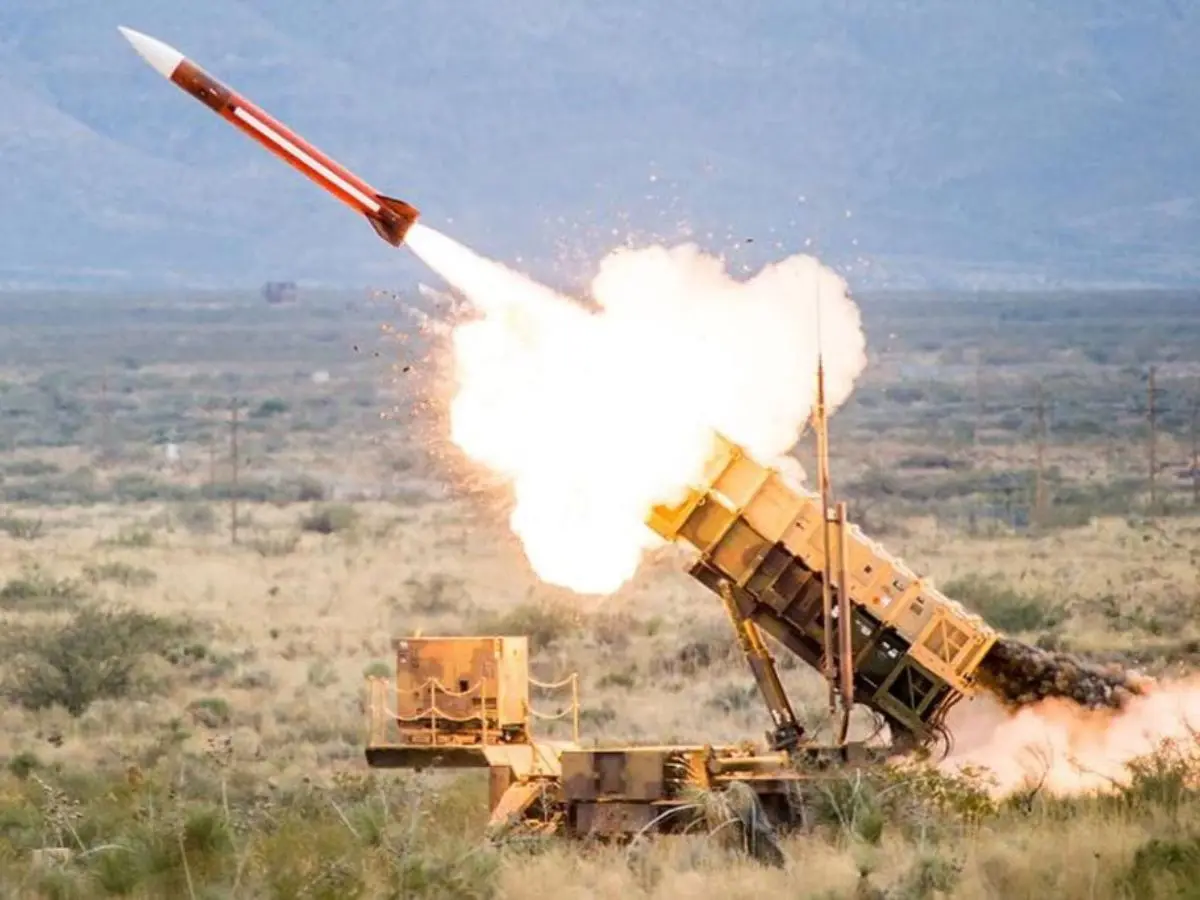
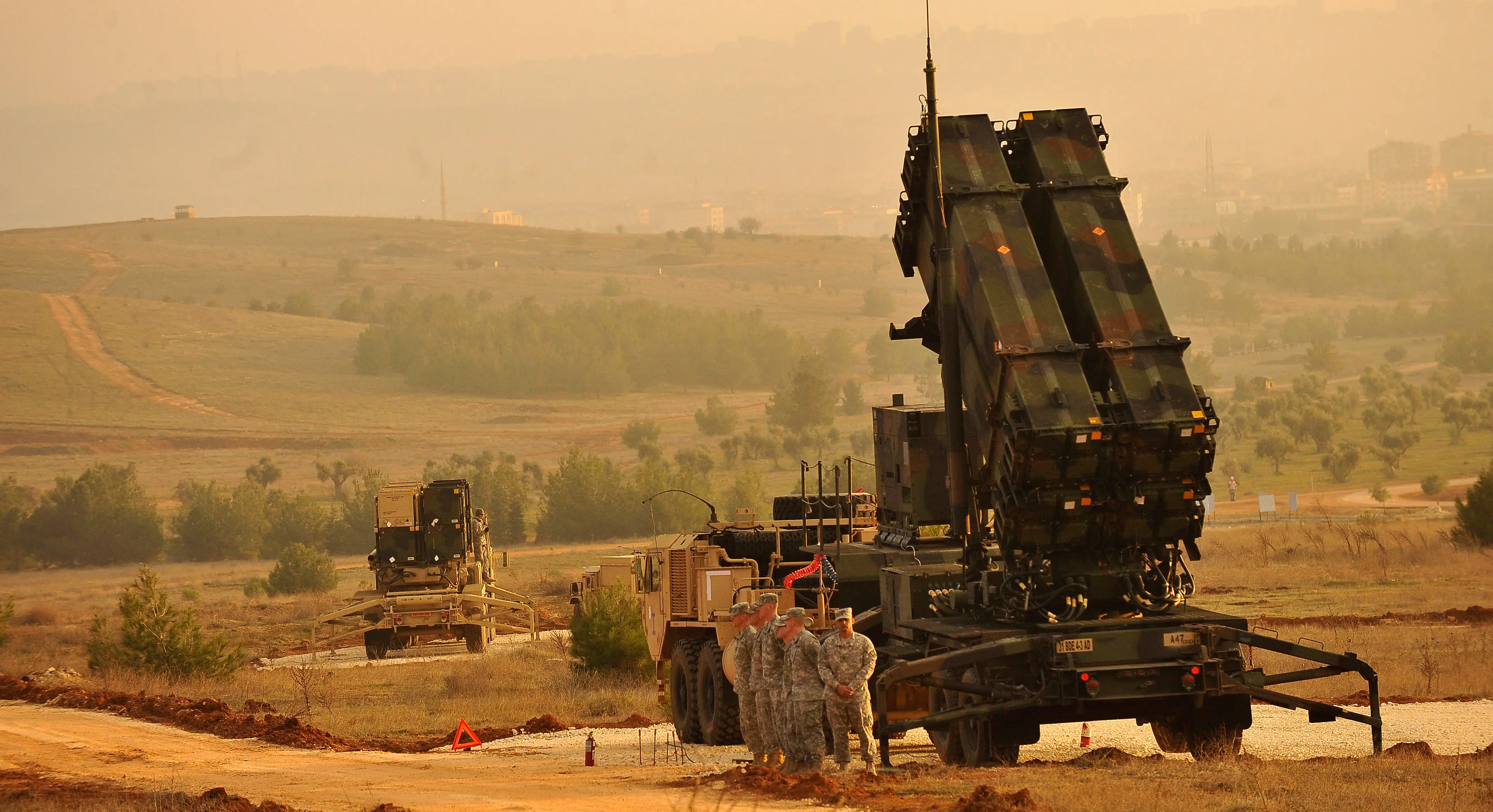
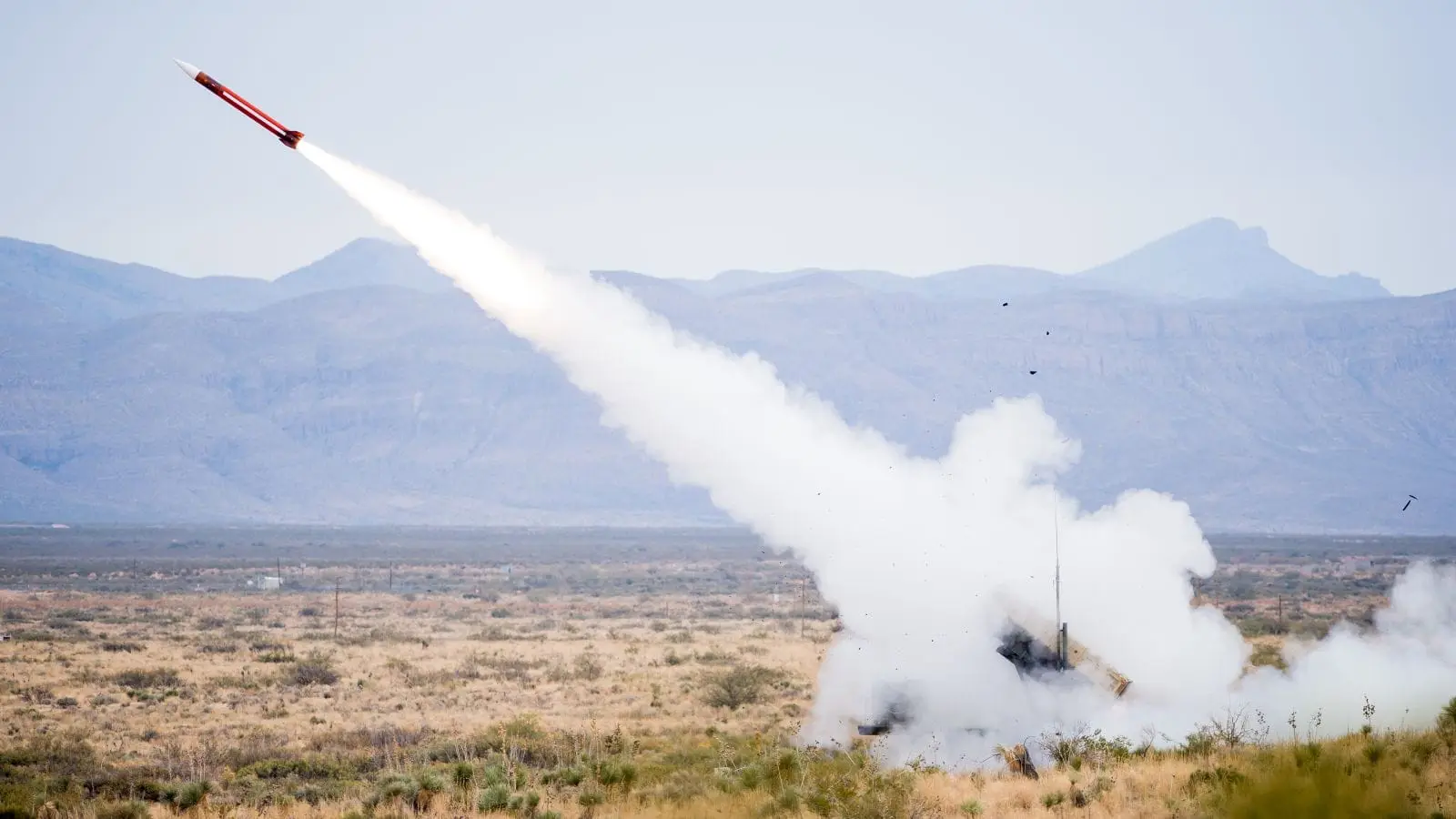
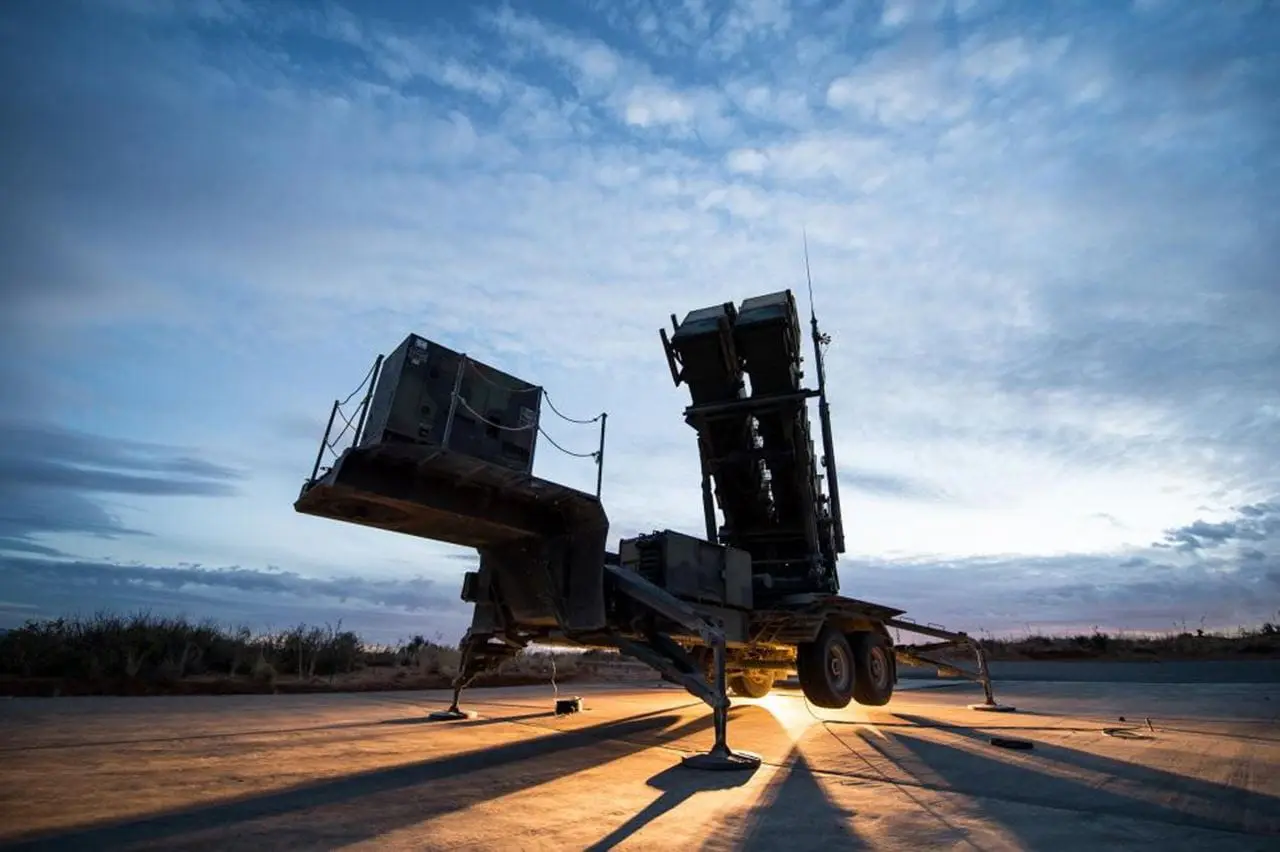
The largest component of the package is the Patriot air and missile defence system, valued at $4.01 billion for Qatar. The system is a mobile, ground-based interceptor designed to detect, track and destroy ballistic missiles, cruise missiles, drones, advanced aircraft and other threats. Its phased-array radar can track over 100 targets simultaneously at ranges exceeding 100 km, while launchers can be deployed and ready to fire within minutes. The deal includes PAC-2 and PAC-3 interceptors, the latter using 'hit-to-kill' technology to directly collide with incoming threats, reflecting its role as the United States’ primary terminal-phase missile defence system.
Patriot systems form the centrepiece
Developed by RTX, the system is designed to intercept ballistic missiles, aircraft and other advanced aerial threats. The proposed sale is intended to strengthen Qatar’s ability to address both current and emerging risks, enabling it to operate effectively in bilateral and multilateral coalition settings while enhancing interoperability with US forces for training and defence. Qatar is expected to use the Patriot system to replenish its missile defence capabilities, safeguard its territorial integrity and contribute to regional stability by deterring potential threats.
APKWS precision rockets for Israel, Qatar and UAE
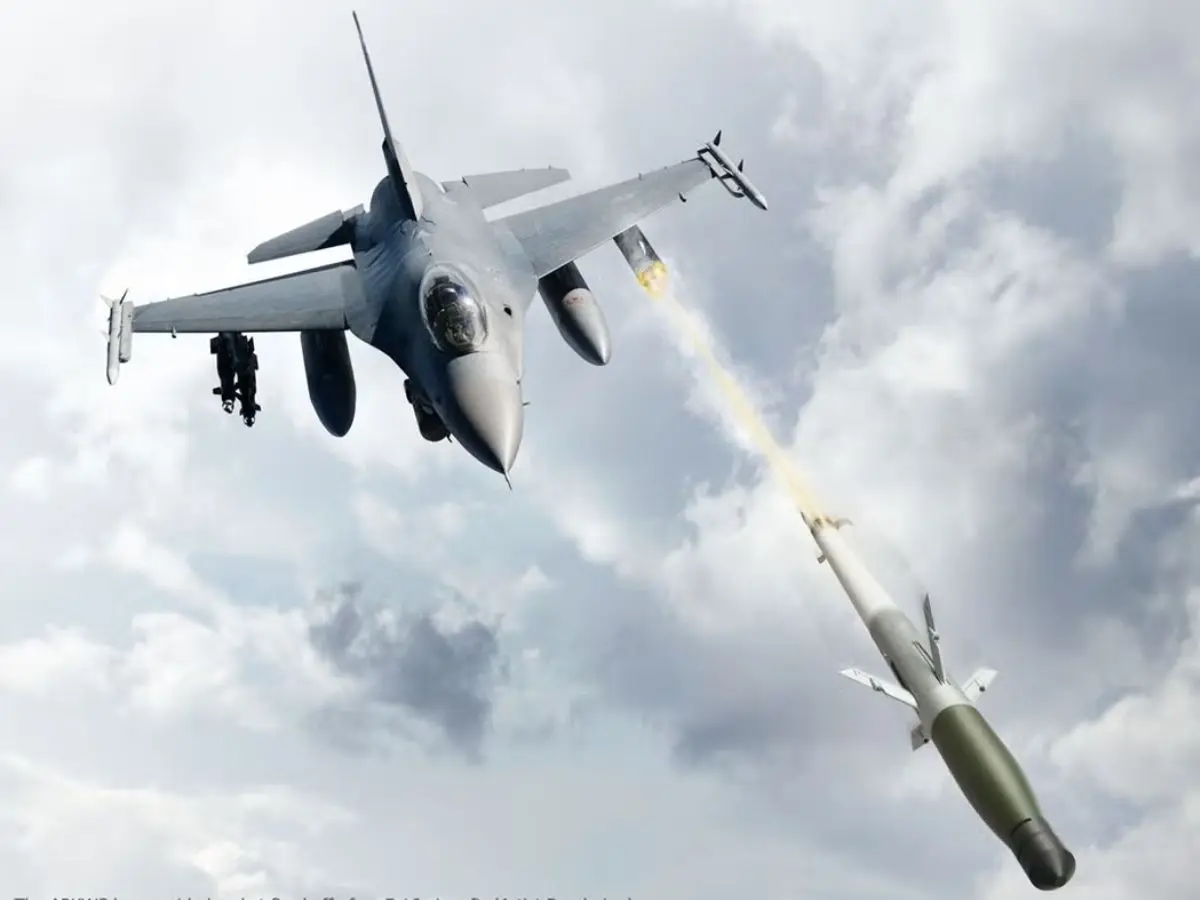
Israel will receive $992.4 million worth of Advanced Precision Kill Weapon System, including approximately 10,000 laser-guided rockets. Qatar has also been approved to receive $992.4 million worth of APKWS systems, while the UAE will acquire $147.6 million worth, including 1,500 guidance kits, alongside launchers, warheads and support systems. These deals include launchers, rocket motors, warheads and support equipment, forming a scalable precision-strike capability across multiple platforms. The systems are produced primarily by BAE Systems.
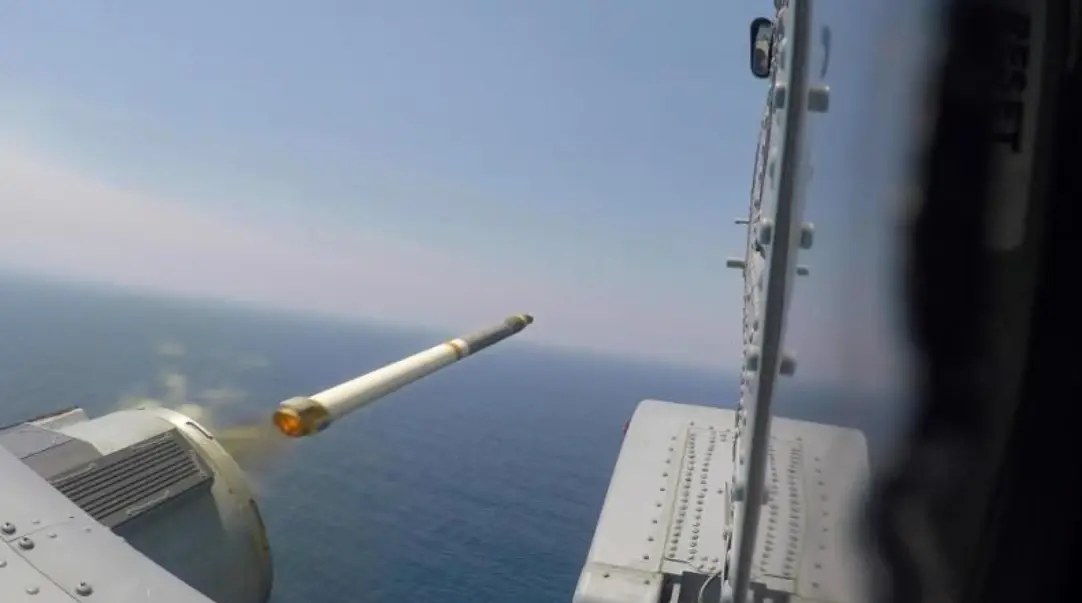
APKWS: precision-guided rocket system
These systems convert standard unguided rockets into precision munitions, enabling targeted strikes while reducing collateral damage, with packages typically including associated equipment, training and technical support. The system can be deployed from rotary- and fixed-wing aircraft as well as unmanned platforms, capable of engaging ground, air and maritime targets while supporting close air support operations. It uses semi-active laser homing guidance and is powered by the Hydra 70 rocket. The munition weighs 15.8 kilograms, has a diameter of 70 millimetres, a wingspan of 0.33 metres and a length of 1.90 metres, with an operational range of up to 5 kilometres.
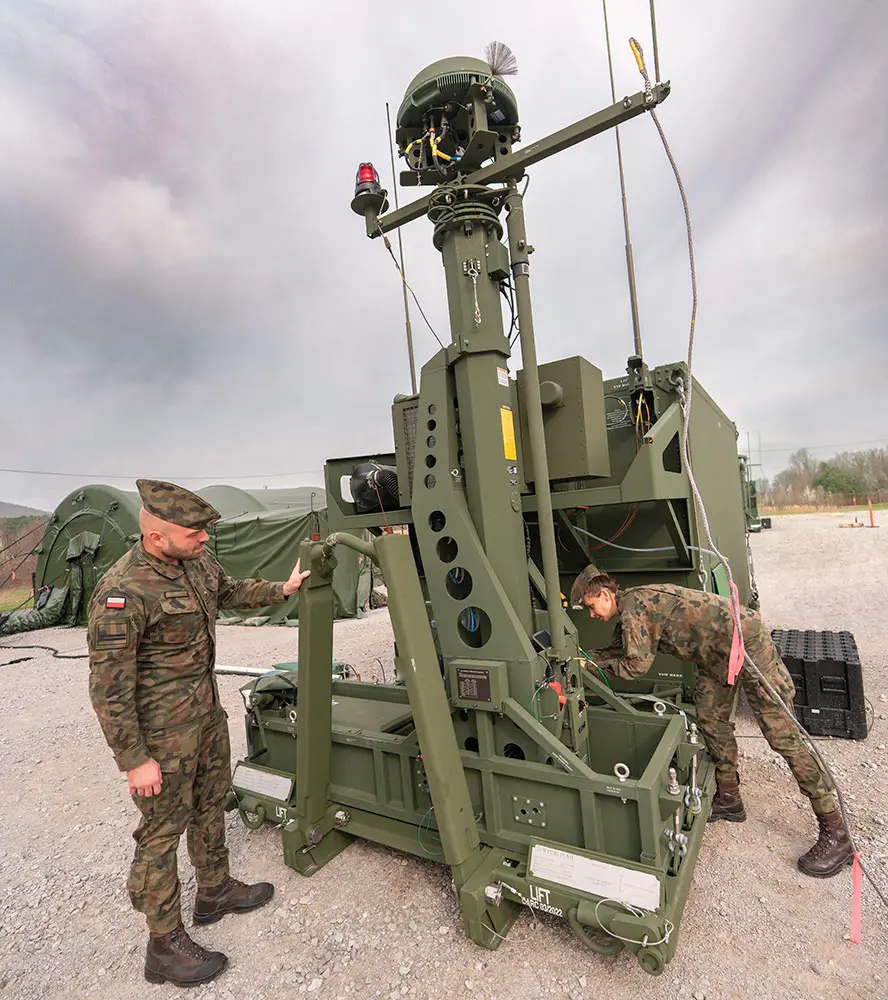
Integrated Battle Command System for Kuwait: $2.5 billion
Kuwait’s $2.5 billion package centres on the Integrated Battle Command System (IBCS), forming the backbone of a broader effort to enhance its air defence network. Accoridng to the US department's official press release, the proposed sale is expected to improve Kuwait’s ability to address current and future threats by combining advanced air defence detection, including Lower Tier Air and Missile Defense sensor radar systems, with IBCS as the central command-and-control framework. Together, these elements are designed to deliver a layered and more resilient defence capability.
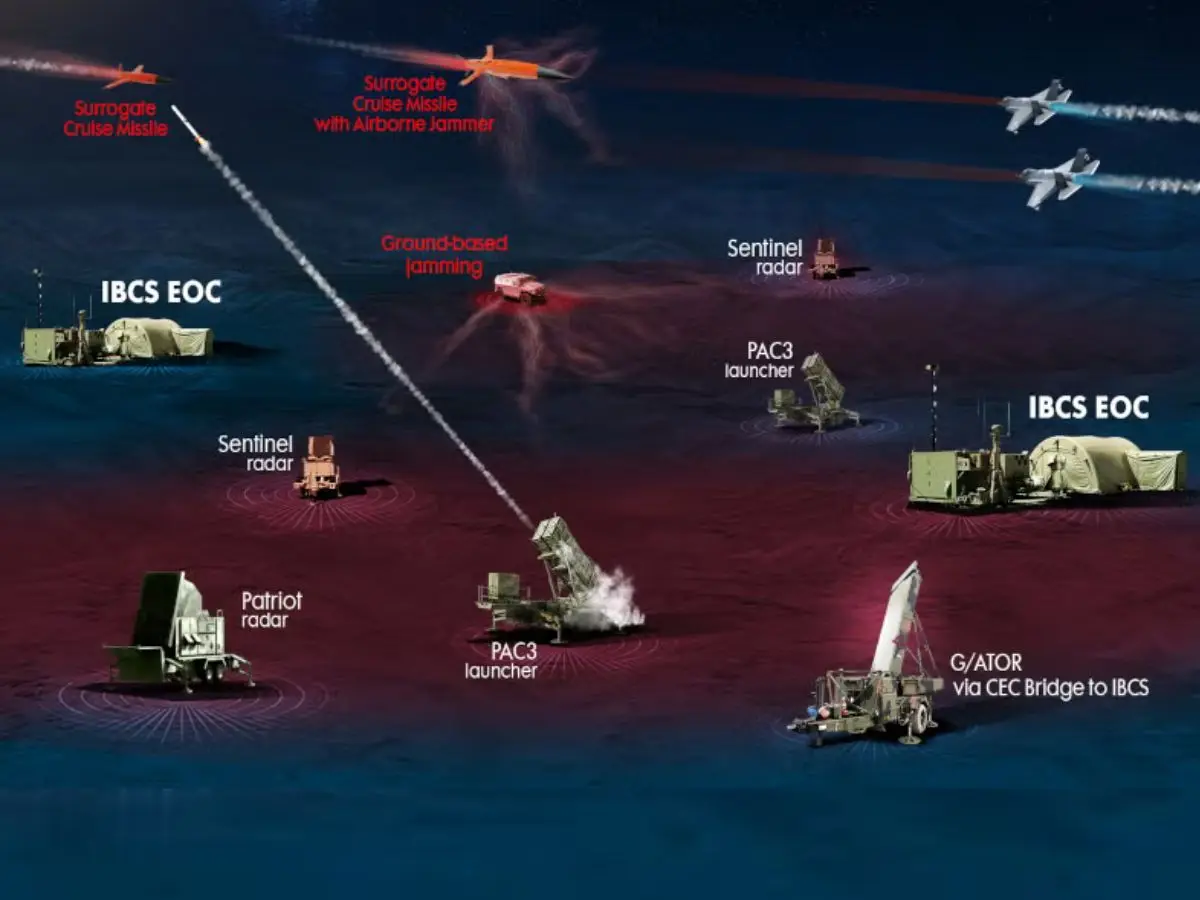
Integrated Battle Command System: networked air defence
The Integrated Battle Command System (IBCS) links multiple sensors and missile launchers into a single, unified network, significantly enhancing battlefield awareness and interception coordination. The deal covers engagement operation centres, launcher integration kits and advanced communications systems, with Northrop Grumman, RTX and Lockheed Martin serving as principal contractors. By integrating multi-service and multi-domain sensors and effectors, IBCS establishes a cohesive defence architecture capable of protecting major population centres and critical national infrastructure. The system is operationally proven and designed to deliver high levels of connectivity, enabling seamless integration into modern air and missile defence networks.
Strategic context and scrutiny
The approvals follow months of conflict involving Iran, Israel and Gulf states hosting US bases. Washington has faced criticism over arms transfers to partners accused by rights groups of domestic abuses. US support for Israel, particularly during the Gaza conflict, has also drawn international scrutiny.
)
)
)
)
)