China-Japan dispute reaches UN: Tokyo calls Beijing's 'armed intervention in Taiwan' claims 'erroneous'

&imwidth=600&imheight=450&format=webp&quality=medium "China-Japan dispute reaches UN: Tokyo calls Beijing's 'armed intervention in Taiwan' claims 'erroneous'")
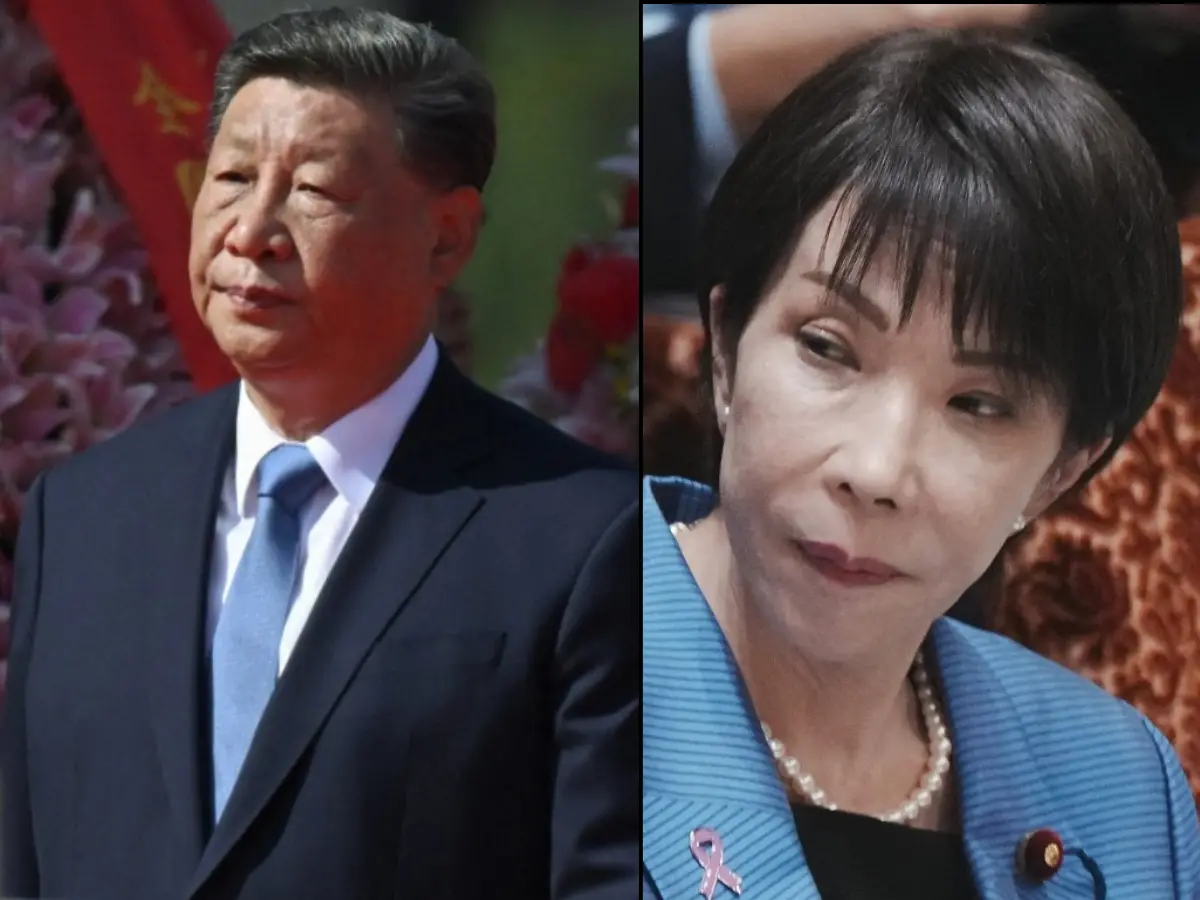
Chinese President Xi Jinping and Japan's new Prime Minister Sanae Takaichi Photograph: (AFP)
The diplomatic tensions between China and Japan has now reached the UN. Both sides have once again blamed each other. The diplomatic fallout was triggered after Japanese PM Sanae Takaichi spoke about Taiwan
The China-Japan war-of-words is now playing out in the United Nations (UN). While China took the issue to the UN accusing Tokyo of threatening "an armed intervention" over Taiwan, Japan has rejected the accusations in a letter to the UN chief. Japan has said that China has misrepresented the statement by its Prime Minister Sanae Takaichi, Beijing’s letter to the UN was “inconsistent with the facts and unsubstantiated.” Meanwhile, Bloomberg reported that airlines in China have been instructed to scale back flights to Japan.
"China’s assertion that Japan would exercise the right of self-defense even in the absence of an armed attack is erroneous," Japanese Ambassador to the UN Kazuyuki Yamazaki wrote in a letter to UN Secretary-General Antonio Guterres dated Nov. 24. Yamazaki said Japan has consistently contributed to the peace and prosperity of the international community since the end of the Second World War. "Japan has always respected and adhered to international law, including the UN Charter, and has actively contributed to maintaining and strengthening a free and open international order underpinned by the rule of law in the global community,” Yamazaki added in his letter.
Explaining that Japan’s defence posture remains strictly defensive and passive, Yamazaki criticised China's move to freeze bilateral exchanges and imposing economic pressure, including restrictions on Japanese seafood imports, calling such coercive steps unacceptable. Tokyo said it will continue pursuing “calm diplomacy.”
What was Takaichi's statement?
On Nov 14, Takaichi was asked by an opposition lawmaker in parliament about “survival-threatening situations.” In response, Takaichi gave an example that an attempt to bring Taiwan completely under the control of Beijing using battleships and military force could constitute such a situation. She also added that an attack on US warships sent to break any Chinese blockade on Taiwan could require Tokyo to intervene militarily to defend itself and its ally.
What is the meaning of ‘survival-threatening situations’?
Trending Stories
&im=FitAndFill=(700,400)&imwidth=280&imheight=210&format=webp&quality=medium)
&imwidth=280&imheight=210&format=webp&quality=medium)
&imwidth=280&imheight=210&format=webp&quality=medium)
&imwidth=280&imheight=210&format=webp&quality=medium)
&im=FitAndFill=(700,400)&imwidth=280&imheight=210&format=webp&quality=medium)
&imwidth=280&imheight=210&format=webp&quality=medium)
&imwidth=280&imheight=210&format=webp&quality=medium)
&imwidth=280&imheight=210&format=webp&quality=medium)
&imwidth=280&imheight=210&format=webp&quality=medium)
&imwidth=280&imheight=210&format=webp&quality=medium)
&imwidth=280&imheight=210&format=webp&quality=medium)
&imwidth=280&imheight=210&format=webp&quality=medium)
&imwidth=280&imheight=210&format=webp&quality=medium)
&imwidth=280&imheight=210&format=webp&quality=medium)
&imwidth=280&imheight=210&format=webp&quality=medium)
&imwidth=280&imheight=210&format=webp&quality=medium)
&imwidth=280&imheight=210&format=webp&quality=medium)
&imwidth=280&imheight=210&format=webp&quality=medium)
&imwidth=280&imheight=210&format=webp&quality=medium)
&imwidth=280&imheight=210&format=webp&quality=medium)
&imwidth=280&imheight=210&format=webp&quality=medium)
&imwidth=280&imheight=210&format=webp&quality=medium)
&imwidth=280&imheight=210&format=webp&quality=medium)
&imwidth=280&imheight=210&format=webp&quality=medium)
&imwidth=280&imheight=210&format=webp&quality=medium)
&imwidth=280&imheight=210&format=webp&quality=medium)
&imwidth=280&imheight=210&format=webp&quality=medium)
&imwidth=280&imheight=210&format=webp&quality=medium)
&imwidth=280&imheight=210&format=webp&quality=medium)
&imwidth=280&imheight=210&format=webp&quality=medium)
&imwidth=280&imheight=210&format=webp&quality=medium)
&imwidth=280&imheight=210&format=webp&quality=medium)
&imwidth=280&imheight=210&format=webp&quality=medium)
&imwidth=280&imheight=210&format=webp&quality=medium)
&imwidth=280&imheight=210&format=webp&quality=medium)
&imwidth=280&imheight=210&format=webp&quality=medium)
The term ‘survival-threatening situation’ used by Japanese Prime Minister Takaichi refers to a specific legal term in Japanese law that was made under the 2015 security legislation. It describes a situation where an armed attack on a foreign country closely related to Japan poses a threat to Japan's survival and clearly endangers the fundamental rights of the Japanese people. Under the law, the Japan Self-Defense Forces (JSDF) can retaliate alongside the US and other nations based on their right of collective self-defence, even if Japan itself is not under attack. To make the law effective, three conditions must be met: first, an armed attack occurs against a country closely related to Japan; second, there is a clear danger to Japan’s existence; and third, there are no other appropriate means available. When these conditions are met, the government will resort to the “minimum necessary use of force.”

