China increases military's powers over State Council by altering defense law

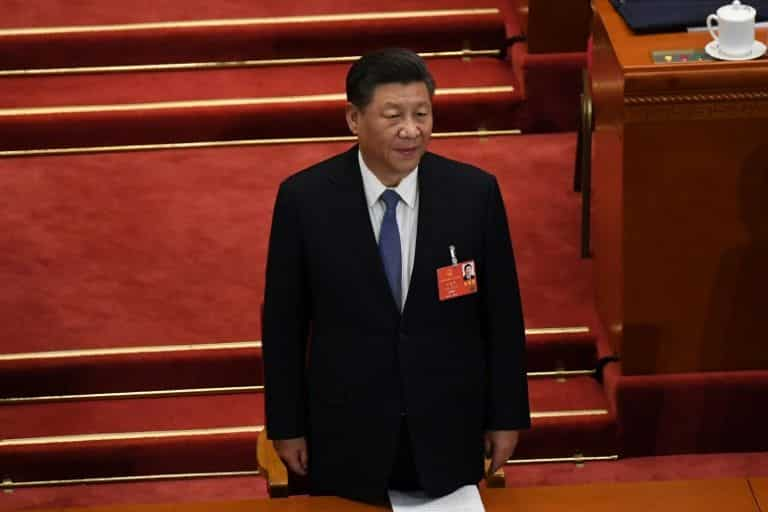
China President Xi Jinping
To increase the power of the Central Military Commission (CMC) over its State Council, China hasamended its National Defence Law from January 1 to mobilise military and civilian resources in defence of the 'national interest'at home and abroad.
According to the local media, 'disruption'and protection of 'development interests'have been added to the legislation as grounds for mobilisation and deployment of armed forces for the first time.
The amendments were approvedby China's top legislature, Standing Committeeof the National People's Congress to focus on''boosting military preparedness'' and ''combating capabilities''.

Other reasons to amend theNational Defence Law, includethe need for building a nationwide coordination mechanism for the mobilisation of state-owned and private enterprises to take part in research into new defence technologies covering conventional weapons, as well as the domains of cybersecurity, space and electromagnetics.
Several analysts have opined that the amendments are aimed to strengthen the military leadership under Chinese President Xi Jinping, and providing it with the means to respond to the accelerating confrontations between China and the US.
&im=FitAndFill=(700,400))
August 2025 movie release calendar: Toxic, Batwara 1947, Awarapan 2 and all big-ticket films hitting theatres
)
Bomb-making note found at Ayodhya medical college, 1st-year student detained. Here’s all we know
)
At least 3 killed in mass shooting at Idaho restaurant, shocking video of gunman open firing with AR-style rifle surfaces
&im=FitAndFill=(700,400))
Meet top 5 openers with fastest ODI centuries, check who tops list
)
‘Pakistan eroded India's faith bit by bit’: Indian envoy defends putting Indus Waters Treaty in abeyance
)
Pakistan Broad Peak avalanche: Body of US's Mallory Geis identified; Nirmal Purja, 9 others remain missing
)
Spain-Israel social media feud erupts after Ceuta migrant crisis: Why Israel is being linked
&im=FitAndFill=(700,400))
‘Italy will not...’: Meloni threatens Spain’s Schengen access after thousands enter Ceuta from Morocco
)
1.8 Mn years old: Scientists discover two mysterious 'ghost ancestors' hidden in human genome - More details inside
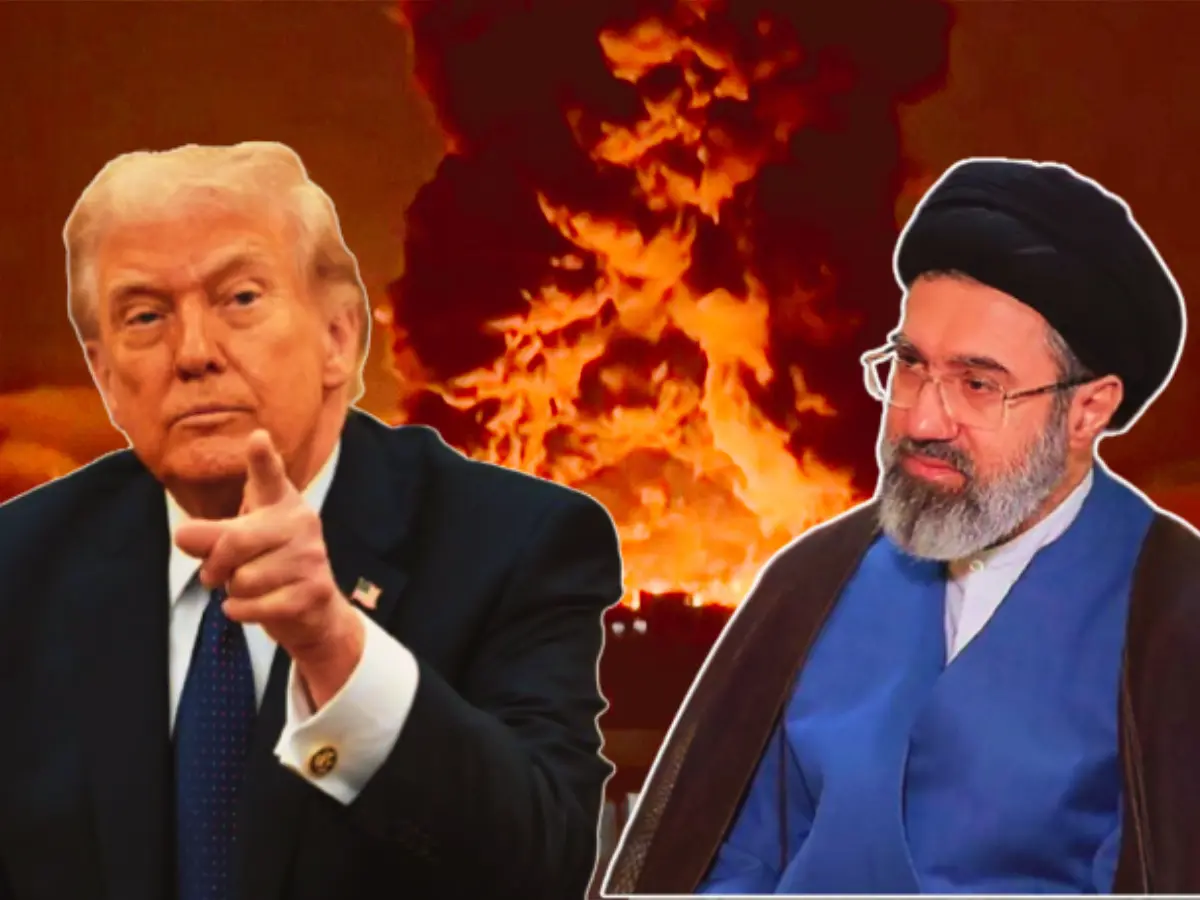)
Iran-US talks to begin today after Trump halts 'biggest attack since World War 2'; Tehran dials Saudi, Pak
&im=FitAndFill=(700,400))
From Tom Holland-Zendaya to Blake Lively-Ryan Reynolds: Actors who met on sets and fell in love and married
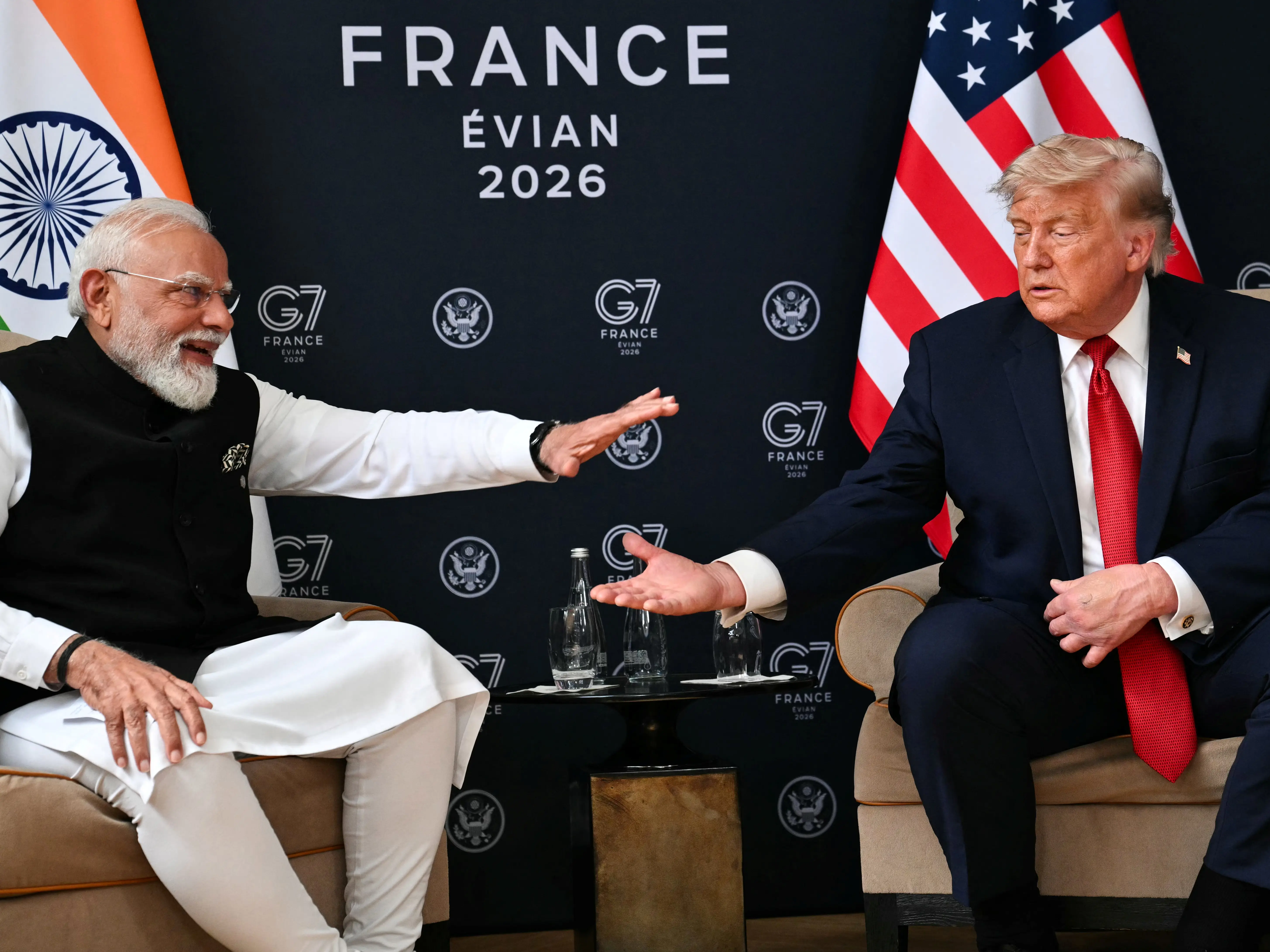)
India avoids higher US tariff, secures lower 10% rate. Here's how
&im=FitAndFill=(700,400))
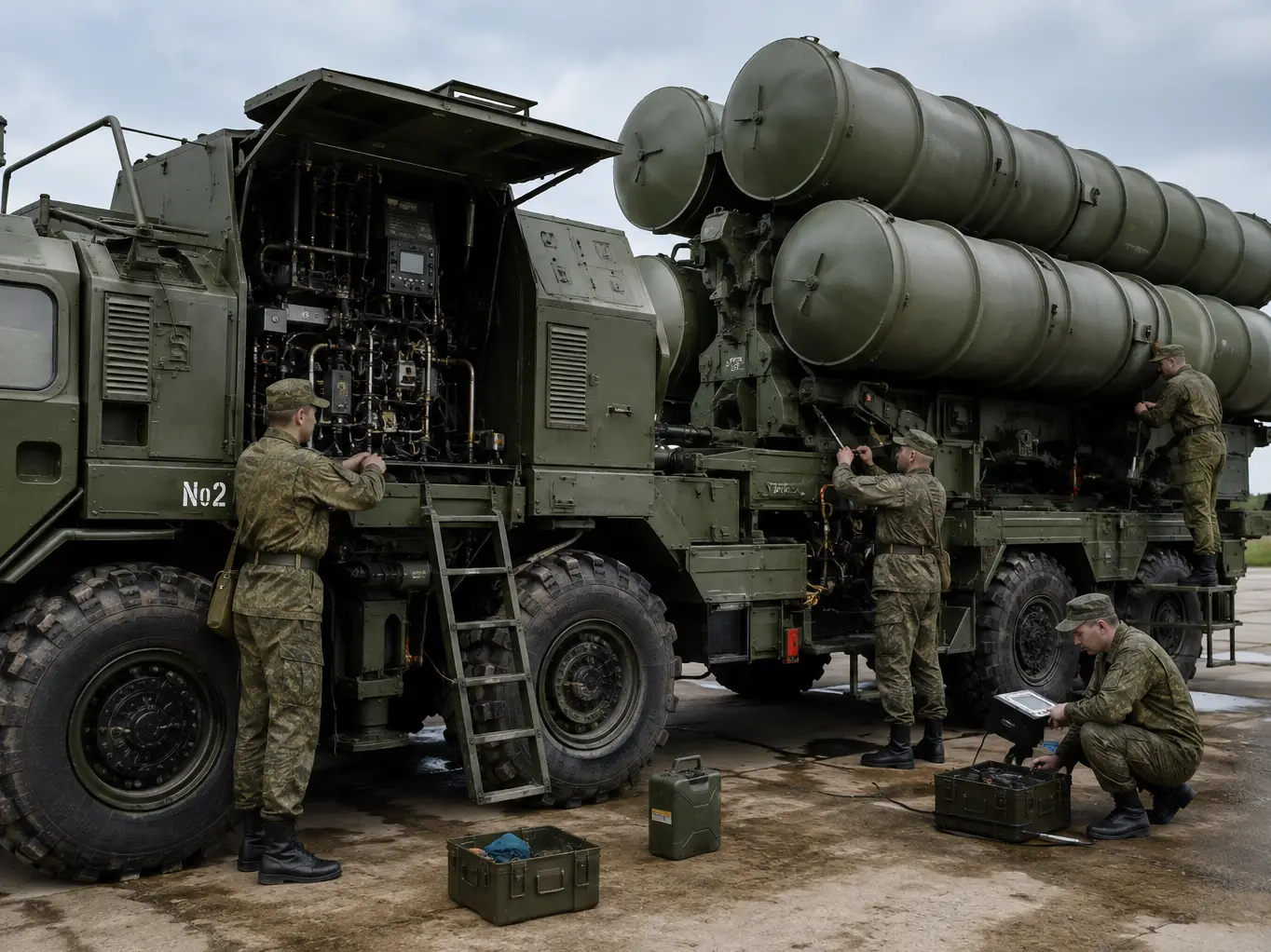
How often does an S-400 need maintenance?
&im=FitAndFill=(700,400))
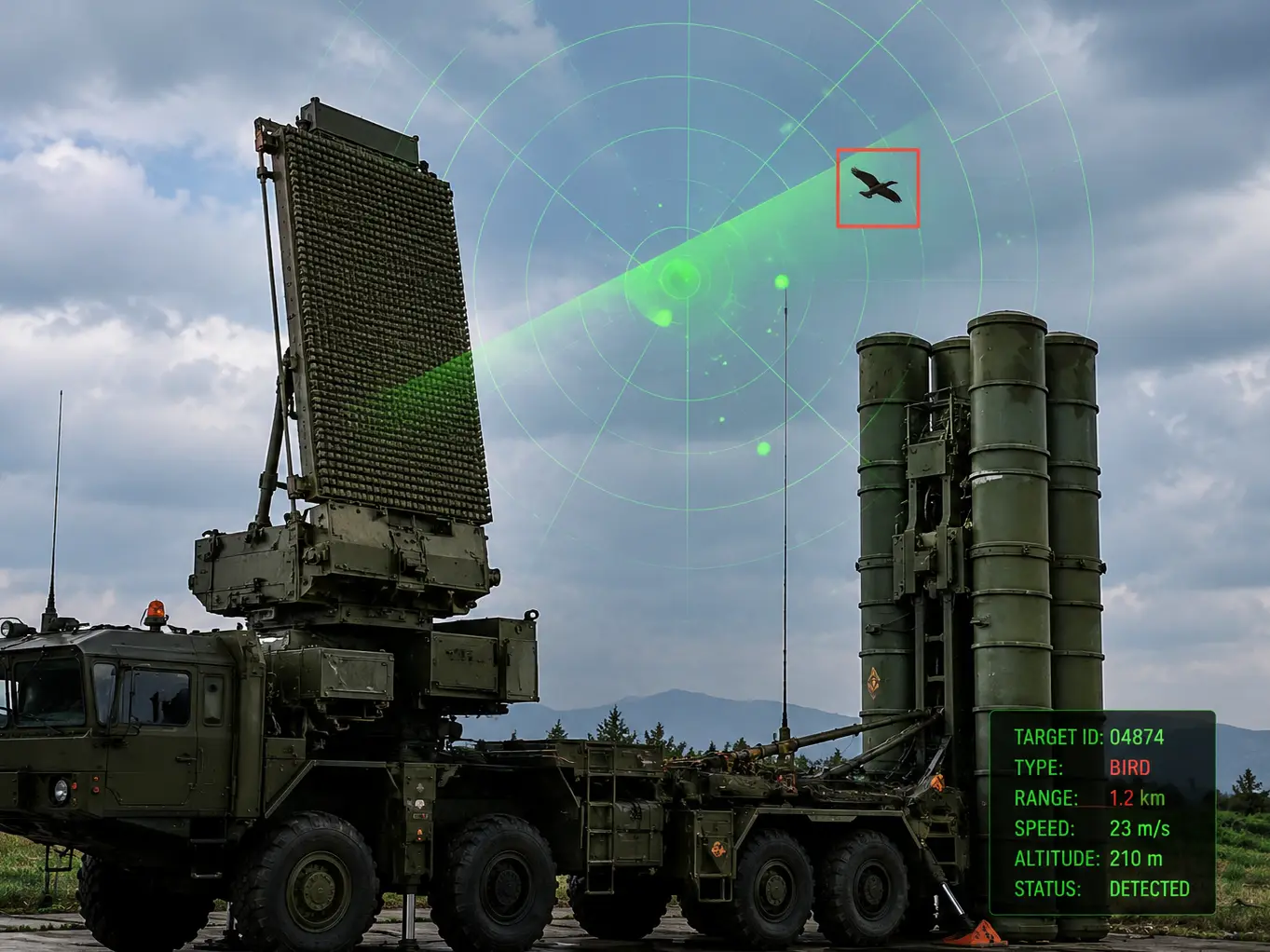
Can an S-400 detect a bird?
&im=FitAndFill=(700,400))
Meet top 5 bowlers in latest ICC Test rankings 2026 - check who sits at the top
&im=FitAndFill=(700,400))
Meet top 5 batters in latest ICC ODI rankings 2026 - check who sits at the top
&im=FitAndFill=(700,400))
One S-400 battery, dozens of targets: How it fights an air battle in seconds
)
Trump says Iranian school bombing photos could be AI-generated - 'I don’t think...'
&im=FitAndFill=(700,400))
'Fifth-generation fighters': Can the S-400 shoot down an F-35?
)
From trash to energy: Scientists turn plastic waste into Hydrogen fuel using a new technique - Here's how
)
Who is Ruchika Singh, booked for using foul language against PM Modi at Jantar Mantar protests?
&im=FitAndFill=(700,400))
New OTT releases this week (August 3-9, 2026): Main Vaapas Aaunga, Uyir, Operation Safed Sagar- 6 titles coming on Netflix, Prime Video and more
)
Have 7,000 Karnataka students tested positive for HIV? Here's the truth
)
Iran says Oman talks on new Strait of Hormuz transit route near completion
)
Kangana Ranaut’s Gen Z U-Turn: Actress-MP wishes youth on Friendship Day after facing backlash over 'Generation Gutter' remark
&im=FitAndFill=(700,400))
Why Russian jets use heavier steel compared to US jets
&im=FitAndFill=(700,400))
Why are iPhones so expensive compared to Android phones?
)
'I was almost trafficked in Paris,' says Australian woman, shares terrifying ordeal - 'I am on the black market'
)
'Muslims should not befriend kaafirs': Pak Army DG says India-Afghan ties that of 'master-slave'
)
CJP's Abhijit Dipke speaks to protesting students in Jharkhand, extends support to their demands: Will he go to Ranchi?
)
The Royals enter the Doctor Who universe: King Charles and Queen Camilla beam into Commonwealth Games in TARDIS
)
World's largest digital camera captures over 500,000 galaxies, 50,000 stars in one stunning image
&im=FitAndFill=(700,400))
Why Russian tanks are much lighter compared to US tanks
&im=FitAndFill=(700,400))
Why Russian fighter pilots wear blue flight suits compared to US pilots
)
'FIR not withdrawn' against Noida teen who 'abused' PM Modi despite apology, claims CJP
&im=FitAndFill=(700,400))
Meet top 5 batters in latest ICC Test rankings 2026 - check who sits at the top
Also see: Eye on China: India-led Quad displays military prowess in Malabar naval exercise
Deng Yuwen, a former deputy editor of the Communist Party publication Study Times, said the amendments aimed to legalise and formally apply the "special" nature of China`s political and defence system when dealing with situations that could harm the regime at home and abroad.
The changes show that regime had gained the confidence to legitimise its long-standing principle that the party `commands the gun` and strengthen its `absolute leadership` over-armed and reserved forces, said Chen Daoyin, an independent political commentator.
Zeng Zhiping, a military law expert at Soochow University, said that the State Council has become a mere implementing agency to provide support to the military, adding that this change was a big contrast with developed countries like Germany, Israel and France, where armed forces come under civilian leadership.
Taipei-based military expert Chi Le-yi said the amendments highlighting the use of armed forces to suppress national disruption would be used to target independence-leaning forces in Taiwan, which Beijing regards as part of its territory, reported South China Morning Post.
For decades, the Chinese government has claimed authority over Taiwan. Though Taiwan is not recognised by the UN, its government maintains a relationship with the US and does not accept the Chinese authority.
"The law revision is also a symbolic battle call by the party to warn all Chinese people to be combat-ready for a nationwide defence mobilisation, which the party has never done since [it came to power] in 1949," said Chi.