
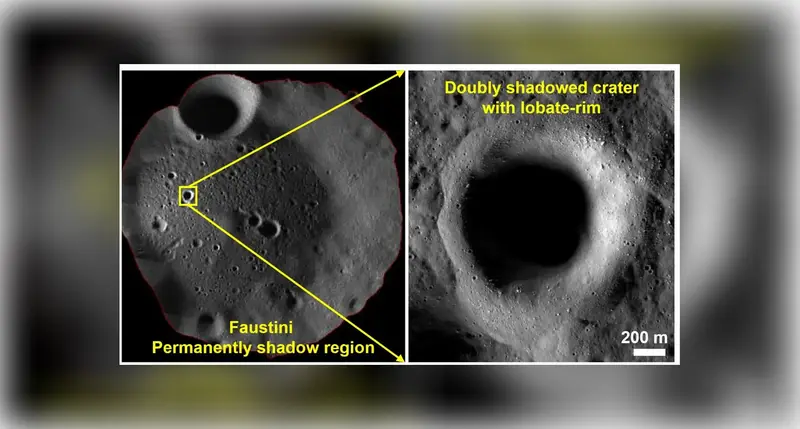
Scientists from the Physical Research Laboratory (PRL), Ahmedabad, have conducted a detailed investigation of sub-surface ice in the lunar South Polar Region using observations from the Chandrayaan-2 Dual Frequency Synthetic Aperture Radar (DFSAR). The DFSAR onboard the Chandrayaan-2 orbiter is a microwave imaging instrument operating in L- and S-band frequencies, making it the first fully-polarimetric SAR to study the Moon.
The study focuses on "doubly shadowed craters," which are special craters located inside permanently shadowed regions (PSRs). Due to continuous shielding from sunlight and thermal radiation, these regions remain extremely cold, with temperatures around 25K, making them favourable locations for preserving water-ice over long geological timescales.

Using advanced radar polarimetric analysis, scientists identified radar signatures consistent with the possible presence of subsurface ice beneath the floors of four doubly shadowed craters. The study proposes a refined radar-based criterion for identifying subsurface ice, where Circular Polarisation Ratio (CPR) values greater than 1, together with Degree of Polarisation (DOP) values lower than 0.13, indicate volumetric scattering potentially associated with subsurface ice. DOP measures how much of the reflected radar signal retains its original polarisation state after interacting with the material, helping distinguish genuine ice signatures from rough, rocky terrain.
Among the investigated craters, a 1.1 km diameter crater (designated as F2) within the Faustini crater shows particularly strong evidence of subsurface ice. This is supported by both radar observations and distinctive lobate-rim morphological characteristics. This flow-like or lobed appearance suggests the impact may have penetrated subsurface ice to produce the observed crater.
Trending Stories
&im=FitAndFill=(700,400))
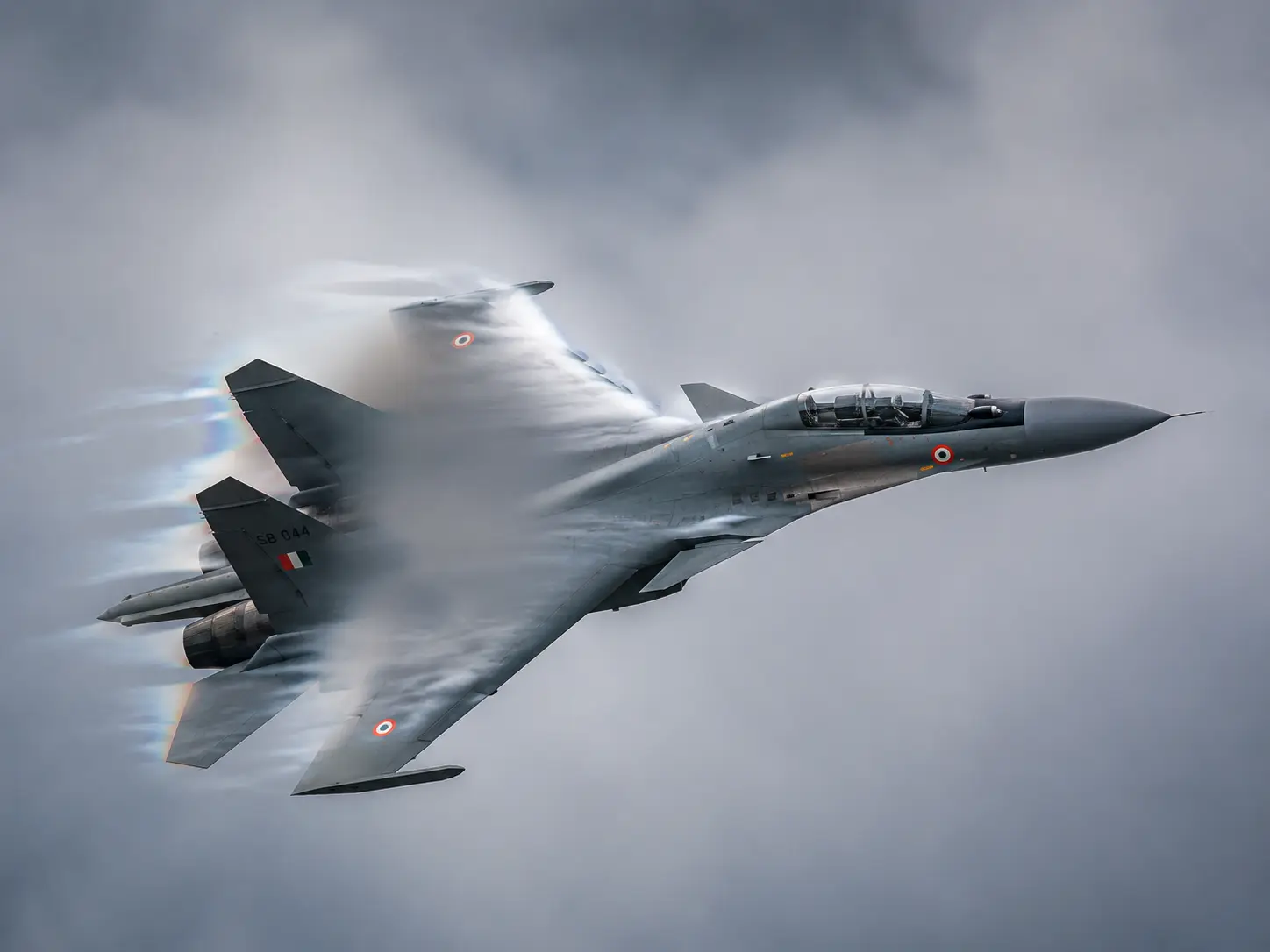
How fast can the Sukhoi Su-30 fighter jet really fly?
)
Did China ask its people 'not to respond to aliens'? Origin of bizarre claim on social media
)
MS Dhoni-CSK Fallout? Report claims failed stake sale talks triggered rift
)
Scientists reveal the SAFEST COUNTRY when catastrophe strikes the planet
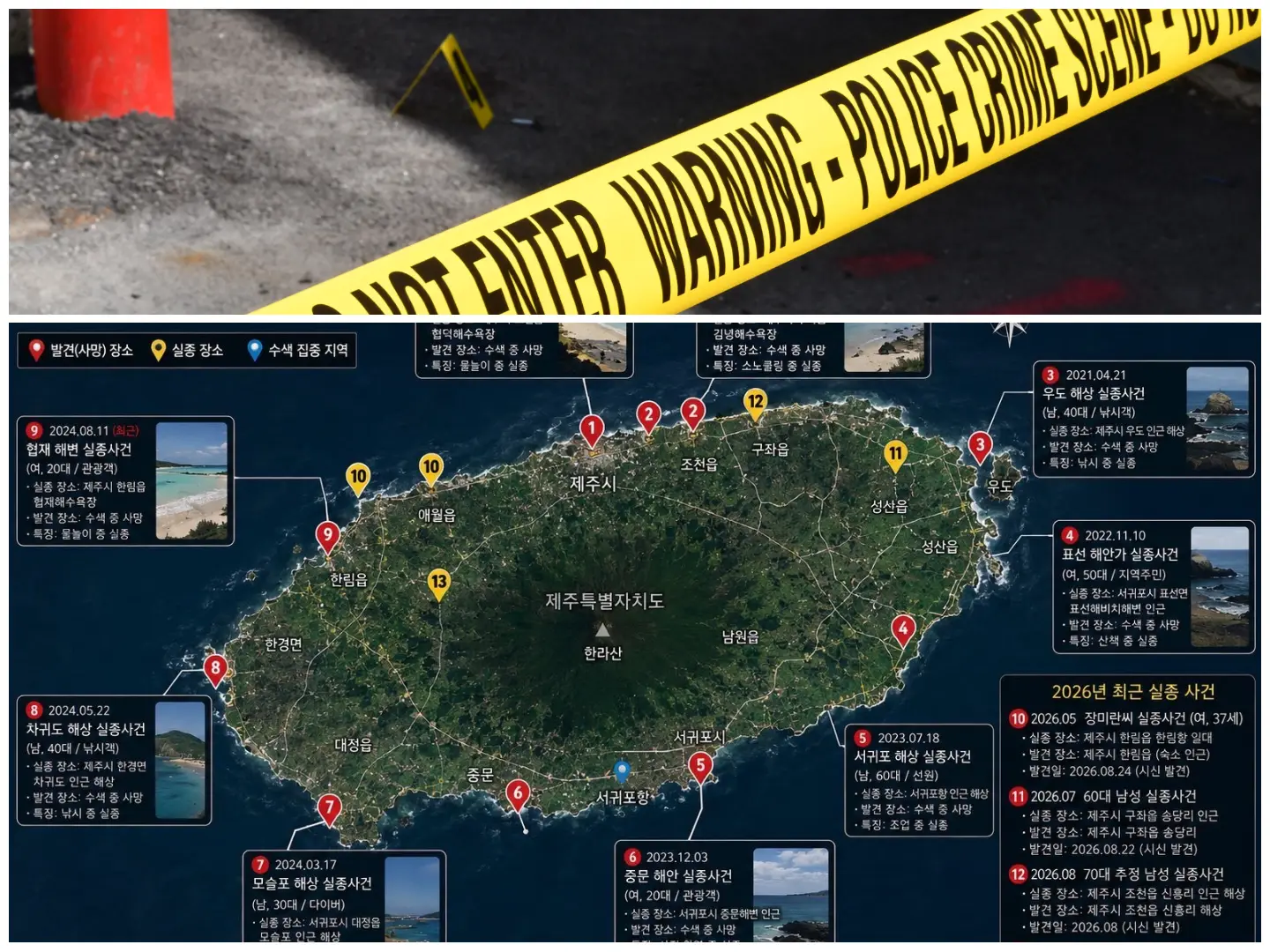)
Serial killer on the loose in South Korea's Jeju Island? Fourth body found in three days as more than a dozen people go missing
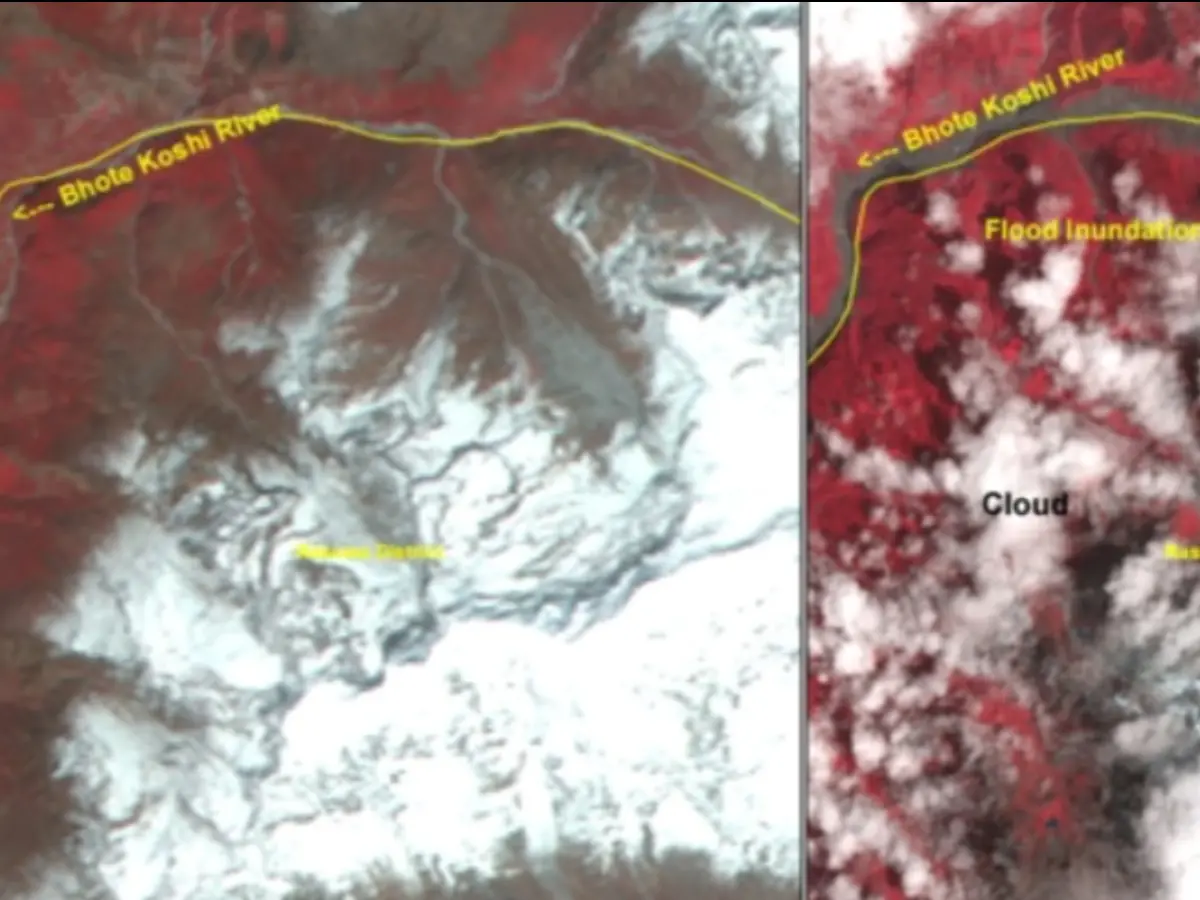)
2/3rd of glacier detached, collapsed: ISRO satellite images reveal what triggered Nepal floods
)
Trump once again claims without him there would be ‘no Israel right now’
)
Foreign espionage attacks against German companies surge to 37%, Bitkom report reveals
)
Blake Lively wins partial legal fee from Justin Baldoni after $8M request
)
Why is Pakistan deploying Turkish Bayraktar TB2 drones near India border?
)
'OH MY GOD! We've found other agents!': Investigators discover not one or two, almost 700 OpenAI AI agents went rogue, hacked Hugging Face
)
Lunar eclipse 2026: India timings, places to see and more. August Blood moon factsheet
)
RSS chief Mohan Bhagwat on global outreach tour
)
Both pilots killed as training aircraft crashes in Lucknow – What we know
)
16-year-old charged with preparing terror attack on kindergarten in Norway
&im=FitAndFill=(700,400))
How the S-400 protects itself from enemy attacks
)
Nepal floods: Over 165 dead, 400 missing; US, India, China, World Bank mobilise aid
)
India's multi-layered watch: The new surveillance war
)
5 doomsday planes spotted in US skies hours after CIA director's secret trip to Russia
)
9/11 mastermind Khalid Sheikh Mohammed to finally face trial in 2028, nearly 27 years after horrific attacks
)
Islamabad hospital fire: What we know about one of the biggest facility that housed Imran Khan
)
Workers run for life while filming Nepal flash flood: Scary new visuals emerge from Rasuwa
)
Russian military planes enter South Korean air defence zone amid rising tensions with North Korea: What's happening
)
Ron Weasley Is Back! Rupert Grint set to return to Harry Potter universe on Broadway
)
400-year-old 'vampire' grave in Poland reveals non-existent genetic lineage
)
Dolly Parton, global icon and queen of country music, dies at 80
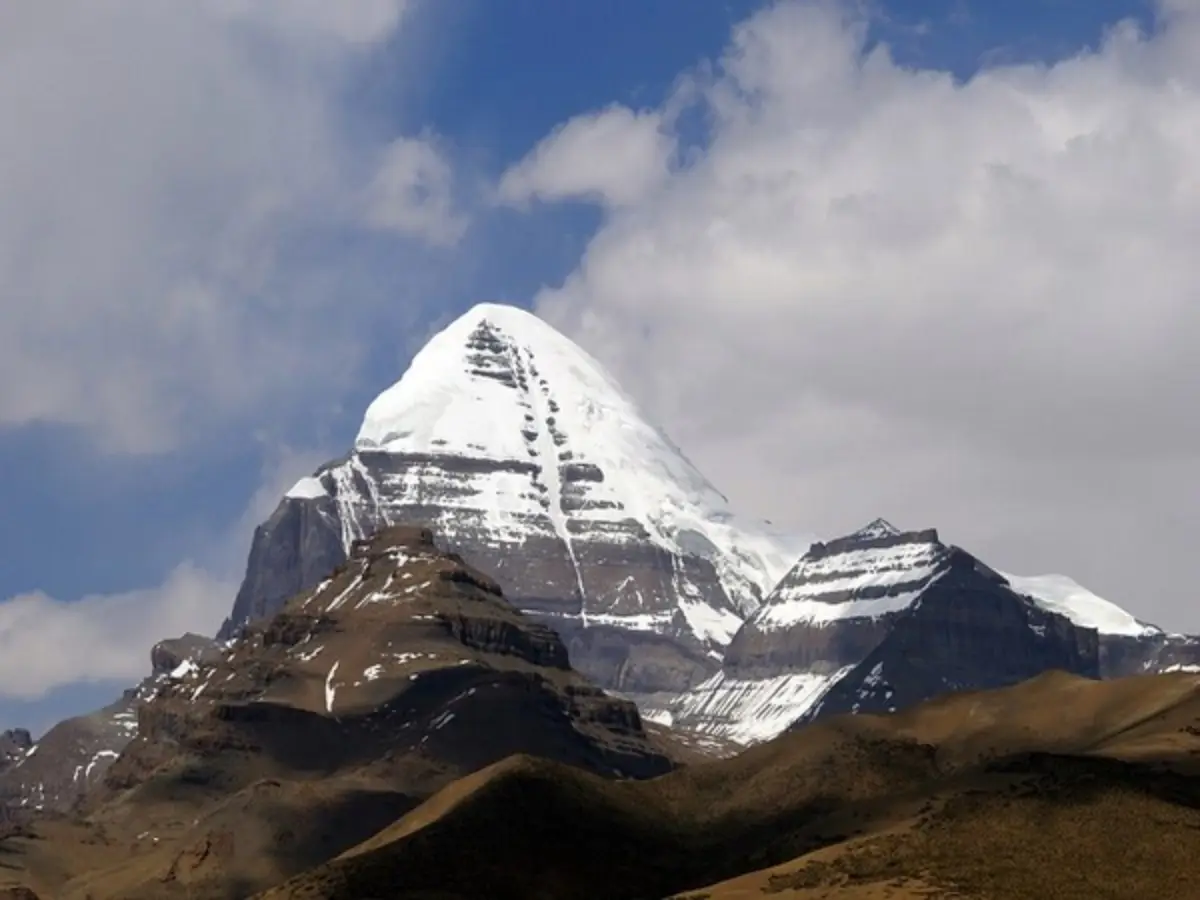)
Nepal flash floods: Kailash Mansarovar yatra affected, close to 400 pilgrims out of contact
)
'If he is dead, they're putting on a pretty good show': Trump casts fresh doubt over Mojtaba Khamenei's fate
)
Man arrested near US Capitol with guillotine in pickup truck: What happened?
&im=FitAndFill=(700,400))
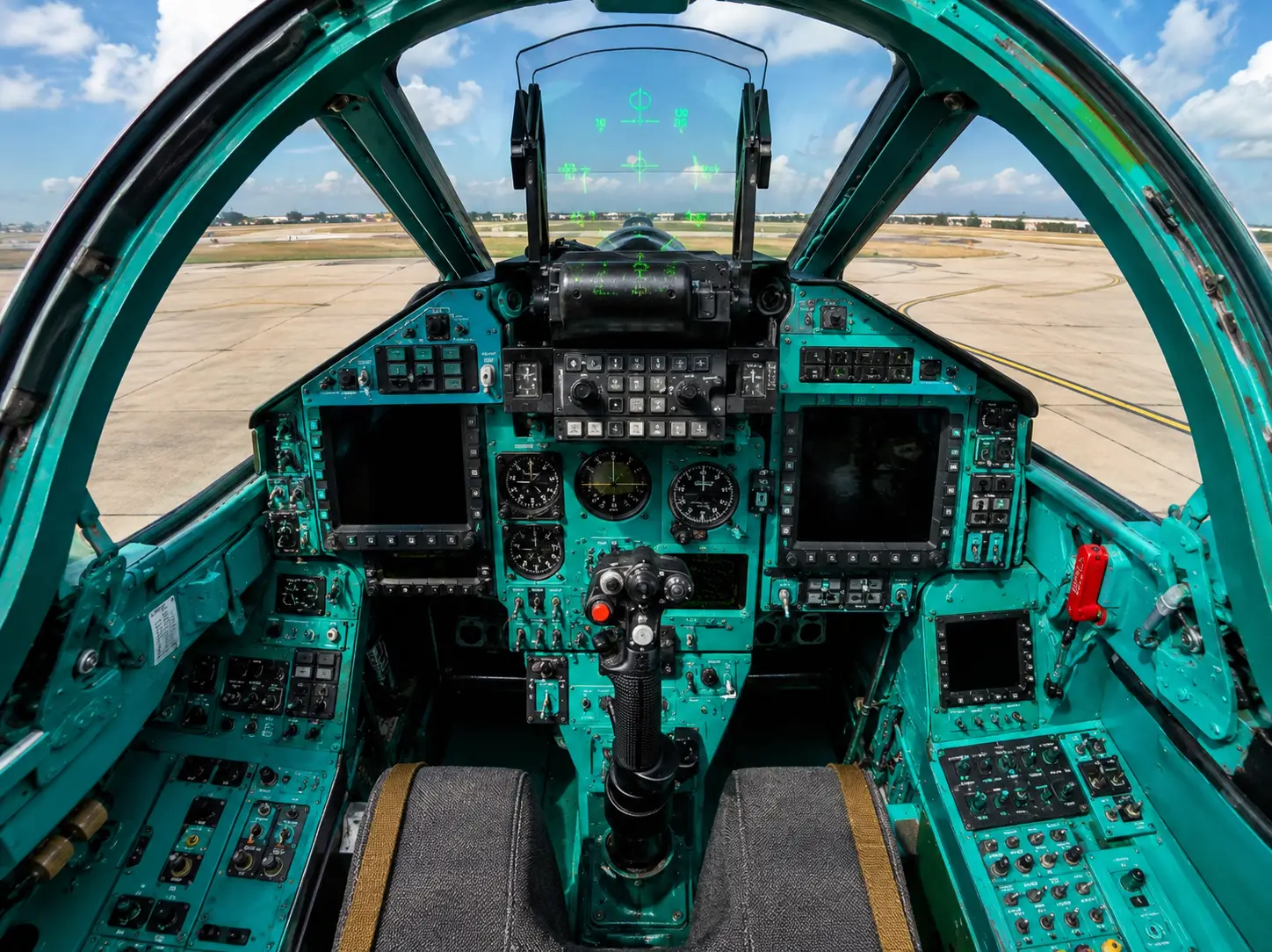
Why the Su-30MKI cockpit is painted bright turquoise green
These findings provide important new insights into the distribution of lunar polar volatiles and have significant implications for future missions, including identifying potential ice-bearing regions for future landing and in-situ resource utilisation (ISRU) activities.

