Cambodia calls for 'immediate ceasefire' with Thailand after deadly clashes: What we know so far

&imwidth=600&imheight=450&format=webp&quality=medium "Cambodia calls for 'immediate ceasefire' with Thailand after deadly clashes: What we know so far")
Cambodia and Thailand conflict Photograph: (Reuters)
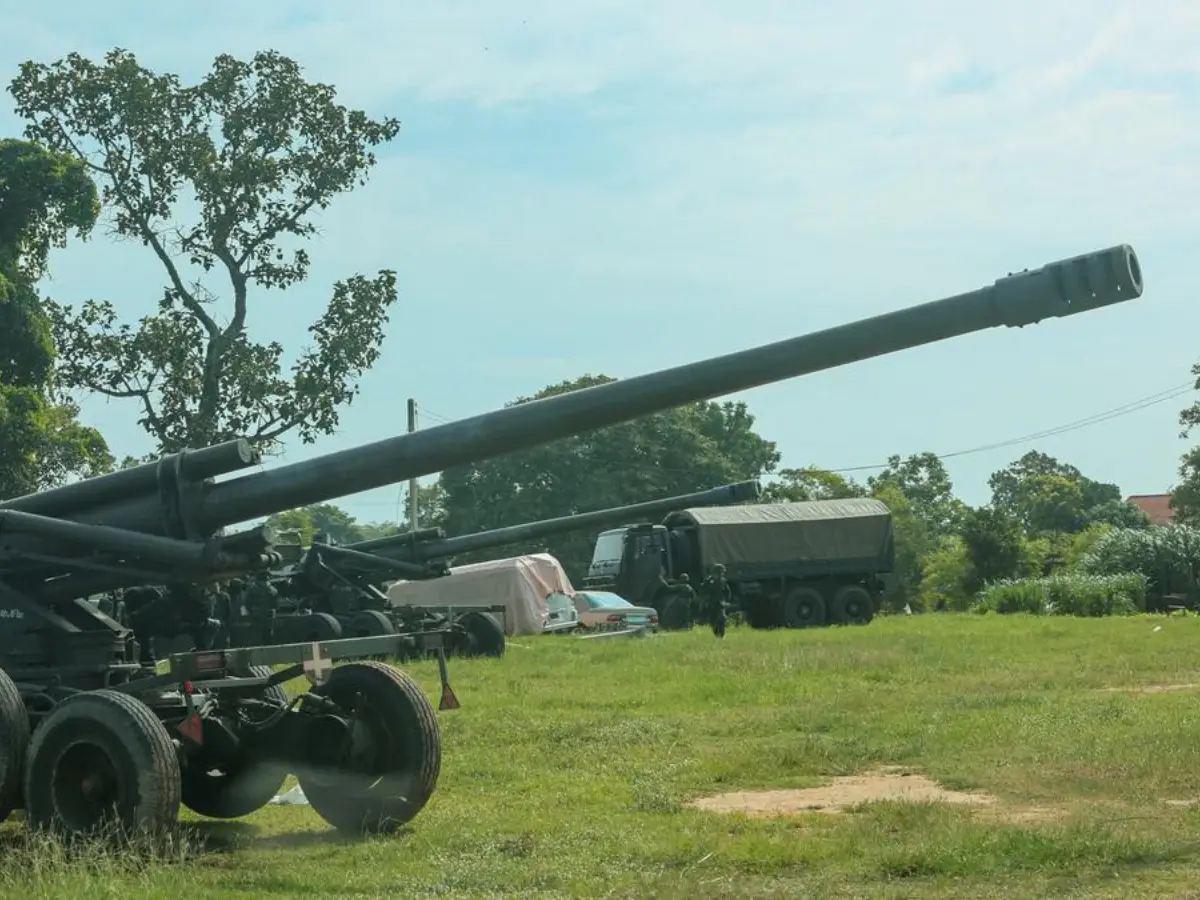
After Cambodia and Thailand exchanged heavy artillery fire across their disputed border for two days in a row, Cambodia's envoy Chhea Keo to the United Nations (UN) said on Friday (July 25) that it wants an immediate ceasefire with Thailand
Cambodia's envoy to the United Nations (UN) said on Friday (July 25) that it wants an “immediate ceasefire” with Thailand, after the neighbours traded deadly strikes for a second day, with Bangkok also signalling an openness to talks. A long-running border dispute erupted into intense fighting with jets, artillery, tanks and ground troops on Thursday (July 24), prompting the UN Security Council (UNSC) to hold an emergency meeting on the crisis. Cambodia's UN envoy's announcement came after a closed-door meeting of the UN Security Council. “Cambodia asked for an immediate ceasefire — unconditionally — and we also call for the peaceful solution of the dispute,” Chhea Keo said. More than 138,000 people have been evacuated from Thailand’s border regions, according to details provided by the country's Health Ministry. It also reported 15 fatalities — 14 civilians and a soldier — with a further 46 wounded, including 15 troops.
Thailand-Cambodia conflict
Thailand and Cambodia engaged in their worst fighting in over a decade this week, exchanging heavy artillery fire across their disputed border. Clashes broke out between the two countries early on Thursday (July 24) along a disputed area abutting an ancient temple, rapidly spilling over to other areas along the contested frontier and heavy artillery exchanges continued for a second straight day. Tensions began rising between the Southeast Asian neighbours since May this year, following the killing of a Cambodian soldier during a brief exchange of gunfire. The incident triggered diplomatic spats ultimately leading to armed clashes.
Thailand recalled its ambassador to Phnom Penh on Wednesday and expelled Cambodia's envoy in response to a second Thai soldier losing a limb to a landmine that Bangkok alleged had been laid recently by rival troops. Cambodia called that accusation baseless. Both sides accuse each other of firing the first shots that started the conflict on Thursday, which has so far claimed the lives of at least 15 civilians, most of them on the Thai side.
Thailand and Cambodia have for more than a century contested sovereignty at various un-demarcated points along their 817 km (508 miles) land border, which was first mapped by France in 1907 when Cambodia was its colony. That map, which Thailand later contested, was based on an agreement that the border would be demarcated along the natural watershed line between the two countries. In 2000, the two countries agreed to establish a Joint Boundary Commission to peacefully address overlapping claims, but little progress has been made towards settling disputes. Claims over ownership of historical sites have raised nationalist tension between the two countries, notably in 2003 when rioters torched the Thai embassy and Thai businesses in Phnom Penh over an alleged remark by a Thai celebrity questioning jurisdiction over Cambodia's World Heritage-listed Angkor Wat temple.
An 11th-century Hindu temple called Preah Vihear, or Khao Phra Viharn in Thailand, has been at the heart of the dispute for decades, with both Bangkok and Phnom Penh claiming historical ownership. The International Court of Justice awarded the temple to Cambodia in 1962, but Thailand has continued to lay claim to the surrounding land. Tension escalated in 2008 after Cambodia attempted to list the Preah Vihear temple as a UNESCO World Heritage site, leading to skirmishes over several years and at least a dozen deaths, including during a weeklong exchange of artillery in 2011.Two years later, Cambodia sought an interpretation of the 1962 verdict, and the ICJ again ruled in its favour, saying the land around the temple was also part of Cambodia and ordering Thai troops to withdraw.
&imwidth=280&imheight=210&format=webp&quality=medium)
&im=FitAndFill=(700,400)&imwidth=280&imheight=210&format=webp&quality=medium)
&imwidth=280&imheight=210&format=webp&quality=medium)
&im=FitAndFill=(700,400)&imwidth=280&imheight=210&format=webp&quality=medium)
&imwidth=280&imheight=210&format=webp&quality=medium)
&imwidth=280&imheight=210&format=webp&quality=medium)
&imwidth=280&imheight=210&format=webp&quality=medium)
&imwidth=280&imheight=210&format=webp&quality=medium)
&imwidth=280&imheight=210&format=webp&quality=medium)
&imwidth=280&imheight=210&format=webp&quality=medium)
&imwidth=280&imheight=210&format=webp&quality=medium)
&imwidth=280&imheight=210&format=webp&quality=medium)
&imwidth=280&imheight=210&format=webp&quality=medium)
&imwidth=280&imheight=210&format=webp&quality=medium)
&imwidth=280&imheight=210&format=webp&quality=medium)
&imwidth=280&imheight=210&format=webp&quality=medium)
&imwidth=280&imheight=210&format=webp&quality=medium)
&imwidth=280&imheight=210&format=webp&quality=medium)
&imwidth=280&imheight=210&format=webp&quality=medium)
&imwidth=280&imheight=210&format=webp&quality=medium)
&imwidth=280&imheight=210&format=webp&quality=medium)
&imwidth=280&imheight=210&format=webp&quality=medium)
&im=FitAndFill=(700,400)&imwidth=280&imheight=210&format=webp&quality=medium)
&imwidth=280&imheight=210&format=webp&quality=medium)
&imwidth=280&imheight=210&format=webp&quality=medium)
&imwidth=280&imheight=210&format=webp&quality=medium)
&imwidth=280&imheight=210&format=webp&quality=medium)
&imwidth=280&imheight=210&format=webp&quality=medium)
&imwidth=280&imheight=210&format=webp&quality=medium)
&imwidth=280&imheight=210&format=webp&quality=medium)
&imwidth=280&imheight=210&format=webp&quality=medium)
&imwidth=280&imheight=210&format=webp&quality=medium)
&imwidth=280&imheight=210&format=webp&quality=medium)
&imwidth=280&imheight=210&format=webp&quality=medium)

