BRICS Summit 2026: Should the bloc grow? Pakistan, Bangladesh among aspirants, India cautious, China backs expansion

&imwidth=600&imheight=450&format=webp&quality=medium "BRICS Summit 2026: Should the bloc grow? Pakistan, Bangladesh among aspirants, India cautious, China backs expansion")
Should BRICS be expanded and who should be in? (
Should BRICS expand further or consolidate its 11-member grouping? While expansion could boost Global South representation, trade and alternative financing, concerns over consensus and geopolitical differences remain.
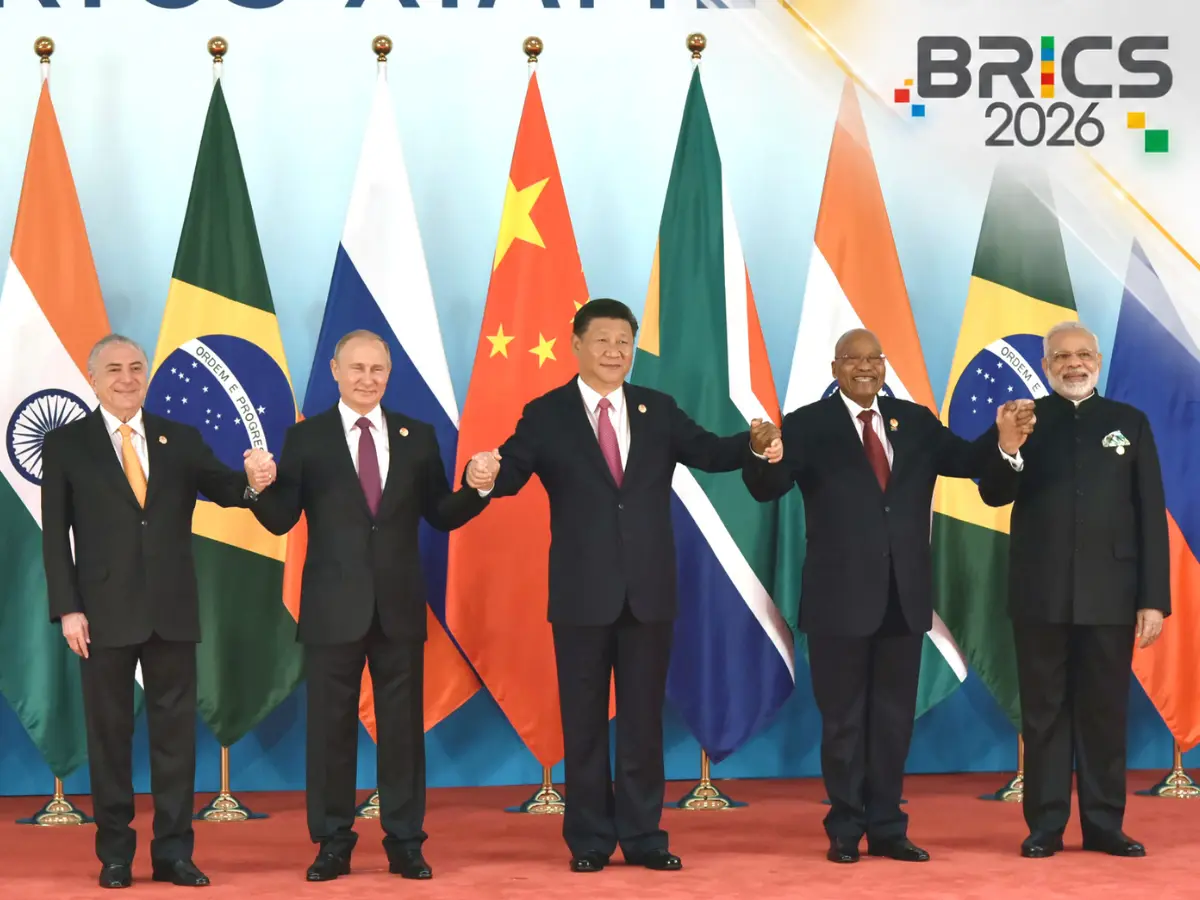
BRICS Summit 2026 is scheduled for September 12–13, at Bharat Mandapam in New Delhi with India chairing the grouping this year. It has evolved from a small grouping of emerging economies into a larger platform representing a broad section of the Global South. With its expansion to 11 full members and growing interest from several countries, the question now is whether the bloc should continue adding members or pause to consolidate its existing structure.
BRICS currently has 11 full members and 10 officially recognised ‘Partner Countries.’ More than 30 other nations have expressed interest in joining the bloc. The Partner Country framework allows nations such as Belarus, Bolivia, Cuba, Kazakhstan, Malaysia, Nigeria, Thailand, Uganda, Uzbekistan and Vietnam to participate in BRICS-related cooperation without the full rights of membership. Among countries seeking greater involvement are Türkiye, Azerbaijan, Pakistan, Bangladesh, Algeria, Venezuela, Colombia, Bahrain, Cambodia, Laos and several African nations.
India’s stand on BRICS Expansion
India supports expansion but has adopted a cautious and criteria-based approach. New Delhi has supported the broader representation of the Global South but has emphasised that future expansion should follow mutually agreed criteria. India has also stressed that prospective members should maintain friendly relations with all existing BRICS countries. For India, this approach is particularly important because BRICS should remain a platform for economic cooperation and greater representation in global institutions rather than evolve into an explicitly anti-Western or anti-American bloc. New Delhi has sought to maintain strategic autonomy, working with BRICS while simultaneously maintaining important relationships with the United States, Europe and other Western partners.
Also Read: How BRICS evolved in 20 years
Trending Stories
&imwidth=280&imheight=210&format=webp&quality=medium)
&imwidth=280&imheight=210&format=webp&quality=medium)
&imwidth=280&imheight=210&format=webp&quality=medium)
&imwidth=280&imheight=210&format=webp&quality=medium)
&imwidth=280&imheight=210&format=webp&quality=medium)
&imwidth=280&imheight=210&format=webp&quality=medium)
&imwidth=280&imheight=210&format=webp&quality=medium)
&imwidth=280&imheight=210&format=webp&quality=medium)
&imwidth=280&imheight=210&format=webp&quality=medium)
&imwidth=280&imheight=210&format=webp&quality=medium)
&imwidth=280&imheight=210&format=webp&quality=medium)
&imwidth=280&imheight=210&format=webp&quality=medium)
&imwidth=280&imheight=210&format=webp&quality=medium)
&imwidth=280&imheight=210&format=webp&quality=medium)
&imwidth=280&imheight=210&format=webp&quality=medium)
&imwidth=280&imheight=210&format=webp&quality=medium)
&imwidth=280&imheight=210&format=webp&quality=medium)
&imwidth=280&imheight=210&format=webp&quality=medium)
&imwidth=280&imheight=210&format=webp&quality=medium)
&im=FitAndFill=(700,400)&imwidth=280&imheight=210&format=webp&quality=medium)
&im=FitAndFill=(700,400)&imwidth=280&imheight=210&format=webp&quality=medium)
&im=FitAndFill=(700,400)&imwidth=280&imheight=210&format=webp&quality=medium)
&imwidth=280&imheight=210&format=webp&quality=medium)
&imwidth=280&imheight=210&format=webp&quality=medium)
&imwidth=280&imheight=210&format=webp&quality=medium)
&imwidth=280&imheight=210&format=webp&quality=medium)
&imwidth=280&imheight=210&format=webp&quality=medium)
&imwidth=280&imheight=210&format=webp&quality=medium)
&imwidth=280&imheight=210&format=webp&quality=medium)
&imwidth=280&imheight=210&format=webp&quality=medium)
&imwidth=280&imheight=210&format=webp&quality=medium)
&imwidth=280&imheight=210&format=webp&quality=medium)
&imwidth=280&imheight=210&format=webp&quality=medium)
&im=FitAndFill=(700,400)&imwidth=280&imheight=210&format=webp&quality=medium)
&imwidth=280&imheight=210&format=webp&quality=medium)
China pushes for larger BRICS, Russia supports cautious approach
China has generally been among the strongest advocates of BRICS expansion. Beijing sees a larger grouping as a way to increase the collective weight of emerging economies and strengthen BRICS as an alternative centre of global influence particularly against America. China has also supported the inclusion of countries such as Pakistan.
Russia favoured BRICS expansion, particularly as the bloc provides Moscow with an important platform for strengthening economic and diplomatic ties outside the West. However, after the admission of several new members, Russia has indicated support for taking a more measured approach.
The concern is that BRICS needs time to adapt to its expanded membership. Rather than immediately adding another wave of full members, Moscow has favoured consolidating the existing group and improving its internal mechanisms.
Brazil and South Africa’s Positions
Brazil has also taken a more cautious position, particularly over the impact of uncontrolled expansion on the bloc’s identity and decision-making process. Brasília has emphasised the importance of consensus and does not want BRICS to become so large that its members struggle to agree on common priorities. South Africa, meanwhile, has generally supported expansion, particularly when it strengthens Africa’s representation in global governance. The admission of Egypt and Ethiopia has already increased Africa’s presence within BRICS, giving South Africa a stronger regional voice in pushing for a more representative international system.
The Pakistan and Bangladesh Question
Pakistan’s interest in BRICS shows how geopolitical considerations complicate the expansion debate. Islamabad has formally sought BRICS membership, seeing the bloc as an opportunity to diversify its trade relationships. India’s opposition has effectively prevented Pakistan from becoming a full member, while China's support has provided weightage to Islamabad's demand. India-Pakistan tensions and the broader strategic rivalry between India and China make Pakistan’s possible entry particularly sensitive. Its membership would also raise questions about whether BRICS should prioritise economic representation or give greater weight to geopolitical compatibility among its members.
Same is true for Bangladesh as it has also expressed strong interest in joining BRICS. Dhaka views membership as a way to expand trade opportunities, secure development financing and strengthen its position within the emerging Global South economic architecture. Bangladesh also falls in the same bracket as Pakistan as its inclusion would trigger a debate between economic representation and geopolitical affinities.

