BRICS Bank: Can the New Development Bank challenge the World Bank and IMF?

&imwidth=600&imheight=450&format=webp&quality=medium "BRICS Bank: Can the New Development Bank challenge the World Bank and IMF?")
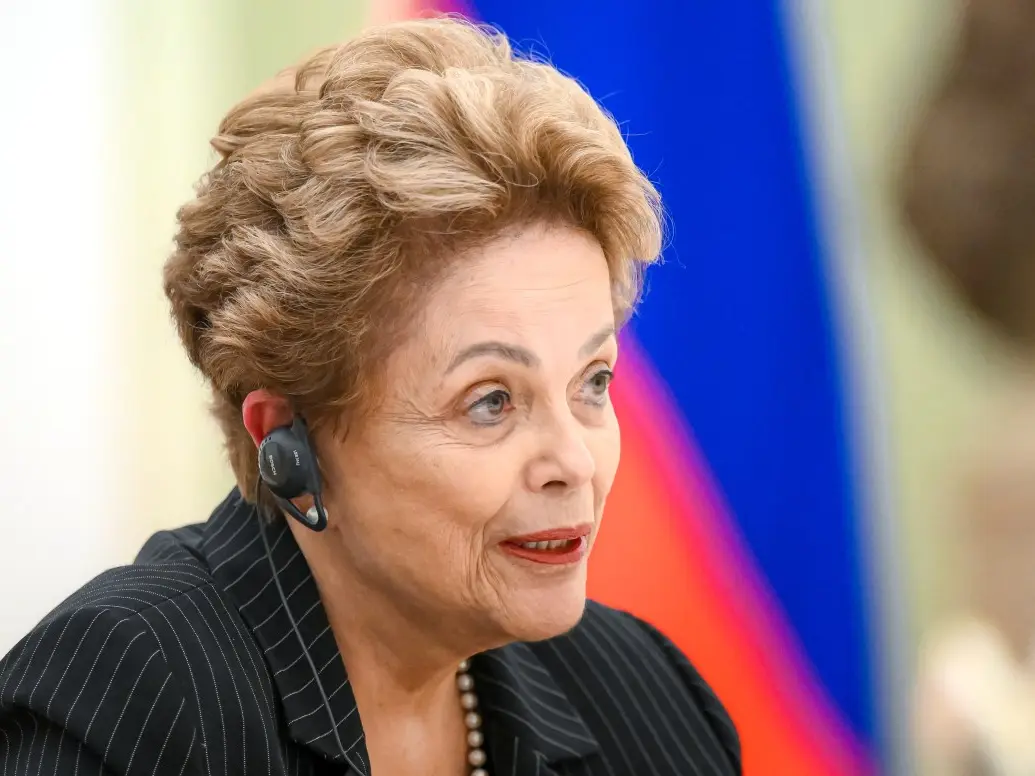
In this pool photograph distributed by the Russian state agency Sputnik, Dilma Rousseff, former Brazil president and current president of the New Development Bank, attends a meeting with Russia's President at the Kremlin in Moscow on May 13, 2026 Photograph: (AFP)
The New Development Bank, or BRICS Bank, has emerged as an alternative development finance institution, expanding local-currency lending while seeking to reduce dependence on the Western-dominated financial system.
Over the last decade, five countries have been quietly building over $40 billion alternative to the World Bank and the IMF-dominated global financial system: the New Development Bank or the BRICS Bank. The amount is modest when compared to the Bretton Woods Twins, but it's a project aimed at dismantling 80 years of financial control, creating a parallel system without replacing it.
There is huge asymmetry in place; by the end of 2025, the National Development Bank has approved roughly $42.9 billion. The World Bank approves roughly $100 billion in every fiscal year. The New Development Bank has an authorised capital base of $100 billion. The World Bank has an authorised capital base of roughly $327 billion, while the IMF has a $646 billion quota base. Combined, the Bretton Woods System has roughly $1 trillion in capital base.
But there are positive signs too; the New Development Bank has been around for just over a decade, and the Bretton Woods System has been there since the aftermath of the Second World War. It has grown from five founding members to eleven members. It has sanctioned development projects such as in India, the Delhi-Ghaziabad-Meerut original rapid transit system; in China, an offshore wind power plant which generated over 1 billion kWh of carbon-free electricity in the first year; in Brazil, Pernambuco state expanded water supply and sanitation services, which benefits roughly $2 million people; and in South Africa, they are modernising the Durban port, a gateway to the African continent. It is more democratised, where every nation has an equal vote, despite China being a bigger economy and Brazil being comparatively smaller. Unlike the World Bank and IMF, where the US holds veto power with over 16 per cent of total voting rights. It does not seek harsh austerity measures, nor does it require structural and political change in exchange for loans to nations.
Can it help the Global South out of Western hegemony?
Structurally, the New Development Bank is an extension of the same capitalist financial architecture that fuels the Bretton Woods System. It's not a radical break from the Western Hegemony; it is an extension of it. It is merely a scaled-up and pooled version of domestic development banks, copying the exact financial blueprint of the World Bank.
Trending Stories
&imwidth=280&imheight=210&format=webp&quality=medium)
&imwidth=280&imheight=210&format=webp&quality=medium)
&imwidth=280&imheight=210&format=webp&quality=medium)
&imwidth=280&imheight=210&format=webp&quality=medium)
&imwidth=280&imheight=210&format=webp&quality=medium)
&imwidth=280&imheight=210&format=webp&quality=medium)
&imwidth=280&imheight=210&format=webp&quality=medium)
&imwidth=280&imheight=210&format=webp&quality=medium)
&imwidth=280&imheight=210&format=webp&quality=medium)
&imwidth=280&imheight=210&format=webp&quality=medium)
&imwidth=280&imheight=210&format=webp&quality=medium)
&imwidth=280&imheight=210&format=webp&quality=medium)
&imwidth=280&imheight=210&format=webp&quality=medium)
&imwidth=280&imheight=210&format=webp&quality=medium)
&imwidth=280&imheight=210&format=webp&quality=medium)
&imwidth=280&imheight=210&format=webp&quality=medium)
&imwidth=280&imheight=210&format=webp&quality=medium)
&imwidth=280&imheight=210&format=webp&quality=medium)
&imwidth=280&imheight=210&format=webp&quality=medium)
&imwidth=280&imheight=210&format=webp&quality=medium)
&imwidth=280&imheight=210&format=webp&quality=medium)
&imwidth=280&imheight=210&format=webp&quality=medium)
&imwidth=280&imheight=210&format=webp&quality=medium)
&imwidth=280&imheight=210&format=webp&quality=medium)
&imwidth=280&imheight=210&format=webp&quality=medium)
&im=FitAndFill=(700,400)&imwidth=280&imheight=210&format=webp&quality=medium)
&imwidth=280&imheight=210&format=webp&quality=medium)
&imwidth=280&imheight=210&format=webp&quality=medium)
&imwidth=280&imheight=210&format=webp&quality=medium)
&imwidth=280&imheight=210&format=webp&quality=medium)
&imwidth=280&imheight=210&format=webp&quality=medium)
&imwidth=280&imheight=210&format=webp&quality=medium)
&imwidth=280&imheight=210&format=webp&quality=medium)
&imwidth=280&imheight=210&format=webp&quality=medium)
&imwidth=280&imheight=210&format=webp&quality=medium)
&imwidth=280&imheight=210&format=webp&quality=medium)
But the real problem is that it is still dependent on dollar-based assets; it seeks finance from Wall Street and international capital markets for the majority of its bond issuances. Its credit rating is associated with Western credit agencies like Flich and S&P. This is one of the reasons the bank had to freeze one of its founding members, Russia, following the Western sanctions in 2022 to maintain its credit rating of AA+.
Under the leadership of President Dilma Rousseff, the NDB has grown its local currency lending portfolio to approximately 25 per cent and plans to achieve the 30 per cent mark by 2026. It actively issues bonds and uses local-currency financing such as the Chinese Yuan, Indian Rupee, and South African Rand to protect from US monetary policy shocks and exchange rate volatility. The position is somewhere between hegemony and autonomy. It is not breaking free but trying to build a more inclusive pipeline inside the existing global financial grid.