Beijing’s new tactic: China sanctions foreign ministers to pressure Taiwan’s diplomatic allies

&imwidth=600&imheight=450&format=webp&quality=medium "Beijing’s new tactic: China sanctions foreign ministers to pressure Taiwan’s diplomatic allies")
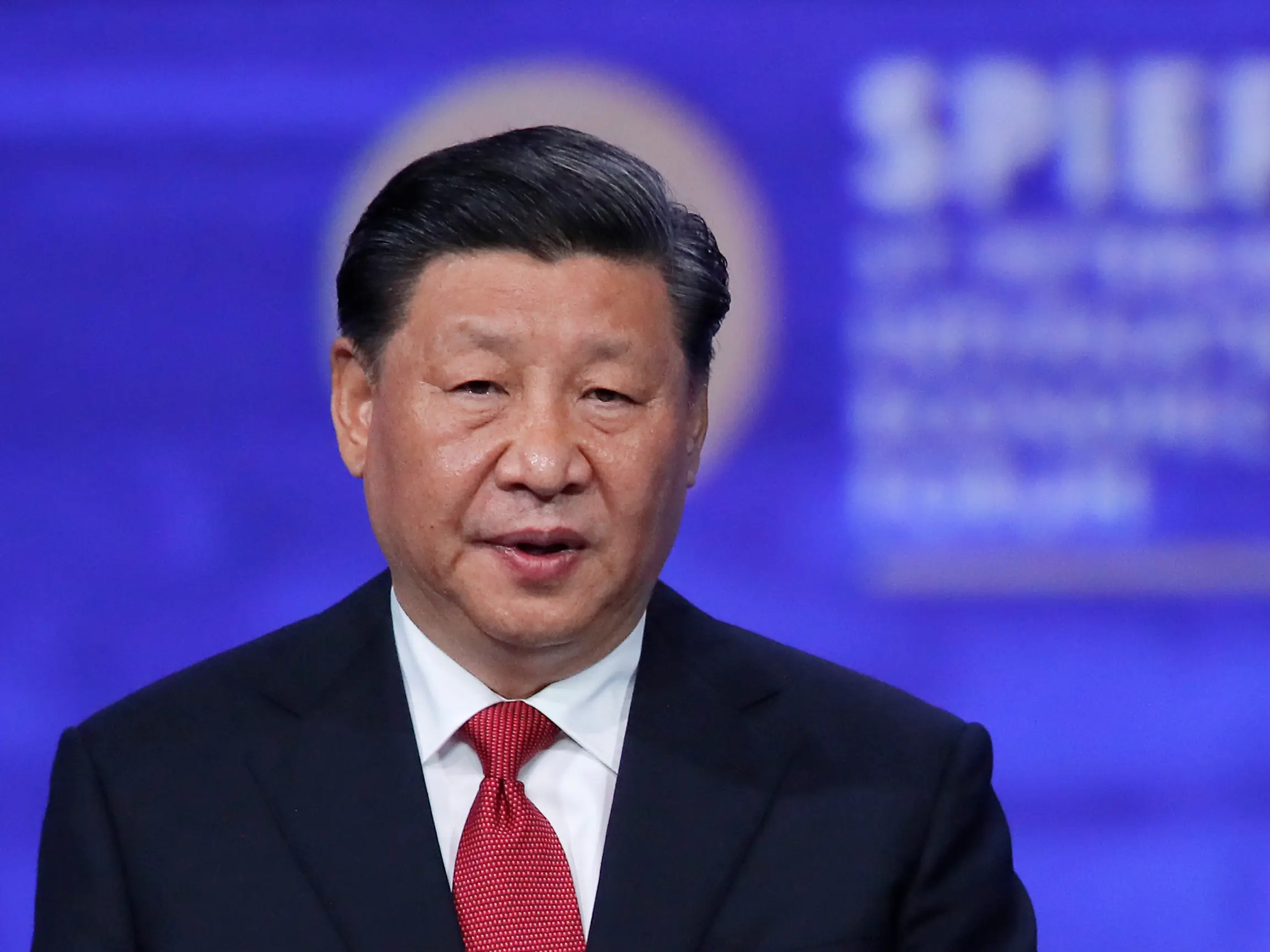
File photo of Chinese President Xi Jinping. Photograph: (ANI)
The sanctions encompass freezing the officials' assets in China, prohibiting Chinese organisations and individuals from engaging with them, and blocking their entry into mainland China, Hong Kong and Macau.
The Chinese government is continuously using targeted sanctions against foreign officials to pressure Taiwan’s diplomatic allies, restricting the self-governed island’s international space. Beijing's move indicates the Chinese Communist Party's (CCP) direct target on foreign officials. This comes after Beijing launched sanctions against Paraguay’s Communications Minister Gustavo Villate and Belize’s Foreign Minister Francis Fonseca on October 12 over their support for Taiwan, according to several media reports.
The sanctions encompass freezing the officials' assets in China, prohibiting Chinese organisations and individuals from engaging with them, and blocking their entry into mainland China, Hong Kong and Macau. This marks the first instance of Beijing directly targeting sitting cabinet members from nations that hold formal diplomatic ties with Taiwan, which currently counts 12 diplomatic allies, largely concentrated in the Pacific, Latin America and the Caribbean.
Future diplomatic recognition
Hung Pu-chao, who heads the Centre for Global Strategy and Democratic Resilience at the University of Taipei, said Beijing was effectively converting sovereign foreign policy choices into personal legal liabilities for individual officials. While the sanctions are unlikely to carry significant economic weight for the two ministers, Hung noted that their narrowly targeted nature lets China contain diplomatic fallout while still leaving the door open for securing future diplomatic recognition from their respective countries.
Huang Kwei-bo, a professor at Taiwan’s National Chengchi University, suggested Beijing singled out the ministers because their comments went further than standard expressions of support for Taiwan. He pointed out that Paraguay’s minister had invoked the Taiwanese people’s right to self-determination, while Belize’s foreign minister had characterised Taiwan as a nation embracing democracy, development and innovation.
Trending Stories
&imwidth=280&imheight=210&format=webp&quality=medium)
&imwidth=280&imheight=210&format=webp&quality=medium)
&imwidth=280&imheight=210&format=webp&quality=medium)
&im=FitAndFill=(700,400)&imwidth=280&imheight=210&format=webp&quality=medium)
&imwidth=280&imheight=210&format=webp&quality=medium)
&imwidth=280&imheight=210&format=webp&quality=medium)
&imwidth=280&imheight=210&format=webp&quality=medium)
&imwidth=280&imheight=210&format=webp&quality=medium)
&imwidth=280&imheight=210&format=webp&quality=medium)
&imwidth=280&imheight=210&format=webp&quality=medium)
&imwidth=280&imheight=210&format=webp&quality=medium)
&imwidth=280&imheight=210&format=webp&quality=medium)
&imwidth=280&imheight=210&format=webp&quality=medium)
&imwidth=280&imheight=210&format=webp&quality=medium)
&imwidth=280&imheight=210&format=webp&quality=medium)
&imwidth=280&imheight=210&format=webp&quality=medium)
&imwidth=280&imheight=210&format=webp&quality=medium)
&imwidth=280&imheight=210&format=webp&quality=medium)
&imwidth=280&imheight=210&format=webp&quality=medium)
&imwidth=280&imheight=210&format=webp&quality=medium)
&im=FitAndFill=(700,400)&imwidth=280&imheight=210&format=webp&quality=medium)
&imwidth=280&imheight=210&format=webp&quality=medium)
&imwidth=280&imheight=210&format=webp&quality=medium)
&imwidth=280&imheight=210&format=webp&quality=medium)

&imwidth=280&imheight=210&format=webp&quality=medium)
&imwidth=280&imheight=210&format=webp&quality=medium)
&imwidth=280&imheight=210&format=webp&quality=medium)
&imwidth=280&imheight=210&format=webp&quality=medium)
&imwidth=280&imheight=210&format=webp&quality=medium)
&im=FitAndFill=(700,400)&imwidth=280&imheight=210&format=webp&quality=medium)
&imwidth=280&imheight=210&format=webp&quality=medium)

On October 13, the United States condemned the sanctions. US State Department spokesperson Tommy Pigott said the Trump administration rejected China’s coercive and aggressive conduct toward countries exercising their sovereign rights. Taiwan’s Foreign Ministry similarly criticised the measures, calling them an intrusion into other nations’ sovereignty and foreign policy.

