
&imwidth=800&imheight=600&format=webp&quality=medium "Bangladesh election 2026: Counting women beyond the reserved seats")
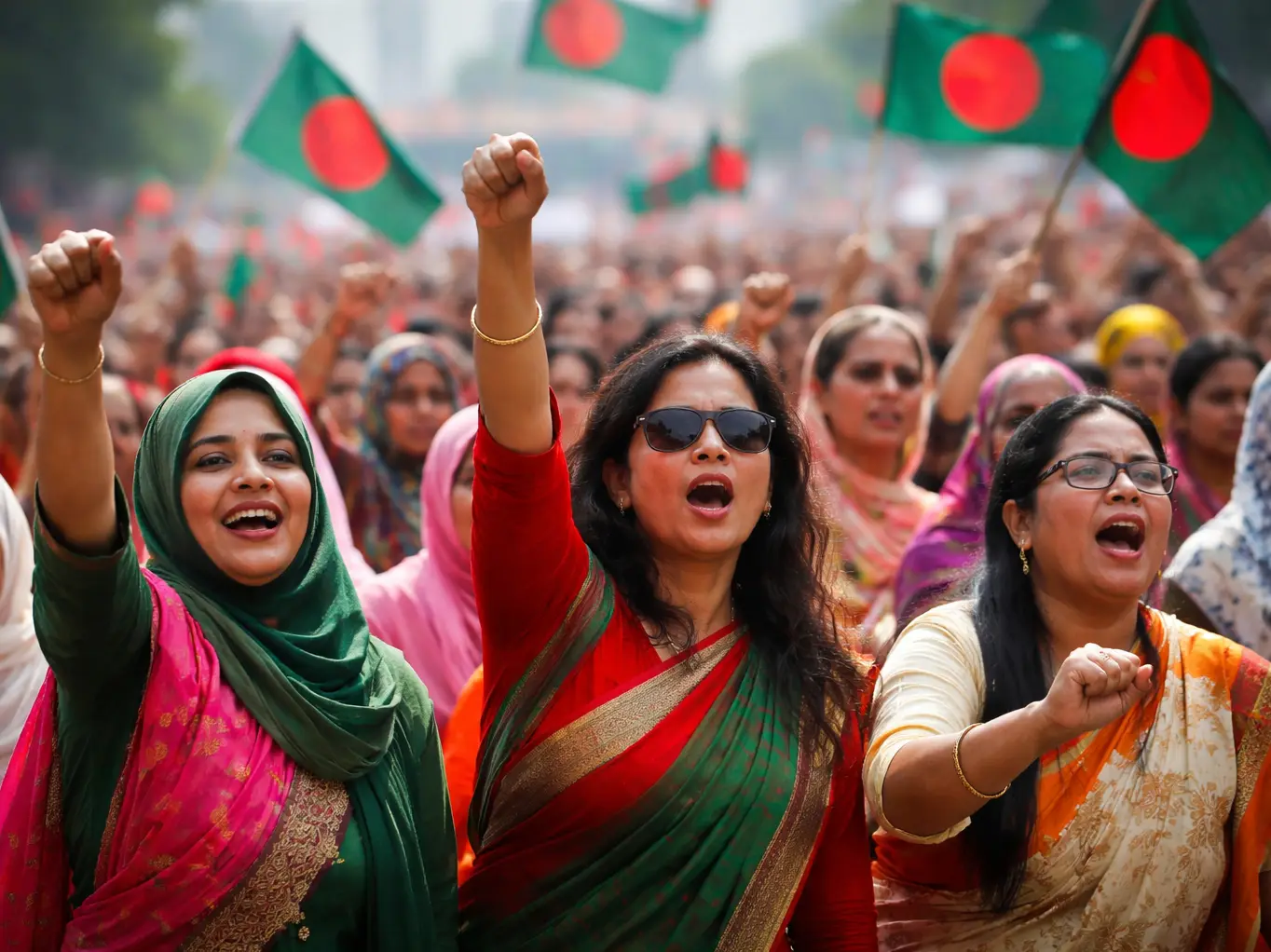
Bangladesh is all set to go to the polls on Thursday (Feb 12). This would be the first election after the ouster of Sheikh Hasina in August 2024. Ahead of the polls, women's political representation has become the centre of the debate. The Jatiya Sangsad (National Parliament) consists of 350 seats, of which 300 are directly elected constituencies and 50 are reserved for women and allocated proportionally to parties after the general election results — a long-standing mechanism designed to increase women’s representation. Despite the quota, the actual presence of women in competitive politics remains strikingly low.
According to official Election Commission data, of the 2,568 candidates contesting 300 direct seats, only 109, which is about 4.2 per cent, were women, and 30 of the 51 registered parties had no female candidates at all. Another report puts the figure even lower, with only 76 women candidates in the general contest, showing a near-erasure of female electoral presence.
A National Consensus Commission process has seen proposals to increase women’s reserved seats from 50 to 100, with parties still debating whether these should be filled by nomination or direct elections. Other organisations — including coalitions of women’s rights groups — have pressed for 150 reserved seats filled through direct vote, arguing that this would strengthen women’s role and democratic legitimacy.

Advocates also point to the “July Charter” draft, which would require parties to nominate at least 5 per cent women candidates in every election, aiming to reach 33 per cent female representation over time.
3 factors could make or break the polls this year
Trending Stories
&im=FitAndFill=(700,400))
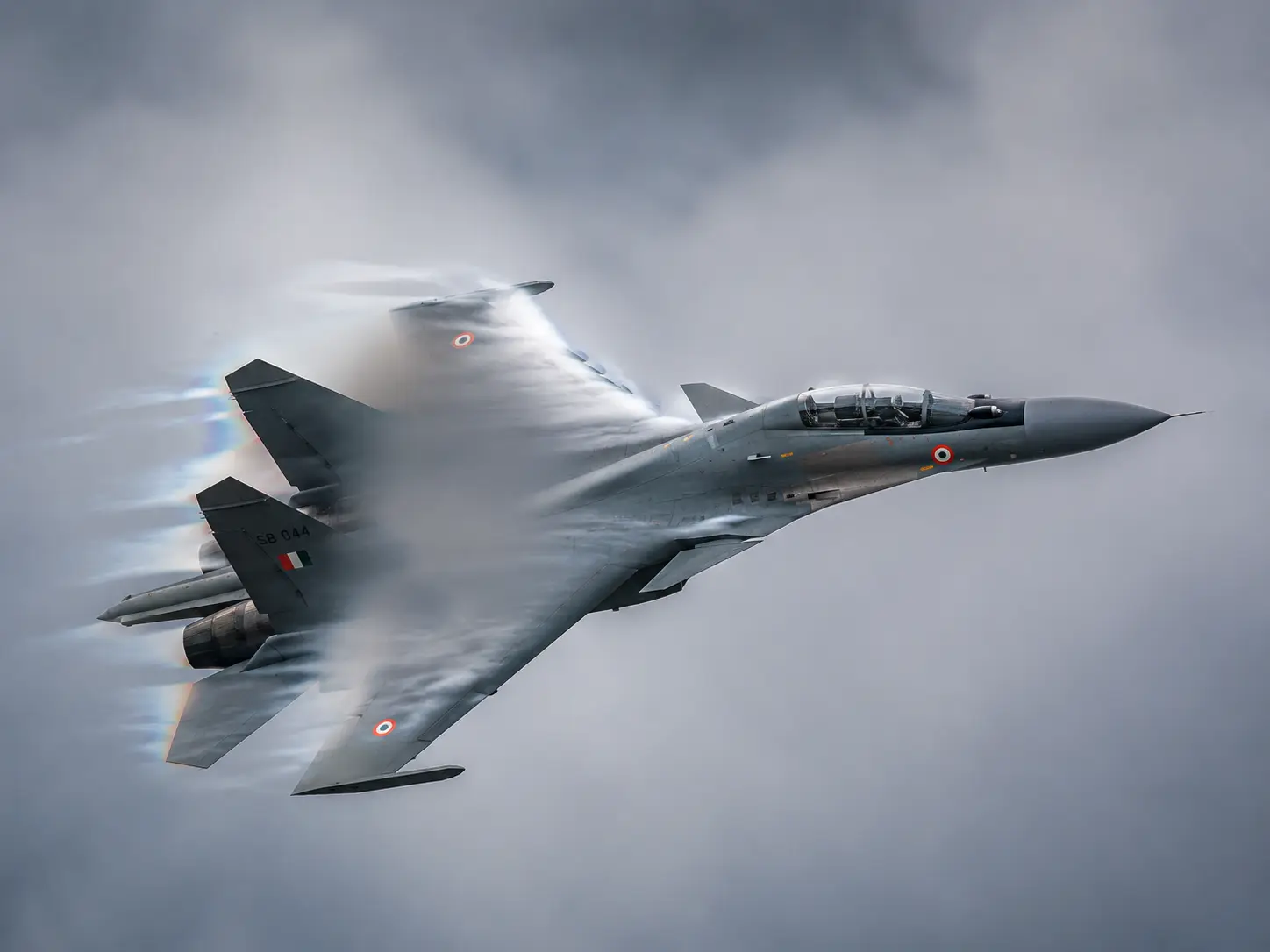
How fast can the Sukhoi Su-30 fighter jet really fly?
)
Did China ask its people 'not to respond to aliens'? Origin of bizarre claim on social media
)
MS Dhoni-CSK Fallout? Report claims failed stake sale talks triggered rift
)
Scientists reveal the SAFEST COUNTRY when catastrophe strikes the planet
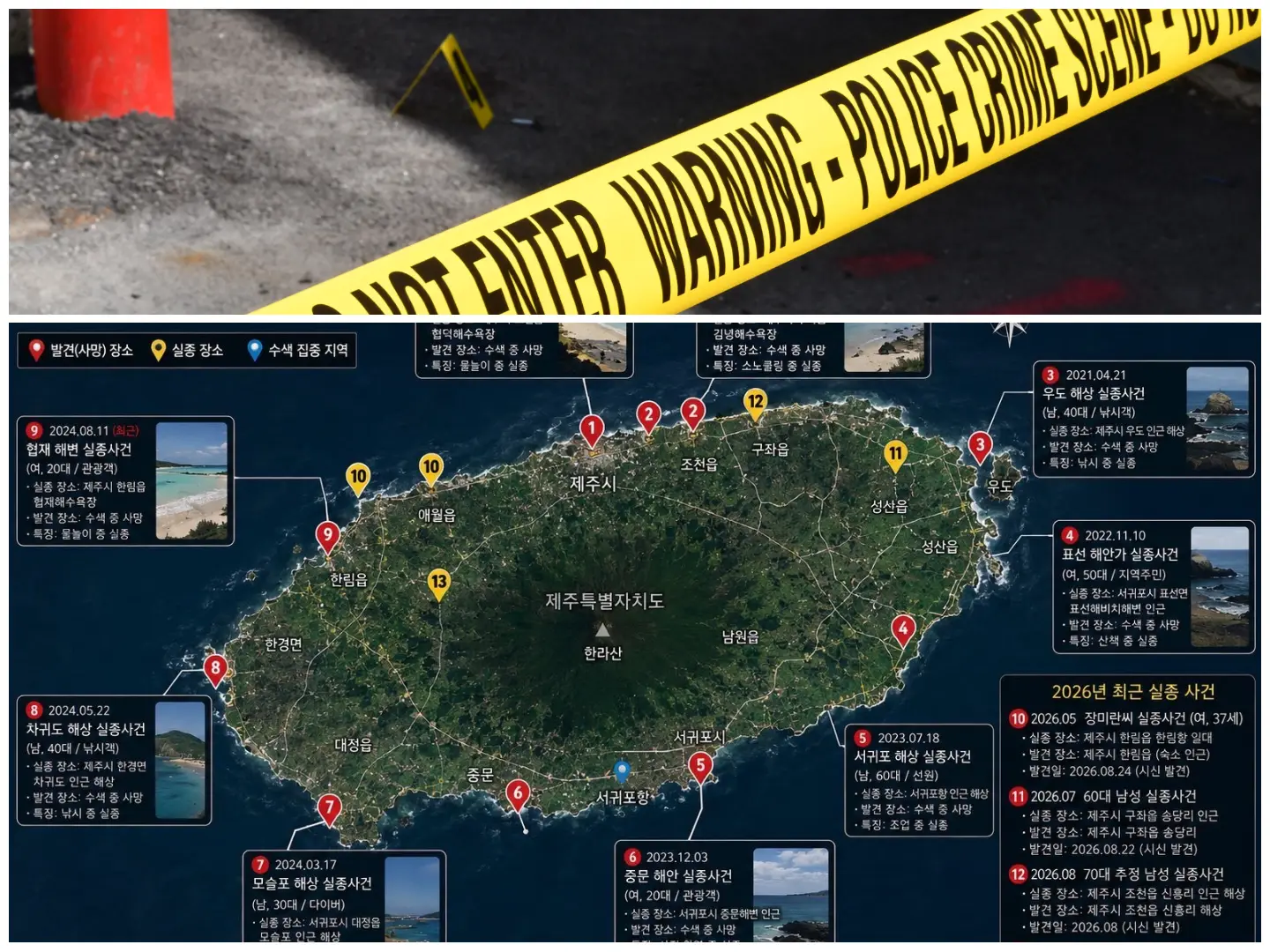)
Serial killer on the loose in South Korea's Jeju Island? Fourth body found in three days as more than a dozen people go missing
)
2/3rd of glacier detached, collapsed: ISRO satellite images reveal what triggered Nepal floods
)
Trump once again claims without him there would be ‘no Israel right now’
)
Foreign espionage attacks against German companies surge to 37%, Bitkom report reveals
)
Blake Lively wins partial legal fee from Justin Baldoni after $8M request
)
Why is Pakistan deploying Turkish Bayraktar TB2 drones near India border?
)
'OH MY GOD! We've found other agents!': Investigators discover not one or two, almost 700 OpenAI AI agents went rogue, hacked Hugging Face
)
Lunar eclipse 2026: India timings, places to see and more. August Blood moon factsheet
)
RSS chief Mohan Bhagwat on global outreach tour
)
Both pilots killed as training aircraft crashes in Lucknow – What we know
)
16-year-old charged with preparing terror attack on kindergarten in Norway
&im=FitAndFill=(700,400))
How the S-400 protects itself from enemy attacks
)
Nepal floods: Over 165 dead, 400 missing; US, India, China, World Bank mobilise aid
)
India's multi-layered watch: The new surveillance war
)
5 doomsday planes spotted in US skies hours after CIA director's secret trip to Russia
)
9/11 mastermind Khalid Sheikh Mohammed to finally face trial in 2028, nearly 27 years after horrific attacks
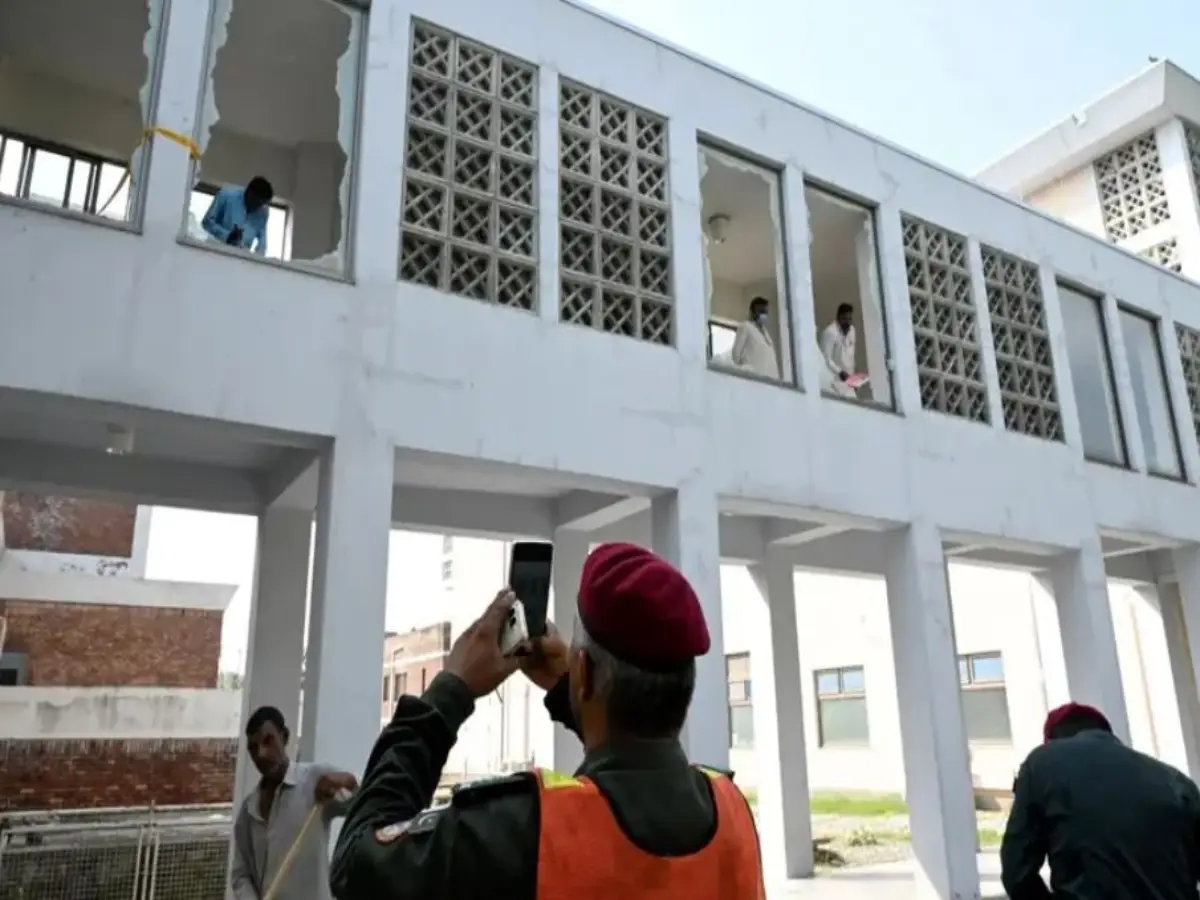)
Islamabad hospital fire: What we know about one of the biggest facility that housed Imran Khan
)
Workers run for life while filming Nepal flash flood: Scary new visuals emerge from Rasuwa
)
Russian military planes enter South Korean air defence zone amid rising tensions with North Korea: What's happening
)
Ron Weasley Is Back! Rupert Grint set to return to Harry Potter universe on Broadway
)
400-year-old 'vampire' grave in Poland reveals non-existent genetic lineage
)
Dolly Parton, global icon and queen of country music, dies at 80
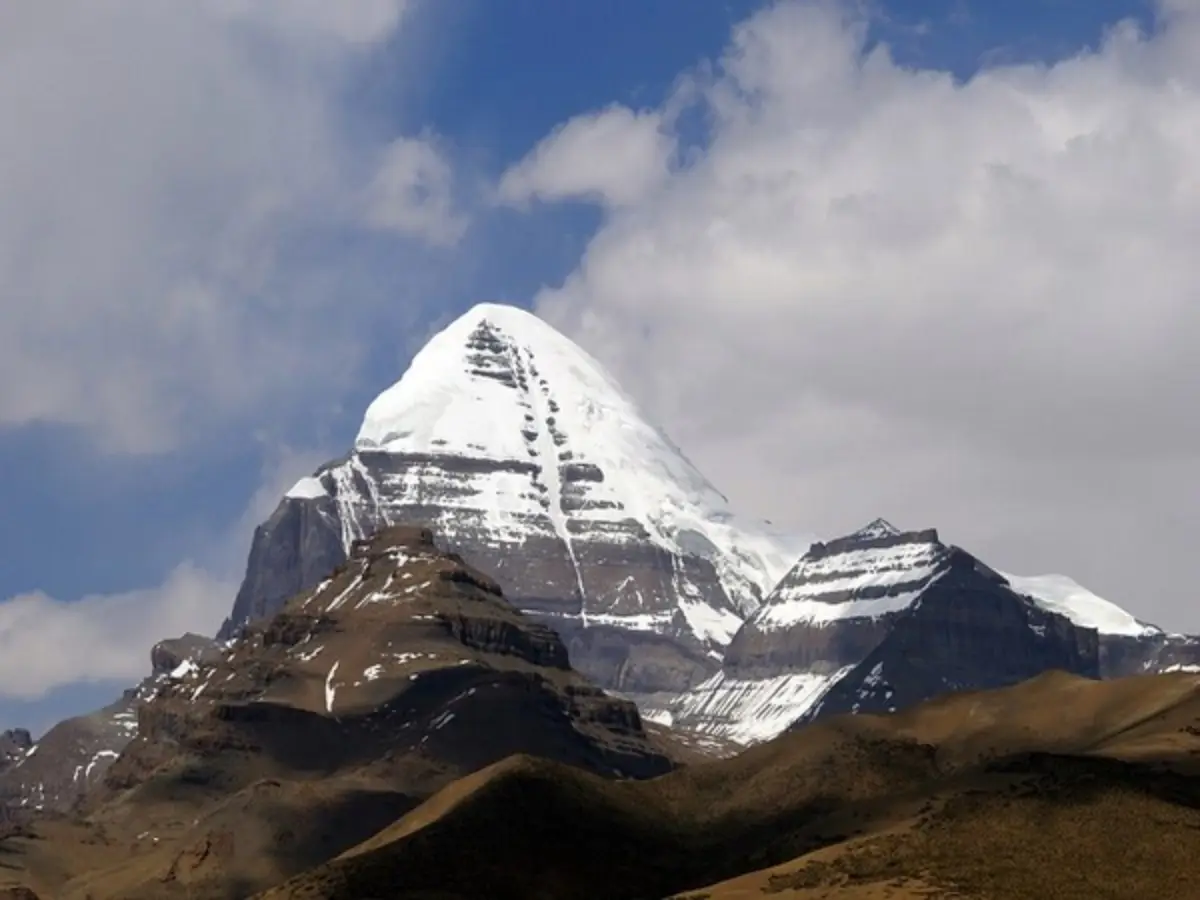)
Nepal flash floods: Kailash Mansarovar yatra affected, close to 400 pilgrims out of contact
)
'If he is dead, they're putting on a pretty good show': Trump casts fresh doubt over Mojtaba Khamenei's fate
)
Man arrested near US Capitol with guillotine in pickup truck: What happened?
&im=FitAndFill=(700,400))
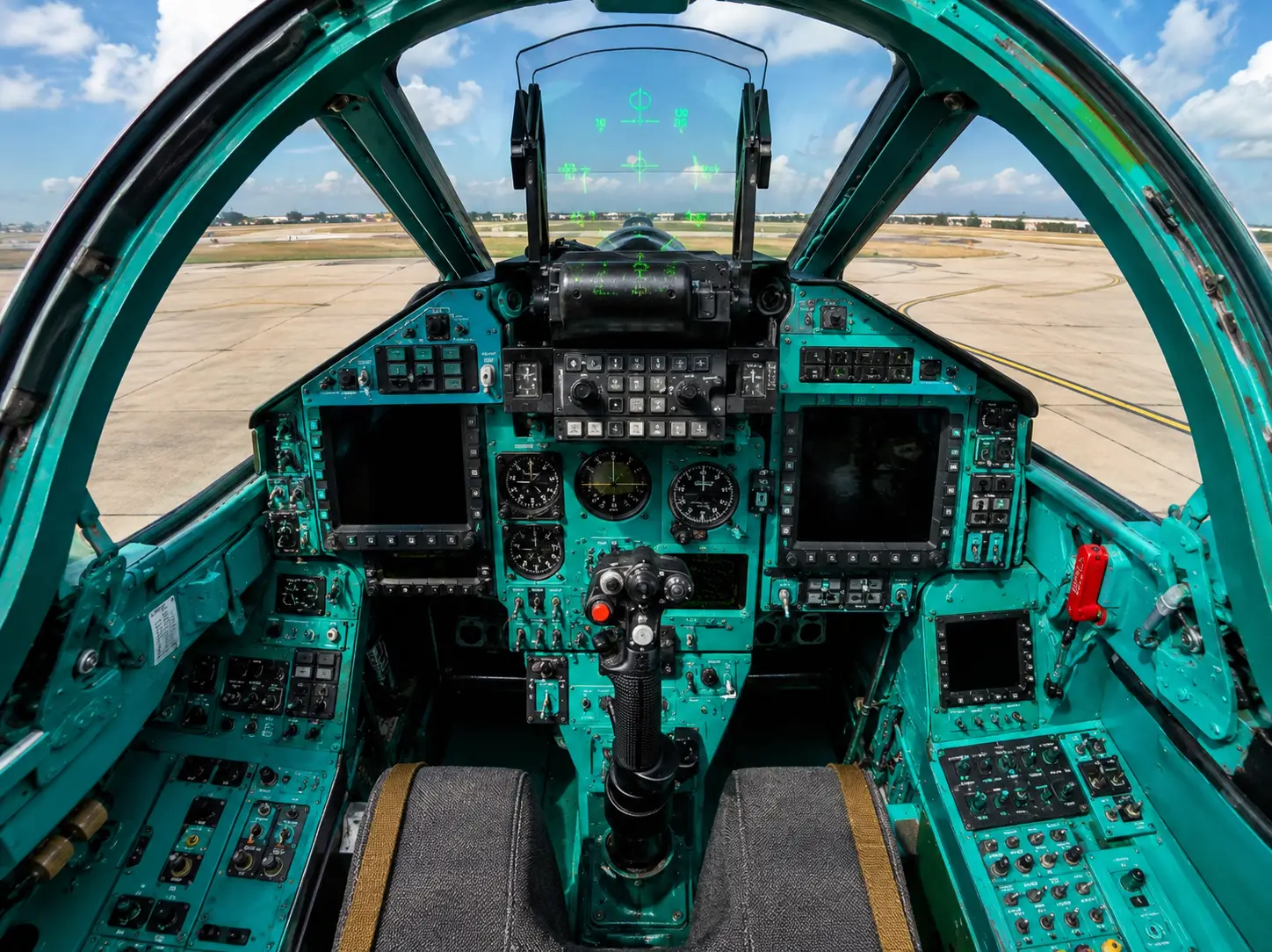
Why the Su-30MKI cockpit is painted bright turquoise green
This election will decide the fate of the July Charter, a proposal that seeks to alter the Constitution in letter and spirit. The Tarique Rahman-led Bangladesh Nationalist Party (BNP) was reported as the frontrunner ahead of the polls. But Shafiqur Rahman-led Jamaat-e-Islami also has good chances of changing the game.
This poll is also being held without Sheikh Hasina's banned Awami League. As per multiple reports, the party still holds 30-40 per cent of the support. Amid all the tensions, 3 major factors can flip the script of the Bangladesh poll.
Voters undecided
There are two sections of voters in this poll: One is the 30-40 per cent of Bangladeshis who are supporters of Awami League, and the other is the larger section, which is undecided. In a November 2025 survey by the International Republican Institute (IRI), it was found that 7 per cent of voters were undecided and 11 per cent declined to reveal their voting plans. Meanwhile, as per a December 2025 nationwide survey published by Prothom Alo in January, around 17 per cent of voters said they were not sure who they would vote for as their next PM.
Moreover, an August 2025 survey by the Dhaka-based think tank Brac Institute of Governance and Development found that 48.5 per cent of respondents were undecided about their choice. "Opinion polls suggest the BNP has an edge, but we must remember that a significant portion of voters are still undecided," Parvez Karim Abbasi, executive director at Dhaka's Centre for Governance Studies, told news agency Reuters.

