

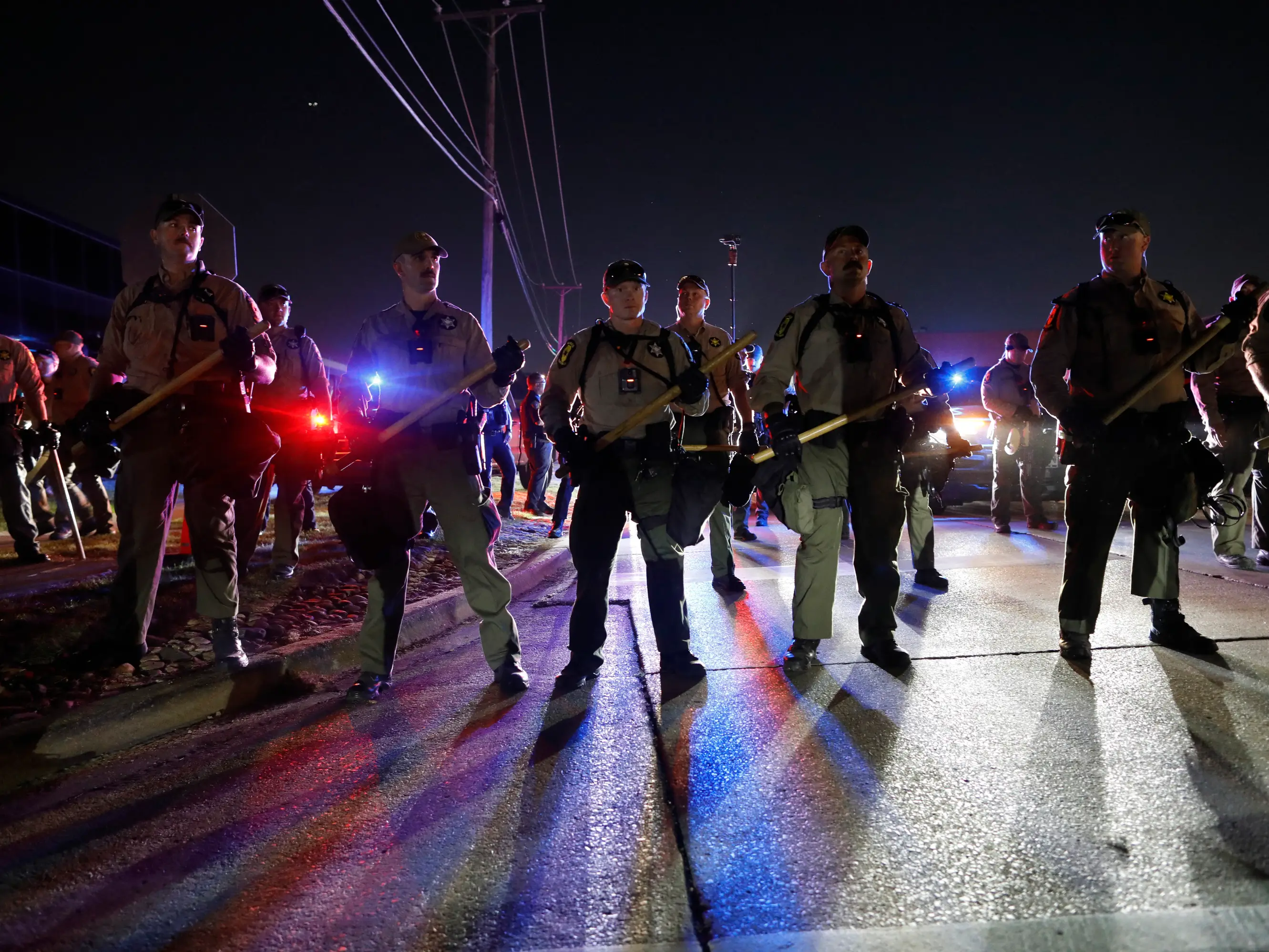
&imwidth=800&imheight=600&format=webp&quality=medium "Anti-ICE protests: What is the Insurrection Act, and why is US President Donald Trump talking about it? Know all about it")
Amid ongoing protests in cities like Portland, Oregon, President Donald Trump has increasingly discussed the possibility of invoking the Insurrection Act. This law grants the president authority to deploy federal troops within the United States during times of civil unrest, but its use has sparked significant debate.
What is the Insurrection Act?
The Insurrection Act is a law passed in 1792 that allows the US President to deploy the military within the United States to address civil unrest, insurrection, or rebellion. The law gives the president the power to send federal troops to suppress violent protests or unrest, especially in cases where local authorities are unable to maintain order or enforce federal law. The Insurrection Act operates alongside the Posse Comitatus Act (1878), which generally restricts the use of military forces inside the US against its citizens. However, the Insurrection Act creates an exemption, granting the president special authority in situations that threaten public safety, federal authority, or national security.
Can the president invoke the Insurrection Act?
Yes, the president has the power to invoke the Insurrection Act, but the process can vary depending on the situation. Typically, the act is invoked when a state governor or state legislature requests federal assistance. This was the case in 1992 when California’s Governor Pete Wilson requested federal help to manage the violent Los Angeles riots. President George HW Bush then deployed federal troops to restore order.
However, the Insurrection Act also allows the president to bypass state authorities if the situation becomes dire enough. For instance, if there is widespread “unlawful obstruction” or “rebellion” against federal authority, the President may invoke the act to send troops, even if state or local leaders oppose such intervention. In other words, the President has the discretion to deploy military forces without local consent if the law requires it. In recent remarks, Trump has suggested that he could invoke the Insurrection Act in response to ongoing protests in cities like Portland. Trump has described these protests as an “insurrection” and has vowed to restore order, even if that means bypassing local governments.
Trending Stories
How does the Insurrection Act work?
The Insurrection Act authorises the president to call on the US military or National Guard to help enforce federal laws, maintain order, or suppress large-scale civil unrest. The law specifically comes into play when it is deemed impossible to enforce federal laws through the normal course of judicial proceedings. In essence, the president is granted emergency powers to use military forces when a crisis overwhelms local law enforcement and threatens public order. The use of troops is meant to restore stability and ensure that federal law is upheld, especially in cases where rebellion or violence undermines the functioning of government institutions.
Has the Insurrection Act been used before?
Yes, the Insurrection Act has been used on a few notable occasions, including during times of civil unrest or resistance to federal authority. One of the most famous instances occurred during the Civil Rights Movement. In 1957, President Dwight D Eisenhower invoked the Insurrection Act to send the 101st Airborne Division to Little Rock, Arkansas, to enforce the desegregation of public schools. This was in response to the state governor’s refusal to allow nine Black students to attend a previously all-white school.
Eisenhower’s intervention was pivotal in ensuring the Supreme Court's ruling in Brown v. Board of Education was enforced.
Similarly, President John F Kennedy used the Insurrection Act in 1962 to send federal marshals and troops to the University of Mississippi to enforce the desegregation of the school after violent resistance from local authorities and white supremacist groups. The most recent use of the Insurrection Act occurred in 1992, when President George H.W. Bush deployed federal forces to quell the Los Angeles riots following the acquittal of police officers involved in the beating of Rodney King. In this case, California's governor had requested federal help to restore order.
Trump’s consideration to use Insurrection Act amid protests
In 2020 and 2021, Donald Trump frequently referenced the possibility of invoking the Insurrection Act to respond to protests and civil unrest, particularly those related to police violence and racial injustice. Protests erupted in cities across the United States following the death of George Floyd, and Trump characterized many of the demonstrations as "violent" or "insurrectionary."
Trump has suggested that he could invoke the Insurrection Act to send federal troops into cities like Portland, where protests against Immigration and Customs Enforcement (ICE) and police brutality had been ongoing. He described the protests as “violent” and pledged to restore order, claiming the law gave him the authority to deploy federal troops without local consent.
What are the criticisms of using the Insurrection Act?
While the Insurrection Act is a powerful tool that allows the President to restore order during civil unrest, its use is often highly controversial. Critics of Trump’s potential use of the law argue that sending federal troops into cities could exacerbate tensions, escalate violence, and violate the civil liberties of American citizens. There are concerns that invoking the Insurrection Act could infringe upon states’ rights by overriding local authority and using federal military forces to manage issues traditionally handled by state and local law enforcement. Furthermore, opponents argue that the use of federal troops could stoke further unrest, potentially leading to an erosion of public trust in law enforcement and the federal government.
Can the president deploy troops without the Insurrection Act?
In some cases, the president can deploy federal troops without invoking the Insurrection Act, but this typically occurs when the federal government has a direct interest in maintaining control over certain areas, such as protecting federal property or enforcing federal law. However, the Insurrection Act provides a legal framework for the president to take more decisive and broader action in the event of large-scale civil disturbances. It allows the president to call on military resources to address widespread unrest, something that may be deemed necessary when local authorities are overwhelmed or unwilling to cooperate.

