10.6 million at risk: Pakistan among top 10 food crisis nations in world

&imwidth=600&imheight=450&format=webp&quality=medium "10.6 million at risk: Pakistan among top 10 food crisis nations in world")
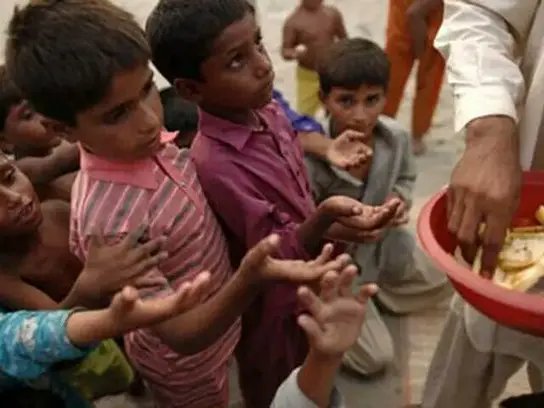
Representative image. Photograph: (X/@HaqikatEpa)
The report suggests that nearly 10.6 million people in Pakistan will require humanitarian assistance in 2026. The report titled 'Ten Largest Global Food Crises' was released in the run-up to World Food Day.
Pakistan continues to rank among the ten nations grappling with the world’s most severe food crises, as entrenched poverty, climate-related disasters and shrinking humanitarian aid leave millions unable to access adequate nutrition, according to a report from international humanitarian organisation Action Against Hunger.
The report suggests that nearly 10.6 million people in Pakistan will require humanitarian assistance in 2026. The report titled 'Ten Largest Global Food Crises' was released in the run-up to World Food Day. The warning comes even as the country sees ongoing recovery efforts and improvements in certain economic indicators, underscoring the gap between macroeconomic progress and realities faced by vulnerable households.
Around 177 million people in the world live in the 10 nations where a large number of people face hunger. Over the past decade, acute hunger has doubled, affecting nearly 266 million people across 47 countries. Countries including Nigeria, the Democratic Republic of Congo, Sudan, Yemen, Afghanistan, Myanmar, Bangladesh, Pakistan, South Sudan and Syria are experiencing the largest food crises.
Also read: US lawmaker Pramila Jaypal writes to Rubio, urges to raise handling of CJP protest with India
Soaring food prices in Pakistan
Within Pakistan, soaring food prices, rising living costs, joblessness, shrinking household earnings and broader economic instability have eroded families’ purchasing power for basic food needs. Poor agricultural pricing has compounded the strain on livelihoods, hitting low-income communities hardest. As humanitarian funding continues to lag behind rising demand, many families are being forced to skip meals, sell off income-generating assets and withdraw children from school to cope with mounting financial pressure.
Trending Stories
&imwidth=280&imheight=210&format=webp&quality=medium)
&imwidth=280&imheight=210&format=webp&quality=medium)
&imwidth=280&imheight=210&format=webp&quality=medium)
&imwidth=280&imheight=210&format=webp&quality=medium)
&imwidth=280&imheight=210&format=webp&quality=medium)
&imwidth=280&imheight=210&format=webp&quality=medium)
&imwidth=280&imheight=210&format=webp&quality=medium)
&imwidth=280&imheight=210&format=webp&quality=medium)

&imwidth=280&imheight=210&format=webp&quality=medium)
&imwidth=280&imheight=210&format=webp&quality=medium)
&imwidth=280&imheight=210&format=webp&quality=medium)
&imwidth=280&imheight=210&format=webp&quality=medium)
&imwidth=280&imheight=210&format=webp&quality=medium)
&imwidth=280&imheight=210&format=webp&quality=medium)
&im=FitAndFill=(700,400)&imwidth=280&imheight=210&format=webp&quality=medium)
&imwidth=280&imheight=210&format=webp&quality=medium)
&imwidth=280&imheight=210&format=webp&quality=medium)
&imwidth=280&imheight=210&format=webp&quality=medium)
&imwidth=280&imheight=210&format=webp&quality=medium)
&imwidth=280&imheight=210&format=webp&quality=medium)
&imwidth=280&imheight=210&format=webp&quality=medium)
&imwidth=280&imheight=210&format=webp&quality=medium)
&imwidth=280&imheight=210&format=webp&quality=medium)
&im=FitAndFill=(700,400)&imwidth=280&imheight=210&format=webp&quality=medium)
&imwidth=280&imheight=210&format=webp&quality=medium)
&imwidth=280&imheight=210&format=webp&quality=medium)
&im=FitAndFill=(700,400)&imwidth=280&imheight=210&format=webp&quality=medium)
&imwidth=280&imheight=210&format=webp&quality=medium)
&imwidth=280&imheight=210&format=webp&quality=medium)
&imwidth=280&imheight=210&format=webp&quality=medium)

&imwidth=280&imheight=210&format=webp&quality=medium)
However, such measures may not work as a long-term solution because, in the end, people will continue to witness worsening poverty, malnutrition and educational deprivation, while undermining households’ ability to withstand future crises until permanent solutions are found. The situation is also worsened by inadequate access to healthcare, nutrition programmes, clean drinking water, sanitation and social protection, especially in rural and disaster-hit areas.

