'We will not be intimidated by threats': Australia's social media ban sparks constitutional fight from teenagers

&imwidth=600&imheight=450&format=webp&quality=medium "'We will not be intimidated by threats': Australia's social media ban sparks constitutional fight from teenagers")
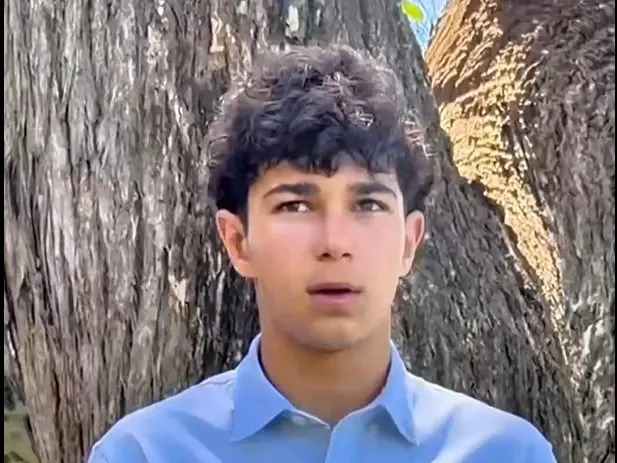
Noah Jones Photograph: (X (@thedfp_au))
Two teenagers are challenging Australia's new law banning under-16s from social media, arguing it violates their rights to free communication and connection
Australia’s groundbreaking law prohibiting children under the age of 16 from using social media is now facing a challenge in the country's top court. The case has been brought by two teenagers, Noah Jones and Macy Neyland, who argue that the law is unconstitutional, claiming it infringes on their right to free communication. Set to take effect on December 10, the law mandates that social media platforms like Meta, TikTok, and YouTube prevent anyone under 16 from creating accounts. Supporters of the ban, including the government, argue that it is a necessary step to shield children from harmful content and predatory algorithms online.
However, Jones and Neyland, both 15, with support from the Digital Freedom Project (DFP), contend that the law violates the rights of young people, particularly by stifling their ability to engage in online communication. Neyland expressed her concern, comparing the policy to George Orwell's 1984, highlighting fears about government overreach and censorship. The government, however, remains steadfast in its position. Communications minister Anika Wells asserted that legal challenges would not deter them from enforcing the ban, framing it as a matter of protecting children from online dangers.
"We shouldn't be silenced. It's like Orwell's book 1984, and that scares me," Macy Neyland said in a statement. "We will not be intimidated by threats. We will not be intimidated by legal challenges. We will not be intimidated by big tech. On behalf of Australian parents, we will stand firm," she added.
The DFP’s challenge, filed in the high court, argues that the policy unjustly limits teenagers' ability to engage in political and social discourse. They also believe alternative approaches, like improving digital literacy, enforcing age-appropriate platform features, and implementing privacy-centric age-assurance technologies, would better address online safety concerns. Jones criticised the government's approach as overly simplistic, insisting that rather than silencing young people, safeguards should be put in place to protect them while allowing continued access to digital spaces.
Though most Australians support the ban, some experts caution that it could isolate vulnerable young people, particularly those in marginalised communities such as those with disabilities, from vital online networks. Others worry the ban might push youth to even more unregulated corners of the internet. Google, which owns YouTube, is also reportedly considering challenging the policy on constitutional grounds.
&imwidth=280&imheight=210&format=webp&quality=medium)
&imwidth=280&imheight=210&format=webp&quality=medium)
&imwidth=280&imheight=210&format=webp&quality=medium)
&imwidth=280&imheight=210&format=webp&quality=medium)
&imwidth=280&imheight=210&format=webp&quality=medium)
&imwidth=280&imheight=210&format=webp&quality=medium)
&imwidth=280&imheight=210&format=webp&quality=medium)
&imwidth=280&imheight=210&format=webp&quality=medium)
&imwidth=280&imheight=210&format=webp&quality=medium)
&imwidth=280&imheight=210&format=webp&quality=medium)
&imwidth=280&imheight=210&format=webp&quality=medium)
&imwidth=280&imheight=210&format=webp&quality=medium)
&imwidth=280&imheight=210&format=webp&quality=medium)
&imwidth=280&imheight=210&format=webp&quality=medium)
&imwidth=280&imheight=210&format=webp&quality=medium)
&imwidth=280&imheight=210&format=webp&quality=medium)
&imwidth=280&imheight=210&format=webp&quality=medium)
&imwidth=280&imheight=210&format=webp&quality=medium)
&imwidth=280&imheight=210&format=webp&quality=medium)
&imwidth=280&imheight=210&format=webp&quality=medium)
&imwidth=280&imheight=210&format=webp&quality=medium)
&imwidth=280&imheight=210&format=webp&quality=medium)
&imwidth=280&imheight=210&format=webp&quality=medium)
&imwidth=280&imheight=210&format=webp&quality=medium)
&imwidth=280&imheight=210&format=webp&quality=medium)
&imwidth=280&imheight=210&format=webp&quality=medium)
&imwidth=280&imheight=210&format=webp&quality=medium)
&im=FitAndFill=(700,400)&imwidth=280&imheight=210&format=webp&quality=medium)
&imwidth=280&imheight=210&format=webp&quality=medium)
&imwidth=280&imheight=210&format=webp&quality=medium)
&im=FitAndFill=(700,400)&imwidth=280&imheight=210&format=webp&quality=medium)
&imwidth=280&imheight=210&format=webp&quality=medium)
&imwidth=280&imheight=210&format=webp&quality=medium)
&imwidth=280&imheight=210&format=webp&quality=medium)
&imwidth=280&imheight=210&format=webp&quality=medium)

