‘We are open to offer’: Somaliland willing to give minerals, military bases to US

&imwidth=600&imheight=450&format=webp&quality=medium "‘We are open to offer’: Somaliland willing to give minerals, military bases to US")
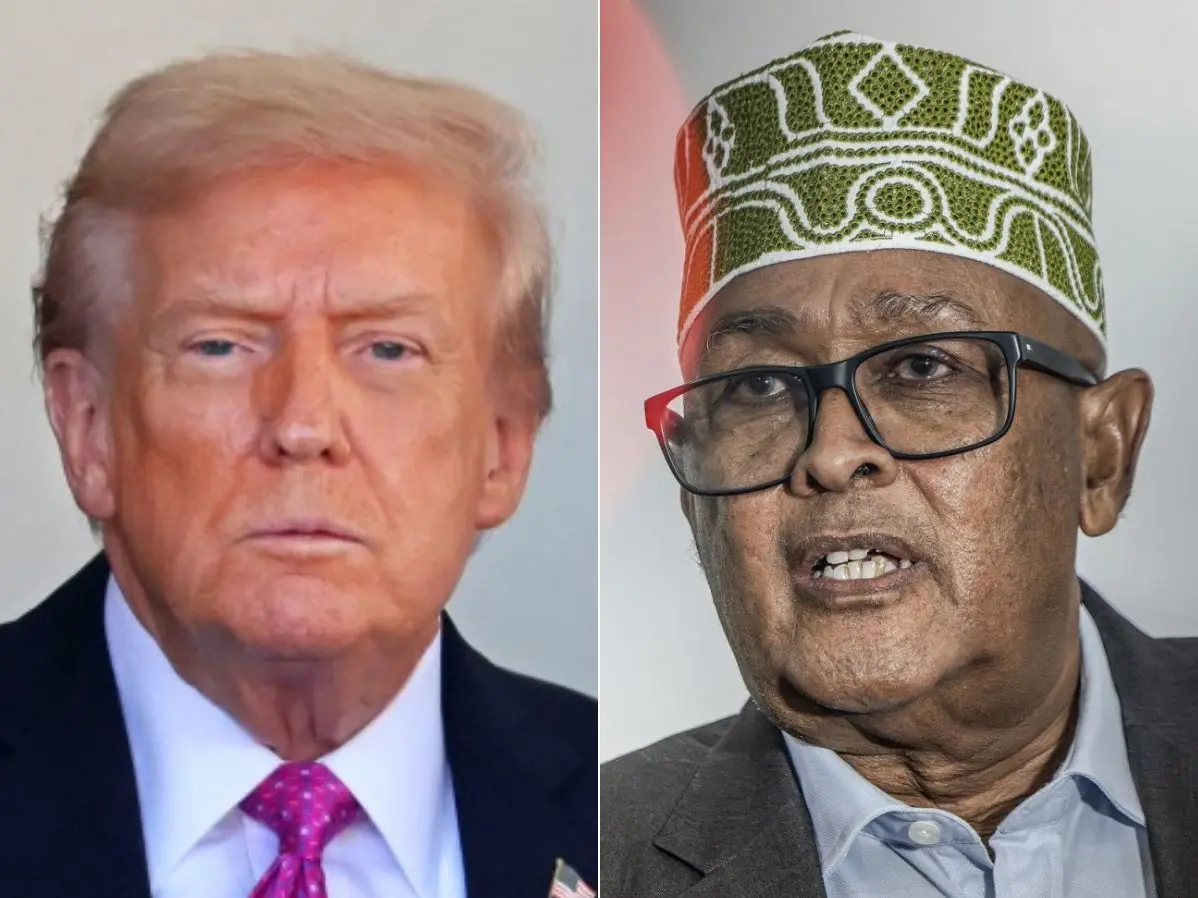
US President Donald Trump and Somaliland’s President Abdirahman Mohamed Abdullahi Photograph: (AFP)
Somaliland offered the US exclusive mineral access and military bases, seeking recognition. Somalia and the African Union oppose its independence, while Israel recently recognised the breakaway region.
Somaliland is willing to offer its minerals and military bases to the United States. The breakaway region of Somalia has been seeing international recognition since declaring its autonomy from Somalia in 1991. Khadar Hussein Abdi, minister of the presidency, said that their government believes they will agree on something with the US President Donald Trump’s administration.
“We are willing to give exclusive (access to our minerals) to the United States. Also, we are open to offer military bases to the United States,” Abdi told AFP. “We believe that we will agree on something with the United States.”
The Somalian government still considers the territory an “integral part” of Somalia even though it has had its autonomous affairs since 1991, with its own currency, passport, army, and police force.
Last year in December, Israel became the first nation in the world to recognise Somaliland’s independence, signing a joint declaration with Somaliland’s President Abdirahman Mohamed Abdullahi to establish full diplomatic ties with the country “in the spirit of the Abrahamic Accords”.
Somaliland officials have said that the territory, which lies across the Gulf of Aden from Yemen, has natural resources, including lithium, coltan and other sought-after materials.
In recent weeks, Somaliland president has suggested granting Israel access to its minerals. Abdi also suggested the possibility of allowing Israel to set up military presence in the territory.
Trending Stories
&imwidth=280&imheight=210&format=webp&quality=medium)
&im=FitAndFill=(700,400)&imwidth=280&imheight=210&format=webp&quality=medium)
&imwidth=280&imheight=210&format=webp&quality=medium)
&imwidth=280&imheight=210&format=webp&quality=medium)
&imwidth=280&imheight=210&format=webp&quality=medium)
&imwidth=280&imheight=210&format=webp&quality=medium)
&imwidth=280&imheight=210&format=webp&quality=medium)
&imwidth=280&imheight=210&format=webp&quality=medium)
&imwidth=280&imheight=210&format=webp&quality=medium)
&imwidth=280&imheight=210&format=webp&quality=medium)
&imwidth=280&imheight=210&format=webp&quality=medium)
&imwidth=280&imheight=210&format=webp&quality=medium)
&im=FitAndFill=(700,400)&imwidth=280&imheight=210&format=webp&quality=medium)
&imwidth=280&imheight=210&format=webp&quality=medium)
&imwidth=280&imheight=210&format=webp&quality=medium)
&imwidth=280&imheight=210&format=webp&quality=medium)
&imwidth=280&imheight=210&format=webp&quality=medium)
&imwidth=280&imheight=210&format=webp&quality=medium)
&imwidth=280&imheight=210&format=webp&quality=medium)
&imwidth=280&imheight=210&format=webp&quality=medium)
&imwidth=280&imheight=210&format=webp&quality=medium)
&imwidth=280&imheight=210&format=webp&quality=medium)
&imwidth=280&imheight=210&format=webp&quality=medium)
&im=FitAndFill=(700,400)&imwidth=280&imheight=210&format=webp&quality=medium)
&imwidth=280&imheight=210&format=webp&quality=medium)
&imwidth=280&imheight=210&format=webp&quality=medium)
&imwidth=280&imheight=210&format=webp&quality=medium)
&imwidth=280&imheight=210&format=webp&quality=medium)
&imwidth=280&imheight=210&format=webp&quality=medium)
&imwidth=280&imheight=210&format=webp&quality=medium)
&imwidth=280&imheight=210&format=webp&quality=medium)
&imwidth=280&imheight=210&format=webp&quality=medium)
&imwidth=280&imheight=210&format=webp&quality=medium)
&imwidth=280&imheight=210&format=webp&quality=medium)
&imwidth=280&imheight=210&format=webp&quality=medium)
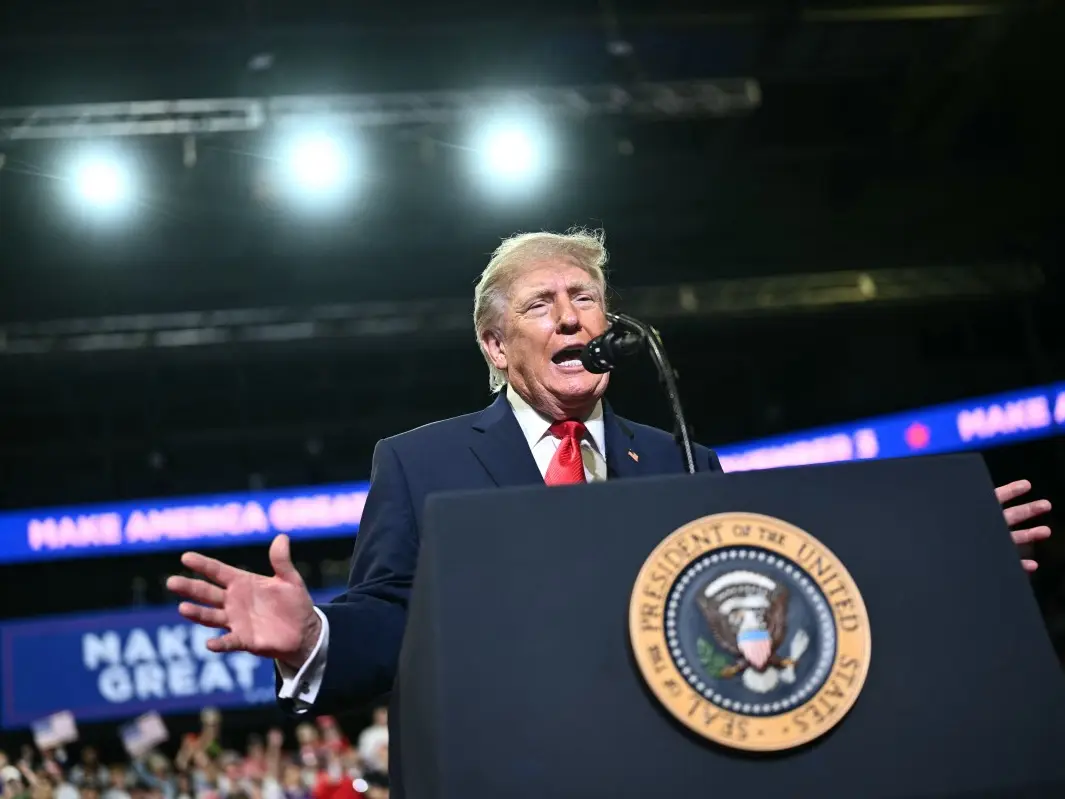
Following Israel’s recognition of the territory, Trump had suggested that he was not aware of the existence of the territory.
In an interview in December, Trump said, “Does anyone know what Somaliland is, really?”
Meanwhile, South African nations and Somalia have denounced Israeli recognition of Somaliland. Rejecting the move, the African Union (AU) said the decision risks “setting a dangerous precedent with far-reaching implications for peace and stability across the continent.”

