‘Tippy top’ defence vs taxpayers money? Trump shrugs off $200B Iran war bill as US burns $2B a day

&imwidth=600&imheight=450&format=webp&quality=medium "‘Tippy top’ defence vs taxpayers money? Trump shrugs off $200B Iran war bill as US burns $2B a day")
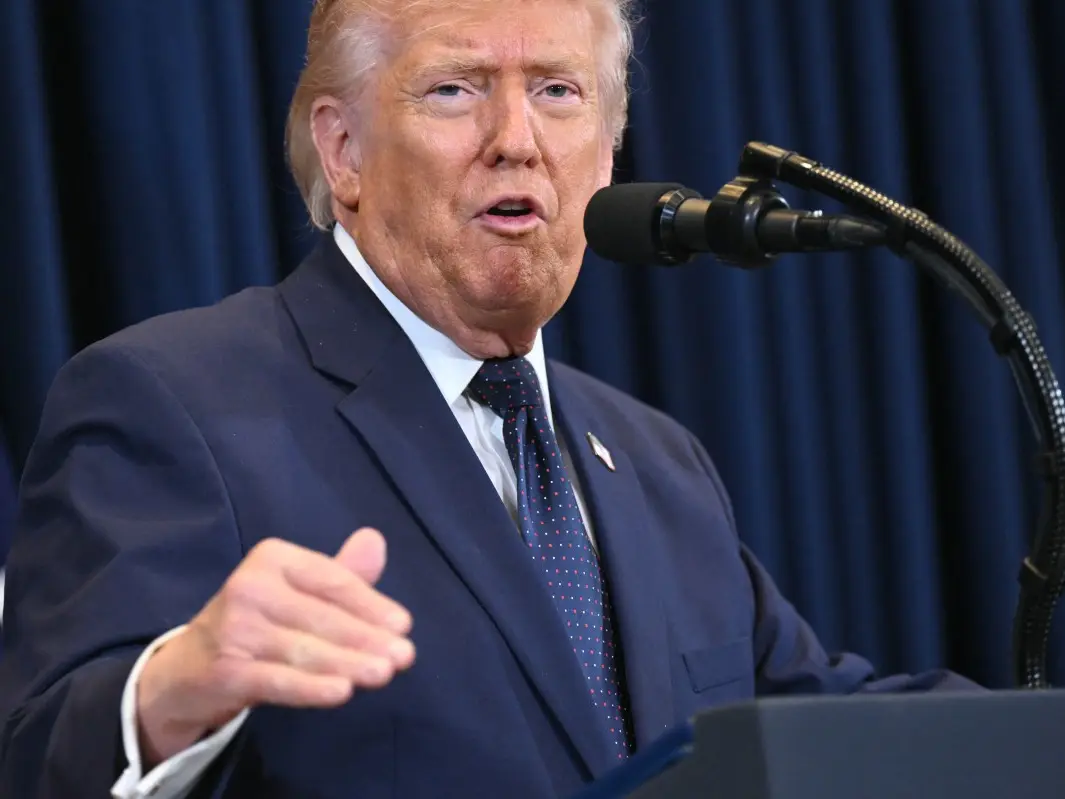
US President Donald Trump speaks during a press conference at Trump National Doral in Miami, Florida, on March 9, 2026. Photograph: (AFP)
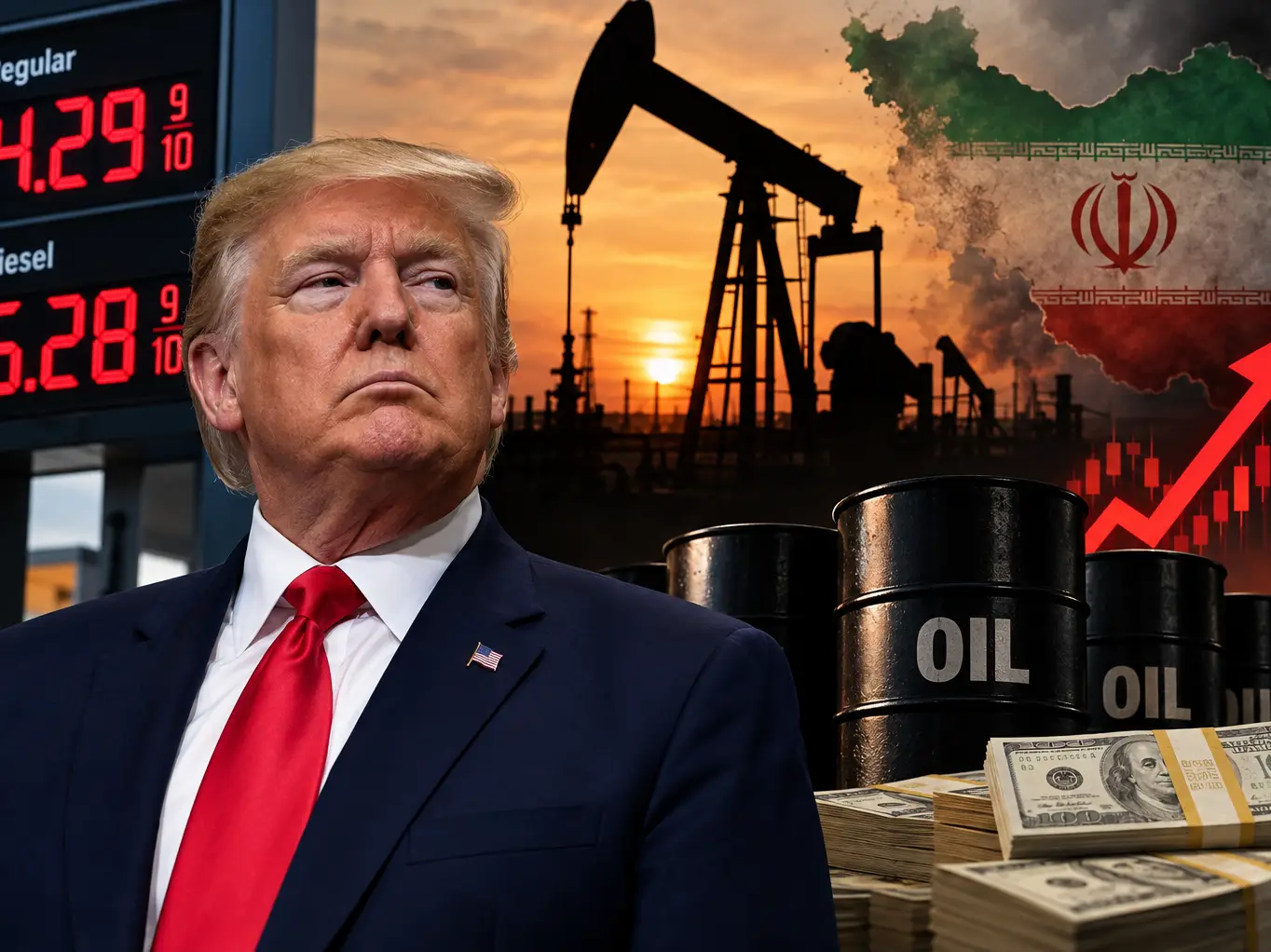
$200B for war? Trump admin faces heat as Pentagon says “it takes money to kill bad guys.” With $11.3B burned in just the first 6 days, the Iran war is turning into one of America’s costliest conflicts yet. How big is the real bill? Scroll to find out
WASHINGTON: With the Iran war entering its third week, the Trump administration is in hot water for reportedly requesting a staggering $200 billion in emergency funding. Amid concerns about the staggering bill of the Iran war, US President Donald Trump on Thursday (Mar 20) sought to downplay the costs, dismissing the bill as a "small price" to keep the US military "tippy top." Meanwhile, as soaring costs, combined with the Strait of Hormuz energy crisis, fuel economic troubles at home, Trump's Secretary of War Pete Hegseth has sparked controversy by saying it "takes money to kill bad guys." The Trump aide said this when asked by a reporter about the $200bn request. Internal reports suggest, in just the first six days of the conflict, the US burned through $11.3 billion—a nearly $2 billion-a-day price tag driven by dual carrier strike groups and a rain of "standoff" cruise missiles. While President Trump
'Tippy Top' Defense: Trump’s Plan to Refill the US Ammunition 'Locker.'
Trump seemed to confirm the figure. When asked about the money and what it would be used for, the POTUS reasoned that even beyond Iran, it was a "volatile world".
"We're asking for a lot of reasons, beyond even what we're talking about in Iran. This is a very volatile world," he said.
Trump said that the US wants and needs "right now" vast amounts of ammunition, and the $200 billion was a small price to stay "tippy top". Speaking during an event in the oval office, the president said "We want to have vast amounts of ammunition, which we have right now...It's a small price to pay to make sure that we stay tippy top."
Trending Stories
&imwidth=280&imheight=210&format=webp&quality=medium)
&imwidth=280&imheight=210&format=webp&quality=medium)
&imwidth=280&imheight=210&format=webp&quality=medium)
&imwidth=280&imheight=210&format=webp&quality=medium)
&imwidth=280&imheight=210&format=webp&quality=medium)
&imwidth=280&imheight=210&format=webp&quality=medium)
&imwidth=280&imheight=210&format=webp&quality=medium)
&imwidth=280&imheight=210&format=webp&quality=medium)
&imwidth=280&imheight=210&format=webp&quality=medium)
&imwidth=280&imheight=210&format=webp&quality=medium)
&im=FitAndFill=(700,400)&imwidth=280&imheight=210&format=webp&quality=medium)
&imwidth=280&imheight=210&format=webp&quality=medium)
&imwidth=280&imheight=210&format=webp&quality=medium)
&imwidth=280&imheight=210&format=webp&quality=medium)
&imwidth=280&imheight=210&format=webp&quality=medium)
&imwidth=280&imheight=210&format=webp&quality=medium)
&imwidth=280&imheight=210&format=webp&quality=medium)
&imwidth=280&imheight=210&format=webp&quality=medium)
&imwidth=280&imheight=210&format=webp&quality=medium)
&imwidth=280&imheight=210&format=webp&quality=medium)
&imwidth=280&imheight=210&format=webp&quality=medium)
&imwidth=280&imheight=210&format=webp&quality=medium)
&imwidth=280&imheight=210&format=webp&quality=medium)
&imwidth=280&imheight=210&format=webp&quality=medium)
&imwidth=280&imheight=210&format=webp&quality=medium)
&imwidth=280&imheight=210&format=webp&quality=medium)
&imwidth=280&imheight=210&format=webp&quality=medium)
&imwidth=280&imheight=210&format=webp&quality=medium)
&imwidth=280&imheight=210&format=webp&quality=medium)
&imwidth=280&imheight=210&format=webp&quality=medium)
&imwidth=280&imheight=210&format=webp&quality=medium)
Where is the $200 Billion Going? Breaking Down the Iran War 'Bill'
While the White House is yet to confirm or deny reports of the $200 billion funding request to Congress, Hegseth on Thursday all but confirmed it. Alarmingly, he said that the $200 billion number could actually go up as the US tries to "refill" ammunition.
"As far as $200 billion, I think that number could move," he told reporters. "We're going back to Congress and our folks there to ensure that we're properly funded for what's been done, for what we may have to do in the future, ensure that our ammunition is, everything's refilled," Hegseth added.
$1.8 Billion Per Day: Why the Iran Conflict is the 'Costliest' US Intervention
While lawmakers were told that Trump's war against Iran cost US taxpayers $11.3 billion in the first six days, exactly how much the war cost so far has yet to be publicly disclosed. Friday (Mar 20) will be Day 21 of the war.
Experts believe that the cost of war is substantial. "The amount of precision munitions and interceptors used, the number of air sorties, fuel expended, and cost of operation of two carrier strike groups all factored in, would lead to a very large bill," Daniel Schneiderman, director of global policy programs at Penn Washington told AFP.
He noted that in military operations like these, the most crucial items happen to be the most expensive. "Standoff weapons like cruise missiles, THAAD interceptors and batteries, bombs and missiles fired from aircraft, the fuel and maintenance that supports those aircraft and the carriers they fly off of, and not to mention the skilled labor that operates them."
Schneiderman added that it is "very expensive to run a war" and said that the Iran War "has to be up there with the costliest interventions the US has undertaken from a financial perspective."
Disclaimer: WION takes utmost care to accurately and responsibly report ongoing conflicts in West Asia involving Israel, Iran, US, Gulf nations and non-state actors like Hezbollah, Hamas, Houthis, Islamic State, and others. Claims and counterclaims, disinformation and misinformation are being made online and offline. Given this context, WION cannot independently verify the authenticity of all statements, social media posts, photos and videos.

