'Quiet death': Why a torpedo destroying Iranian warship, the first such US sinking since World War 2, is significant

&imwidth=600&imheight=450&format=webp&quality=medium "'Quiet death': Why a torpedo destroying Iranian warship, the first such US sinking since World War 2, is significant")
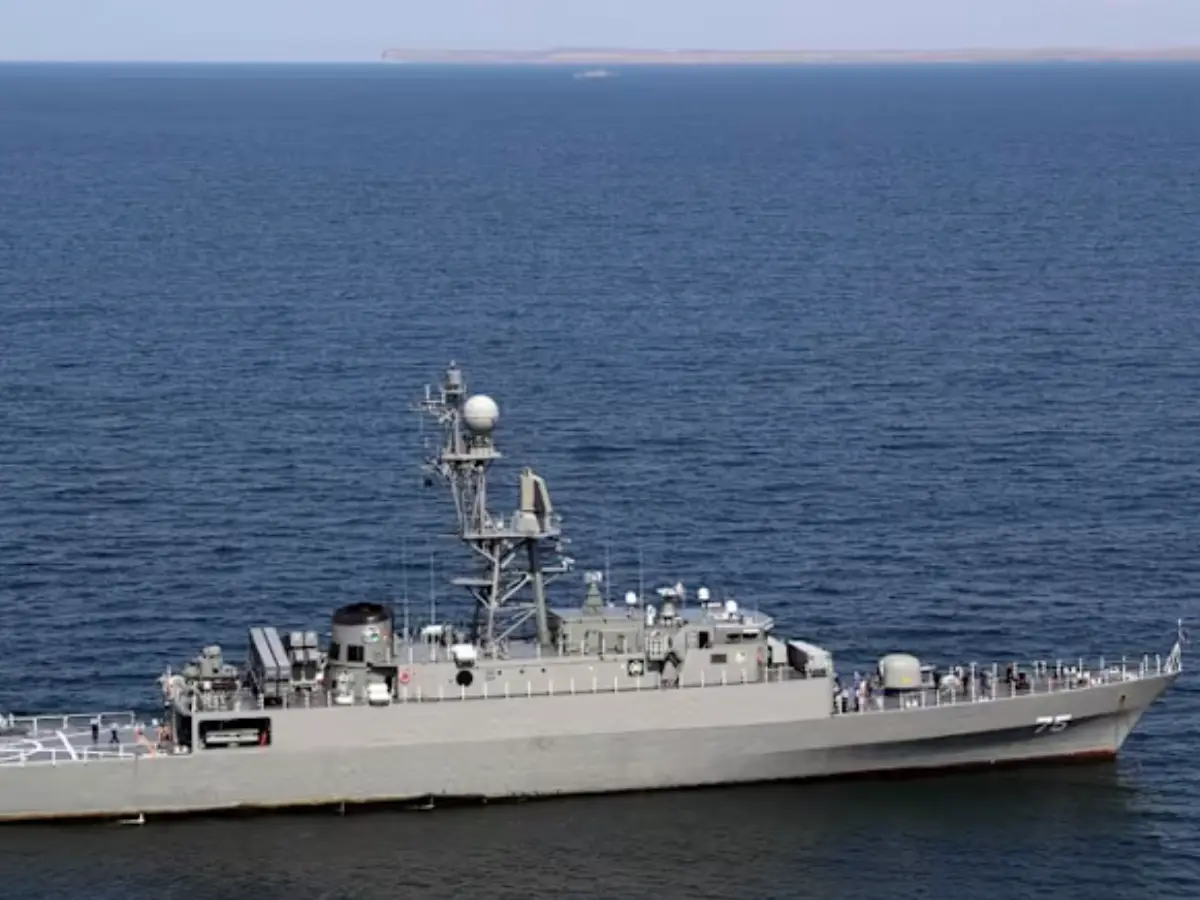
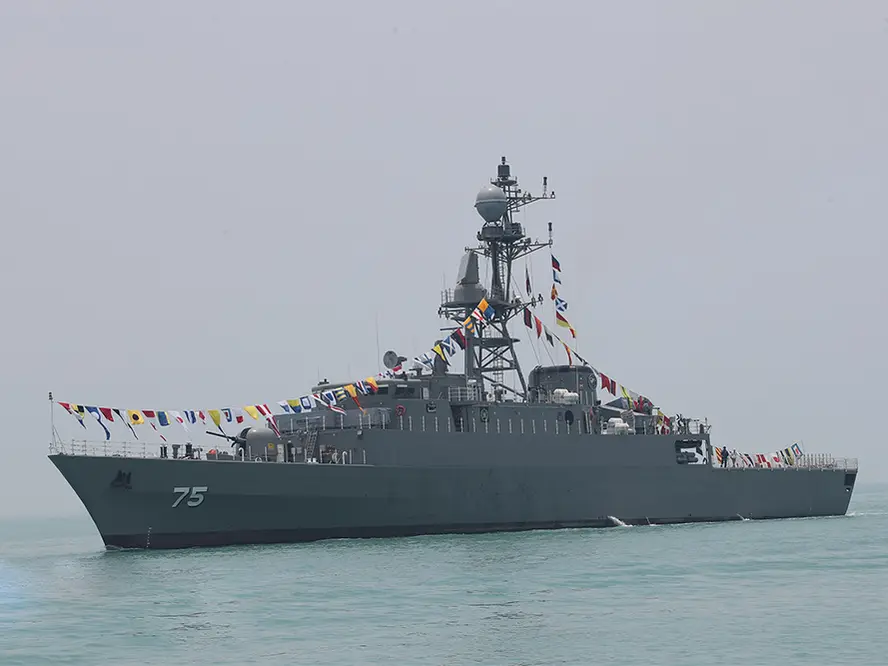
A file image of IRIS 75 Dena warship of Iran Navy Photograph: (Others)
A torpedo from a US submarine sank Iranian warship IRIS Dena in the Indian Ocean. This is a rare strike marking the first confirmed enemy ship sinking by torpedo since WWII.
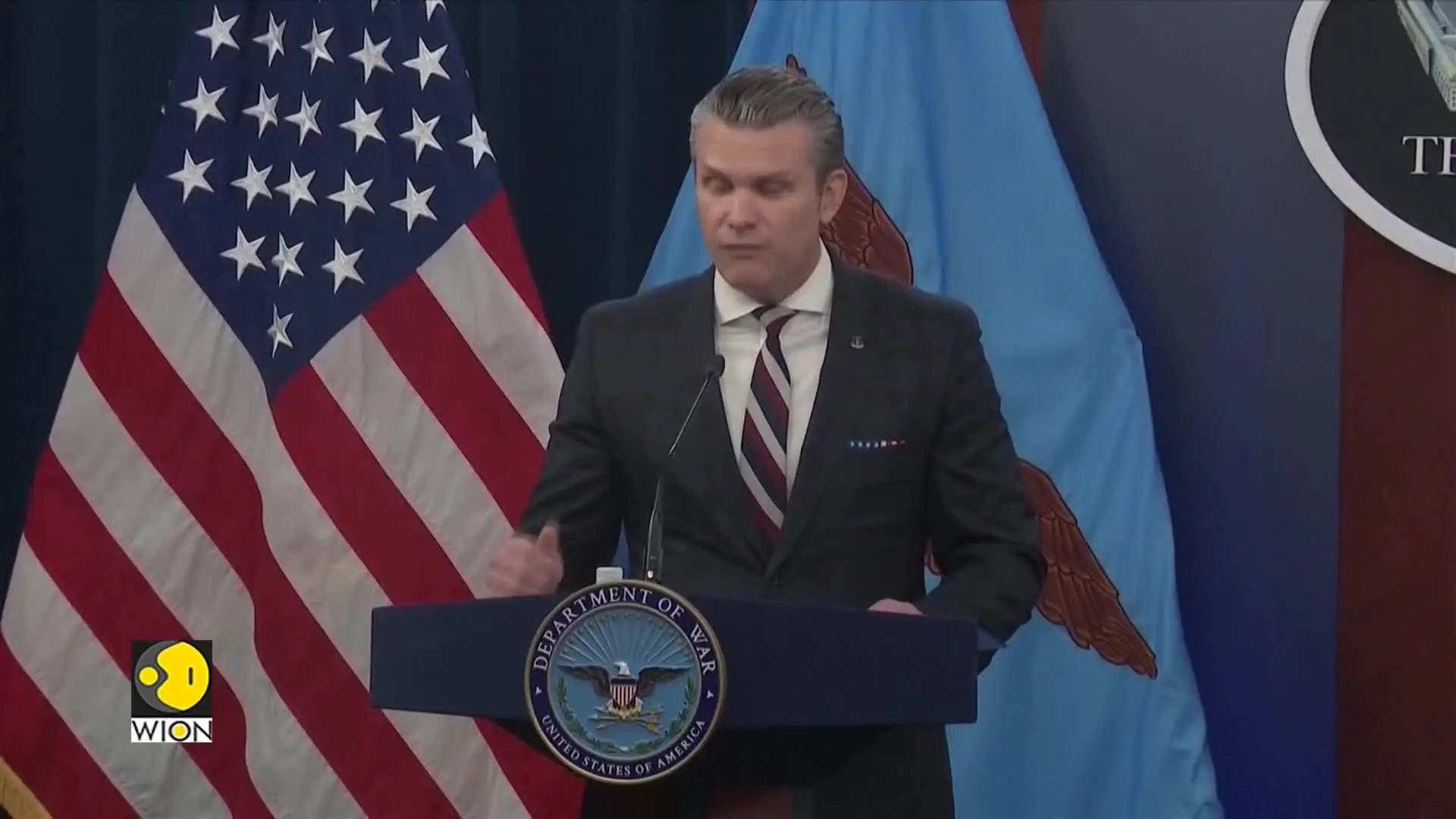
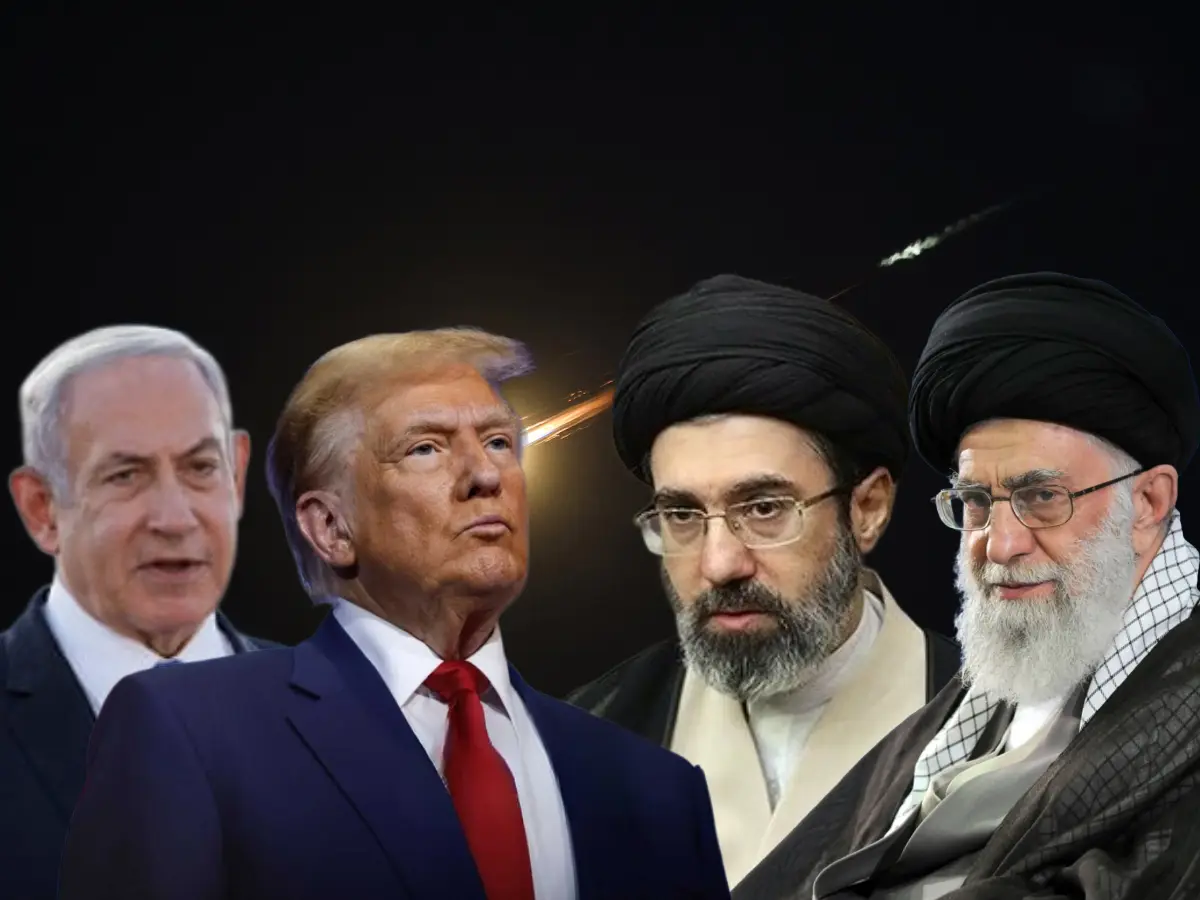
US Secretary of Defense Pete Hegseth has said that a torpedo from a US submarine sank an Iranian warship in the Indian Ocean on Tuesday (Mar 3). This is a signal that the US would neutralise Iranian naval threats beyond the Persian Gulf or the Strait of Hormuz amid the ongoing conflict involving Iran and Israel. Here is why the sinking is significant.
What happened to IRIS Dena in the Indian Ocean?
IRIS Dena, a Moudge-class frigate of the Iranian Navy, sank nearly 40 nautical miles (74 kilometres) south of Galle off the coast of Sri Lanka in the Indian Ocean.
The sinking followed a distress call and a massive explosion leading to rapid flooding of the ship, which disappeared from radar within minutes. Sri Lankan Navy and defence sources described it as a “classic submarine torpedo attack”.
At the time of writing this, at least 80 bodies have been recovered by Sri Lanka and some 100 are missing and presumed dead, according to reports.
The ship had recently participated in India’s naval exercise, MILAN 2026. It was reportedly returning to Iran when the incident occurred.
Trending Stories
)
)
)
)
)
)
)
)
)
)
)
)
)
&im=FitAndFill=(700,400))
)
)
)
)
)
)
)
)
&im=FitAndFill=(700,400))
)
)
)
)
)
)
)
)
)
)
)
)
)
)
)
)
It is being reported that there were two other Iranian warships in the area. Another warship has taken refuge at the Colombo port.
What did US defence secretary say about the submarine sinking of the Iranian ship?
Hegseth said: “An American submarine sank an Iranian warship that thought it was safe in international waters. Instead it was sunk by a torpedo, a quiet death – the first sinking of an enemy ship by a torpedo since the Second World War.
"Like in that war, back when we were still the War Department, we are fighting to win.”
The US defence secretary said the Iranian navy “rests at the bottom of the Persian Gulf” and is “ineffective, decimated, destroyed… pick your adjective, it is no more”.
Also read: 'Let's get the job done': Trump to pick Iran's new leader? US president says he has 3 'good choices'
US submarine-launched torpedoes make a comeback
US submarine-launched torpedoes include Mark 48 torpedo ADCAP variants. These are wire-guided, homing torpedoes designed for stealthy, quiet operation with acoustic homing.
They can carry large warheads of around 295 kgs of explosives. Their range exceeds 20 to 30 nautical miles (37 to 56 kms), depending on speed settings.
The torpedoes are deployed from US attack submarines, including Virginia-class submarine and Los Angeles-class submarines worldwide. The submarines operate in the Indo-Pacific and Indian Ocean regions as part of routine patrols and deterrence.
US torpedoes were used extensively in the Second World War
During World War 2, the Mark 14 torpedo and Mark 15 torpedo sank millions of tonnes of shipping.
Hegseth highlighted the attack on Iranian ship as the first confirmed enemy surface ship sinking by torpedo since the Second World War.
Why the sinking of the Iranian ship matters
This is the first major naval casualty in the Indian Ocean amid the broader war. Such attacks can disrupt freedom of navigation. The sinking also brings back submarine warfare after decades of dominance by anti-ship missiles and air power in wars. The attack underscores the vulnerability of even modern frigates to stealthy submarine strikes, reviving memories of World War II era submarine campaigns.
The attack is a rare modern instance of a submarine torpedo attack successfully sinking a surface warship in open ocean waters.
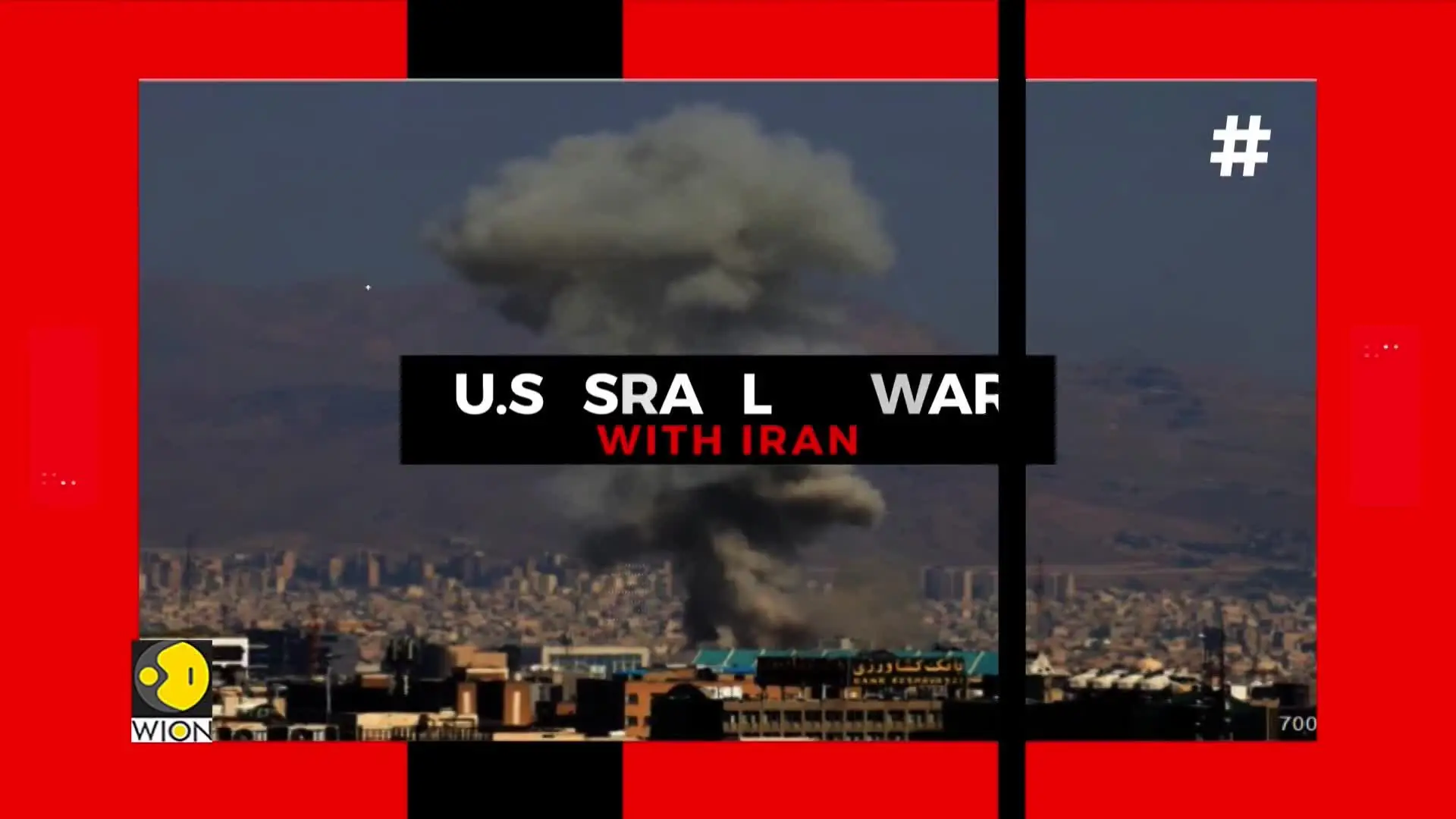
It also marks the first time the ongoing US–Israel–Iran conflict has spilled over into the Indian Ocean, which is also India’s maritime backyard.
Disclaimer: WION takes utmost care to accurately and responsibly report ongoing conflicts in West Asia involving Israel, Iran, US, Gulf nations and non-state actors like Hezbollah, Hamas, Houthis, Islamic State, and others. Claims and counterclaims, disinformation and misinformation are being made online and offline. Given this context, WION cannot independently verify the authenticity of all statements, social media posts, photos and videos.