

&imwidth=800&imheight=600&format=webp&quality=medium "'President Trump had a good feeling that Iranian regime was going to strike first': White House")
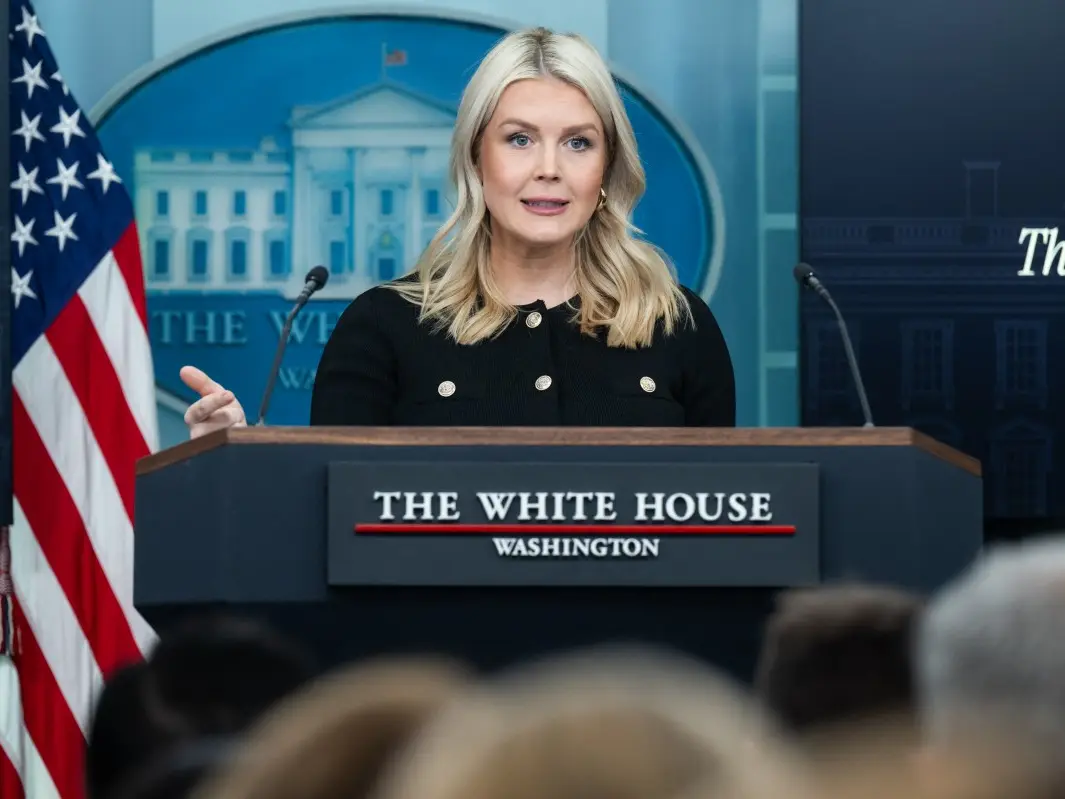
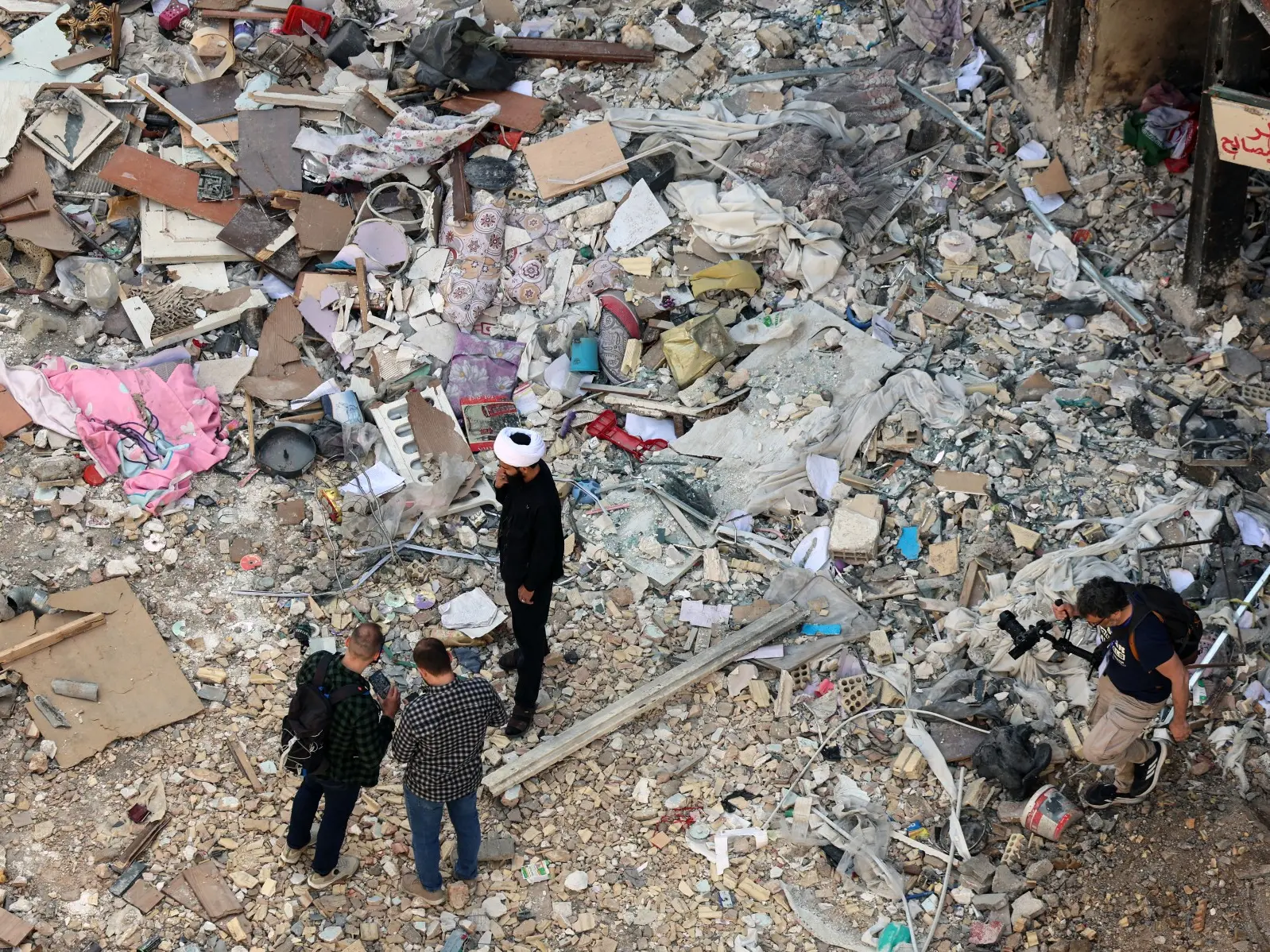
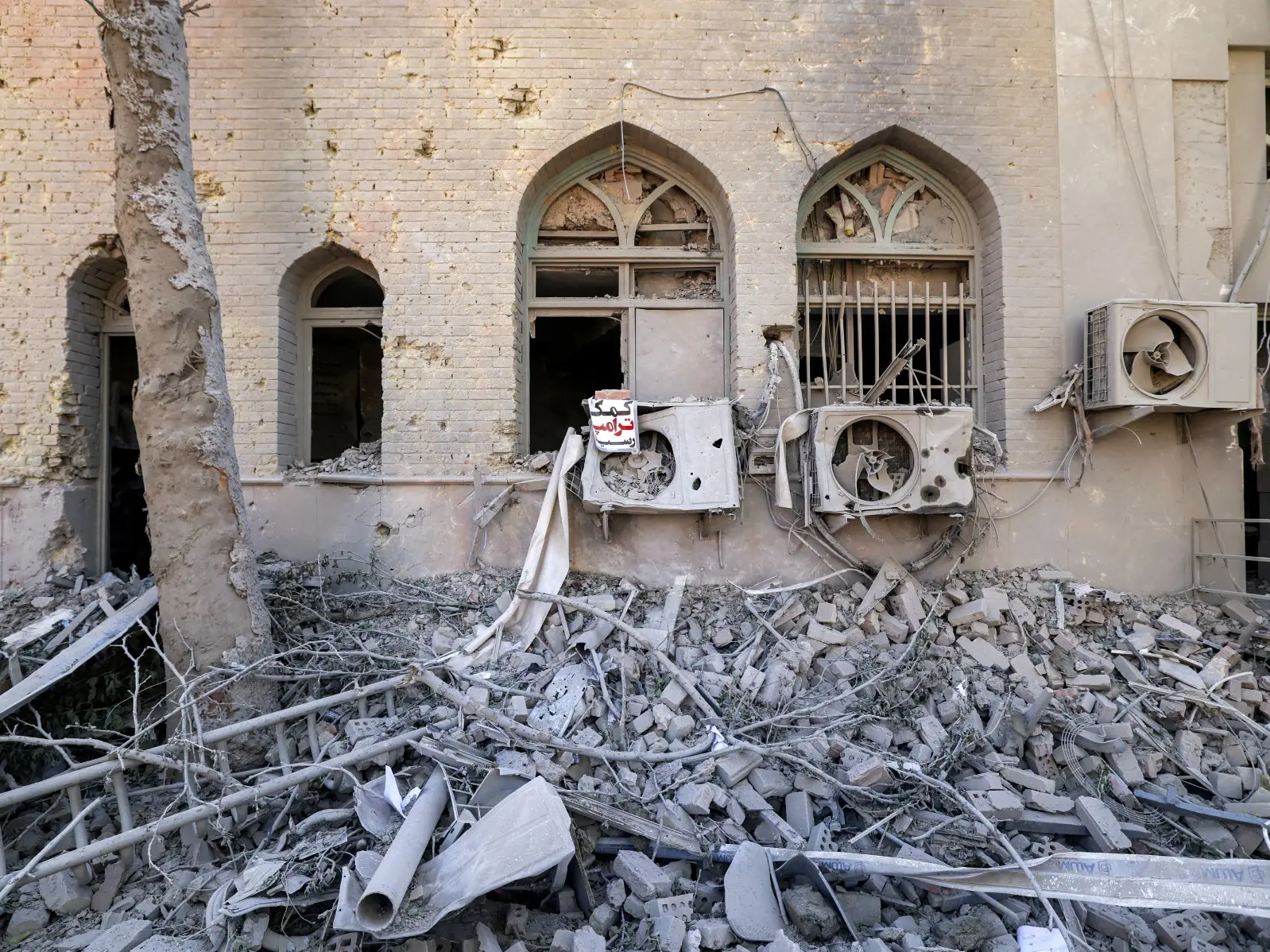
The White House declined on Wednesday (March 4) to definitively rule out US involvement in a reported strike on a girls’ elementary school in southern Iran, while maintaining that the United States does not deliberately target civilians. During a press briefing, White House press secretary Karoline Leavitt was asked whether the US was responsible for the strike in Minab, which Iranian state media claims left more than 100 people dead. “Not that we know of,” she responded. Leavitt added that US forces are targeting what she described as the “rogue Iranian regime,” asserting that it “uses propaganda quite effectively, and unfortunately, many people in this room have fallen for that propaganda.”
Leavitt also addressed concerns about US military readiness, stating that the country has sufficient resources to sustain a prolonged conflict with Iran, despite earlier remarks from President Donald Trump suggesting stockpiles were not as robust as he would like.
“The United States of America has more than enough capability to not only successfully execute Operation Epic Fury, but to go much further,” she said during the briefing. “And we have weapon stockpiles in places that many in this world don’t even know about.” Earlier in the week, Trump wrote on Truth Social that “we have a good supply, but are not where we want to be,” prompting questions about US weapons reserves. Defense industry executives are expected at the White House on Friday as part of efforts to boost production.
Leavitt contended that Trump’s remarks were aimed at the previous administration, arguing that he was referring to weapons sent to Ukraine. “The president was pointing out that, unfortunately, we had a very stupid and incompetent leader in this White House for four years who gave away many of our best weapons for nothing,” she said.
On the question of deploying US ground forces in Iran, Leavitt said that option is not currently under consideration.
Trending Stories
&im=FitAndFill=(700,400)&imwidth=180&imheight=135&format=webp&quality=medium)
Why do army tanks have different types of armour?
&imwidth=180&imheight=135&format=webp&quality=medium)
Viral video shows cross falling on Colombia priest, no official confirmation | WATCH
&imwidth=180&imheight=135&format=webp&quality=medium)
IND vs NZ 2nd T20I: Shreyas Iyer on brink of breaking Rohit Sharma’s record
&imwidth=180&imheight=135&format=webp&quality=medium)
Fauzi teaser out: Prabhas takes on the British Empire in patriotic avatar | Watch
&imwidth=180&imheight=135&format=webp&quality=medium)
Tu Hai Meri Kiran film review: Sonakshi Sinha and Zaheer Iqbal's thriller gets tangled in its own twists
&imwidth=180&imheight=135&format=webp&quality=medium)
'You’re a horrible little reporter, aren’t you?': Trump snaps at NBC reporter questioning his support for Ramaswamy's campaign ad
&imwidth=180&imheight=135&format=webp&quality=medium)
Horrific video shows the moment 18-year-old fell to her death from Mexico amusement park ride
&imwidth=180&imheight=135&format=webp&quality=medium)
US midterms 2026: Trump revises Canada tariffs as Susan Collins faces tight re-election race in Maine
&imwidth=180&imheight=135&format=webp&quality=medium)
Iran targeting US diplomats? Intelligence warns of 'advanced' assassination plots: Report
&imwidth=180&imheight=135&format=webp&quality=medium)
US-Russia relations: Is Putin playing Trump 'like a fiddle'?
&imwidth=180&imheight=135&format=webp&quality=medium)
Google Fitbit Air’s new health guardian feature tracks trends: How it works
&imwidth=180&imheight=135&format=webp&quality=medium)
Gravitas | US attack could trigger WW III: Russian planes in Tehran, Israeli jets, US warships in action
&imwidth=180&imheight=135&format=webp&quality=medium)
Massive 7.2 magnitude quake off Vanuatu triggers tsunami warning for coasts within 300 km
&imwidth=180&imheight=135&format=webp&quality=medium)
Emmanuel Macron calls Paris suburb shooting a 'racist terrorist attack' after one killed, several injured
&imwidth=180&imheight=135&format=webp&quality=medium)
US midterms 2026: Viral video claims Lindsey Graham paid underage men for sex; clip released weeks before his sister's Senate race
&imwidth=180&imheight=135&format=webp&quality=medium)
First Lady Melania Trump secures ceasefire between Russia, Ukraine in Oleshky: White House
&imwidth=180&imheight=135&format=webp&quality=medium)
India-China face-off continues near Arunachal’s Taksing, reveals ITBP chief in first official confirmation of tensions
&imwidth=180&imheight=135&format=webp&quality=medium)
Will the US attack Iran this weekend? Trump's envoy says, 'absolutely'
&imwidth=180&imheight=135&format=webp&quality=medium)
Anthropic security chief issues grim cyberattack warning: ‘It’s going to get a lot worse’
&imwidth=180&imheight=135&format=webp&quality=medium)
'My name has always been Ilhan Omar': Congresswoman hits back at Trump, calls him a 'creep'
&imwidth=180&imheight=135&format=webp&quality=medium)
China's dancing robot turns violent bodyguard, lifts cars and fights intruders - Watch
&imwidth=180&imheight=135&format=webp&quality=medium)
IND-W vs ZIM-W, 1st ODI: Rawal, Charani star in India’s nine-wicket win over Zimbabwe
&imwidth=180&imheight=135&format=webp&quality=medium)
Microsoft AI diagnoses complex medical cases more than twice as accurately as doctors, study finds
&imwidth=180&imheight=135&format=webp&quality=medium)
Chemical warehouse explosion in Mexico: Several injured in multiple blasts, 1,000 evacuated in León
&imwidth=180&imheight=135&format=webp&quality=medium)
US Navy, Marine Corps boards defy Trump's transgender military ban, vote to retain troops
&imwidth=180&imheight=135&format=webp&quality=medium)
Nairobi building collapse: Several feared trapped after 16-storey structure crumbles; rescue operation underway
&imwidth=180&imheight=135&format=webp&quality=medium)
'This is humiliation': Vijay Deverakonda under fire over controversial marriage proposal remark on Koffee With Karan 9
&imwidth=180&imheight=135&format=webp&quality=medium)
AI deepfakes are spreading online: Why is removing them so difficult?
&imwidth=180&imheight=135&format=webp&quality=medium)
Global cybersecurity alert: PHP flaws trigger website shutdowns as hack attempts surge into millions
&imwidth=180&imheight=135&format=webp&quality=medium)
Pakistan airline PIA unveils new crew uniforms, faces online criticism
&imwidth=180&imheight=135&format=webp&quality=medium)
Did Neha Bora call for Bangladesh-like GenZ protest, 'anarchy' in India? WION Fact-checks viral claim
&imwidth=180&imheight=135&format=webp&quality=medium)
Five killed, several injured after explosion in Bihar's Siwan as firecrackers catch fire
&imwidth=180&imheight=135&format=webp&quality=medium)
'Already tired of his 9-to-5': Baby born with a moustache becomes internet sensation, video goes viral | Watch
&imwidth=180&imheight=135&format=webp&quality=medium)
Jenna Ortega plans TV break after Wednesday: ‘I want to leave time for new things’
&imwidth=180&imheight=135&format=webp&quality=medium)
US charges two former FBI officials with lying to Congress about Hunter Biden probes. 'Politically motivated' Trump grievance or something else?
&im=FitAndFill=(700,400)&imwidth=180&imheight=135&format=webp&quality=medium)
New Friday OTT releases (October 23, 2026): Gajab Raat, Dorothy, Chaar Yaar- Watch these 6 new movies and TV shows on Netflix, Prime Video and more
“They’re not part of the plan for this operation at this time, but I certainly will never take away military options on behalf of the president of the United States or the commander in chief, and he wisely does not do the same for himself,” she said. Her remarks followed statements from the chairman of the Joint Chiefs of Staff, Gen. Dan Caine, who indicated that US forces would begin “striking progressively deeper into Iranian territory.” Defense Secretary Pete Hegseth also cautioned that the military campaign remains in its early stages.
The administration signaled that while regime change in Iran could be a byproduct of the conflict, it is not the central aim of the operation. “The goals of this operation have been made very clear … and the president has said them in his speech when he launched this operation and released that video in the middle of the night to all of you and to the world,” Leavitt said.
She outlined the administration’s primary objectives as dismantling Iran’s Navy, missile systems, and nuclear program, and preventing Tehran from supporting proxy groups. Although she suggested that removing Iranian leaders would be welcomed, she clarified that it is not among the four principal goals. “Obviously, as the president has said numerous times, do we want to see Iran being led by a rogue terrorist regime? No, of course, not,” she said. “So any day the United States of America is taking out a terrorist is a good day for our country and a good day for our people.”
Leavitt added that Trump is “actively considering and discussing with his advisers” the US role in Iran once the conflict concludes, but emphasized that his immediate priority is “ensuring the quick and effective success of the operation.”
According to Leavitt, Trump ordered the strikes based on what she described as a strong sense that Iran was preparing to attack the United States.
“The president was faced with a choice: Does the United States of America use our military and our capabilities to strike first to take out this threat that has been threatening our country and our people for 47 years, or is he going to — as commander-in-chief, sit back and watch as the rogue Iranian regime attacks our people in the region?” she said.
She characterized inaction as an “unacceptable” course from Trump’s perspective, suggesting that this reasoning drove his decision to initiate military action. Leavitt said the specific timing of the strikes was influenced by intelligence about the whereabouts of Supreme Leader Ayatollah Ali Khamenei and other senior Iranian officials.
“That obviously had an impact on the timeline of the operation, but not quite the president’s decision in its entirety,” she said.
Disclaimer: WION takes utmost care to accurately and responsibly report ongoing conflicts in West Asia involving Israel, Iran, the US, Gulf nations, and non-state actors like Hezbollah, Hamas, Houthis, Islamic State, and others. Claims and counterclaims, disinformation and misinformation are being made online and offline. Given this context, WION cannot independently verify the authenticity of all statements, social media posts, photos, and videos.

