'Muslims take to streets...': Iraq’s top Shia cleric Sistani supports Iran, makes BIG appeal amid raging war with Israel, US

&imwidth=600&imheight=450&format=webp&quality=medium "'Muslims take to streets...': Iraq’s top Shia cleric Sistani supports Iran, makes BIG appeal amid raging war with Israel, US")
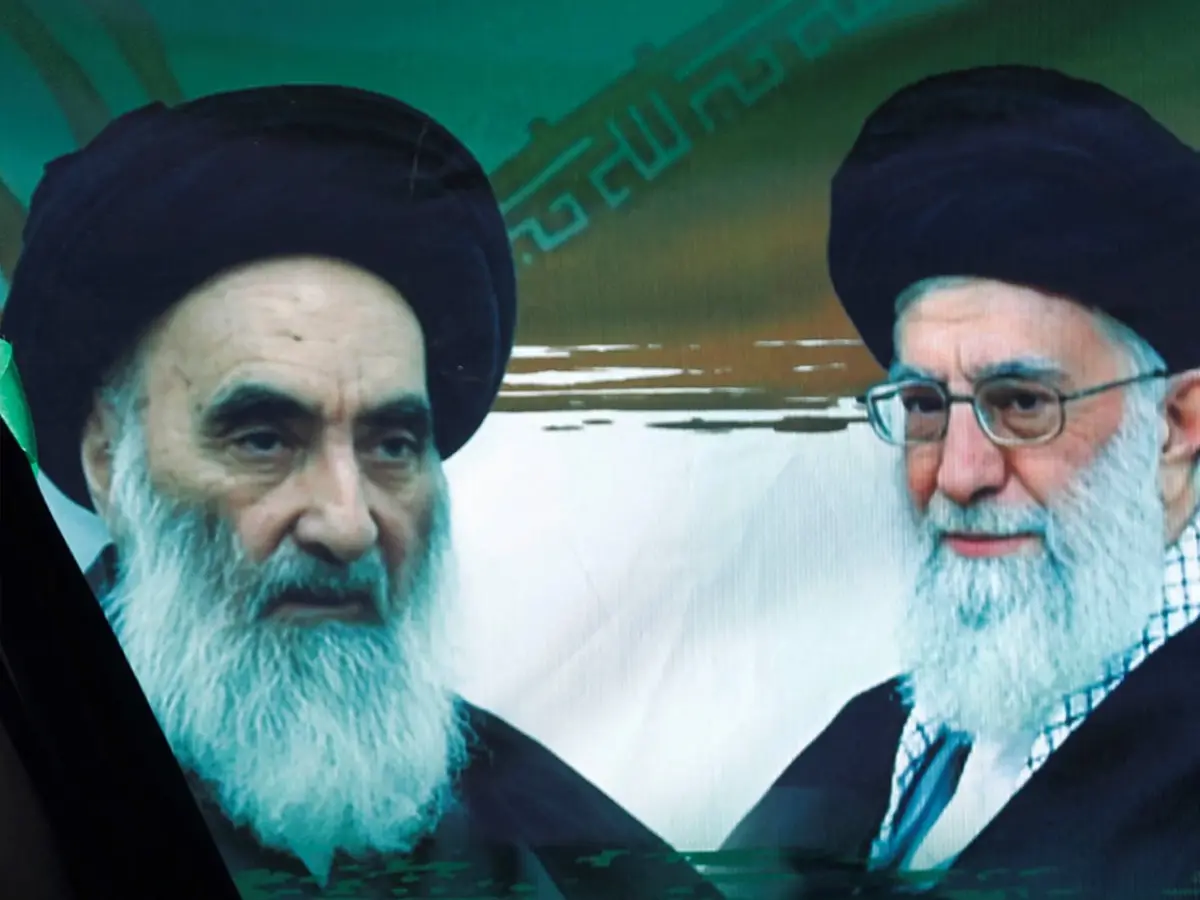
Iraq's top Shiite cleric Ayatollah Ali al-Sistani and slain Iran's supreme leader Ayatollah Ali Khamenei Photograph: (AFP)
Iraq’s top Shia cleric Ali al-Sistani issued a fatwa calling support for Iran a “collective duty” amid the US-Israel war on Tehran. Urging public demonstrations, the influential leader’s statement signals Shia solidarity despite his long-standing differences with Iran’s system.
Amid raging war in West Asia, Iraq’s top Shiite cleric Ayatollah Ali al-Sistani, who is one of the topmost leader in the community after Khamenei's death, issued a ‘fatwa’ on Sunday (Mar 8) declaring that it is “collective duty” to support Iran. Ali al-Sistani is considered as the highest Shiite religious authority for millions of followers in Iraq and across the world and is regarded with same honour as Ayatollah Ali Khamenei. In the fatwa, al-Sistani urged Muslims to gather in the streets and public squares in support of backing Iran and the Islamic laws. Calling out “division conspiracies”, he opined that there is a need for “broad public presence and popular solidarity in the public squares,” as it is also a collective religious obligation.
Sistani's impact is massive in Iraq. In 2014, hundreds of thousands of Iraqi youths responded to his fatwa calling for a fight against the ISIS (Daesh) terrorist group. That call eventually led to the formation of the Popular Mobilization Forces (PMF), which supported the Iraqi army in battling the terror group. The current ruling has been circulated by media and social channels linked to Shia groups. It must be noted that Sistani's remark is significant as he opposes Iran's Wilayat al-Faqih system that was developed by Ayatollah Ruhollah Khomeini under which a single "Supreme Leader" has absolute authority over all state matters. Despite fundamental differences, this remark is seen as a sign of firm solidarity amid external intervention.
Also Read: 'I am not...': Trump's first reaction after Iran appoints Mojtaba Khamenei as new Supreme Leader
The fatwa came after Sistani was asked about the religious view on people gathering in public places and mosques to respond to what were described as acts of sabotage and attempts to weaken the institutions of the Islamic system. The gatherings were seen as a way to counter despair, prevent damage to public property and moral decline, frustrate enemies, support the values of the Islamic Revolution, and maintain order during a sensitive time.
Iran-Israel-US war
Trending Stories
)
)
)
)
)
)
)
)
)
)
)
)
)
)
)
&im=FitAndFill=(700,400))
)
)
)
)
&im=FitAndFill=(700,400))
)
)
)
)
)
)
)
)
)
)
)
)
)
)
The war with Iran has reached day tenth with both sides relentlessly targeting each other. It all started when on Feb 28 Israel and the United States launched “pre-emptive” attack on Iran, and killing Iranian Supreme Leader Ali Khamenei in subsequent airstrikes. Iran retaliated with drone attacks on Israel and on Gulf nations that host US bases. While US President Donald Trump has said that the operations in Iran will go on for “four weeks or so”, he has also boasted about US munitions that are enough for “forever” war, Israel has expanded its operations and has launched attack on Hezbollah in Lebanon, while also continuing its strikes on Tehran. Iran has ruled out any negotiations with the US after criticising the attacks that came amid nuclear talks between two sides. The bombings in West Asia is continuing, with US issuing unprecedented advise to all its citizens to leave the region, including Israel. Iranian regime has vowed to avenge the death of Khamenei.
Disclaimer: WION takes utmost care to accurately and responsibly report ongoing conflicts in West Asia involving Israel, Iran, US, Gulf nations and non-state actors like Hezbollah, Hamas, Houthis, Islamic State, and others. Claims and counterclaims, disinformation and misinformation are being made online and offline. Given this context, WION cannot independently verify the authenticity of all statements, social media posts, photos and videos.

