‘Indian friends are safe’, says Iran on Strait of Hormuz transit as IRGC reportedly charges $1 per oil barrel in yuan and stablecoins

&imwidth=600&imheight=450&format=webp&quality=medium "‘Indian friends are safe’, says Iran on Strait of Hormuz transit as IRGC reportedly charges $1 per oil barrel in yuan and stablecoins")
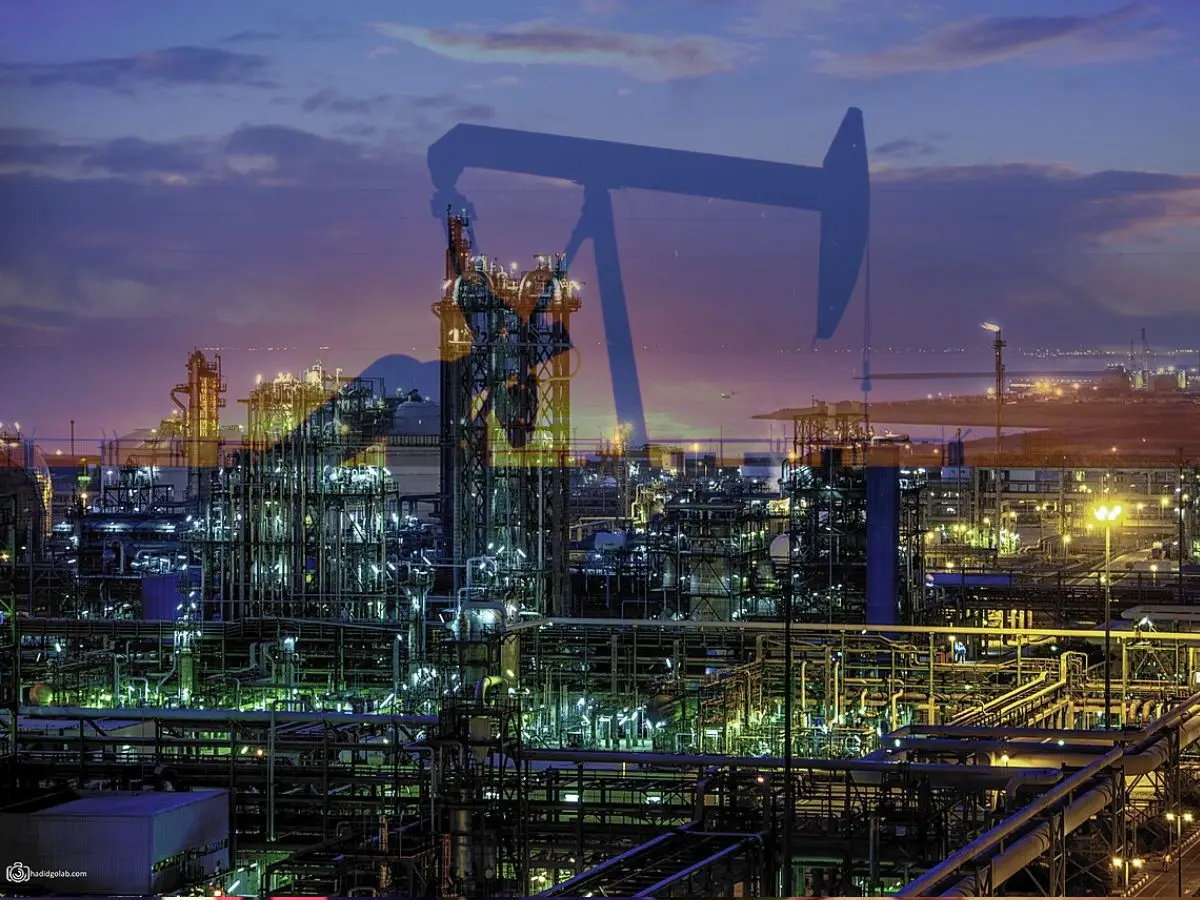
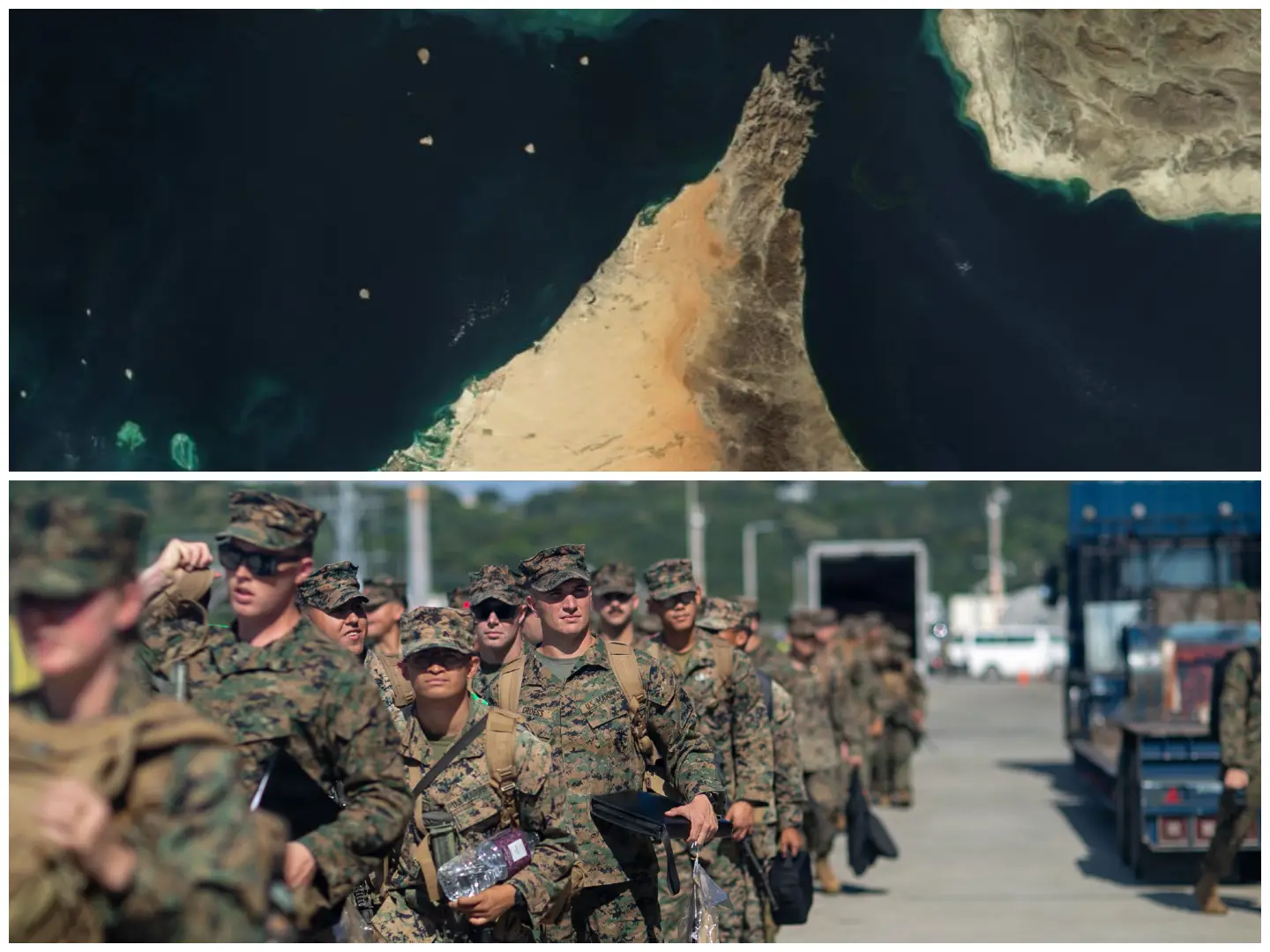
Strait of Hormuz tensions continue amid talk that the US might send Marines to secure it for global fuel trade Photograph: (Others)
Iran has reassured India on safe passage of its vessels via Strait of Hormuz. Reports meanwhile claim that the IRGC is charging $1 per barrel toll in yuan and cryptocurrency like stablecoins. But the situation is far from normal
Iran has indicated that Indians and Indian shipping interests are secure amid war-linked tensions on the Strait of Hormuz, while reports claimed that the Islamic Revolutionary Guard Corps (IRGC) is charging vessels around $1 per barrel of oil for safe passage using non-dollar payment methods. The message to Indians followed remarks by Iranian Foreign Minister Abbas Araghchi that only Iran and Oman would determine the future of the strait through which about 20 per cent of global oil and LNG trade flows.
‘Our Indian friends are in safe hands’: Iran
“Our Indian friends are in safe hands, no worries,” Iran’s embassy in New Delhi said in a post on X, along with a wink emoji. This is a possible signal of preferential treatment for India as the Strait of Hormuz faces disruption due to the US-Israel war on Iran. Despite the global tensions, India has not reported major supply concerns for oil and gas. This is significant, as India is one of the world’s largest oil importers. Indian officials have reassured the public that fuel stocks remain adequate, and the government has intervened in cases of black marketing of LPG and increases in aviation turbine fuel prices.
Also read: Indian LPG tanker escaped Strait of Hormuz mines via new route; did not pay fee for transit
Iran claims full control of Strait of Hormuz
The reassurance comes as Iran claims “full and decisive control” over the critical chokepoint, describing its actions as self-defence following US and Israeli strikes from February 28. It has repeatedly said that friendly nations like India, China, Russia, Pakistan, and Iraq are being granted safe transit through the waterway. Several Indian-flagged vessels have already passed through after coordination with Iran.
Trending Stories
&imwidth=280&imheight=210&format=webp&quality=medium)
&imwidth=280&imheight=210&format=webp&quality=medium)
&imwidth=280&imheight=210&format=webp&quality=medium)
&imwidth=280&imheight=210&format=webp&quality=medium)
&imwidth=280&imheight=210&format=webp&quality=medium)
&imwidth=280&imheight=210&format=webp&quality=medium)
&imwidth=280&imheight=210&format=webp&quality=medium)
&imwidth=280&imheight=210&format=webp&quality=medium)
&imwidth=280&imheight=210&format=webp&quality=medium)
&imwidth=280&imheight=210&format=webp&quality=medium)
&imwidth=280&imheight=210&format=webp&quality=medium)
&imwidth=280&imheight=210&format=webp&quality=medium)
&imwidth=280&imheight=210&format=webp&quality=medium)
&imwidth=280&imheight=210&format=webp&quality=medium)
&imwidth=280&imheight=210&format=webp&quality=medium)
&imwidth=280&imheight=210&format=webp&quality=medium)
&imwidth=280&imheight=210&format=webp&quality=medium)
&imwidth=280&imheight=210&format=webp&quality=medium)
&imwidth=280&imheight=210&format=webp&quality=medium)
&imwidth=280&imheight=210&format=webp&quality=medium)
&imwidth=280&imheight=210&format=webp&quality=medium)
&imwidth=280&imheight=210&format=webp&quality=medium)
&imwidth=280&imheight=210&format=webp&quality=medium)
&imwidth=280&imheight=210&format=webp&quality=medium)
&imwidth=280&imheight=210&format=webp&quality=medium)
&imwidth=280&imheight=210&format=webp&quality=medium)
&imwidth=280&imheight=210&format=webp&quality=medium)
&im=FitAndFill=(700,400)&imwidth=280&imheight=210&format=webp&quality=medium)
&im=FitAndFill=(700,400)&imwidth=280&imheight=210&format=webp&quality=medium)
&imwidth=280&imheight=210&format=webp&quality=medium)
&imwidth=280&imheight=210&format=webp&quality=medium)
&imwidth=280&imheight=210&format=webp&quality=medium)
&imwidth=280&imheight=210&format=webp&quality=medium)
&imwidth=280&imheight=210&format=webp&quality=medium)
&im=FitAndFill=(700,400)&imwidth=280&imheight=210&format=webp&quality=medium)
&imwidth=280&imheight=210&format=webp&quality=medium)
Iran de-dollarising oil trade? Payments reportedly made in yuan and stablecoins
A report by Bloomberg claimed that the IRGC has effectively established a toll system for commercial shipping along the strait. It said oil tankers are being charged $1 per barrel. This means large vessels carrying about 2 million barrels could pay up to $2 million per transit. Payments are required in Chinese yuan or stablecoins such as USDT, bypassing US-dominated financial systems, the report said.
How vessels are being allowed to pass via Strait of Hormuz
According to reports, vessels seeking passage must contact IRGC-linked intermediaries and submit detailed documentation. This includes details of ownership, cargo and crew. A vetting process follows, based on the perceived geopolitical alignment of the nations linked to the vessels with Iran. Friendly nations receive more favourable terms, while others risk denial or even attack, the reports claimed.
Once approved, the ships are issued permits, assigned routes, and in some cases escorted by Iranian patrol boats.
Some tankers have paid in Chinese currency, yuan, and others in crypto. The reports state that this toll system has been formalised by Iran’s parliamentary National Security Committee.
Shipping traffic along Strait of Hormuz is still low
Despite the assurances from Iran, overall shipping traffic via the Strait of Hormuz remains below pre-conflict levels. Several major carriers are staying away from the route, as insurance costs have surged, particularly following incidents such as the recent drone strike on a Kuwaiti tanker.
The legal basis for Iranian tolls under international maritime law is not yet clear. International law typically limits territorial control to 12 nautical miles.
Disclaimer: WION takes utmost care to accurately and responsibly report ongoing conflicts in West Asia involving Israel, Iran, US, Gulf nations and non-state actors like Hezbollah, Hamas, Houthis, Islamic State, and others. Claims and counterclaims, disinformation and misinformation are being made online and offline. Given this context, WION cannot independently verify the authenticity of all statements, social media posts, photos and videos.